
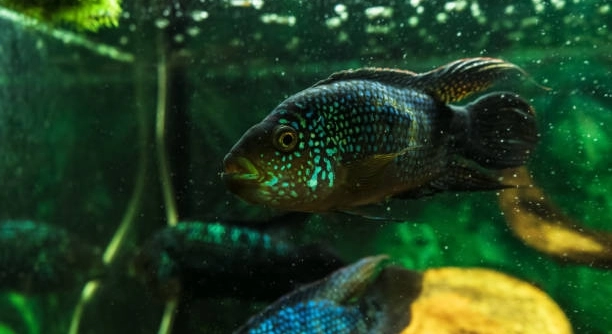
Many fish owners enjoy keeping Jack Dempseys in community tanks. These cichlids are known for their striking colors and active behavior. Observing them interact with other tankmates can be both rewarding and challenging at times.
Jack Dempseys can sometimes miss or ignore their old tankmates, particularly after changes in the aquarium environment. This behavior is influenced by territorial instincts, stress, and social hierarchy, which can alter their interactions and reduce previous bonding patterns.
Understanding these behaviors helps maintain a peaceful tank. Paying attention to tank dynamics and environmental adjustments supports the well-being of all your fish.
Understanding Jack Dempsey Behavior
Jack Dempseys are naturally territorial fish. When they are placed in a community tank, their instincts can make interactions unpredictable. These fish may show aggression or indifference toward other tankmates depending on size, temperament, and past experiences. Changes in tank setup, such as new decorations or hiding spots, can also influence behavior. Water conditions play a role as well. Poor water quality or inconsistent temperatures may cause stress, making Jack Dempseys more likely to ignore familiar fish. Observing their patterns over time helps identify what is normal and what signals tension. Feeding routines and diet consistency affect mood and energy levels. Even minor disruptions in feeding can change their social behavior. Some fish adapt quickly, while others may remain distant. Regular monitoring of interactions and adjusting tank conditions ensures a balanced environment where all species can coexist safely.
Behavior can improve with patience, proper tank management, and attention to individual personalities of each fish.
Introducing Jack Dempseys to new tankmates requires careful planning. Start by selecting compatible species that can tolerate occasional territorial displays. Ensure there are multiple hiding spots and visual barriers to reduce stress and conflict. Keep water parameters stable, as fluctuations can heighten aggression. Avoid overcrowding the tank, which may trigger defensive behavior. Observe interactions closely during the first few weeks, noting any signs of persistent aggression. Feeding should be distributed evenly to prevent competition over food. Sometimes, temporary separation may be necessary to allow adjustment. Over time, most Jack Dempseys can coexist peacefully, though occasional displays of dominance are normal. Maintaining consistency in the environment helps reinforce calm behavior and prevents setbacks. Small adjustments, such as rearranging decorations or adding plants, can redirect attention and reduce tension between fish. Each tank and its inhabitants are unique, so patience and careful observation are key to success.
Maintaining Long-Term Harmony
Maintaining a peaceful tank requires ongoing observation and management. Regular checks for aggression and stress indicators keep the environment stable.
Feeding, tank cleaning, and water quality all play a role in long-term behavior. Inconsistent routines can trigger tension, especially for Jack Dempseys, which are sensitive to changes. Overcrowding or sudden additions of new fish may lead to bullying or avoidance. Providing ample space and visual barriers reduces stress and helps maintain social structure. Plants, rocks, and caves give fish territories and escape routes, allowing each species to feel secure. Monitoring water parameters ensures that fish remain healthy, which directly influences behavior. Gradual introductions of new tankmates and proper acclimation are crucial. Using observation to note interactions over time can prevent conflicts before they escalate. Even with a peaceful setup, Jack Dempseys may occasionally display territorial behavior, but with careful management, these incidents are minimized. A consistent routine, adequate space, and environmental enrichment support both the physical health and social stability of all tank inhabitants.
Common Signs of Stress in Jack Dempseys
Stress in Jack Dempseys often shows as hiding more than usual or avoiding previous tankmates. They may lose color or become sluggish. Appetite changes, such as eating less or more aggressively, are also indicators that something in the tank environment is off.
Environmental changes, like rearranging decorations or introducing new fish, can trigger stress. Poor water quality, temperature fluctuations, or overcrowding heighten tension and make Jack Dempseys more defensive. Even seemingly minor issues, like inconsistent feeding schedules, can affect their mood. Recognizing these signs early allows for quick adjustments, preventing more serious health or behavioral problems. Monitoring interactions and water conditions helps maintain a stable tank environment and reduces stress for all fish.
Behavioral changes may also appear as aggression or increased chasing of tankmates. Stress weakens the immune system, making Jack Dempseys prone to illness. Providing hiding spots, stable water conditions, and consistent feeding routines supports recovery and long-term well-being.
Strategies to Improve Tank Harmony
Separating aggressive individuals temporarily can reduce tension in a community tank. Rearranging tank decorations also helps establish new territories without physical confrontation.
Choosing compatible species with similar temperament and size reduces conflict. Providing plenty of plants, rocks, and caves creates safe spaces for all fish. Monitoring interactions during feeding prevents dominance struggles. Consistent water parameters and temperature stabilize behavior. Gradual introductions of new fish allow adaptation. Avoid overcrowding and ensure each fish has enough space. Temporary barriers or partitions can ease the transition. Observing fish closely during initial days prevents serious injuries. Patience and steady routines are essential for long-term peace.
Feeding Habits and Social Behavior
Jack Dempseys can become competitive during feeding times. Dominant fish may chase others away, leaving some tankmates underfed. Observing feeding patterns helps identify which fish need extra attention to maintain balance in the tank.
Using multiple feeding spots reduces competition. Spreading food evenly allows less aggressive fish to eat without stress, supporting overall health and calmer interactions.
Adjusting Tank Conditions
Maintaining stable water parameters is critical for Jack Dempseys. Fluctuations in temperature, pH, or hardness can increase aggression and stress, affecting interactions with other fish. Regular testing ensures conditions remain suitable for all tank inhabitants.
Tank Size Considerations
A larger tank gives Jack Dempseys space to establish territories. More room reduces stress and aggression, allowing all fish to coexist more peacefully.
FAQ
Can Jack Dempseys coexist with smaller fish?
Jack Dempseys are naturally territorial, and smaller fish are often seen as prey. They may chase or even harm smaller tankmates if space is limited. Using a larger tank with hiding spots and visual barriers can reduce incidents, but careful selection of compatible species is essential.
Why does my Jack Dempsey ignore old tankmates?
Ignoring previous tankmates is usually linked to territorial instincts and social hierarchy. Stress, changes in the environment, or health issues can also influence their behavior. Consistency in water conditions, tank layout, and feeding routines helps maintain interactions closer to what was normal before.
How do I know if my Jack Dempsey is stressed?
Signs of stress include hiding, loss of color, sluggish swimming, and changes in appetite. Aggression or increased chasing of tankmates can also indicate tension. Observing these behaviors early allows adjustments to the tank, such as adding hiding spaces or stabilizing water conditions, to improve their well-being.
Can rearranging the tank reduce aggression?
Yes. Rearranging decorations or adding plants and caves creates new territories and visual breaks. This allows Jack Dempseys and other fish to re-establish boundaries, lowering tension. Regular monitoring after changes ensures no new conflicts arise, making coexistence smoother over time.
Is temporary separation necessary for some fish?
Sometimes. If aggression persists despite adjustments, separating the most aggressive individuals temporarily can prevent injuries. Dividers or separate tanks provide space to cool down and reduce stress, and gradual reintroduction often leads to calmer interactions later.
How often should I monitor interactions?
Daily observation during feeding and active hours is ideal. This helps spot early signs of aggression, stress, or illness. Quick responses prevent minor issues from escalating, keeping the tank safe for all inhabitants.
Does tank size affect Jack Dempsey behavior?
Absolutely. Larger tanks provide more space for territories and reduce confrontations. Overcrowded tanks increase stress and aggression. Providing at least 75 gallons for a pair, with extra space for additional fish, supports calmer behavior and healthier interactions.
What feeding strategies work best?
Multiple feeding spots prevent dominant fish from monopolizing food. Evenly distributing pellets or flakes ensures all fish get their share. Feeding smaller portions more frequently reduces competition and supports calmer behavior, keeping the tank balanced and stress-free.
Can water quality impact social behavior?
Yes. Fluctuations in temperature, pH, or hardness stress Jack Dempseys and alter interactions with tankmates. Consistent water conditions improve overall health and reduce territorial aggression. Regular testing and proper filtration are essential for maintaining stability.
How long does it take for new tankmates to adjust?
Adjustment periods vary. Some fish settle within days, while others may need weeks. Gradual introductions, adequate hiding spots, and stable tank conditions accelerate adaptation. Monitoring interactions during this time ensures safety and promotes harmonious coexistence.
What signs indicate permanent aggression?
Persistent chasing, repeated nipping, or preventing other fish from accessing food or territory indicates deep-seated aggression. In such cases, permanent separation or reevaluation of tankmates may be necessary to prevent stress or injury.
Are there compatible species that work well with Jack Dempseys?
Larger, robust cichlids, certain catfish, and some mid-sized tropical fish can coexist with Jack Dempseys. Choosing species that can tolerate occasional displays of dominance while avoiding overly timid or tiny fish reduces risk and supports tank harmony.
How do I maintain long-term harmony?
Consistent routines, stable water conditions, adequate space, and environmental enrichment are key. Monitoring behavior regularly and making small adjustments when needed supports peaceful interactions and ensures all fish remain healthy and active.
Can diet changes influence behavior?
Yes. Poor nutrition or irregular feeding can increase aggression. A balanced diet with protein and nutrients keeps Jack Dempseys healthy and reduces irritability, supporting calmer social interactions.
Should I rearrange the tank often?
Only occasionally. Frequent changes can stress fish, but minor rearrangements during periods of tension can redirect focus and reduce conflict. Observing behavior after adjustments is important to ensure positive results.
How do I know if my tank is overcrowded?
Signs include frequent chasing, hiding, and limited swimming space. If fish cannot establish personal territories or compete over food, overcrowding is likely. Increasing tank size or reducing the number of fish improves health and behavior.
Can Jack Dempseys recognize old tankmates?
They may remember previous tankmates, but changes in hierarchy, territory, or environment can alter interactions. Familiarity does not always prevent aggression or avoidance, so monitoring behavior remains important.
Do hiding spots really help?
Yes. Plants, caves, and decorations provide refuge and reduce stress. Multiple hiding spots allow all fish to feel secure, limiting aggression and improving overall tank harmony.
Is aggression worse during breeding?
Breeding increases territorial instincts. Jack Dempseys become more protective and may chase or harm other fish. Extra hiding places and temporary separation of tankmates during this period are often necessary to prevent conflicts.
How long should I observe new introductions?
Closely observing the first two to four weeks is crucial. Most conflicts occur during this period. Monitoring ensures issues are addressed quickly, preventing injuries and stress among fish.
Can environmental enrichment reduce aggression?
Yes. Adding rocks, plants, and visual breaks keeps fish occupied and reduces boredom-related aggression. Changing decorations occasionally without causing stress encourages exploration and calmer behavior, supporting a healthier tank dynamic.
Do Jack Dempseys bond with certain tankmates?
While not social in the traditional sense, some fish may tolerate or interact more with specific tankmates. Recognizing these patterns helps manage tank layout and feeding strategies to maintain peaceful coexistence.
What is the best way to introduce new fish?
Acclimate slowly by adjusting water parameters and using a divider or quarantine tank. Gradual introduction reduces stress and aggression, giving all fish time to adapt to new tankmates safely.
How can I reduce chasing during feeding?
Feed in multiple locations and provide sufficient food for all fish. Distributing food evenly and offering smaller portions frequently helps prevent dominant fish from harassing others and maintains calmer interactions.
Is it normal for Jack Dempseys to ignore old tankmates sometimes?
Yes. Changes in environment, stress, or social hierarchy can cause temporary avoidance. Consistent routines and proper tank management support more stable interactions over time, though occasional distance is normal.
How do I manage aggression long-term?
Monitor behavior, maintain stable water conditions, provide ample space and hiding spots, and introduce compatible species carefully. Consistency, patience, and observation are key to sustaining a peaceful tank with Jack Dempseys.
Can adding plants help stressed fish?
Yes. Plants provide cover and reduce visual stress, allowing fish to retreat safely. This promotes calmer behavior and improves overall tank harmony.
What is the role of tank layout in behavior?
Tank layout defines territories and escape routes. Adequate space and barriers reduce conflict, giving fish areas to establish personal zones while minimizing aggression.
Are some Jack Dempseys more aggressive than others?
Yes. Individual temperament varies. Some are naturally dominant, while others are more passive. Recognizing personality differences helps in planning tankmates, feeding strategies, and tank adjustments to maintain balance.
Does tank history affect behavior?
Previous interactions, injuries, and past stressors can influence current behavior. Fish may retain memory of conflicts or social structure, affecting how they interact with new or old tankmates.
How important is observation for tank health?
Observation is critical. Early detection of stress, aggression, or illness allows timely intervention. Daily monitoring helps maintain balance, prevent injuries, and support long-term well-being of all tank inhabitants.
Can Jack Dempseys change behavior over time?
Yes. Maturity, environmental changes, and social adjustments can alter interactions. Behavior may become calmer or more aggressive depending on tank dynamics and overall health. Regular observation ensures these changes are managed effectively.
How can I prevent aggression from escalating?
Provide hiding spots, stable water conditions, multiple feeding areas, and enough space. Gradual introductions and monitoring interactions prevent minor conflicts from becoming serious injuries or chronic stress.
Is patience important with Jack Dempseys?
Absolutely. Territorial fish take time to adjust. Consistent care, observation, and gradual changes allow them to coexist peacefully with old and new tankmates while reducing stress and aggression.
Can stress affect growth and health?
Yes. Chronic stress weakens the immune system, reduces appetite, and slows growth. Maintaining stable conditions, proper diet, and peaceful interactions ensures Jack Dempseys remain healthy and active.
How can I tell if my Jack Dempsey is healthy?
Active swimming, vibrant colors, regular feeding, and normal interactions with tankmates indicate good health. Sudden behavioral changes, hiding, or discoloration are signs that adjustments may be needed in care or environment.
Are all aggression incidents harmful?
Not always. Occasional chasing or dominance displays are natural and usually harmless if injuries do not occur. Persistent or violent aggression requires intervention through tank adjustments or separation.
Do Jack Dempseys need enrichment?
Yes. Rocks, plants, and hiding spots encourage natural behaviors, reduce boredom, and minimize stress-related aggression. A stimulating environment promotes healthier and calmer interactions with tankmates.
How do I prevent bullying in the tank?
Provide multiple hiding spots, feeding areas, and sufficient space. Choosing compatible species and monitoring interactions closely helps prevent chronic harassment and ensures all fish thrive together.
Can water changes reduce stress?
Regular water changes maintain quality and stability, reducing stress. Clean water supports health, encourages calmer behavior, and helps prevent aggression related to environmental factors.
Is tankmate selection more important than tank size?
Both are important. Proper selection of compatible species minimizes conflict, while adequate tank size provides space to establish territories. Together, these factors create a stable and harmonious environment.
Do Jack Dempseys ever become friendly with other fish?
While not social in a traditional sense, they may tolerate certain tankmates and interact without aggression. Recognizing compatible pairs helps maintain peaceful coexistence.
What should I do if aggression persists?
Temporary separation, rearranging the tank, or re-evaluating tankmates may be necessary. Continuous observation and adjustments prevent injuries and long-term stress.
Can hiding spots reduce stress for all fish?
Yes. Providing cover allows fish to retreat safely, lowering tension and promoting peaceful interactions across species.
Are certain tank decorations better than others?
Natural decorations like rocks, caves, and dense plants are most effective. They create territories, provide hiding spots, and encourage natural behavior, supporting harmony in a community tank.
How often should I check water parameters?
Weekly testing is recommended. Frequent monitoring ensures stable conditions, reduces stress, and supports healthy interactions among Jack Dempseys and other tankmates.
Do Jack Dempseys remember aggressive encounters?
Yes. Past conflicts can influence future behavior toward certain fish, even after weeks or months. Awareness of social history helps manage tank dynamics and prevent repeated aggression.
Can aggression decrease as fish mature?
It can. Some Jack Dempseys become calmer once social hierarchies are established and territories are secured, though occasional displays of dominance remain normal.
Is it normal for Jack Dempseys to change tankmates?
They may adjust behaviors depending on environment, space, and species present. Temporary avoidance or aggression is natural and does not necessarily indicate long-term problems.
How do I prevent stress during breeding?
Provide separate spaces, ample hiding spots, and monitor interactions. Reducing external disturbances ensures both adults and fry remain healthy and minimizes aggressive behavior toward other fish.
Can diet changes calm aggressive fish?
Balanced feeding with high-quality protein and nutrients helps maintain energy levels and reduces irritability, promoting calmer interactions with other tankmates.
Is observation more important than intervention?
Both are essential. Observation identifies problems early, while intervention through tank adjustments, feeding strategies, or temporary separation addresses issues effectively.
How do I manage multiple Jack Dempseys in one tank?
Ensure sufficient space, hiding spots, and feeding areas. Monitor interactions carefully. Gradually introducing additional fish allows social hierarchies to form and reduces stress.
Does tank lighting affect behavior?
Bright or inconsistent lighting can stress fish. Using moderate, stable lighting with shaded areas promotes calmer behavior and allows fish to establish safe zones naturally.
Are there signs that tankmates are compatible?
Peaceful swimming, shared feeding without chasing, and occasional tolerance of each other’s space indicate compatibility. Incompatible species show frequent aggression, stress, or avoidance.
Can aggression be managed without separating fish?
Yes, through stable water conditions, environmental enrichment, adequate space, multiple feeding spots, and careful monitoring. Some aggression is natural, but these strategies minimize harm.
How do I maintain a balanced tank long-term?
Consistent routines, proper diet, sufficient space, hiding spots, compatible species, and stable water parameters ensure peaceful coexistence. Observation and minor adjustments support health and reduce stress for all fish.
Can Jack Dempseys live peacefully with older tankmates?
Yes, if space, hiding spots, and social hierarchies are respected. Occasional displays of dominance may occur, but proper management ensures a balanced community environment.
How do I encourage positive interactions?
Provide sufficient space, distribute food evenly, maintain stable conditions, and offer hiding places. Gradual introductions and environmental enrichment promote calmer behavior.
Do Jack Dempseys require special care compared to other cichlids?
They are hardy but territorial. Care includes monitoring aggression, maintaining stable water conditions, providing hiding spots, and choosing compatible tankmates to prevent stress and injuries.
Is long-term observation necessary even if fish appear calm?
Yes. Behavioral changes can occur suddenly due to environmental shifts, health issues, or new introductions. Regular monitoring ensures issues are addressed promptly.
Can aggression affect growth?
Yes. Chronic stress from bullying or competition can reduce appetite and stunt growth. Stable conditions and balanced feeding support development and overall health.
Do Jack Dempseys ever fully accept new tankmates?
They may tolerate or coexist peacefully, though full acceptance is rare. Stable conditions, adequate space, and gradual introductions maximize harmony and reduce stress.
Are there seasonal changes in behavior?
Some behaviors, like aggression or territorial displays, may increase during warmer months or breeding periods. Monitoring and adjusting tank conditions during these times helps maintain calm interactions.
What is the most important factor in managing a Jack Dempsey tank?
Consistent care, stable environment, proper diet, adequate space, hiding spots, and compatible species. Observation and timely intervention ensure long-term peace and health for all tankmates.
How do I prevent future conflicts?
Maintain stable conditions, provide hiding spots, distribute food evenly, select compatible species, and monitor interactions. Early intervention and patience reduce aggression and stress over time.
Can Jack Dempseys live with old tankmates indefinitely?
Yes, with proper management of space, territories, and environmental conditions. Occasional dominance displays are natural, but long-term coexistence is achievable with careful observation and adjustments.
How do I manage stress during tank changes?
Introduce changes gradually, provide hiding spots, maintain stable water parameters, and monitor interactions closely. Reducing sudden disturbances minimizes stress and prevents aggression.
Do all Jack Dempseys react the same way to tankmates?
No. Individual temperament varies, affecting aggression, tolerance, and social interactions. Recognizing differences allows tailored care and tank management strategies.
Is it better to prevent problems or react to them?
Prevention is key. Proper tank size, compatible species, hiding spots, feeding strategies, and stable water conditions reduce aggression and stress. Reacting quickly to early signs ensures long-term harmony and health.
Can I reduce aggression by rearranging the tank?
Occasional rearrangements create new territories and visual breaks, redirecting attention and reducing conflicts. Overdoing it may stress fish, so changes should be minimal and monitored.
How do I maintain a happy tank long-term?
Consistent care, attention to water quality, appropriate tankmates, hiding spots, feeding routines, and observation support peaceful interactions and healthy fish. Minor adjustments as needed keep the environment stable.
Do Jack Dempseys ever become completely peaceful?
They may remain occasionally territorial, but proper tank management, space, and environmental enrichment minimize aggression and allow coexistence with other compatible fish.
What is the best approach to introducing new tankmates?
Gradual acclimation, dividers, and careful monitoring reduce stress and aggression. Providing hiding spots and multiple feeding areas ensures safety and promotes smoother integration.
Can aggression return after months of peaceful coexistence?
Yes. Changes in hierarchy, environment, or health can trigger renewed aggression. Ongoing observation and adjustments help maintain harmony.
Is temporary separation the only solution for aggressive Jack Dempseys?
Not always. Environmental adjustments, multiple hiding spots, feeding strategies, and gradual introductions can often reduce aggression without separation.
Can tank enrichment reduce long-term stress?
Yes. Plants, rocks, and caves create natural territories, encourage exploration, and minimize boredom, reducing stress and supporting calmer behavior.
How do I know if my tank setup is adequate?
Sufficient space, multiple hiding spots, stable water parameters, and minimal aggression indicate a healthy, balanced environment. Observing interactions confirms adequacy.
Can diet adjustments improve social behavior?
Yes. Balanced, consistent feeding supports energy levels, reduces irritability, and encourages calmer interactions among tankmates.
Is it normal for Jack Dempseys to chase each other occasionally?
Yes. Occasional chasing establishes social hierarchy. As long as no injuries occur, this behavior is normal and part of territorial management.
Do Jack Dempseys prefer certain tankmates?
They tolerate species of similar size and temperament better. Selecting compatible tankmates reduces conflict and supports long-term coexistence.
What are signs that my tankmates are stressed?
Hiding, loss of color, reduced appetite, and avoidance indicate stress. Addressing environmental or social factors improves well-being and reduces aggression.
How do I balance multiple Jack Dempseys in one tank?
Adequate space, hiding spots, multiple feeding areas, and careful monitoring of social interactions prevent chronic aggression and ensure coexistence.
Can aggression affect reproduction?
Yes. Stress and constant chasing can interfere with breeding behavior. Providing safe spaces and reducing conflicts supports successful reproduction.
Do Jack Dempseys need regular tank rearrangement?
Occasional minor changes can reduce aggression, but frequent rearrangements may stress fish. Balance stability with environmental enrichment for best results.
Is hiding space more important than tank size?
Both are important. Sufficient space allows territories, while hiding spots provide refuge. Together, they reduce stress and aggression, promoting a balanced community tank.
How do I know if my Jack Dempsey is happy?
Final Thoughts
Keeping Jack Dempseys in a community tank requires attention and careful planning. These fish are naturally territorial, and their behavior can change depending on the tank environment and the species they share it with. Understanding their instincts is key to maintaining a peaceful tank. Observing interactions regularly helps identify early signs of stress or aggression. Consistent water parameters, proper tank size, and environmental enrichment all contribute to their well-being. Hiding spots, caves, and plants allow fish to retreat and feel secure, reducing tension. Even small changes in the tank, like moving decorations or adding new fish, can affect how Jack Dempseys respond to old tankmates. Being proactive in noticing these changes helps maintain harmony.
Feeding routines also influence their social behavior. Jack Dempseys can become competitive during meals, and dominant fish may chase others away. Using multiple feeding areas and distributing food evenly ensures that all fish receive enough to eat without unnecessary stress. Balanced nutrition keeps them healthy and reduces irritability, supporting calmer interactions. Observing their eating patterns provides insight into their relationships with other tankmates. Some fish may eat more aggressively, while others may need extra attention. Understanding these dynamics allows for adjustments that benefit the whole tank. Small measures, like consistent feeding schedules and proper portioning, can prevent long-term conflicts.
Patience and careful management are essential for long-term tank harmony. Jack Dempseys may occasionally display dominance or chase other fish, but this does not necessarily mean a problem exists. With adequate space, stable water conditions, and compatible species, they can coexist with old tankmates for extended periods. Environmental enrichment, gradual introductions of new fish, and close observation help maintain a balanced community. Recognizing individual personalities and adjusting care accordingly supports healthier interactions. Over time, consistent management reduces stress and aggression, making the tank safer and more enjoyable for all fish. Maintaining this balance requires attention and effort, but the result is a stable, thriving aquatic environment.

Hello,
If you enjoy the content that we create, please consider saying a "Thank You!" by leaving a tip.
Every little bit helps us continue crafting quality advice that supports the health, happiness, and well-being of pets around the world, for pets of all shapes, sizes, and species.
We really appreciate the kindness and support that you show us!