
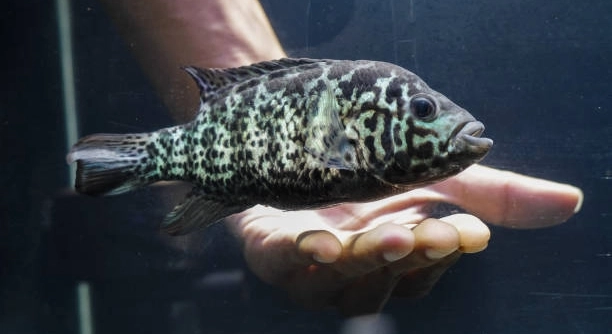
Jack Dempsey fish are popular among aquarists for their vibrant colors and lively personalities. These fish often show strong preferences for their environment, especially when it comes to choosing hiding spots. Their behavior reflects both instinct and comfort.
Jack Dempsey fish prefer specific caves because these locations provide shelter, territorial boundaries, and a sense of security. Caves reduce stress, support breeding behavior, and allow fish to establish dominance within their space, contributing to overall health and well-being in captivity.
Choosing the right cave is more than decoration, as it directly impacts their comfort, behavior, and long-term stability within an aquarium setting.
Understanding Jack Dempsey Fish Behavior
Jack Dempsey fish are naturally territorial and prefer environments where they feel safe and in control. In aquariums, caves serve as critical shelters where they can retreat when stressed or threatened. These hiding spots mimic their natural habitat, giving them a sense of security. When choosing caves, factors like size, shape, and material influence their preference. Fish often test several options before settling on one, showing a clear choice over time. Providing multiple caves can reduce conflicts between tank mates and encourage natural behavior. Observing their habits helps you understand their comfort levels and social interactions.
Having caves in the tank improves their well-being and reduces aggressive behavior significantly. They are more relaxed and confident in their space when a secure hiding place is available.
Caves also play a vital role in breeding. Jack Dempsey fish use secluded spots to lay eggs and protect their young. The right cave can encourage spawning and allow the parents to guard their territory effectively. Without proper hiding places, the fish may feel exposed, which increases stress and reduces natural behaviors. By offering a variety of caves, aquarists can create a balanced environment where territorial disputes are minimized, and each fish has a personal space. Over time, this arrangement supports healthier, more active fish that display vibrant colors and natural instincts consistently, making care easier and more rewarding.
Selecting the Right Cave
The material and size of the cave are important factors for Jack Dempsey fish. They prefer sturdy, non-toxic materials that feel secure and spacious enough to enter comfortably.
Choosing caves that match their natural instincts is essential for long-term health. Smooth rocks, ceramic structures, or hollow logs are ideal because they provide both safety and privacy. Avoid sharp edges or unstable objects that could injure the fish. Positioning caves strategically within the tank ensures each fish can claim a territory while reducing unnecessary conflicts. Multiple caves also allow subordinate fish to retreat without confrontation, creating a more harmonious environment. Lighting and placement matter, as darker, sheltered areas are often preferred. By observing their reactions to different caves, it’s possible to identify which ones make them feel most comfortable. Consistent monitoring ensures the tank remains a safe space where Jack Dempsey fish can exhibit natural behaviors, spawn successfully, and maintain vibrant health over time, making cave selection a crucial element of aquarium design.
Positioning Caves in the Aquarium
Caves should be placed in quiet areas of the tank where Jack Dempsey fish feel secure. Avoid high-traffic spots near filters or heaters. Positioning caves near natural hiding zones allows fish to retreat easily and reduces stress while maintaining clear swimming space for activity.
Proper placement supports territorial behavior while minimizing conflict. Jack Dempsey fish often stake out preferred caves and defend them against intruders. Arranging multiple caves at different heights and locations gives each fish a personal retreat. Observing their choices over time can help adjust placement to ensure all fish have access to a safe space. Strategic positioning enhances comfort, reduces stress, and encourages natural interaction patterns within the tank.
Placement also impacts breeding success. Fish feel more confident guarding eggs in well-positioned caves, and providing secluded spots reduces stress during spawning. Uneven or poorly arranged caves can cause fights or make subordinate fish feel exposed. By balancing accessibility, security, and visibility, aquarists can create a stable environment. This arrangement allows Jack Dempsey fish to thrive, express natural behaviors, and maintain vibrant health while coexisting peacefully. Careful observation ensures adjustments meet their needs effectively.
Cave Size and Shape Considerations
Jack Dempsey fish prefer caves that are slightly larger than their body, offering room to turn and hide. Small or narrow caves can cause stress and limit natural movement. Rounded entrances are favored over sharp corners for comfort.
Caves with irregular shapes provide extra shelter and security. Fish often explore crevices, and variations in shape make hiding more natural. Offering multiple shapes encourages activity while catering to territorial instincts. Selecting caves with durable, non-toxic materials ensures safety and longevity. Avoid overly smooth or slippery surfaces that may make fish feel insecure. Balancing size and shape supports comfort, reduces aggression, and encourages natural behaviors like resting, exploring, and guarding territory effectively.
The right cave shape can also influence dominance hierarchies. Jack Dempsey fish use spatial advantages to assert control, and well-designed caves give both dominant and subordinate fish space. Rounded or partially enclosed caves are preferred because they allow fish to retreat while still observing surroundings. Properly shaped caves reduce stress during conflicts and allow fish to feel secure during feeding or resting. By paying attention to size and contour, aquarists can foster a balanced tank environment that meets physical and behavioral needs, promoting healthier and more active fish consistently.
Material Choices for Caves
Jack Dempsey fish respond best to natural or ceramic materials. Rocks, resin, and untreated wood offer secure surfaces that feel familiar. Avoid plastics that can leach chemicals or sharp edges that may injure them. Proper material ensures safety and comfort.
Natural textures provide both grip and hiding appeal. Fish explore surfaces, scrape gently, and feel more at ease. Rough surfaces also encourage territorial behavior and reduce boredom. Choosing durable materials prevents caves from breaking, keeping fish safe over time.
Creating Multiple Hiding Spots
Providing several caves reduces aggression and allows fish to establish personal territories. Spreading hiding places throughout the tank supports natural social structure and minimizes stress.
Multiple options give Jack Dempsey fish control over their environment. Dominant fish can claim preferred caves while subordinate fish retreat without conflict. This arrangement promotes healthier interactions, lessens fighting, and encourages natural behaviors. Access to varied spaces also keeps fish active, curious, and confident.
Monitoring Fish Reactions
Observe how fish interact with caves after placement. Adjust positions if any fish appear stressed or excluded.
Fish behavior indicates comfort level. Active exploration, resting inside caves, and limited aggression show satisfaction.
FAQ
Why do Jack Dempsey fish need caves?
Caves provide shelter, security, and a personal territory for Jack Dempsey fish. They reduce stress and allow fish to display natural behaviors like resting, exploring, and guarding territory. Without hiding spots, fish may feel exposed, become aggressive, or show signs of anxiety. Proper caves improve overall health and well-being.
How many caves should I include in my tank?
The number of caves depends on the number of fish and tank size. Ideally, each fish should have at least one personal retreat. Additional caves help reduce conflicts, give subordinate fish space, and encourage natural behavior. Spacing caves across the tank prevents territorial disputes and ensures all fish feel safe.
What size cave is best for Jack Dempsey fish?
Caves should be slightly larger than the fish’s body, allowing them to turn and move comfortably. Narrow or cramped caves cause stress and limit movement. Rounded entrances and partial enclosures are preferred as they provide security while letting fish observe their surroundings. Proper sizing promotes healthy behavior and confidence.
Which materials are safe for aquarium caves?
Natural rocks, untreated wood, ceramic, and resin are safe choices. Avoid plastics or metals that can leach harmful chemicals. Smooth or rounded surfaces prevent injuries while providing grip and texture. Durable materials ensure long-term safety and maintain the tank’s aesthetic while supporting fish comfort.
Can cave placement affect aggression?
Yes, positioning caves strategically reduces aggression. Dominant fish claim preferred caves, while subordinate fish need access to alternate hiding spots. Multiple caves placed at different levels and locations help balance territories, minimize fighting, and allow fish to retreat safely when needed, keeping the tank environment stable and stress-free.
Do Jack Dempsey fish use caves for breeding?
Yes, caves are essential for breeding. They provide secluded, protected areas for egg-laying and guarding fry. Well-positioned caves encourage spawning behavior and give parents security. Lack of suitable caves can inhibit breeding or lead to stress-related issues during reproduction, reducing success rates.
How can I tell if a fish likes a cave?
Fish show preference by spending time inside or near the cave, exploring it repeatedly, and resting comfortably. Calm behavior, minimal hiding outside the cave, and limited aggression toward others indicate the fish feels secure. Observing interactions over time helps identify favored hiding spots.
Should caves be cleaned regularly?
Yes, regular cleaning prevents algae buildup, debris, and bacteria. Avoid harsh chemicals; instead, rinse caves in warm water or soak them briefly. Proper maintenance ensures caves remain safe, hygienic, and inviting, supporting fish health without causing stress or habitat disruption.
Is it okay to rearrange caves frequently?
Frequent changes can stress fish. Minor adjustments are acceptable to improve accessibility or reduce conflicts, but avoid moving all caves at once. Gradual repositioning helps fish adapt while maintaining their comfort, sense of territory, and security within the tank.
Can Jack Dempsey fish share caves?
Sharing depends on the individual fish and cave size. Dominant fish may exclude others from their preferred spots. Providing multiple caves ensures subordinate fish have alternatives, reducing stress and aggression. Observing social behavior helps determine if sharing is feasible or if more caves are needed.
Do cave decorations impact fish behavior?
Yes, caves with varied shapes, textures, and heights stimulate natural exploration and activity. Smooth surfaces and enclosed spaces provide comfort, while irregular formations encourage curiosity. Carefully selected decorations enhance the tank environment without compromising safety, supporting both territorial and playful behaviors effectively.
Are artificial caves as effective as natural ones?
Artificial caves made of ceramic or resin are often just as effective as natural materials if they are safe, durable, and appropriately sized. Texture and structure matter more than appearance. Fish respond to secure, comfortable spaces regardless of whether caves are natural or artificial.
How long does it take for fish to choose a cave?
Fish may take hours to days to settle on a preferred cave. They often explore multiple options before claiming one. Patience is important; giving fish time to adapt reduces stress and allows natural behaviors to emerge, ensuring they feel secure in their chosen hiding spot.
Can cave placement affect tank aesthetics?
Yes, caves can be arranged to look natural while supporting fish needs. Positioning at different levels, using various textures, and complementing plants or substrates creates a pleasing visual effect without compromising functionality or comfort for Jack Dempsey fish.
What should I avoid when providing caves?
Avoid sharp edges, unstable structures, and toxic materials. Overcrowding caves can increase stress, while insufficient hiding spots lead to aggression. Ensure caves are secure, appropriately sized, and evenly distributed to maintain both safety and natural behavior patterns in the tank.
How often should I add or replace caves?
Replacement is only necessary if caves are damaged or no longer safe. Adding new caves can help if the fish population grows or conflicts increase. Introducing new caves gradually allows fish to explore without causing territorial stress.
Do Jack Dempsey fish prefer dark or light caves?
Dark, enclosed caves are generally preferred as they feel secure and reduce exposure. Bright or open spaces may discourage use and increase stress. Observing fish behavior helps identify which caves are favored, allowing adjustments to improve comfort and territory management.
Can cave arrangements improve fish health?
Yes, proper cave arrangements reduce stress, aggression, and exposure to threats, directly supporting physical and mental health. Fish that feel secure are more active, maintain vibrant coloration, and exhibit normal behaviors, contributing to overall longevity and a balanced tank environment.
How important is observation for cave success?
Monitoring fish interactions with caves ensures comfort, safety, and reduced stress. Observing daily behaviors allows adjustments in placement, size, or number of caves. Regular attention helps maintain a harmonious tank where Jack Dempsey fish thrive naturally, supporting long-term health and stable social dynamics.
Do juvenile Jack Dempsey fish need different caves than adults?
Yes, juveniles prefer smaller, more secure hiding spots, while adults need larger caves to accommodate size and dominance behavior. Providing appropriately sized caves for each life stage ensures safety, reduces stress, and encourages natural development and social hierarchy formation.
Can plants be combined with caves effectively?
Yes, live or artificial plants complement caves by creating shade and additional hiding spots. Plants increase cover, reduce visibility for dominant fish, and enhance security. Combining vegetation with caves creates a natural, engaging environment, supporting exploration, territorial behavior, and stress reduction for Jack Dempsey fish.
Final Thoughts
Jack Dempsey fish are vibrant and active aquarium inhabitants, but their comfort and well-being depend heavily on the environment they are given. Providing appropriate caves is one of the most important steps in creating a stable and healthy tank. Caves serve as shelters where fish can retreat from stress, feel secure, and establish personal territories. Without proper hiding spaces, these fish can become aggressive, anxious, or withdrawn. Observing their behavior in relation to caves can give a clear sense of how comfortable they feel and how well they are adapting to the aquarium. The right cave allows a fish to rest, explore, and interact with its surroundings in a natural and confident way, supporting overall health and longevity.
Choosing the correct caves involves considering size, shape, material, and placement. Caves should be slightly larger than the fish itself to allow free movement while maintaining a sense of security. Rounded entrances or partially enclosed spaces are ideal because they give the fish a place to hide without feeling trapped. Durable and non-toxic materials such as ceramic, resin, or natural rocks are recommended to prevent injury or chemical exposure. Placement matters as well, as caves should be positioned in quieter areas of the tank where fish feel safe. Providing multiple caves spaced across the aquarium helps reduce conflicts, allows subordinate fish to retreat, and encourages natural territorial behavior. Well-chosen caves support breeding by providing secluded areas for eggs and fry while promoting calm and healthy interactions among all tank inhabitants.
Maintaining the tank environment is just as important as selecting the right caves. Regular cleaning of caves, checking for damage, and monitoring fish reactions ensures that the habitat remains safe and comfortable. Adjustments to cave placement or additions may be necessary as fish grow or social dynamics shift, but changes should be gradual to avoid causing stress. Combining caves with other features such as plants or textured surfaces can further enrich the environment and make it more natural and engaging. By carefully considering these factors, aquarists can create a space where Jack Dempsey fish thrive, exhibit natural behaviors, and maintain vibrant health. Observing, adapting, and providing suitable caves ensures a balanced, harmonious tank that supports the physical and behavioral needs of these remarkable fish.

Hello,
If you enjoy the content that we create, please consider saying a "Thank You!" by leaving a tip.
Every little bit helps us continue crafting quality advice that supports the health, happiness, and well-being of pets around the world, for pets of all shapes, sizes, and species.
We really appreciate the kindness and support that you show us!