
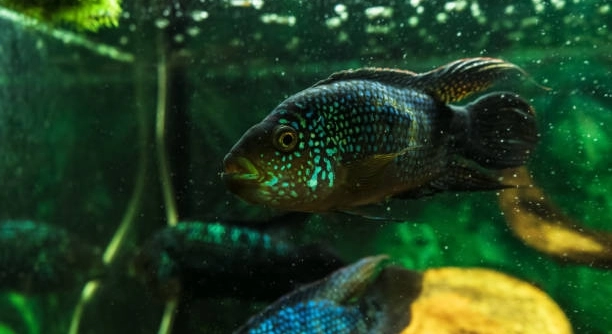
Have you ever noticed your Jack Dempsey fish acting differently around certain areas of the tank? These fish can show fascinating behaviors as they prepare to protect their young fry in their aquatic environment.
Jack Dempsey fish display several distinct signs when ready to protect fry, including guarding their nesting area, chasing intruders, increasing aggression, cleaning the nest, closely monitoring eggs or fry, staying near the young, and showing heightened alertness.
Observing these behaviors helps ensure the fry remain safe and allows owners to support their fish’s natural parenting instincts effectively.
Increased Territorial Behavior
When Jack Dempsey fish are preparing to protect their fry, one of the most noticeable signs is increased territorial behavior. They start patrolling the tank more actively, focusing on the area where eggs or fry are located. This behavior is a natural instinct to ensure nothing disturbs their young. Owners may notice the fish swimming aggressively near the nesting site, flaring fins, and chasing other fish that come too close. Even minor movements outside their territory can trigger defensive actions. This territoriality helps reduce the risk of predation and keeps the fry safe in the early stages of development. Over time, the fish may mark boundaries within the tank, often revisiting specific hiding spots or nest areas. Watching these behaviors can be both fascinating and informative, as it shows the fish actively prioritizing their offspring. Proper tank setup with enough space helps support these natural instincts.
Territorial behavior is often the first clear sign that Jack Dempsey fish are ready to protect their fry.
Observing this behavior closely allows owners to anticipate potential conflicts in the tank. It’s important to provide hiding spots or separate tank areas to prevent stress. The fish’s aggression is not aimed at humans but at other tank occupants. Maintaining a clean and well-organized environment supports healthy territorial displays. Understanding this behavior helps owners ensure the fry have the best chance of survival, minimizing stress and risk for both parents and young.
Nest Guarding and Cleaning
Nest guarding is another strong indicator that Jack Dempsey fish are ready to protect fry.
Parents will stay close to the eggs or fry, continuously monitoring them for threats while cleaning the area to maintain optimal conditions.
Nest cleaning involves removing debris, uneaten food, and sometimes moving the fry to safer locations. This behavior ensures the eggs have enough oxygen and reduces the chance of fungus or bacterial growth. Fish will fan the eggs with their fins to circulate water, which is crucial for healthy development. During this period, they may also adjust the nest structure by moving small pebbles or rearranging substrate. Maintaining this careful environment requires constant attention, which the parents provide instinctively. Owners can support this behavior by keeping the tank quiet, avoiding sudden movements, and limiting the presence of other fish near the nest. This stage is critical for the survival of the fry, and proper observation allows the fish to carry out their protective duties efficiently while minimizing stress on both parents and offspring.
Aggressive Displays Toward Intruders
Jack Dempsey fish become noticeably aggressive when anything approaches their nesting area. They flare their fins, open their mouths wide, and chase intruders away to protect eggs or fry. This behavior is natural and shows their readiness to defend their young.
These aggressive displays can involve both other fish and unusual movements near the tank. The parents focus on perceived threats, often patrolling the boundaries of their territory. They may swim rapidly, bump objects, or block access points to prevent intruders from coming close. This intensity is part of their survival instinct and is essential for keeping fry safe. Tank mates should be monitored carefully, and aggressive fish should have enough space to reduce conflicts. Watching these behaviors can feel intense, as the fish clearly prioritizes protection over all other activities, showing a strong parental commitment.
Even minor disturbances in the tank can trigger aggression. Jack Dempsey fish remain vigilant and often repeat these behaviors until they feel the fry are secure. Understanding these patterns helps manage the tank environment effectively and reduces stress on both the protective parents and the rest of the fish population. Regular observation allows owners to anticipate aggression and ensure all tank inhabitants remain safe.
Close Monitoring of Eggs or Fry
Parents stay near their eggs or fry almost constantly during this stage, watching every movement and reacting quickly to any potential danger. They rarely leave the nest area for extended periods.
Close monitoring involves the fish following fry movements, nudging them to safer areas, and keeping track of their location. The parents may also circle the nest repeatedly, ensuring no eggs are left exposed. This vigilant behavior helps reduce risks from water currents, leftover food, or other tank occupants. By staying close, Jack Dempsey fish can respond immediately if a threat arises, providing constant protection.
This stage requires the fish to invest significant energy in their offspring. Their focus on monitoring may affect feeding patterns, as parents prioritize guarding over eating. Maintaining a calm tank environment supports this behavior, allowing the fry to grow in a safer, more stable setting. Consistent observation lets owners notice any changes in fry health or parental behavior, ensuring timely interventions if necessary.
Flaring Fins and Body Posture
Jack Dempsey fish flare their fins and puff their bodies when guarding fry. This posture makes them appear larger and warns other fish to stay away from the nest.
The fish may also shift side to side, swim in tight circles, and maintain a low, alert stance. This constant display reinforces their protective role and signals dominance over the area.
Increased Responsiveness to Movement
Parents react quickly to any sudden movement near the nest. Even small disturbances from tank mates or humans can trigger chasing or defensive actions, showing how sensitive they are during this period.
Staying Close to Fry
Jack Dempsey fish rarely leave the immediate area around their young. They hover near eggs or fry, ensuring no threats go unnoticed.
This constant proximity helps the parents quickly guide fry to safety and maintain a secure environment, essential for healthy development.
FAQ
How can I tell if my Jack Dempsey fish are ready to protect fry?
You can notice several behaviors indicating readiness. They become more territorial, staying near their nest and chasing other fish away. Aggressive displays, flaring fins, and close monitoring of eggs or fry are also clear signs. Nest cleaning and rearranging the area often accompany these behaviors.
Why do Jack Dempsey fish flare their fins at other fish?
Flaring fins is a defensive behavior to protect their fry. It makes the fish appear larger and more threatening to intruders. This is a natural instinct and helps prevent other fish from approaching the nesting area. Observing this behavior shows the parents are focused on protection.
How long do Jack Dempsey parents stay near their fry?
Parents usually stay close to eggs and fry for several weeks, depending on the number of offspring and environmental conditions. During this period, they actively monitor the fry, guide them to safety, and maintain the nest. Leaving the fry unattended too early can increase risks from tank mates or water conditions.
What should I do if the fish become too aggressive?
It’s important to provide hiding spots and enough space in the tank. Avoid disturbing the nesting area, and make sure tank mates are compatible. Aggression is natural during this stage, but careful management reduces stress and prevents injuries to other fish.
Do Jack Dempsey fish eat their fry?
Occasionally, stressed or inexperienced parents may consume fry. This usually happens if the fish feel threatened or the eggs are unhealthy. Maintaining a calm tank environment, proper nutrition, and minimal disturbances reduces the chances of this happening. Healthy parents typically protect the fry diligently.
Can I separate the fry from the parents?
Yes, separating fry can prevent aggression, especially if the parents are overly protective. Use a breeding net or a separate tank to keep fry safe while allowing parents to remain in their territory. This also makes feeding and monitoring the fry easier.
How often should I check on my Jack Dempsey fry?
Observing the fry once or twice a day is sufficient. Frequent disturbances can stress the parents and fry. Look for signs of healthy growth, active swimming, and intact eggs. Avoid tapping the glass or making sudden movements near the nesting area.
What tank conditions support fry protection?
Stable water temperature, clean substrate, and minimal tank disturbances are essential. Provide hiding spots and maintain consistent filtration. Proper lighting and oxygenation also help parents stay focused on guarding the fry and supporting healthy development.
How do I know if the fry are safe?
Healthy fry swim actively, respond to parents’ guidance, and remain mostly in protected areas. Minimal signs of stress or injury indicate the nest is secure. Parents hovering nearby and continued defensive behavior are also positive signs of protection.
Can I feed the parents during this stage?
Yes, continue feeding lightly to maintain their energy, but avoid overfeeding near the nest. Use small portions and place food away from the eggs or fry to prevent contamination. Balanced nutrition helps the parents remain strong and vigilant.
What signs indicate parents are no longer protective?
Reduced aggression, less patrolling, and spending time away from the nest indicate the parents feel the fry are safer. Fry start exploring the tank more independently, and the parents gradually return to normal behaviors. This usually happens a few weeks after hatching.
Is it normal for parents to chase each other?
Yes, minor conflicts between the pair can occur, especially near the nest. This is part of territorial behavior and does not usually harm the fry. Keep an eye on interactions to ensure aggression doesn’t escalate and cause injuries.
How do I prevent stress in Jack Dempsey parents?
Limit sudden movements near the tank, avoid loud noises, and keep tank conditions stable. Providing proper nutrition, adequate space, and hiding areas reduces stress and allows parents to focus on protecting their fry effectively.
Can multiple pairs protect fry in the same tank?
It’s risky. Jack Dempsey fish are highly territorial. Multiple pairs in one tank can lead to aggression, stress, or predation on eggs and fry. If housing multiple pairs, ensure large tanks with clear separation and hiding areas to minimize conflicts.
What should I do if eggs start to look unhealthy?
Remove eggs showing fungus, discoloration, or damage to prevent contamination of healthy eggs. Clean the nesting area carefully and monitor the parents’ behavior. Proper water quality and minimal disturbances support the survival of remaining eggs and fry.
How important is tank size during fry protection?
A larger tank provides enough space for parents to patrol and defend their territory without constant confrontation. It also gives fry room to hide and explore safely. Small tanks increase stress and the risk of aggression or accidental predation by the parents or tank mates.
When can I start feeding the fry?
Fry can usually start feeding on infusoria or specialized fry food a few days after hatching. Parents may guide them toward food, but initial feedings should be small and frequent. Gradually introduce larger foods as the fry grow to support healthy development.
How do I handle overly aggressive parents?
If aggression becomes harmful to other fish or the fry, consider temporary separation. Use breeding nets or tank dividers to keep the fry safe while allowing the parents to remain in the tank. Minimize handling and disturbances to reduce stress during this period.
What role does water quality play in fry protection?
Clean, stable water is essential for both parents and fry. Poor water quality increases stress, disease risk, and the likelihood of egg loss or fry mortality. Regular monitoring and gentle water changes support natural protective behaviors and healthy fry growth.
How long does it take for fry to become independent?
Fry gradually gain independence over several weeks. Parents reduce protective behaviors as fry grow stronger, swim more actively, and explore beyond the nest. By this time, fry are better able to find food and avoid minor threats without constant supervision.
Can I keep the same tank setup for future breeding?
Yes, maintaining stable conditions, appropriate hiding spots, and a consistent feeding routine creates a reliable environment for future breeding. Observing previous protective behaviors helps anticipate needs and supports healthier fry development in subsequent batches.
Final Thoughts
Jack Dempsey fish are fascinating creatures, especially when they show parental instincts. Observing their behaviors around fry can teach a lot about their natural tendencies. They become more territorial, aggressive, and alert as they prepare to protect their young. These changes are noticeable and provide clear signs for owners that the fish are focused on guarding their offspring. Paying attention to these behaviors allows for better management of the tank environment, ensuring both parents and fry stay safe. Understanding these signs is not only interesting but also helps maintain the overall health and well-being of the fish.
Creating the right conditions for Jack Dempsey fish to protect fry is essential. A clean tank with enough space and hiding spots reduces stress and allows the parents to focus on guarding. Providing proper nutrition keeps them strong and attentive, which is important during the early stages of fry development. Limiting disturbances in the tank and monitoring interactions with other fish supports natural protective behaviors. By carefully observing their actions, owners can intervene only when necessary, allowing the parents to carry out their role effectively. This approach results in healthier fry and a more balanced tank ecosystem.
Being aware of these behaviors also helps anticipate challenges. Aggressive displays and constant vigilance are normal but can cause tension in a community tank. Providing adequate space, separate hiding areas, or temporary separation when needed can reduce conflicts. Watching the parents’ interactions, the condition of the nest, and the fry’s activity ensures that any issues are addressed quickly. Over time, fry gradually become more independent, and parental behaviors naturally decrease. By understanding and supporting these protective instincts, owners can enjoy the process of raising Jack Dempsey fry while maintaining a calm and safe environment for all tank inhabitants.

Hello,
If you enjoy the content that we create, please consider saying a "Thank You!" by leaving a tip.
Every little bit helps us continue crafting quality advice that supports the health, happiness, and well-being of pets around the world, for pets of all shapes, sizes, and species.
We really appreciate the kindness and support that you show us!