
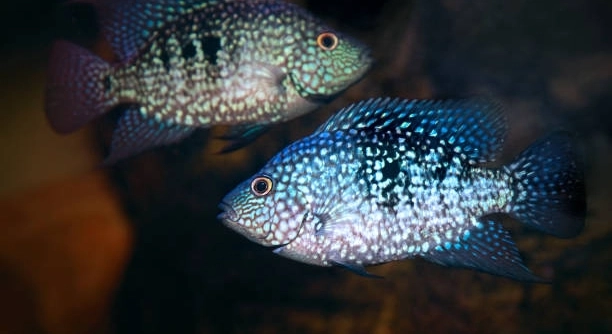
Have you ever noticed the way Jack Dempsey fish interact with each other in a tank? These colorful cichlids have strong personalities, and their behaviors can show surprising patterns, especially when they are kept with siblings or familiar companions.
Jack Dempsey fish do not form traditional sibling bonds, as their social behavior is largely territorial and competitive. While young fish may tolerate each other briefly, adult interactions are dominated by aggression and dominance rather than lasting familial attachment.
Observing their behaviors more closely can help you better understand their interactions and manage tank dynamics for a calmer environment.
Continue the blog post following the outline and format. Write in a simplistic style. Do not use a greeting. Make it feel slightly personal. Format the headers as h2 headers in Markdown formatting. Do not repeat yourself.; Outline and Format:; Header: xxxxxxxxxxxxxxxxxxx; 150 words paragraph; 50 word paragraph; 100 word paragraph; Header: xxxxxxxxxxxxxxxxxxx; 50 words paragraph; 200 words paragraph; Note: Do not use the words: “culprit”, “journey”, “scrumptious”, “enthusiast”, “friend”, “world of”. ; Note: Get straight to the point. Respect the given word count for every paragraph.
Tank Setup and Space
Providing enough space is essential for Jack Dempsey fish to reduce aggression. Overcrowded tanks increase stress and fights, especially among siblings. A larger tank with hiding spots allows each fish to claim a territory, which helps keep interactions calmer.
A tank of at least 55 gallons is recommended for a pair or small group of Jack Dempseys. Adding rocks, caves, and plants creates separate zones where fish can retreat when threatened. Open swimming areas combined with hiding spaces allow dominant fish to patrol their territory while giving others safe spots. The layout influences how often conflicts occur, and rearranging decorations occasionally prevents established dominance patterns from becoming too rigid. Proper spacing reduces stress and supports healthier fish behavior over time.
Water quality and temperature play key roles in reducing aggression. Stable conditions keep fish comfortable and less likely to attack, while poor water parameters can trigger stress-related fights. Regular maintenance and monitoring help maintain balance.
Feeding Practices
Feeding in multiple locations prevents food competition among Jack Dempsey fish.
Distributing food evenly across the tank reduces chasing and fights during feeding times. Dominant fish tend to monopolize food in a single spot, increasing aggression and stress. Feeding at the same time daily helps establish routine and reduces anxiety.
High-quality pellets and occasional live or frozen foods support proper growth and overall health. Offering a balanced diet ensures that all fish receive nutrients, which can reduce irritability caused by hunger. Observing feeding behavior helps identify shy or weaker fish that might need extra attention. Maintaining a consistent feeding schedule combined with proper portions prevents overfeeding and minimizes water quality issues, which in turn reduces stress and aggressive behavior in the tank.
Observing Aggression
Watching your Jack Dempsey fish daily helps identify early signs of aggression. Fin flaring, chasing, or hiding frequently indicates stress or territorial disputes. Addressing these behaviors early prevents serious injury.
Separating overly aggressive fish or adding extra hiding spots can quickly reduce tension. Observation allows you to intervene before conflicts escalate.
Compatible Tank Mates
Choosing tank mates carefully minimizes conflicts. Smaller, passive fish may become targets, while other aggressive cichlids may compete. Matching size and temperament is important.
Jack Dempsey fish are best kept with other medium to large cichlids that can hold their ground. Avoid overly timid species that will be bullied or stressed. Providing enough space and visual barriers helps maintain balance, allowing all fish to coexist. Observation is necessary when introducing new tank mates, as initial skirmishes are common. Adjusting decorations, hiding spots, or even temporarily separating aggressive individuals ensures a safer, calmer tank. Choosing compatible companions reduces overall stress for everyone.
Monitoring Health
Aggression can affect fish health. Injuries and stress weaken their immune system, making regular checks essential.
Keeping an eye on wounds, behavior, and appetite helps detect problems early before they become serious.
FAQ
Do Jack Dempsey fish ever recognize their siblings?
Jack Dempsey fish do not form long-term sibling recognition. While young fish may swim together without immediate conflict, their interactions are mainly guided by territory and dominance. Any tolerance between siblings is temporary and usually ends as the fish mature. Adults focus on defending their space rather than maintaining familial bonds.
How can I reduce aggression between siblings in a tank?
Reducing aggression starts with providing a large tank and plenty of hiding spots. Rearranging decorations occasionally breaks established territorial patterns, helping to prevent constant fights. Feeding in multiple areas and maintaining stable water conditions also lowers stress, which decreases aggressive behavior. Observation is essential to identify fish that may need temporary separation.
Are Jack Dempsey fish more aggressive than other cichlids?
Jack Dempseys are considered moderately aggressive compared to other cichlids. Their bold personalities and territorial instincts make them dominant in shared spaces. Aggression varies by individual and tank setup, but their behavior is natural and should be expected when establishing hierarchy. Managing space, decorations, and compatible tank mates reduces unnecessary conflict.
Can siblings ever live peacefully together?
Siblings can coexist peacefully for a short time if the tank is spacious and has plenty of hiding places. However, as they grow, territorial disputes are likely. Careful monitoring, feeding management, and adjusting decorations can prolong harmony, but permanent peaceful coexistence is uncommon. Adult dominance generally outweighs familial tolerance.
Does tank size influence sibling behavior?
Tank size plays a major role in aggression management. Larger tanks provide separate territories for each fish, reducing encounters and stress. Overcrowding increases fights and tension, especially among siblings. Providing zones and visual barriers helps establish boundaries, allowing fish to coexist more comfortably.
What are signs of stress or conflict among siblings?
Stress or conflict is shown through frequent chasing, hiding, or fin damage. Fish may refuse food or show unusual swimming patterns. These signs indicate tension in the tank and suggest intervention is needed. Rearranging decorations, adding hiding spots, or temporarily separating aggressive fish helps relieve stress.
How often should I check interactions between siblings?
Daily observation is recommended. Early detection of aggression allows quick adjustments before injuries occur. Watch for patterns in chasing, displays of dominance, and feeding competition. Consistent monitoring ensures that all fish remain healthy and reduces the risk of long-term stress or harm.
Does diet impact aggression levels?
Yes, diet affects behavior. Hungry or underfed fish are more likely to fight. Feeding high-quality pellets along with occasional live or frozen foods ensures proper nutrition. Spreading food in multiple locations helps prevent dominant fish from monopolizing resources and reduces tension among siblings.
Are there compatible fish that can live with Jack Dempsey siblings?
Medium to large cichlids with similar temperaments are usually compatible. Avoid very small or timid species that may be bullied. Providing hiding spots and enough space ensures all fish can establish territories without constant conflict. Observation during introductions is crucial to identify and separate incompatible individuals.
Do Jack Dempsey fish show bonding in any form?
Bonding in the human sense is not present. While young fish may tolerate each other briefly, interactions are primarily driven by hierarchy and survival instincts. Any cooperative behavior is situational, such as shared territory for safety or schooling in early life stages. Adult siblings rarely form lasting social attachments.
How can I prevent injuries among siblings?
Prevent injuries by providing a large, well-decorated tank with hiding spots. Monitor interactions closely and separate aggressive individuals if necessary. Feeding in multiple locations and maintaining proper water conditions reduces stress, which also lowers the likelihood of fights. Regular maintenance and observation are key to keeping fish safe.
Can siblings be housed with other aggressive species safely?
Yes, but careful selection is necessary. Pairing with similarly sized and temperamented fish works best. Ensure sufficient space, hiding spots, and visual barriers. Observe interactions closely and be prepared to adjust tank layout or separate individuals if aggression escalates. Compatibility reduces stress and keeps the tank balanced.
Do Jack Dempseys fight more as they age?
Aggression generally increases with age. Young fish are more tolerant, but as they mature, territorial instincts dominate. Adult fish compete for dominance, space, and food. Managing tank size, hiding places, and feeding strategies helps control conflict but cannot eliminate natural aggressive tendencies.
What should I do if fights break out among siblings?
Immediate steps include separating aggressive fish, adding hiding spots, and rearranging decorations. Monitor injured fish and maintain water quality to prevent infection. Adjusting feeding methods, tank layout, and spacing can prevent repeat conflicts. Consistent observation is the best way to maintain a peaceful environment.
Is aggression among siblings permanent?
Aggression tends to persist, especially in adults. While temporary tolerance can occur in young fish, dominance and territorial instincts usually take over. Proper tank management can minimize conflicts, but natural behaviors mean fights may continue intermittently. Regular monitoring and interventions help reduce stress and injury.
Do Jack Dempseys interact differently with siblings than non-siblings?
There is little difference in behavior between siblings and non-siblings. Territorial instincts drive most interactions, so any tolerance seen in young siblings is temporary. Adult behavior is influenced by space, tank layout, and hierarchy rather than familial recognition. Siblings are treated like any other tank mate when maturity is reached.
How long can siblings tolerate each other?
Tolerance is generally short-term. Juvenile fish may swim together peacefully, but as they grow, aggression increases. With careful tank design, feeding management, and hiding spaces, conflicts can be minimized. True, lasting sibling bonds do not form, and adult interactions are dictated by dominance and territory rather than family.
Final Thoughts
Jack Dempsey fish are fascinating and vibrant, but their behavior is largely shaped by territory and dominance rather than social bonds. While it can be tempting to expect sibling fish to interact peacefully, their natural instincts often take over as they mature. Young fish may tolerate each other for a short time, swimming near one another and sharing space without major issues. However, as they grow, their interactions become dominated by competition for food, space, and hierarchy. This is a normal part of their behavior and should be expected when keeping multiple Jack Dempseys in the same tank. Recognizing this helps set realistic expectations for how siblings will coexist and prevents frustration for anyone managing a tank.
Managing a tank with multiple Jack Dempsey fish requires attention to space, decorations, and hiding spots. A larger tank allows each fish to claim its own territory, which reduces the frequency of aggressive interactions. Adding rocks, caves, and plants gives fish places to retreat when they feel threatened, which can significantly reduce stress and fighting. Rearranging these decorations periodically can also help prevent rigid territorial patterns, giving all fish a chance to reset boundaries. Feeding strategies play an important role as well. Distributing food in multiple areas ensures that dominant fish do not monopolize resources, reducing competition and stress. Maintaining proper water conditions and monitoring the fish regularly helps catch any early signs of aggression or injury. Overall, careful tank management is essential to provide a healthier environment where all Jack Dempseys can coexist with fewer conflicts.
Even though Jack Dempsey fish do not form lasting sibling bonds, observing their interactions can be rewarding. Understanding their behavior allows you to anticipate potential conflicts and address them before they escalate. By providing adequate space, hiding spots, proper nutrition, and stable water conditions, it is possible to create a tank environment where aggression is minimized, and fish can thrive. The key is consistency in observation and intervention when necessary. While sibling bonds in the traditional sense do not develop, the relationships that form are guided by natural instincts and survival. Accepting their behavior for what it is makes tank management simpler and more successful. With patience and attention, keeping multiple Jack Dempsey fish can be a satisfying experience, and watching them establish their territories provides a clear view into their unique and bold personalities.

Hello,
If you enjoy the content that we create, please consider saying a "Thank You!" by leaving a tip.
Every little bit helps us continue crafting quality advice that supports the health, happiness, and well-being of pets around the world, for pets of all shapes, sizes, and species.
We really appreciate the kindness and support that you show us!