
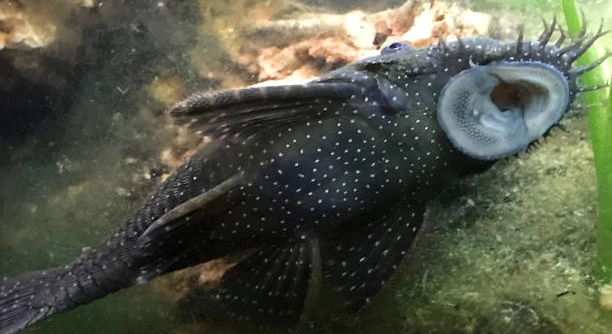
Bristlenose plecos are small, peaceful fish that bring charm to any aquarium. Observing their behaviors can reveal their comfort levels and overall happiness. Recognizing their positive traits helps ensure they thrive in a healthy environment.
Happy bristlenose plecos display clear behavioral and physical indicators. These include active swimming, proper feeding habits, bright coloration, healthy fins, regular breathing patterns, social interactions with tank mates, and consistent territorial behaviors, all of which reflect their wellbeing and contentment.
Learning to read these traits allows you to provide better care. Understanding their signs of happiness strengthens your connection and ensures a thriving aquarium.
Active Swimming
Bristlenose plecos that are happy spend much of their time swimming around the tank. They glide gracefully over surfaces and explore different areas without hesitation. Active swimming indicates that their environment meets their needs for water quality, temperature, and space. Watching them move energetically is a sign they feel secure. They will often hover near the filter or decorations, testing currents and examining hiding spots. Their fins remain fully extended during movement, showing strength and vitality. A lethargic fish, on the other hand, might stay in one corner or hide constantly, which signals stress or illness. Observing their patterns daily can help you spot any sudden changes in activity levels. Providing enough space, smooth surfaces, and clean water encourages movement and reduces stress. Their energy levels often mirror the overall health of the tank, including the balance of nutrients and oxygen levels. Active swimming is one of the most visible and reliable signs of a content bristlenose pleco.
Active swimming reflects comfort and wellbeing, showing the fish feels safe and healthy in its environment.
Maintaining activity requires proper water conditions and diet. Ensuring the tank is clean, oxygenated, and free from sharp decorations prevents injury. A varied diet of algae wafers, vegetables, and occasional protein supplements keeps energy levels high. Regular observation helps you notice when activity drops, allowing quick adjustments. Small tankmates or overcrowding can reduce movement, so space management is crucial. Active swimming also encourages natural behaviors like grazing and exploring, which are essential for mental stimulation. When bristlenose plecos move confidently, it signals trust in their surroundings and satisfaction with their habitat, making it easier to monitor their overall health and wellbeing.
Proper Feeding Habits
Happy bristlenose plecos show interest in food and eat consistently. They approach feeding times eagerly and consume their meals thoroughly.
A steady feeding routine indicates comfort and proper digestion. Feeding behaviors are influenced by both diet quality and tank conditions, which must be maintained to support health.
Providing a balanced diet is essential. Algae wafers, fresh vegetables like zucchini or cucumber, and occasional protein-based foods ensure they receive the nutrients necessary for growth and energy. Observing how they eat helps detect early signs of stress or illness. Skipping meals, leaving uneaten food, or showing disinterest can signal water quality issues or sickness. Feeding at consistent times reinforces routine, reducing stress and promoting natural grazing behaviors. Maintaining clean surfaces and avoiding overfeeding also prevents water contamination, which can affect health. Proper feeding fosters growth, strengthens immunity, and keeps your pleco active. By paying attention to how and when your bristlenose pleco eats, you can ensure they remain happy and healthy while supporting their natural behaviors.
Bright Coloration
Healthy bristlenose plecos display vibrant, consistent colors across their bodies. Dull or faded coloration can signal stress, poor water quality, or illness, while bright patterns indicate overall wellbeing and contentment.
Maintaining water quality is crucial for their coloration. Regular water changes, proper filtration, and stable temperature levels help preserve vibrant hues. Diet also plays a significant role; feeding fresh vegetables and nutrient-rich algae wafers supports pigmentation. Lighting impacts how colors appear, so using appropriate aquarium lights enhances their natural shades. Stress from overcrowding or aggressive tankmates can dull their appearance, making it important to monitor interactions. Bright, vivid coloration reflects both physical health and mental comfort, allowing you to gauge your pleco’s happiness at a glance.
Bright coloration also indicates proper nutrition and strong immunity. When plecos display these visual signs, it reflects their ability to thrive, adapt, and interact positively with the environment. Consistent observation of color changes helps detect issues early.
Healthy Fins
Bristlenose plecos with healthy fins have no tears, fraying, or discoloration. Their fins are fully extended during swimming and remain strong, showing good health and freedom from injury or infection.
Proper tank conditions prevent fin damage. Clean water, smooth decorations, and gentle tankmates reduce the risk of tears or infections. Regular observation is essential to detect early signs of fin rot or injury, which can occur from rough handling or poor water quality. Feeding a balanced diet supports fin growth and overall vitality. Strong, intact fins allow them to swim efficiently, maintain balance, and express natural behaviors, reflecting their wellbeing. Monitoring fin health is a reliable way to assess your pleco’s happiness and environmental comfort.
Regular Breathing Patterns
Happy bristlenose plecos exhibit steady, even breathing. Rapid or labored gill movement often indicates stress, poor water quality, or illness, while calm, rhythmic breathing reflects comfort and proper oxygen levels in the tank.
Observing gill movement daily helps monitor health. Consistent, unhurried breaths show the fish is relaxed and adapting well to its environment.
Social Interactions
Bristlenose plecos interact peacefully with tankmates. They may share hiding spots, graze near each other, and show minimal aggression, demonstrating comfort and contentment within their community.
Consistent Territorial Behavior
Plecos maintain and patrol specific areas of the tank. Consistent use of hiding spots and defined territories shows confidence and satisfaction with their surroundings, reducing stress and promoting natural behavior patterns.
Grazing on Surfaces
Happy plecos spend time grazing algae or biofilm from tank surfaces. This natural behavior supports their diet, keeps the tank clean, and reflects mental engagement and physical health.
FAQ
How can I tell if my bristlenose pleco is happy?
A happy bristlenose pleco shows several clear signs. Look for active swimming, consistent feeding, bright coloration, healthy fins, steady breathing, social behavior with tankmates, and regular use of hiding spots. Each of these behaviors reflects comfort and wellbeing in the tank environment.
Why does my pleco sometimes hide all day?
Hiding is normal for bristlenose plecos, especially during the day, since they are naturally nocturnal. They feel safest in caves or under decorations. However, excessive hiding combined with reduced feeding or dull coloration could indicate stress, poor water conditions, or illness.
What should I feed my bristlenose pleco?
A balanced diet is essential. Algae wafers provide consistent nutrition, while fresh vegetables like zucchini, cucumber, and spinach support healthy growth. Occasionally offering protein-based foods such as shrimp pellets or bloodworms can add variety and promote strong fins and overall vitality.
How often should I clean my tank?
Regular maintenance supports pleco happiness. Perform partial water changes weekly, removing debris and uneaten food. Clean filters and monitor water parameters like ammonia, nitrite, nitrate, and pH to maintain stable, healthy conditions. Consistency prevents stress and encourages natural behavior patterns.
Can plecos live with other fish?
Yes, bristlenose plecos are generally peaceful and compatible with community tanks. Avoid aggressive or very large species that may bully them. Provide ample hiding spots and decorations to reduce territorial disputes, allowing multiple plecos or other peaceful fish to coexist comfortably.
What water conditions are best for bristlenose plecos?
Maintain a temperature between 73–81°F (23–27°C) with a pH of 6.5–7.5. Soft to moderately hard water is ideal. Stable conditions prevent stress, preserve vibrant coloration, and reduce the risk of illness. Proper filtration and aeration are also critical to their overall wellbeing.
Why is my pleco losing color?
Fading coloration can indicate stress, poor water quality, illness, or inadequate nutrition. Check water parameters, improve diet, and ensure sufficient hiding spots. Bright colors return when the fish is healthy, comfortable, and receiving proper care.
How do plecos interact with each other?
They display mild social behavior, grazing side by side or sharing caves. Territorial disputes are rare but can occur if space is limited. Observing interactions helps assess comfort levels and ensures a harmonious tank environment.
How can I reduce stress for my pleco?
Provide clean water, stable temperature, hiding spots, and a balanced diet. Avoid overcrowding or aggressive tankmates. Regular observation helps detect early signs of stress, such as lethargy or fin damage, allowing prompt adjustments to maintain their wellbeing.
Are plecos active during the day or night?
Bristlenose plecos are mostly nocturnal. They are more active at night or during dim lighting, grazing and exploring the tank. Daytime activity may increase in low-stress environments, but normal behavior includes resting in hiding spots during daylight hours.
Can I have multiple bristlenose plecos in one tank?
Yes, multiple plecos can coexist if the tank is large enough and has sufficient hiding spots. Each fish may claim its own territory. Adequate space and decorations reduce conflicts and encourage healthy grazing and exploration behavior.
How do I know if my pleco is sick?
Signs include loss of appetite, rapid breathing, frayed fins, dull coloration, excessive hiding, or unusual swimming patterns. Early detection and addressing water quality, diet, or potential disease treatments improve recovery chances.
How important are decorations for plecos?
Caves, driftwood, and hiding spots are essential for security and natural behaviors. Driftwood also supports digestion and provides surfaces for algae growth, which encourages grazing and keeps plecos mentally and physically engaged.
Do plecos need a special tank setup?
They require a tank with smooth surfaces, adequate space, and good water quality. Decorations for hiding, moderate lighting, and proper filtration make them feel secure and promote active, healthy behavior. A well-maintained environment directly affects their happiness and longevity.
How long do bristlenose plecos live?
With proper care, bristlenose plecos can live 5–10 years or longer. Maintaining water quality, providing a balanced diet, and monitoring health ensures they remain active, colorful, and content throughout their lifespan.
What should I do if my pleco stops eating?
Check water parameters, diet, and tankmates. Offer a variety of fresh vegetables or algae wafers. Observe for illness or stress signs. Prompt action helps prevent health decline and restores appetite.
Can plecos recognize their owners?
While they do not form attachments like mammals, plecos can recognize regular feeding and respond to movement near the tank. Consistent care and feeding routines build familiarity and reduce stress.
Why is my pleco scraping surfaces?
Scraping is normal grazing behavior. They feed on algae, biofilm, and leftover food, keeping the tank clean while satisfying natural instincts. Ensuring a balanced diet prevents excessive scraping or damage to surfaces.
Do plecos need a varied diet?
Yes, variety supports growth, immune function, and coloration. Combining algae wafers, fresh vegetables, and occasional protein supplements ensures nutritional balance and encourages natural foraging behavior.
How can I encourage my pleco to be more active?
Provide a spacious tank, hiding spots, clean water, and a balanced diet. Nighttime lighting or dim conditions stimulate natural nocturnal activity. Interaction with the environment encourages grazing, exploration, and healthy swimming.
What are common mistakes that affect pleco happiness?
Poor water quality, overcrowding, inadequate diet, lack of hiding spots, and aggressive tankmates are frequent issues. Monitoring these factors and making adjustments keeps plecos active, colorful, and stress-free.
How do I maintain a healthy pleco tank long-term?
Perform regular water changes, monitor parameters, maintain proper temperature and pH, provide a balanced diet, and ensure decorations for hiding. Consistent observation and care prevent illness and support long-term happiness and wellbeing.
Can plecos live alone?
Yes, bristlenose plecos can thrive alone if their environment is enriched with hiding spots and algae growth. They may be less active without tankmates but will remain healthy with proper care.
What signs show my pleco is fully comfortable?
Active swimming, bright colors, consistent feeding, healthy fins, calm breathing, social grazing, and confident use of hiding spots all indicate comfort and contentment. Regular observation ensures these behaviors continue.
How do I introduce a new pleco to an existing tank?
Provide ample space, separate hiding spots, and monitor interactions. Gradual introduction helps reduce stress and prevents territorial disputes, allowing the new pleco to settle and exhibit natural behaviors.
Are plecos sensitive to water changes?
They tolerate gradual water changes well but sudden shifts in temperature, pH, or hardness can cause stress. Maintaining stable, consistent conditions ensures long-term health and happiness.
How often should I check on my pleco?
Daily observation is recommended. Watch for feeding, activity, coloration, breathing, and interactions. Early detection of issues allows prompt care and supports ongoing wellbeing.
Do plecos need supplements?
Occasional calcium or vitamin supplements support growth and fin health, especially if diet lacks variety. Providing fresh vegetables and nutrient-rich algae wafers often covers most nutritional needs.
What is the ideal tank size for bristlenose plecos?
A minimum of 20 gallons is recommended for one pleco. Larger tanks allow multiple fish, encourage natural behaviors, and reduce territorial stress, supporting active and happy fish.
Can stress affect my pleco’s lifespan?
Yes, chronic stress from poor water quality, overcrowding, or aggressive tankmates can reduce lifespan. Maintaining a stable, enriched environment helps plecos thrive for many years.
How do I know if my pleco is eating enough?
Monitor leftover food, observe grazing on surfaces, and check weight and coloration. Consistent appetite and active behavior indicate proper nutrition and wellbeing.
Do plecos require special lighting?
Moderate lighting supports algae growth and natural behavior. Bright lighting may cause stress, while too little limits grazing opportunities. A balance ensures comfort and activity.
Can plecos breed in a community tank?
Yes, with proper hiding spots and suitable conditions, males will guard eggs in caves. Observing breeding behavior shows comfort and a secure environment.
How important is tank decoration for hiding?
Decorations reduce stress and provide security. Driftwood, rocks, and caves allow natural territorial behavior and resting places, supporting physical and mental health.
What should I do if my pleco shows sudden behavioral changes?
Check water quality, diet, and tankmate interactions immediately. Sudden lethargy, color loss, or erratic swimming often indicates stress or illness requiring prompt attention.
Can plecos adapt to new environments quickly?
Gradual acclimation is essential. Sudden changes can stress them. Introduce new water slowly, provide hiding spots, and maintain familiar conditions to encourage adaptation.
Are bristlenose plecos easy to care for?
Yes, with consistent water maintenance, proper diet, and observation, they are low-maintenance fish. Attentive care ensures long-term health, vibrant colors, and happy behavior.
How long does it take for plecos to show happiness in a new tank?
It may take several days to a few weeks. Once comfortable, they exhibit active swimming, bright coloration, regular feeding, and grazing behaviors, reflecting adjustment to their environment.
Can plecos live with shrimp or snails?
Yes, peaceful invertebrates coexist well. Ensure space and hiding spots to reduce competition. Plecos may graze nearby without harming them, supporting a balanced community tank.
Do plecos need a specific diet at night?
No, they graze naturally during nighttime. Ensure ample algae and prepared foods are available. Feeding schedules should support nocturnal activity without overfeeding.
How do I prevent disease in plecos?
Maintain clean water, balanced diet, proper temperature, and avoid overcrowding. Quarantine new additions and observe for early signs of illness. Prompt action preserves long-term health.
Can plecos get bored?
Yes, lack of hiding spots, algae, or stimulation can reduce activity. Providing decorations, driftwood, and varied feeding opportunities keeps them engaged and mentally healthy.
What is the best substrate for plecos?
Smooth sand or fine gravel protects fins and allows natural grazing. Sharp or rough surfaces can cause injury, affecting health and happiness.
Are plecos sensitive to sudden movements outside the tank?
They may react to shadows or vibrations but generally adapt quickly if their environment is stable. Frequent disturbances can increase stress levels.
How do I tell if my pleco is stressed?
Signs include dull coloration, rapid breathing, hiding, loss of appetite, fin damage, or erratic swimming. Observing these behaviors early allows intervention to restore comfort.
Do plecos require a companion?
Not necessarily. They are independent but benefit from environmental enrichment. Multiple plecos can coexist if space and hiding spots are sufficient.
Can plecos eat live plants?
Some nibbling may occur, but bristlenose plecos primarily graze algae and biofilm. Hardy plants are usually safe, though delicate species may need protection.
How do I encourage natural grazing behavior?
Provide algae-covered surfaces, driftwood, and vegetables. This allows plecos to feed actively and reduces boredom, promoting both mental and physical health.
Are plecos territorial?
Yes, they claim specific hiding spots or areas. Adequate space and multiple hiding places reduce conflicts, allowing coexistence in community tanks.
What water temperature is optimal for plecos?
Maintain 73–81°F (23–27°C). Stable temperature supports metabolism, feeding, and activity, ensuring overall wellbeing.
How important is tank size for multiple plecos?
Larger tanks prevent overcrowding, reduce territorial disputes, and promote natural behaviors. A minimum of 20 gallons per pleco is recommended.
Do plecos require driftwood?
Yes, driftwood aids digestion and provides surfaces for algae growth. It also serves as a hiding place and contributes to mental stimulation.
How do I spot early illness in plecos?
Watch for changes in appetite, activity, coloration, breathing, or fins. Early detection allows swift intervention and better recovery outcomes.
Can plecos coexist with aggressive fish?
No, aggressive species may harm plecos, stress them, or compete for food. Choosing peaceful tankmates ensures safety and comfort.
Do plecos need oxygen supplementation?
Proper filtration and aeration usually suffice. Monitoring gill movement helps identify oxygen deficiencies that may require adjustments.
How long should I feed plecos daily?
Provide enough food for active grazing without overfeeding. Daily observation ensures appropriate consumption and prevents water contamination.
Can plecos live in planted tanks?
Yes, as long as plants are hardy and decorations provide grazing surfaces. Driftwood and algae encourage natural behavior while protecting vegetation.
Do plecos recognize feeding routines?
Yes, they learn feeding schedules and respond with anticipation. Consistency reduces stress and reinforces natural behavior.
How do I prevent fin damage?
Smooth surfaces, non-aggressive tankmates, proper diet, and clean water minimize injury. Damaged fins can heal if underlying causes are addressed.
Can plecos thrive in low-light tanks?
Yes, but sufficient grazing surfaces and algae must be available. Moderate lighting supports natural activity without causing stress.
Are plecos sensitive to pH changes?
Yes, sudden pH fluctuations can stress them. Maintain 6.5–7.5 for stability, health, and natural behavior.
How do I acclimate a new pleco?
Float the bag in the tank to equalize temperature, gradually mix tank water, and release slowly. This reduces stress and encourages natural behavior.
Do plecos need a varied diet for color?
Yes, fresh vegetables and nutrient-rich foods support bright coloration, overall health, and vitality.
How can I tell if my pleco is content with its environment?
Active swimming, healthy fins, bright color, grazing, consistent feeding, and calm breathing all indicate satisfaction and comfort in the tank.
Is overcrowding harmful to plecos?
Yes, it increases stress, aggression, and reduces hiding opportunities. Adequate space ensures healthy behavior and long-term happiness.
Can plecos be kept with cichlids?
Only peaceful or similarly sized cichlids are suitable. Aggressive species may harm plecos or restrict their movement.
Do plecos need caves or hiding places?
Yes, caves provide security, encourage natural territorial behavior, and reduce stress. Multiple hiding spots prevent conflicts among tankmates.
How do I encourage breeding in bristlenose plecos?
Provide caves, proper water parameters, a balanced diet, and stable conditions. Males will guard eggs, reflecting comfort and readiness to breed.
Can plecos live in cold water?
No, temperatures below 73°F (23°C) slow metabolism, reduce activity, and increase susceptibility to illness. Maintain stable, appropriate temperatures.
How important is tank filtration?
Filtration maintains clean water, reduces stress, and supports healthy gill function. Proper flow and oxygenation are essential for wellbeing.
Do plecos need calcium supplements?
Optional if diet is varied. Calcium supports fin health, growth, and overall vitality.
Can plecos adapt to different tank setups?
Gradually, yes. Stable water conditions, hiding spots, and proper diet support adaptation and continued wellbeing.
How do I know if my pleco is bored?
Reduced activity, lack of grazing, or constant hiding may indicate boredom. Enrichment through decorations and grazing surfaces keeps them engaged.
Are plecos good for beginners?
Yes, they are hardy, peaceful, and low-maintenance when proper water conditions, diet, and space are provided. Observation ensures ongoing health.
How long can plecos go without food?
They can survive a few days due to grazing behavior, but consistent feeding and algae availability are essential for long-term health.
Do plecos need specific water hardness?
Soft to moderately hard water supports health, growth, and proper mineral balance. Sudden changes may cause stress or illness.
Can plecos tolerate tankmates of the same species?
Yes, with enough space and hiding spots. Territorial behavior is minimized when the tank is well-structured.
How can I improve pleco wellbeing quickly?
Check water quality, provide proper diet, ensure hiding spots, and remove stressors. Immediate improvements encourage activity, color, and healthy behavior.
Do plecos need a varied diet for health?
Yes, vegetables, algae wafers, and occasional protein supplements maintain energy, growth, and immune function.
Can plecos live in brackish water?
No, they require freshwater. Salt or brackish conditions stress them and can lead to illness.
What are the most important factors for pleco happiness?
Stable water conditions, proper diet, sufficient space, hiding spots, peaceful tankmates, and mental stimulation ensure thriving, active, and content fish.
How do I monitor pleco health daily?
Observe swimming, breathing, coloration, fins, feeding, and social behavior. Early detection of changes allows prompt care and maintains happiness.
Do plecos need a heater?
Yes, a heater ensures stable temperatures within their preferred 73–81°F (23–27°C) range, preventing stress and supporting health.
How can I encourage grazing behavior at night?
Provide algae-coated surfaces, driftwood, and fresh vegetables. Dim lighting encourages nocturnal activity and natural feeding habits.
Can plecos live with bettas?
Generally yes, if bettas are not overly aggressive. Ensure ample space and hiding spots for pleco comfort.
Do plecos need water softeners?
Only if tap water is very hard. Most moderately hard water is suitable. Monitoring pH and hardness ensures a healthy environment.
How do I know if my pleco is fully adjusted to a new tank?
Active swimming, consistent feeding, bright colors, grazing, and confident use of hiding spots indicate successful adjustment.
Can plecos live with goldfish?
Yes, if the tank is spacious and temperatures are compatible. Goldfish may stir substrate, so hiding spots are essential.
Are plecos compatible with shrimp?
Yes, they generally coexist peacefully. Ensure adequate grazing and hiding spaces for both species to thrive.
Do plecos need a diet change with seasons?
Not necessarily. Maintaining balanced nutrition year-round ensures health, color, and activity regardless of seasonal changes.
How do I prevent pleco aggression?
Provide sufficient space, hiding spots, and peaceful tankmates. Avoid overcrowding to minimize
Final Thoughts
Bristlenose plecos are fascinating and gentle fish that bring life and activity to any aquarium. Observing their behavior closely provides clear insight into their overall wellbeing. Signs such as active swimming, proper feeding, bright coloration, healthy fins, steady breathing, social interactions, and consistent territorial habits are all reliable indicators of contentment. By paying attention to these behaviors, aquarists can ensure their plecos are living in a comfortable and healthy environment. Each small action, whether grazing on algae or exploring the tank, reflects their level of comfort and happiness. Being attentive to these subtle cues allows for timely adjustments, helping prevent stress or illness and encouraging natural behaviors that promote long-term health. Regular observation is key to maintaining a thriving aquarium and understanding the needs of these peaceful fish.
Providing a suitable environment is essential for their happiness. Water quality must remain stable, with proper temperature, pH, and oxygenation. Clean water reduces the risk of disease and supports healthy activity levels. Tank size should allow ample space for swimming, grazing, and establishing territories. Including decorations, driftwood, and hiding spots not only mimics their natural habitat but also provides security and mental stimulation. Feeding a balanced diet of algae wafers, fresh vegetables, and occasional protein supplements ensures they receive all necessary nutrients for growth and vibrant coloration. Consistent routines for feeding and water maintenance create a sense of stability that these fish respond to positively. Avoiding overcrowding or aggressive tankmates also reduces stress, helping plecos display their natural behaviors and remain calm, confident, and healthy.
Long-term care of bristlenose plecos requires patience, observation, and commitment. These fish are relatively hardy, but they depend on a stable, supportive environment to thrive. Regular monitoring of their behavior, appearance, and interactions allows owners to detect early signs of stress or illness, ensuring timely intervention. Maintaining a well-structured tank that meets their physical and behavioral needs promotes longevity, activity, and overall wellbeing. Each pleco is unique, and understanding its individual patterns and preferences strengthens the bond between caretaker and fish. By focusing on proper care, habitat, and nutrition, it is possible to create a balanced aquarium where bristlenose plecos are not only surviving but truly flourishing, demonstrating clear signs of happiness and contentment over time.

Hello,
If you enjoy the content that we create, please consider saying a "Thank You!" by leaving a tip.
Every little bit helps us continue crafting quality advice that supports the health, happiness, and well-being of pets around the world, for pets of all shapes, sizes, and species.
We really appreciate the kindness and support that you show us!