
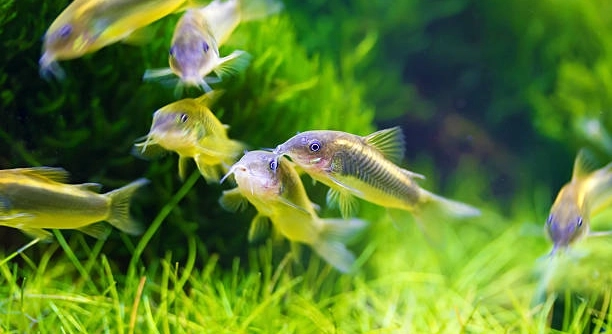
Corydoras catfish are peaceful aquarium fish that need ample space to thrive. Ensuring they have room to swim is crucial for their well-being. This article will guide you on how to provide your fish with enough space.
The primary factor in giving your Corydoras enough swimming space is the size of the tank. A tank of at least 20 gallons for a small group of these fish ensures they can move freely and live healthily.
With these tips, you’ll have everything you need to create a comfortable and spacious environment for your Corydoras catfish, promoting both their happiness and health.
1. Tank Size Matters
When setting up your aquarium, the size of the tank plays a vital role in providing enough space for your Corydoras catfish. They need room to move around, explore, and engage in their natural behaviors. A small tank, like a 10-gallon, may not give them enough space, leading to stress and potential health problems. Aim for a 20-gallon tank if you have a small group of Corydoras. This size allows them to swim freely, interact with each other, and enjoy their environment without feeling cramped.
Providing enough swimming space not only ensures your Corydoras’ comfort but also reduces territorial disputes between them. These fish prefer to be in groups, so they need enough room to swim side by side without feeling crowded. A larger tank will help maintain water quality by preventing overcrowding, leading to healthier fish in the long run.
When selecting a tank, consider both the fish’s needs and your available space. A 20-gallon tank is a great starting point, but larger options are ideal for more Corydoras.
2. Tank Shape and Layout
The shape of your tank also impacts how much space your Corydoras have. A long tank, rather than a tall one, provides more horizontal space. Corydoras are bottom-dwellers but swim in the middle and upper parts of the tank too. The more horizontal space they have, the more they can explore.
Make sure to avoid overcrowding the tank with decorations. You’ll want to leave plenty of open space for swimming. Aquascaping can be done to add hiding spots for your fish, but it should never be excessive. Less is more when it comes to creating a comfortable environment for them. Keep the tank well-planted with gentle decorations and caves, so your Corydoras can still move freely.
3. The Right Number of Corydoras
Having the correct number of Corydoras in your tank can significantly affect how much space they need. These fish are social, so it’s best to keep at least five or six in a group. A small number can lead to stress as they may not feel safe. With the right number, they will be more comfortable and active.
A small group of Corydoras may swim in tight formations or crowd in one area of the tank. However, when they are kept in larger groups, they are more likely to spread out and enjoy the full space of the tank. This reduces the likelihood of aggression or stress-related behaviors.
The tank’s size and layout should reflect the number of fish you keep. A larger group will need a bigger tank to prevent overcrowding. Overcrowding can lead to poor water quality, which is harmful to the fish.
4. Water Quality and Movement
Proper water conditions are essential for keeping your Corydoras happy. These fish prefer clean, well-filtered water, as poor water quality can cause stress and reduce the space they feel comfortable using. A high-quality filter is crucial for maintaining clear, healthy water.
Water movement also matters. Corydoras prefer gentle currents, so avoid strong filters or pumps that can disturb them. If you have a filter with a strong flow, position it so the current doesn’t disrupt the fish’s swimming space. Adjusting the filter or adding decorations can help diffuse the flow.
Corydoras need stable water parameters to thrive. Keep the temperature steady between 72-78°F and check water hardness regularly. These conditions allow your fish to move about without difficulty, contributing to their overall well-being.
5. Tankmates and Compatibility
Corydoras catfish are peaceful, but choosing the right tankmates is essential to prevent overcrowding. Avoid aggressive or overly active fish that might chase or stress them. Opt for peaceful species like other bottom dwellers or small schooling fish. Ensuring compatibility will give your Corydoras the space they need.
Tankmates that swim in different areas of the tank can help avoid competition for space. Corydoras tend to stay near the bottom, so choose species that inhabit other parts of the tank. This will allow your Corydoras to use their space without conflict.
6. Substrate and Tank Decorations
The type of substrate in the tank can impact your Corydoras’ swimming ability. Fine gravel or sand is ideal, as sharp substrates can injure their sensitive barbels. A soft, smooth surface allows them to comfortably explore and root around for food. Avoid large, jagged rocks that obstruct movement.
When placing decorations, leave enough open space for your Corydoras to swim around. Use plants, driftwood, or caves that don’t take up too much room. This gives them areas to hide without limiting their swimming area, promoting a balanced and comfortable environment for them.
7. Proper Feeding Practices
Overfeeding can contribute to poor water quality, which affects the space your Corydoras can freely swim in. Make sure to feed them the right amount of food for their size and number in the tank. Uneaten food can settle, leading to water issues and reducing available space.
Feed small amounts twice a day and remove leftovers after a few minutes. This practice helps maintain water quality and ensures your Corydoras have enough space to swim. Avoid overfeeding, as it can quickly cause water problems, especially in a smaller tank.
FAQ
What is the minimum tank size for Corydoras catfish?
The minimum recommended tank size for Corydoras is 20 gallons for a small group. This provides enough space for them to swim freely and interact with each other. A smaller tank can lead to overcrowding and stress, which can affect their health. In a 20-gallon tank, they can comfortably move around, avoiding territorial disputes. If you plan to keep more Corydoras, a larger tank will be necessary to ensure they have enough space to thrive.
Can Corydoras catfish live with other fish?
Yes, Corydoras are peaceful and get along well with other non-aggressive fish. They prefer being in groups of their own kind but can coexist with various peaceful species like tetras or small rasboras. It is important to avoid tankmates that are overly active or aggressive, as this may stress your Corydoras. Also, ensure the tankmates swim in different parts of the aquarium to prevent competition for space.
How many Corydoras should I keep together?
It is recommended to keep at least five or six Corydoras together. They are social creatures that feel safer and more comfortable in groups. A small group may cause them stress as they will feel exposed and less secure. A larger group allows them to spread out and explore their space while reducing any territorial disputes. The number of Corydoras should also depend on the size of your tank to avoid overcrowding.
Do Corydoras catfish need a filter?
Yes, a filter is essential for maintaining water quality in a Corydoras tank. These fish prefer clean water, and a filter helps to keep the tank environment healthy. The filter should be strong enough to maintain clean water but not so powerful that it creates strong currents that can disturb the fish. Corydoras prefer gentle water movement, so choose a filter that won’t overwhelm them. Regular water changes are also important to keep the tank fresh and clear.
What substrate is best for Corydoras catfish?
Corydoras prefer fine substrates like sand or smooth gravel. These fish spend a lot of time searching the bottom for food, and rough substrates can damage their sensitive barbels. Fine sand mimics their natural environment, where they forage in soft surfaces. Avoid using sharp or large gravel that can cause injury. A soft, smooth substrate is essential for their well-being and will allow them to move comfortably around the tank.
Can Corydoras catfish survive in cold water?
Corydoras catfish are tropical fish and require water temperatures between 72°F and 78°F. While they can tolerate slight variations in temperature, they should not be kept in cold water for extended periods. Cold water can stress them and weaken their immune system, making them more susceptible to diseases. Ensure that your aquarium heater is set to maintain the proper temperature range to keep your Corydoras healthy.
How often should I feed Corydoras catfish?
Corydoras catfish should be fed small amounts two to three times a day. They are bottom feeders and typically prefer sinking pellets or wafers. It is important to feed them only as much as they can eat in a few minutes to avoid leftover food that could affect water quality. Uneaten food can decay, creating excess waste that can harm your fish. Remove any leftover food promptly to keep the tank clean.
What do Corydoras catfish eat?
Corydoras are omnivores and eat a variety of foods, including sinking pellets, frozen or live foods, and small bits of vegetables. They enjoy a varied diet that can include shrimp, bloodworms, or brine shrimp. It is also helpful to offer occasional vegetables like blanched zucchini or spinach. Ensure their food sinks to the bottom, where they are most active, as they are not top feeders.
How can I tell if my Corydoras catfish is stressed?
Signs of stress in Corydoras can include rapid swimming, hiding for long periods, or clinging to the tank walls or filter. If your Corydoras are not swimming freely or seem lethargic, it might be a sign that they feel crowded, stressed, or uncomfortable. Poor water quality can also be a cause of stress, so make sure to check your water parameters regularly. Aggressive tankmates or improper tank conditions could also contribute to their stress.
Are Corydoras catfish active swimmers?
Corydoras catfish are relatively active but prefer to swim near the bottom of the tank. They are bottom-dwellers and enjoy exploring and foraging. While they do swim around the tank, their primary activity involves scavenging for food in the substrate. They can swim short distances, but they generally prefer staying close to the bottom where they feel secure. Having enough space and a peaceful environment will encourage them to be more active and explore their surroundings.
Can I keep Corydoras in a tank with strong currents?
Corydoras do not thrive in tanks with strong water currents. They prefer gentle water movement that allows them to move around comfortably. Strong currents can be stressful for them and may prevent them from using the full space of the tank. If your filter creates strong currents, consider adding baffles or directing the flow away from where the Corydoras spend most of their time. This will help create a calm environment for them to enjoy.
Final Thoughts
Ensuring your Corydoras catfish have enough space to swim is essential for their overall health and well-being. These small, peaceful fish are bottom dwellers and need room to explore, forage, and interact with each other. By providing a tank that is appropriately sized, with gentle water flow and plenty of hiding spots, you can create a comfortable and stress-free environment. It’s important to avoid overcrowding, as too many fish in a small tank can lead to competition for space and poor water quality. A tank size of at least 20 gallons is recommended for a small group, allowing them to have enough room to swim and socialize.
In addition to providing enough space, the choice of tankmates also plays a crucial role in creating a harmonious environment. Corydoras catfish are peaceful and thrive in groups, but they should be housed with compatible species. Aggressive or overly active fish can stress them out and limit their ability to swim freely. Choosing peaceful fish that inhabit different areas of the tank will reduce competition for space and ensure your Corydoras feel secure. The right tankmates can also help maintain a balanced ecosystem, reducing the chances of water quality issues that may arise from overcrowding or incompatible species.
Lastly, regular maintenance is necessary to ensure the tank remains clean and healthy for your Corydoras. This includes regular water changes, monitoring water parameters, and removing any uneaten food. A properly maintained tank will not only provide enough space for your Corydoras to swim but also contribute to their long-term health. By keeping their environment clean, ensuring they have enough room, and choosing compatible tankmates, you can create an optimal space where your Corydoras can thrive and be happy.

Hello,
If you enjoy the content that we create, please consider saying a "Thank You!" by leaving a tip.
Every little bit helps us continue crafting quality advice that supports the health, happiness, and well-being of pets around the world, for pets of all shapes, sizes, and species.
We really appreciate the kindness and support that you show us!