
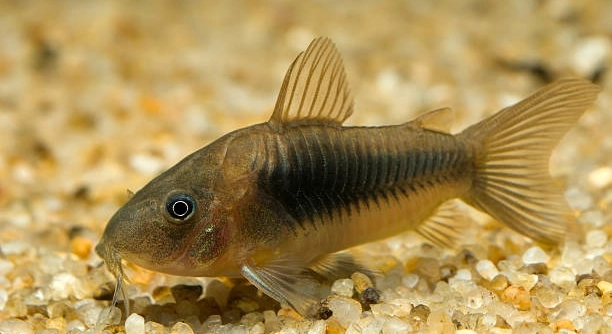
Corydoras catfish are known for their peaceful nature, but you might notice them swimming in circles. This unusual behavior may concern you, especially if you’re new to caring for these fish. It’s important to understand why this happens.
The most common cause of circular swimming in Corydoras catfish is stress. This behavior can be triggered by poor water quality, inadequate tank size, or the presence of aggressive tankmates. Understanding the root causes is essential for maintaining their health.
Addressing these issues will improve the wellbeing of your fish. By exploring the factors behind this behavior, you can ensure a more comfortable environment for your Corydoras catfish.
Poor Water Quality
One of the main reasons your Corydoras catfish may swim in circles is poor water quality. If the tank has high levels of ammonia, nitrites, or nitrates, it can make your fish feel stressed and uncomfortable. These harmful substances can build up quickly in the tank, especially if the water isn’t being changed regularly. Corydoras are sensitive to these changes and may exhibit erratic behavior to express their discomfort. Additionally, improper filtration can contribute to the issue. Make sure to test your tank’s water regularly and perform water changes as needed to maintain a clean and healthy environment for your fish.
Water changes are essential for keeping the tank clean. Keeping the water parameters stable helps your Corydoras feel more secure and reduces their chances of swimming in circles.
To prevent water quality issues, always monitor your tank’s filtration system and make sure it’s functioning properly. Regularly testing your water allows you to adjust parameters like pH and hardness, ensuring optimal conditions for your fish. A healthy environment minimizes stress and prevents behavioral problems, like swimming in circles.
Tank Size and Space
Corydoras catfish prefer to have enough space to move around freely. When placed in a tank that is too small, they may feel trapped, which leads to stress and abnormal behavior like swimming in circles. A cramped environment can also limit their ability to explore and forage for food, which is essential for their mental well-being. Corydoras thrive best in tanks that offer ample space, usually at least 20 gallons for a small group. Overcrowding or a lack of hiding spots may cause your fish to become agitated, triggering erratic swimming patterns.
Adequate tank space helps reduce stress. Make sure your Corydoras have room to swim around comfortably, which will encourage more natural behavior.
By providing enough space and decorations such as plants and rocks, you create a more comfortable habitat for your Corydoras. This not only improves their physical health but also provides them with a sense of security. When they feel safe and have enough space, the likelihood of them swimming in circles diminishes significantly.
Aggressive Tankmates
Corydoras are peaceful fish, and having aggressive tankmates can lead to them feeling stressed and anxious. This stress can result in abnormal swimming behavior, including swimming in circles. Fish like cichlids or larger species may intimidate your Corydoras, causing them to retreat or swim erratically. It’s important to ensure your tankmates are compatible with Corydoras.
If you notice your Corydoras swimming in circles or displaying other stressed behaviors, consider observing how they interact with other fish. Fish that are too aggressive can make Corydoras feel unsafe, leading to constant stress. In such cases, it may be necessary to separate the fish and provide a safer environment for the Corydoras to thrive. Sometimes, adding more hiding spots can help give them a sense of security.
When selecting tankmates, choose peaceful species that will not threaten the Corydoras’ wellbeing. Avoid pairing them with aggressive fish, as they will likely experience heightened stress, which directly affects their behavior. Adding calm, smaller fish or schooling species to your tank can help maintain a peaceful and comfortable environment for your Corydoras.
Illness or Injury
Fish that are injured or sick may exhibit abnormal behavior such as swimming in circles. Corydoras catfish can sometimes develop illnesses like bacterial infections or parasites, which can affect their movement. If your fish appears lethargic, has damaged fins, or is swimming in unusual patterns, an underlying health issue could be the cause. Regular observation is key to identifying any changes in their behavior early on.
If you suspect your Corydoras may be ill, check for signs of disease such as white spots, frayed fins, or lethargy. Treatment may require separating the affected fish from the tank to prevent the spread of illness. Infected fish often exhibit erratic swimming, and resolving the health issue should address the problem. If the condition is severe, consulting with a veterinarian who specializes in aquatic animals may be necessary for proper diagnosis and treatment.
Keep the tank clean and monitor your Corydoras for any visible signs of illness. Providing a stress-free environment can help prevent illness, while early detection and treatment will improve the chances of a quick recovery. Regular water changes, good nutrition, and reducing stress are essential in keeping your fish healthy.
Tank Conditions and Equipment
Corydoras can become stressed when tank conditions aren’t ideal. Water temperature, pH, and oxygen levels play a key role in their overall health. A fluctuating environment can lead to erratic swimming behavior, such as circling. Make sure these factors are stable for your fish.
To maintain optimal conditions, use a reliable aquarium heater and check your tank’s temperature regularly. Corydoras prefer temperatures between 72°F and 78°F. Additionally, ensure there is enough oxygen in the water, as low oxygen levels can also cause distress. Regularly test water parameters to avoid fluctuations.
Diet and Feeding
Improper feeding habits can also contribute to abnormal swimming in Corydoras. Overfeeding or underfeeding may lead to digestive issues or nutritional deficiencies, both of which can cause stress. Always ensure your Corydoras receive balanced meals, and avoid excessive food in the tank to prevent water contamination.
It’s important to feed your Corydoras high-quality, well-balanced food to meet their nutritional needs. Overfeeding can lead to uneaten food sinking to the bottom, which can spoil and affect water quality. Proper feeding schedules and portion control will ensure your fish stay healthy and avoid stress-related behaviors.
Tank Maintenance
Regular tank maintenance is essential for preventing abnormal behavior. Dirty tanks can cause poor water quality, leading to stress. Regularly clean your tank, change the water, and ensure proper filtration to keep the environment safe for your Corydoras. Routine maintenance reduces the risk of health issues and erratic swimming.
FAQ
Why is my Corydoras swimming in circles?
Swimming in circles is a common sign of stress in Corydoras. Stress can stem from poor water quality, overcrowded tanks, or aggressive tankmates. Other possible causes include illness, improper tank conditions, and injury. It’s essential to assess the overall environment to determine the specific cause of this behavior.
Can water temperature cause my Corydoras to swim in circles?
Yes, water temperature plays a vital role in the health of Corydoras. If the temperature fluctuates or is too high or low, it can cause stress, leading to erratic swimming patterns. Corydoras thrive in temperatures between 72°F and 78°F. Keeping the temperature stable will help your fish feel more comfortable.
What should I do if my Corydoras has injured fins?
If your Corydoras has injured fins, it’s important to separate it from the rest of the fish to prevent further damage or infection. Keep the water clean and make sure the injured fish is well-fed to help it heal. If necessary, treat the injury with salt baths or medications recommended for freshwater fish.
How do I prevent my Corydoras from getting stressed?
Maintaining a clean tank with good filtration, stable water parameters, and adequate tank space can prevent stress in Corydoras. Ensure the tank has no aggressive fish, as these can cause your Corydoras to feel threatened. Provide hiding spots and ensure they have a balanced diet.
Do Corydoras need specific tankmates?
Yes, Corydoras are peaceful fish and do best with other calm, non-aggressive species. They thrive in schools of at least six or more, as this helps them feel secure. Avoid aggressive species, as they can cause stress, leading to abnormal behaviors like swimming in circles.
How often should I clean my Corydoras tank?
Regular tank maintenance is crucial to keeping your Corydoras healthy. Perform partial water changes every week to ensure the water stays clean. Clean the substrate and decorations every 2-4 weeks to prevent waste buildup. Regular maintenance helps avoid issues like poor water quality and stress.
Can Corydoras get sick?
Yes, like all fish, Corydoras can get sick. Common issues include bacterial infections, parasites, and fin rot. These illnesses can lead to abnormal swimming behavior, including swimming in circles. If you notice signs of illness, such as lethargy, unusual swimming, or physical damage, treat the condition promptly.
Is it safe to keep Corydoras with other bottom-dwelling fish?
It is generally safe to keep Corydoras with other bottom-dwelling species as long as they are peaceful and not territorial. Avoid aggressive fish that might fight for space or food. Ensure there is enough room for all species to move freely, and provide hiding spots for each.
Can overfeeding cause Corydoras to swim in circles?
Yes, overfeeding can cause stress in Corydoras. Excess food that is left uneaten can deteriorate water quality, leading to poor tank conditions. Overfeeding can also cause digestive problems, which may result in abnormal behavior. Feed your Corydoras only what they can consume in a few minutes to avoid overfeeding.
How can I tell if my Corydoras is stressed?
Signs of stress in Corydoras include swimming in circles, hiding, loss of appetite, and faded colors. Stress can be caused by various factors, such as poor water quality, aggressive tankmates, or improper tank conditions. Monitoring their behavior regularly can help you identify stress early and address the cause.
What is the best tank size for Corydoras?
Corydoras should be kept in tanks that offer plenty of swimming space. A minimum of 20 gallons is recommended for a small group of Corydoras. Larger groups or mixed-species tanks may require larger setups. Providing adequate space reduces stress and allows them to move freely, reducing the risk of swimming in circles.
How can I improve water oxygen levels for my Corydoras?
Adding an air pump or sponge filter to your tank can increase oxygen levels, which is crucial for Corydoras. These fish prefer well-oxygenated water and can become stressed in low-oxygen environments. Regular water changes and a proper filtration system will also help maintain oxygen levels.
What should I do if my Corydoras continues swimming in circles?
If your Corydoras continues to swim in circles despite fixing potential issues like water quality or tankmates, check for signs of illness or injury. A vet specializing in fish can help diagnose and treat any health problems. In extreme cases, separating the fish for treatment may be necessary.
Can Corydoras adapt to new environments?
Corydoras are adaptable, but any change in their environment can cause stress initially. Moving to a new tank, changing water parameters, or adding new tankmates can all be stressful for Corydoras. Give them time to adjust and ensure their environment is stable to minimize stress.
How do I know if my Corydoras is happy?
Happy Corydoras display normal behaviors, such as swimming calmly, exploring the tank, and foraging for food. They should not be constantly hiding or exhibiting abnormal swimming patterns. Ensuring they have a stable environment with appropriate tankmates and food can help keep them content.
Can Corydoras live alone?
Corydoras should not be kept alone for extended periods. These fish are social and do best in groups. A small school of at least six fish will help them feel secure and reduce stress. Keeping Corydoras in groups encourages natural behaviors and prevents issues like swimming in circles.
Is it okay to have a single Corydoras in the tank?
While Corydoras can survive alone, they are more likely to be stressed without tankmates. Keeping at least three or more will help them feel secure and reduce behavioral issues like swimming in circles. A small school will allow them to socialize and feel safer in their environment.
Can Corydoras survive in cold water?
Corydoras prefer warmer water, typically between 72°F and 78°F. They are not suited for cold water tanks and may become stressed or sick in cooler temperatures. Ensure the water stays within this range to promote good health and prevent abnormal behaviors. Use a heater to maintain the temperature.
Final Thoughts
Corydoras are peaceful and resilient fish, but like all aquarium species, they require proper care to thrive. When they begin swimming in circles, it is often a sign that something is wrong with their environment or health. Identifying the cause can be tricky, but once you understand the factors at play, addressing the issue becomes much easier. Ensuring stable water conditions, providing a balanced diet, and keeping tankmates compatible are crucial steps in maintaining a stress-free environment for your Corydoras.
Water quality is one of the most important aspects to monitor for these fish. Regular water changes, proper filtration, and ensuring the temperature and pH are within the ideal range will help keep your Corydoras healthy. Inconsistent water conditions, such as fluctuating temperatures or low oxygen levels, can lead to erratic behavior like swimming in circles. Additionally, a clean tank reduces the buildup of harmful toxins, which can further stress your fish and lead to health problems. Regular testing of the water parameters is essential for catching any issues early.
Diet and tank setup also play significant roles in your Corydoras’ well-being. Avoid overfeeding, as uneaten food can pollute the water, leading to poor water quality and stress. Properly sized tanks and appropriate tankmates are also crucial for your fish’s peace of mind. Corydoras are social creatures, so they should be kept in groups to feel secure. By paying attention to these factors and responding promptly to any signs of distress, you can ensure that your Corydoras remain happy and healthy.

Hello,
If you enjoy the content that we create, please consider saying a "Thank You!" by leaving a tip.
Every little bit helps us continue crafting quality advice that supports the health, happiness, and well-being of pets around the world, for pets of all shapes, sizes, and species.
We really appreciate the kindness and support that you show us!