
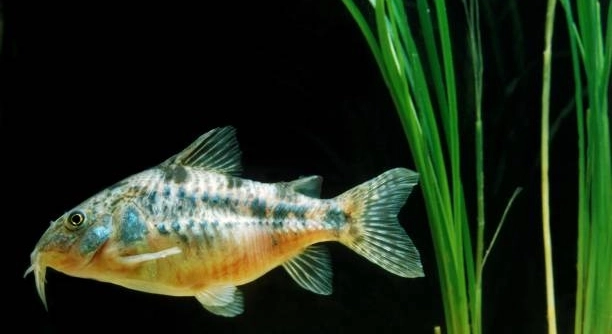
Has your Corydoras catfish been hiding more than usual? This sudden change in behavior can be concerning for any aquarium owner. Let’s explore why your fish might be acting this way.
Corydoras catfish are known for their social and active nature. When they suddenly hide, it could indicate various factors, including stress, poor water conditions, illness, or changes in their environment. Identifying the root cause is key to solving this issue.
Understanding these potential causes can help you create a better environment for your Corydoras, ensuring they stay healthy and comfortable in their tank. Keep reading to learn more.
Stress from Tankmates
Sometimes, Corydoras catfish can become stressed due to aggressive or overly active tankmates. These fish are peaceful and prefer calm environments. If they are constantly bothered by other fish, they might retreat and hide as a way to escape the stress. When introducing new fish to the tank, it’s important to ensure they are compatible with the Corydoras’ peaceful nature. Fish like bettas or larger, more aggressive species may cause stress, prompting hiding behavior. Stress can also be caused by overcrowding, so always make sure your tank is properly sized for its inhabitants.
Fish that are overly active or dominant can make your Corydoras feel unsafe. Stress affects their immune system, which can lead to illness. If your catfish seems more skittish or withdrawn than usual, it might be trying to avoid aggression. You may notice them hiding more often or staying close to the bottom of the tank, seeking comfort in plants or other hiding spots.
A simple solution is to keep the tankmates calm and introduce any new fish slowly. If your Corydoras is particularly shy, consider adjusting the layout of the tank to create more hiding spaces and reduce stress.
Poor Water Conditions
Water quality is one of the most critical factors affecting the health of your Corydoras. They thrive in clean, well-maintained water, and poor conditions can cause them to retreat and hide. If the tank water is too dirty, high in ammonia or nitrites, or has an incorrect pH level, your fish may not feel safe. Corydoras are very sensitive to changes in water chemistry, and exposure to harmful substances can cause stress, illness, or even death.
Regular water changes and monitoring of tank parameters are essential to prevent poor water quality. A properly functioning filtration system is also key to keeping your Corydoras healthy. When these fish are stressed by water conditions, they might seek refuge in hidden spots in the tank to avoid exposure to harmful substances.
Testing the water regularly is crucial for maintaining a healthy environment. You should aim for stable conditions with ammonia levels at zero, nitrites at zero, and a pH of around 6.5-7.5. Ensuring these levels are within a safe range can help prevent stress and allow your Corydoras to feel comfortable exploring and interacting with their surroundings.
Illness or Injury
If your Corydoras is hiding more than usual, illness or injury could be the cause. These fish tend to hide when they’re not feeling well, as it helps them avoid predators in the wild. If you notice a sudden change in behavior, it might indicate something is wrong.
Physical signs such as visible injuries, swollen areas, or skin changes can help identify the issue. Corydoras are prone to a few common diseases, including ich, fungal infections, and parasites. You may also see them rubbing against objects in the tank or displaying erratic swimming patterns.
Treatment depends on the specific illness, so it’s important to observe closely and consult an aquarium vet if needed. Sometimes, simple water changes or adding medications can make a big difference in their recovery. Make sure to quarantine any new fish before adding them to prevent illness spread.
Water Temperature Fluctuations
Corydoras are sensitive to temperature changes. If the water is too hot or too cold, they may hide to avoid the discomfort. These fish prefer a steady temperature between 72-78°F (22-26°C). Extreme changes can cause stress or even lead to illness.
If your aquarium heater is malfunctioning or if there are sudden temperature drops due to external factors like drafts, Corydoras may react by seeking shelter. It’s crucial to keep the water temperature stable for the overall health of your fish. Regularly check the temperature with a reliable thermometer to ensure it stays within the safe range.
Fluctuating temperatures can weaken your fish’s immune system, making them more vulnerable to diseases. If you notice your catfish hiding more frequently, check the temperature and make necessary adjustments. This simple step can often solve the issue and bring your fish back to a more active state.
Overfeeding
Overfeeding your Corydoras can lead to excess food in the tank, which affects water quality. The leftover food decays, leading to higher ammonia levels and stressing your fish. This can cause them to hide to avoid the unhealthy conditions created by overfeeding.
Fish who are overfed may also become sluggish or bloated, affecting their behavior. Corydoras, in particular, are bottom dwellers that scavenge for food, and any uneaten food can quickly spoil in the substrate, harming water quality. It’s important to avoid feeding too much and remove any excess food promptly.
Adjust feeding habits to suit your fish’s appetite. It’s always better to feed smaller portions more frequently than overloading the tank at once.
Tank Decor and Hiding Spots
Corydoras catfish love hiding spots. If there aren’t enough places for them to feel secure, they may retreat to corners or under objects in the tank. Adding more decorations like plants or rocks gives them safe spaces to relax and feel less stressed.
Tank decor also serves to create natural hiding spots, mimicking the environments they are used to in the wild. By providing these hiding areas, you help reduce the chances of your Corydoras feeling exposed or threatened by other fish in the tank.
A well-decorated tank not only improves the fish’s comfort but also enhances the overall aquarium’s aesthetic, making it a more balanced environment for all inhabitants.
Incompatible Water Parameters
Corydoras catfish require specific water parameters to thrive. If the water is too acidic or alkaline, it can stress your fish, causing them to hide. They thrive in a pH range of 6.5 to 7.5 and require soft to moderately hard water.
When the pH or hardness is outside their preferred range, Corydoras can experience physical stress, affecting their activity and health. If the water conditions fluctuate too often, the fish may start hiding to avoid further discomfort. Regular water tests are essential to maintaining proper water parameters.
If the water parameters are off, consider using water conditioners to adjust them to suit your Corydoras. Maintaining stability is crucial for their overall well-being.
FAQ
Why is my Corydoras catfish staying at the bottom of the tank?
Corydoras are naturally bottom-dwelling fish, so it’s not unusual to find them at the bottom of the tank. However, if they’re staying there more than usual, it could be a sign of stress or illness. Poor water quality, low oxygen levels, or improper water temperature can also make your Corydoras seek refuge at the bottom. It’s essential to check your water parameters regularly, ensuring everything is in the correct range. Also, monitor their behavior closely to rule out illness or injury.
How can I tell if my Corydoras is stressed?
Stress in Corydoras can be observed through certain behavioral changes. If your fish is hiding more frequently, swimming erratically, or staying away from tankmates, it could be stressed. Another sign of stress is if they become more lethargic or stop eating. Stress can be caused by many factors, such as poor water conditions, aggression from other fish, or sudden changes in their environment. It’s important to create a stable environment for your Corydoras to reduce stress levels and promote healthy behavior.
What should I do if my Corydoras isn’t eating?
If your Corydoras isn’t eating, it could indicate several issues. First, check the water quality and temperature. Poor water conditions are often the primary reason for a lack of appetite. Stress or illness can also reduce their desire to eat. Offer a variety of foods to entice them, such as sinking pellets, algae wafers, or live foods like brine shrimp. If they continue to refuse food, it’s crucial to monitor them closely and consult a vet if necessary.
How often should I feed my Corydoras catfish?
Corydoras are bottom feeders, so they often eat leftover food that sinks to the bottom of the tank. It’s recommended to feed them small amounts of food once or twice a day. Overfeeding can lead to water quality issues and unnecessary stress, so only provide enough food for them to consume within a few minutes. Always remove any uneaten food after feeding to maintain a clean tank and avoid water pollution.
Can Corydoras live with other fish?
Yes, Corydoras are peaceful fish and usually get along well with other species. They are best kept with other non-aggressive, peaceful fish. However, it’s important to avoid keeping them with overly aggressive or large fish that might stress them out or see them as food. Good tankmates include guppies, tetras, and other peaceful catfish species. When introducing new fish, make sure to monitor interactions and ensure all species are compatible.
How do I improve the water quality for my Corydoras?
To maintain optimal water quality for your Corydoras, you should perform regular water changes, ideally 25-30% once a week. Make sure your tank has a good filtration system that can handle the waste load. Test the water regularly for ammonia, nitrite, and nitrate levels, and adjust them as needed. The water should have a stable pH of 6.5 to 7.5 and be soft to moderately hard. Using a water conditioner can help if your tap water isn’t ideal. Keep the tank clean by removing any debris or uneaten food promptly.
What is the ideal tank setup for Corydoras?
Corydoras prefer a well-planted tank with plenty of hiding spots. Smooth substrate, like fine sand or rounded gravel, is best for them, as sharp rocks can damage their delicate barbels. They also enjoy having plants or decorations they can hide behind, which gives them a sense of security. The tank should have plenty of space for swimming, and the water should be well-oxygenated. Corydoras appreciate dim lighting, which mimics their natural environment. Additionally, keeping the water temperature between 72-78°F (22-26°C) is ideal for their health.
Why is my Corydoras catfish swimming upside down?
If your Corydoras is swimming upside down, it could be a sign of a serious problem. This behavior may be linked to a swim bladder disorder, which can affect the fish’s ability to maintain proper buoyancy. Swim bladder issues can occur due to overfeeding, poor water quality, or injury. If the problem persists, try fasting your Corydoras for a few days to see if the condition improves. However, if the issue continues, it’s advisable to consult an aquarium vet for diagnosis and treatment options.
Can Corydoras eat plants in the aquarium?
Corydoras are primarily scavengers and bottom feeders, so they typically don’t eat live plants. However, they may nibble on plants if they are looking for food, especially if there’s a lack of other options. If your Corydoras are nibbling on your plants, it’s a sign that there may not be enough food in the tank or that you’re overfeeding and the food is not being consumed. To prevent plant damage, ensure your fish are well-fed and the substrate contains enough food for them to forage naturally.
How do I prevent my Corydoras from hiding too much?
To prevent your Corydoras from hiding too often, you need to create a stable and stress-free environment. Ensure the water quality is consistently good, with proper filtration and temperature control. Avoid keeping aggressive tankmates, as they may cause your Corydoras to retreat. Make sure there are plenty of hiding spots in the tank, but also provide open spaces for the fish to explore. A well-balanced aquarium with a good mix of plants and decorations will help your Corydoras feel safe and secure, encouraging them to be more active.
Final Thoughts
Understanding why your Corydoras catfish is hiding is an important step in ensuring their well-being. These fish are generally social and active, so any sudden change in behavior should be taken seriously. There are many potential reasons why they might retreat more than usual, such as stress, poor water conditions, illness, or even an incompatible tank environment. By observing your fish closely and making the necessary adjustments to their habitat, you can often resolve the issue and get them back to their usual playful selves.
One of the most common causes of hiding is poor water quality. Corydoras are particularly sensitive to changes in water chemistry, so maintaining a clean and stable environment is essential. Regular water testing and changes, along with a good filtration system, can help prevent water-related issues. Additionally, checking the temperature and ensuring it stays within the ideal range for your fish can also make a big difference in their comfort. Always remember that Corydoras prefer water that is not too hot or cold, and they need a slightly acidic to neutral pH for optimal health.
Lastly, while some hiding is natural for Corydoras, too much hiding may indicate stress or discomfort caused by other factors, such as tankmates or overfeeding. By ensuring your fish have enough space, hiding spots, and compatible tankmates, you can reduce unnecessary stress. Regularly check for signs of illness or injury, and take action as needed. When in doubt, consulting a vet or aquarium expert can help you address any ongoing issues. Creating a peaceful, stable environment is key to keeping your Corydoras happy and healthy.

Hello,
If you enjoy the content that we create, please consider saying a "Thank You!" by leaving a tip.
Every little bit helps us continue crafting quality advice that supports the health, happiness, and well-being of pets around the world, for pets of all shapes, sizes, and species.
We really appreciate the kindness and support that you show us!