
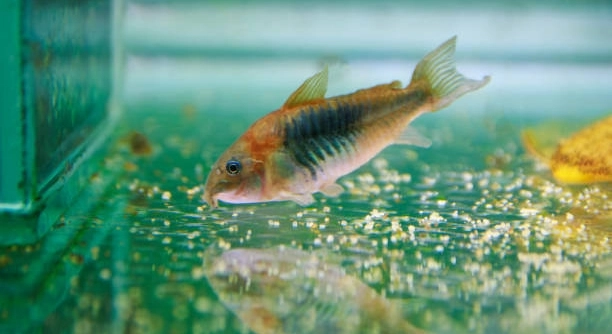
Corydoras catfish are popular aquarium fish known for their peaceful nature and playful behavior. However, changes in water chemistry can cause stress, affecting their well-being and behavior. It’s essential to understand how to spot these signs.
Corydoras catfish respond to water chemistry changes through various behaviors such as gasping at the surface, rapid fin movements, or hiding. These clues can indicate issues with pH, hardness, or temperature, all of which affect their comfort and health.
Understanding how these subtle signs manifest can help you maintain a healthy environment for your catfish. The following clues will guide you in identifying when your Corydoras may be reacting to changes in their water conditions.
Common Signs of Stress in Corydoras Catfish
Corydoras catfish are sensitive to changes in water chemistry. When the water conditions shift, even slightly, it can lead to stress. The first noticeable signs often include changes in behavior, such as hiding more often or swimming erratically. They may also become less active, staying at the bottom of the tank or close to shelter. Pay attention to how your catfish move, as subtle differences could indicate discomfort.
If your Corydoras is staying in one spot for extended periods or darting around, it’s a good idea to check your water parameters. Water changes or other disturbances can affect their health.
Consistent monitoring of the water’s temperature, pH, and hardness is essential. If you notice unusual behavior, immediately check for any imbalances. These factors should be kept stable for the well-being of your fish. A little attention to detail will go a long way in keeping your Corydoras healthy and happy.
The Role of Temperature Changes
Temperature fluctuations can have a significant impact on Corydoras catfish. These fish prefer stable environments, and sudden shifts in temperature can cause stress. Rapid changes can lead to changes in breathing patterns, where they may surface more often or show rapid gill movement. When water temperature rises or drops suddenly, it can affect their immune system and overall health.
In most cases, a stable range of 72-78°F (22-26°C) works best for these catfish. If you notice any change in behavior that could be temperature-related, use a thermometer to check. It’s crucial to avoid heating or cooling the tank too quickly. Ensure you use an aquarium heater with a stable setting, especially if the temperature fluctuates frequently in the room.
Keeping the water temperature consistent will help maintain a balanced environment and reduce stress on your Corydoras catfish. Regular monitoring of the water’s temperature, especially during seasonal shifts, is a good way to prevent potential issues.
Changes in pH Levels
A sudden drop or rise in pH can have a significant effect on Corydoras catfish. They thrive in slightly acidic to neutral water (pH 6.0–7.5). Extreme pH changes can lead to lethargy, abnormal swimming, or increased hiding. Keeping a close eye on pH levels is key to maintaining their health.
You may notice your Corydoras swimming near the surface or darting around when the pH level fluctuates. In some cases, they may also appear stressed or gasp for air. Test kits are available to measure pH levels, and it’s a good practice to use them regularly. A consistent pH is essential to avoid harming your fish.
To correct a sudden shift in pH, avoid drastic adjustments. Instead, make gradual changes over several days, which will help the catfish acclimate without added stress. Use buffering agents or natural methods like driftwood to stabilize pH levels. Consistency is important for their long-term well-being.
Ammonia and Nitrite Poisoning
Ammonia and nitrites are toxic to fish and can cause noticeable stress in Corydoras catfish. Elevated levels of these compounds can lead to gasping at the surface, erratic swimming, and faded coloration. Regular testing of ammonia and nitrite levels is essential for preventing this.
When these toxins build up, they damage the gills, leading to difficulty in breathing. Corydoras may appear sluggish and avoid eating. Ammonia spikes are often the result of overfeeding or inadequate filtration. It’s crucial to keep the aquarium clean and perform regular water changes to avoid these toxic buildups.
To maintain water quality, invest in a reliable filtration system and monitor ammonia and nitrite levels. If you spot high levels, take immediate action by doing a partial water change and checking filtration. Reducing overfeeding also helps prevent these issues. Healthy water quality ensures your catfish can thrive.
High Nitrate Levels
Elevated nitrate levels are another water chemistry issue that affects Corydoras catfish. Nitrates can build up over time, leading to stress, reduced immune function, and other health problems. Testing regularly for nitrates is essential to avoid any long-term damage to your fish.
If you notice Corydoras staying near the bottom, swimming slowly, or not eating, high nitrate levels could be the cause. Nitrates can irritate their gills and cause lethargy. To prevent this, perform regular water changes to reduce nitrate concentrations and ensure your filter is working efficiently.
Oxygen Levels in the Water
Corydoras catfish need oxygen-rich water to stay healthy. Low oxygen levels can make them lethargic and cause breathing difficulties. If the water is poorly aerated, you may see your fish spending more time at the surface, gasping for air.
Ensure your tank is equipped with proper filtration and air stones to maintain healthy oxygen levels. Increased water movement, such as using a sponge filter, can help improve oxygen exchange. If your Corydoras appear sluggish or are swimming erratically near the surface, it could be a sign that oxygen levels need attention.
Water Hardness
Water hardness refers to the concentration of dissolved minerals, such as calcium and magnesium, in the water. Corydoras catfish prefer soft to moderately hard water, with hardness levels ranging from 4 to 12 dGH. Hard water can cause stress and interfere with their ability to thrive.
If your fish show signs of discomfort or their behavior changes suddenly, testing the water’s hardness may provide answers. Extremely hard water can affect their osmoregulation, causing them to become stressed or lethargic. Consider adjusting the hardness with water conditioners or by adding materials like peat moss to soften the water.
FAQ
What are the ideal water parameters for Corydoras catfish?
Corydoras catfish do best in water that is slightly acidic to neutral (pH 6.0–7.5), with a temperature between 72–78°F (22–26°C). The hardness should be soft to moderately hard, between 4–12 dGH. These conditions help keep your catfish healthy and stress-free. Regular water changes and monitoring are essential to maintaining a stable environment.
How can I reduce stress in my Corydoras catfish?
The best way to reduce stress in your Corydoras is by maintaining stable water conditions. Make sure the water temperature, pH, and hardness are consistent. Avoid sudden changes in water chemistry, as these can stress your fish. Additionally, ensure they have plenty of hiding spots and a peaceful tank environment to minimize stress.
Why is my Corydoras catfish swimming erratically?
Erratic swimming in Corydoras can be a sign of stress, usually caused by poor water quality. High levels of ammonia, nitrites, or nitrates can lead to this behavior. Check your water parameters and perform a partial water change if necessary. It’s also possible that your catfish are reacting to changes in water temperature or pH levels.
How can I tell if my Corydoras catfish has a disease?
Look for signs such as discoloration, lesions, or fin rot. If your catfish is swimming lethargically, hiding more than usual, or showing abnormal behavior, it could be sick. Some diseases can also cause swollen or bloated bellies, cloudy eyes, or breathing problems. If you suspect your fish is ill, separate it from others and consult a vet or aquatic specialist.
Do Corydoras catfish need a filter?
Yes, Corydoras need a filter to keep the water clean and oxygenated. A good filter helps maintain water quality by removing waste, uneaten food, and harmful toxins like ammonia and nitrates. It’s important to use a filter that is gentle enough not to create strong currents, as Corydoras prefer calmer water.
How often should I perform water changes for my Corydoras catfish?
You should perform a partial water change (about 25–30%) every week. This helps maintain good water quality by removing toxins and replenishing vital minerals. In cases of high ammonia or nitrate levels, more frequent water changes may be necessary. Always check water parameters after each change to ensure they’re within safe limits.
Can I keep Corydoras catfish with other species?
Yes, Corydoras are peaceful fish and can live with many other species, as long as they share similar water conditions. Avoid keeping them with aggressive fish or species that might nip at their fins. Good tank mates include other peaceful fish like tetras, guppies, or rasboras. Always ensure the tank is large enough to accommodate all the species comfortably.
Why is my Corydoras hiding all the time?
Corydoras may hide more than usual due to stress caused by poor water quality, overcrowding, or bullying from other tankmates. They also tend to hide if the water temperature is unstable or if the pH is too high or too low. Make sure your tank has enough hiding spots, such as plants or caves, and check the water parameters regularly.
Is it normal for Corydoras to come to the surface for air?
Yes, Corydoras may occasionally come to the surface to gulp air. This is normal behavior since they have an air-breathing organ called a “suprabranchial chamber.” However, if they are constantly at the surface, it could indicate low oxygen levels, poor water quality, or stress from temperature fluctuations. Check your oxygen levels and consider adding an air pump or increasing water surface movement.
Can Corydoras catfish eat algae?
Corydoras are bottom dwellers and can help clean up some leftover algae in the tank, but they are not primary algae eaters. Their diet mainly consists of small invertebrates, worms, and detritus found on the substrate. If algae is a problem in your tank, consider adding a proper algae-eating species like an otocinclus or a snail to help control it.
How do I acclimate Corydoras to a new tank?
When introducing Corydoras to a new tank, it’s important to acclimate them slowly to prevent shock. Float the bag with the fish in the tank for about 15 minutes to equalize the temperature. Then, slowly add small amounts of tank water into the bag every 10 minutes. After about 30 minutes, gently release the fish into the tank. Avoid sudden changes in water conditions during the process.
Can I use tap water for my Corydoras catfish tank?
Tap water can be used for your Corydoras tank, but it’s important to test it for harmful chemicals like chlorine and chloramine. You may need a water conditioner to remove these. Also, check the pH, hardness, and temperature to ensure they’re suitable for your catfish. In some cases, distilled or reverse osmosis water may be a better option, especially if your tap water is too hard or too alkaline.
Why is my Corydoras catfish not eating?
If your Corydoras catfish isn’t eating, it may be due to poor water quality, stress, or illness. Check the water parameters and ensure they’re stable. Also, ensure that the food you are providing is appropriate for them. Corydoras are bottom feeders, so sinking pellets or tablets are the best food choices for them. If the problem persists, consult an expert to check for any underlying health issues.
Final Thoughts
Corydoras catfish are hardy, peaceful fish that can thrive in a well-maintained aquarium with proper care. Understanding the key factors that influence their health, such as water quality, temperature, and chemistry, is essential for keeping them comfortable. Regular monitoring and testing of water parameters are necessary to ensure your catfish remain healthy and stress-free. By addressing any imbalances in the water, you can prevent most common issues that affect Corydoras, such as erratic swimming or hiding.
While Corydoras are relatively low-maintenance, their sensitivity to changes in water conditions makes it essential to provide a stable environment. These fish are not only an attractive addition to an aquarium but also serve as natural cleaners by scavenging leftover food and debris from the tank’s bottom. Their peaceful nature makes them a great companion for other non-aggressive species, but it’s still important to choose tankmates carefully. Keeping the water clean and making sure they have places to hide and explore will help your Corydoras feel secure and healthy.
Maintaining proper water chemistry, including pH, hardness, and temperature, is the key to preventing stress and ensuring the longevity of your Corydoras catfish. Regular water changes, proper filtration, and attention to the fish’s behavior will go a long way in keeping them happy. By making small adjustments as needed and being proactive about water quality, you can create a thriving tank for your catfish to enjoy. Understanding the signs of stress and responding promptly will ensure that your Corydoras remain vibrant and active for years to come.

Hello,
If you enjoy the content that we create, please consider saying a "Thank You!" by leaving a tip.
Every little bit helps us continue crafting quality advice that supports the health, happiness, and well-being of pets around the world, for pets of all shapes, sizes, and species.
We really appreciate the kindness and support that you show us!