
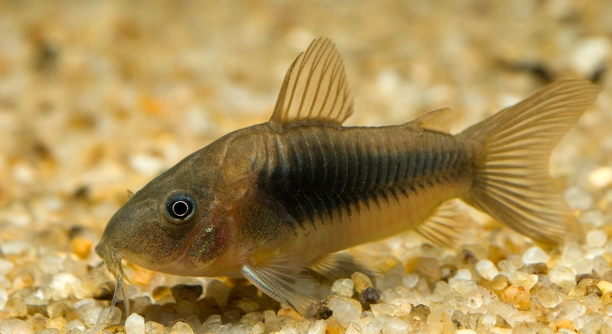
Corydoras catfish are peaceful aquarium residents, but you might notice them scratching against the glass. This behavior can be puzzling, and it often raises concerns for aquarium owners. Understanding why they do this can help ensure their health.
Corydoras catfish scratching against the glass can indicate various factors, such as water quality issues, stress, or skin irritation. Identifying the cause requires careful observation of your tank environment, including factors like water parameters and fish health.
There are multiple potential causes for this scratching behavior, from poor water conditions to possible infections. Understanding these factors can help you pinpoint the problem and improve the well-being of your Corydoras catfish.
Poor Water Quality
Corydoras catfish are sensitive to water conditions, and even slight changes in water quality can cause them stress. When ammonia, nitrites, or nitrates build up in the tank, it can irritate their skin, leading to scratching behavior. High levels of chlorine or chloramine, often found in untreated tap water, are also harmful. Regular water changes, monitoring tank parameters, and maintaining a good filtration system can help avoid these issues. The water temperature should be consistent, as extreme fluctuations can stress your catfish. Keep an eye on the water’s pH and hardness as well, since sudden changes can cause discomfort.
To prevent poor water quality, test your aquarium water at least once a week. Ammonia and nitrite levels should be at zero, while nitrate levels should be below 20 ppm. Regular maintenance, such as cleaning the filter and removing waste, keeps your tank environment safe.
By maintaining a stable environment and keeping water parameters in check, you’ll help your Corydoras stay healthy and reduce the chances of them scratching against the glass. Proper water care is essential for ensuring the long-term well-being of your catfish.
Skin Irritations
Another common reason for scratching is skin irritation. Corydoras have delicate skin, and any abrasions or infections can cause them to rub against surfaces. External parasites like ich or velvet can make your catfish itch. To help prevent this, ensure your tank is free of parasites by keeping the water clean and using treatments when necessary.
Stress or Anxiety
Corydoras catfish are peaceful, but they can get stressed by changes in their environment. Stress factors like sudden tank changes, loud noises, or being kept with aggressive tankmates can lead to scratching. This stress can make your catfish more susceptible to illness and cause them to rub against surfaces for comfort.
To reduce stress, ensure your tank has enough hiding spots where your catfish can retreat when they feel threatened. If you have aggressive fish, it may be worth separating them or rearranging the tank layout to provide more security. Consistent water temperature and lighting can also help keep stress levels down.
If your Corydoras are scratching and seem more skittish than usual, it’s likely due to stress. Try to create a peaceful environment and avoid sudden changes that could disrupt their sense of security. Stress can affect their immune system, so preventing it is key to keeping your catfish healthy.
Overcrowding
Overcrowding in a tank can cause a variety of issues, including scratches on the glass. When there are too many fish, there isn’t enough space for each one to swim comfortably. This forces the catfish to rub against surfaces to find room, which leads to scratching behavior.
If your tank is overcrowded, consider upgrading to a larger aquarium or reducing the number of fish. Corydoras catfish thrive in a calm and spacious environment. Ensuring there is enough space for each fish to swim freely will reduce stress and scratching. Keep in mind the recommended stocking level for your aquarium size and species.
Having enough swimming space is crucial for the health of your Corydoras. Overcrowding can lead to more than just scratching – it can contribute to poor water quality, stress, and potential diseases. Reducing the number of fish or upgrading the tank size can significantly improve your catfish’s quality of life.
Inadequate Tank Maintenance
Neglecting regular tank maintenance can cause a buildup of harmful substances, leading to scratching. Uneaten food, waste, and decaying plants contribute to poor water quality, making your Corydoras more prone to skin irritation and stress. Proper tank upkeep is essential to keep your catfish healthy.
Make sure to clean the tank regularly, vacuum the substrate, and replace a portion of the water each week. A good filtration system can help keep the water clean and reduce harmful bacteria. Also, avoid overfeeding your fish, as leftover food can decay and pollute the tank.
A clean tank is a key factor in preventing your Corydoras from scratching. Regular water changes and proper maintenance can ensure your catfish live in a healthier environment. This reduces the risk of skin issues and stress, which often lead to scratching behavior.
Incorrect Water Temperature
If the water temperature is too high or too low, your Corydoras will likely feel uncomfortable. Fish are highly sensitive to temperature changes, and when the tank isn’t within their preferred range, they may rub against surfaces in an attempt to alleviate discomfort.
Corydoras catfish prefer a water temperature between 72°F and 78°F (22°C to 26°C). If the water gets too warm, it can increase their metabolism and make them more stressed. On the other hand, if it’s too cold, their immune system weakens, leaving them vulnerable to infections.
To ensure your Corydoras are comfortable, use an aquarium heater with a thermostat to maintain the right temperature. This will help keep your catfish stress-free and reduce scratching. Make sure to regularly monitor the temperature with a reliable thermometer to avoid any sudden fluctuations.
FAQ
Why is my Corydoras rubbing against the glass?
Corydoras catfish rubbing against the glass is often a sign of discomfort. This could be caused by poor water quality, skin irritation, or stress. When the water isn’t clean or if there are harmful substances, Corydoras may try to scratch against surfaces. Additionally, if there’s too much stress, they might rub against the glass as a coping mechanism. Make sure to regularly test your tank’s water parameters and check for signs of external parasites or skin issues.
How can I tell if my Corydoras have parasites?
If your Corydoras are scratching more than usual, it could be a sign of parasites. Look for visible signs such as white spots on their skin (indicative of ich), abnormal swimming behavior, or visible lesions. Parasites like ich, velvet, and skin flukes can cause intense itching. Infected fish may rub their bodies against objects or glass in an attempt to relieve the irritation. If you suspect parasites, it’s best to treat the tank with an anti-parasitic medication after consulting with an expert.
Can stress cause Corydoras to scratch?
Yes, stress is one of the most common reasons Corydoras catfish scratch against the glass. Stress can be triggered by various factors such as overcrowding, aggressive tankmates, loud noises, or sudden changes in the tank environment. When stressed, Corydoras may start scratching to relieve anxiety or discomfort. Creating a peaceful and stable tank environment is essential for preventing stress-related behaviors. Adding hiding spots, reducing aggressive interactions, and maintaining consistent tank conditions can help alleviate stress.
What temperature should my Corydoras be kept at?
Corydoras catfish thrive in temperatures ranging from 72°F to 78°F (22°C to 26°C). If the temperature falls outside of this range, your Corydoras may experience stress, which could lead to scratching. Consistent water temperature is crucial for their health. Use an aquarium heater to maintain a stable temperature and monitor it with a thermometer. Extreme fluctuations in temperature can cause discomfort and make your fish more prone to illness.
How often should I clean my tank to prevent scratching?
Regular tank cleaning is important to maintain good water quality and prevent scratching. Perform partial water changes (about 25-30%) once a week. Vacuum the substrate to remove waste and uneaten food, and clean the filter to ensure proper filtration. Keeping the tank clean will reduce harmful bacteria and parasites, which can irritate your fish’s skin and lead to scratching behavior.
Can poor water quality cause my Corydoras to scratch?
Yes, poor water quality is one of the most common causes of scratching. High ammonia, nitrites, or nitrates, as well as low oxygen levels, can irritate the skin of Corydoras catfish. Regular water testing and maintaining proper filtration are essential to prevent these issues. Keeping the water clean and within the ideal parameters (pH 6.0-7.5, temperature 72-78°F, ammonia/nitrite at 0, and nitrate under 20 ppm) will help prevent scratching caused by poor water quality.
What should I do if my Corydoras are scratching due to skin irritation?
If your Corydoras are scratching due to skin irritation, first check for any visible signs of injury or external parasites. Clean the tank to ensure the water quality is good, and monitor the fish for any changes in behavior. If you notice signs of an infection or parasites, you may need to treat the tank with appropriate medications. If the scratching persists or worsens, it’s best to consult with a veterinarian or an aquarium specialist for a more accurate diagnosis and treatment plan.
Can overcrowding cause my Corydoras to scratch?
Yes, overcrowding can lead to scratching. When there are too many fish in the tank, there’s less swimming space, which can make Corydoras feel stressed. Stress can cause them to scratch against objects or the glass in an attempt to relieve discomfort. To prevent overcrowding, ensure your tank has enough space for each fish. A general guideline is to have 1 inch of fish per gallon of water, but this may vary depending on the species. If overcrowding is an issue, consider upgrading the tank size or reducing the number of fish.
How can I tell if my Corydoras are stressed?
Signs of stress in Corydoras include increased scratching, erratic swimming, hiding more than usual, and changes in their eating habits. Stress can also cause your catfish to swim near the surface or near the tank walls. If you notice these behaviors, check the tank conditions, water quality, and tankmates to identify the source of stress. Reducing environmental changes, offering hiding places, and keeping the water parameters stable can help alleviate stress.
What’s the best way to prevent scratching in Corydoras?
To prevent scratching in Corydoras, maintain a clean and stable tank environment. Regular water changes, proper filtration, and monitoring water parameters are essential for keeping the water quality in check. Ensure that your catfish are not stressed by providing adequate swimming space, hiding spots, and peaceful tankmates. Regularly check for any signs of external parasites or skin infections and address them promptly. By creating a stress-free and healthy environment, you can reduce the chances of your Corydoras scratching.
Should I use medications if my Corydoras are scratching?
If your Corydoras are scratching, medications might be necessary if the cause is an infection or parasites. Use appropriate treatments based on the symptoms you observe, such as anti-parasitic medication for ich or velvet. However, medications should be used carefully, as they can sometimes stress fish further. Before applying treatments, ensure that the cause of the scratching has been correctly identified. If in doubt, consult with an aquarium professional or veterinarian to determine the best course of action.
Final Thoughts
Corydoras catfish scratching against the glass is a common behavior that can be concerning for aquarium owners. While it may seem harmless at first, it’s important to pay attention to the underlying causes. Issues like poor water quality, skin irritation, or stress can make your catfish uncomfortable, leading them to scratch. By identifying the source of the problem and addressing it, you can help your Corydoras live a healthier and happier life in your aquarium.
Maintaining clean and stable tank conditions is essential for preventing many of the issues that lead to scratching. Regular water changes, proper filtration, and monitoring water parameters are simple but effective ways to keep your catfish comfortable. It’s also important to be mindful of the tank’s temperature, as Corydoras are sensitive to temperature changes. Providing enough space, hiding spots, and peaceful tankmates can help reduce stress, which is another major cause of scratching behavior. Keeping these factors in mind will go a long way toward ensuring your Corydoras thrive in their environment.
If you notice persistent scratching or other signs of distress, it’s crucial to act quickly. Look for signs of skin irritation, external parasites, or overcrowding that might be contributing to the behavior. If needed, treat the tank with medications designed for specific issues like parasites or infections. Regular monitoring and prompt attention to potential problems can prevent further stress and discomfort for your catfish. By taking these steps, you can enjoy watching your Corydoras thrive without worrying about scratching or other health issues.

Hello,
If you enjoy the content that we create, please consider saying a "Thank You!" by leaving a tip.
Every little bit helps us continue crafting quality advice that supports the health, happiness, and well-being of pets around the world, for pets of all shapes, sizes, and species.
We really appreciate the kindness and support that you show us!