
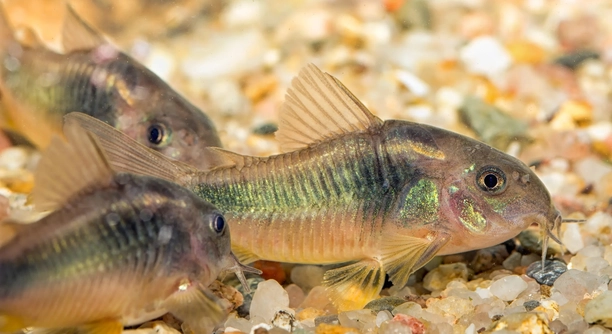
Corydoras catfish are popular aquarium fish, known for their peaceful nature. However, if they aren’t getting along with other fish, it can cause concern. Understanding the reasons behind this behavior is essential for a peaceful tank.
The most common reasons for Corydoras not getting along with other fish include stress, incompatible tank mates, or territorial behavior. Water quality, diet, and the tank’s environment can also play significant roles in these interactions, affecting fish behavior.
Addressing these factors can improve relationships between your Corydoras and other fish in the tank.
Incompatible Tank Mates
Corydoras catfish are peaceful bottom dwellers, but they may struggle with aggressive or territorial fish. Certain species, such as large cichlids or territorial fish, can harass Corydoras, leading to stress or conflict. When choosing tank mates, it’s important to ensure that all fish in the aquarium have compatible temperaments. Consider species that are non-aggressive, share similar water requirements, and won’t infringe on the catfish’s space.
Even non-aggressive fish can become problematic if they are overly active or move too quickly. Corydoras are slower swimmers and may have difficulty escaping other fish that crowd or chase them. Ensuring a calm and balanced environment is crucial for harmony.
A good rule of thumb is to pair Corydoras with other peaceful species, such as small tetras or peaceful livebearers. This helps create a stress-free environment, where all fish can coexist peacefully, minimizing territorial disputes. Observing interactions closely will guide you toward the right balance for a happy tank.
Water Quality
Water quality is a major factor that affects Corydoras’ behavior. Poor water conditions can cause stress and aggressive interactions with other fish. Regular water changes and monitoring of ammonia, nitrate, and pH levels are essential for maintaining a healthy tank environment.
Corydoras are particularly sensitive to changes in water quality. Dirty water can lower their immune systems, making them more susceptible to disease. They can also become agitated in water that is too acidic, alkaline, or improperly filtered. Providing stable conditions reduces the chances of unwanted behavior and promotes overall health. A well-maintained tank is crucial for keeping the Corydoras calm and content, which in turn ensures a better relationship with other fish in the aquarium.
Stress and Environmental Factors
Corydoras catfish can become stressed due to changes in their environment. Factors such as sudden temperature fluctuations, overcrowding, or noisy surroundings can disrupt their peaceful nature. Even slight disturbances can lead to aggression towards other fish.
Stress can weaken their immune systems, causing them to become more sensitive to environmental changes. This may result in heightened defensiveness, making interactions with other fish more difficult. Keeping the tank environment consistent and quiet helps reduce stress and allows the Corydoras to thrive. Providing hiding spots and plants can also offer them a sense of security.
A stable environment is key to preventing conflicts. A tank with low light, calm water movement, and plenty of hiding spaces encourages your Corydoras to feel at ease, making them less likely to react negatively toward other tankmates. This simple adjustment can go a long way in fostering peace in your aquarium.
Diet and Feeding Habits
A poor diet can directly affect a Corydoras’ behavior and their interactions with other fish. If they are underfed or not receiving the right nutrients, they may become more aggressive, especially around food. A balanced, varied diet is crucial for their well-being.
Corydoras are bottom-feeding fish, often scavenging for food that sinks to the tank floor. If there is competition for food with other species, they might become territorial. Offering plenty of food options ensures they are not fighting for resources. A high-quality sinking pellet, along with occasional frozen foods, will satisfy their dietary needs.
Feeding your Corydoras properly helps maintain their energy and reduces aggression. When they’re well-fed, they are less likely to exhibit disruptive behavior. A proper diet not only benefits their health but also helps maintain peaceful interactions with other fish, ensuring harmony in the tank.
Tank Size and Space
An overcrowded tank can lead to stress and aggressive behavior in Corydoras. They require space to move freely and to establish territories. Providing enough room for each fish helps minimize conflict.
A tank that’s too small doesn’t allow fish to avoid each other or find peaceful spots. This creates tension, leading to aggression, especially among more active fish. For a calm environment, a larger tank with ample space reduces competition and stress for your Corydoras. It’s important to balance the number of fish with the size of your tank to ensure everyone is comfortable.
Temperature and pH Levels
Corydoras are sensitive to temperature and pH changes, which can affect their behavior. Water that’s too warm or cold can cause them to act aggressively toward others. Keeping the water temperature stable within the recommended range is essential.
The ideal temperature for Corydoras is between 72-78°F (22-26°C), with a pH of 6.5-7.5. Fluctuations outside these ranges can cause distress, affecting interactions with other tank mates. Consistent water conditions promote well-being and peaceful behavior. A reliable heater and regular water testing can help maintain the correct environment for a harmonious tank.
Overactive Fish
Some fish species are naturally more active and can easily overwhelm Corydoras. Fast-moving fish or those that hover around the tank can cause stress to slower-moving species like Corydoras.
When the tank contains fast-swimming species, Corydoras may feel the need to hide or avoid interactions. Pairing them with similarly paced fish allows them to feel more comfortable. It’s important to observe your fish’s activity levels to ensure all species are compatible. Slower-moving fish are less likely to stress out and can peacefully share the space with Corydoras.
FAQ
Why is my Corydoras catfish being aggressive toward other fish?
Corydoras are usually peaceful fish, but they can show aggression when they feel stressed or threatened. Common causes include incompatible tank mates, poor water conditions, or overcrowding. They may also become territorial when competing for food or space. Ensuring proper tank size, water quality, and selecting compatible tank mates can help reduce aggression.
Can Corydoras catfish live with bettas?
Corydoras are typically peaceful, and bettas can be too, but the two don’t always mix well. Bettas are territorial and may attack slow-moving fish like Corydoras. The presence of long fins in bettas might also irritate Corydoras, leading to stress. It’s best to house them in separate tanks unless there is enough space and hiding spots for both.
What should I do if my Corydoras catfish is being bullied by other fish?
If your Corydoras is being bullied, the first step is to identify the aggressor. Separate the fish if necessary to prevent harm. Consider rehoming aggressive fish or adding more hiding spots and plants to reduce stress. Ensure all tankmates are peaceful and have compatible personalities to avoid conflict.
Can I keep Corydoras with goldfish?
Goldfish and Corydoras generally have different care needs. Goldfish are cold-water fish, while Corydoras prefer warmer water. Additionally, goldfish may be too large or active, stressing out the Corydoras. If you want to keep both species, it’s important to ensure their tank conditions meet the requirements of both types, but they might not be ideal companions in the long term.
Do Corydoras need a specific tank setup?
Corydoras thrive in tanks with soft substrate, such as fine gravel or sand. They spend much of their time on the tank floor, so harsh or sharp gravel can damage their delicate barbels. A well-filtered tank with plenty of hiding spots, plants, and a stable temperature also benefits their well-being.
How often should I feed Corydoras catfish?
Corydoras are bottom feeders and should be given a small amount of food twice a day. They enjoy sinking pellets, frozen foods, and live foods. Overfeeding can lead to water quality issues, so it’s important to remove any uneaten food after a few hours. This helps maintain clean water conditions.
Why does my Corydoras catfish hide all the time?
Corydoras often hide if they feel stressed or insecure. They are naturally shy, especially in new environments or when there are aggressive tankmates. Providing plenty of hiding spots like caves, plants, or driftwood can help them feel safe. Additionally, make sure the water conditions are ideal and stable.
Can Corydoras catfish live in a tank with shrimp?
Corydoras and shrimp can often live together peacefully. Both species prefer the bottom of the tank, but Corydoras are generally not aggressive toward shrimp. However, small or baby shrimp may be at risk, especially if the Corydoras are large or hungry. It’s a good idea to monitor the tank and ensure the shrimp have plenty of hiding spaces.
How do I know if my Corydoras is sick?
Signs of illness in Corydoras include lethargy, loss of appetite, damaged fins or barbels, and abnormal swimming patterns. They may also display changes in color or develop spots on their bodies. If you notice these signs, it’s important to assess the water quality and isolate the affected fish to prevent spreading any potential illness.
Can Corydoras be kept with other bottom-dwelling fish?
Corydoras generally do well with other bottom-dwelling fish, as long as the tank is large enough to accommodate all species. However, some bottom dwellers, such as certain catfish species, can be territorial. It’s best to choose peaceful tankmates that won’t compete aggressively for space or food.
What is the best water temperature for Corydoras catfish?
Corydoras prefer water temperatures between 72-78°F (22-26°C). They are sensitive to extreme temperature changes, so it’s important to keep the water within this range. Sudden fluctuations in temperature can cause stress and affect their behavior, leading to potential conflicts with other fish.
Can Corydoras live with tetras?
Yes, Corydoras often do well with peaceful tetra species. Both prefer calm waters and are compatible in terms of behavior. Tetras are generally active in the upper parts of the tank, while Corydoras remain at the bottom. This natural division can help them coexist peacefully. Ensure the tetras are not overly aggressive, as that could stress the Corydoras.
Why do my Corydoras keep swimming to the surface?
If your Corydoras are swimming to the surface frequently, it could be a sign of poor water quality, such as low oxygen levels or high ammonia/nitrate concentrations. Make sure to check the water parameters and perform regular water changes. It’s important to maintain a stable and clean environment for their health.
Can Corydoras be kept in a tank with live plants?
Yes, Corydoras thrive in tanks with live plants. Plants help create hiding spots and provide a more natural environment. They also help maintain water quality by absorbing excess nutrients. Just make sure the plants are not too tall or dense, as this could limit the swimming space for your Corydoras.
Do Corydoras need to be in groups?
Corydoras are social fish and feel more comfortable when kept in groups. A group of at least six Corydoras will help reduce stress and allow them to engage in natural behaviors, such as schooling and foraging together. Keeping a single Corydoras can cause loneliness and stress, leading to aggressive behavior or health issues.
How can I reduce aggression in my Corydoras tank?
To reduce aggression, make sure to maintain a peaceful tank environment. Provide plenty of hiding spots, avoid overcrowding, and choose compatible tank mates. Regular water changes and maintaining stable water conditions are also key to ensuring all fish remain calm and peaceful. Reducing stress in the tank helps to foster good relationships between Corydoras and other fish.
Final Thoughts
Corydoras catfish are typically peaceful and hardy fish, making them a great addition to many aquariums. However, like any species, they may experience issues when their environment is not ideal or when they are kept with incompatible tank mates. Understanding their needs and behavior is crucial to maintaining a peaceful tank. When their environment is properly set up with appropriate water conditions, tank size, and compatible fish, Corydoras are much more likely to thrive and get along with others.
It’s important to pay attention to signs of stress or aggression, which can often be traced back to environmental factors. Overcrowding, poor water quality, and unsuitable tank mates are the most common causes of conflict in a Corydoras tank. Ensuring a proper tank setup with plenty of hiding spaces, adequate room for movement, and compatible tank mates can greatly reduce the risk of aggression. Regular monitoring of water parameters such as temperature, pH, and ammonia levels can also help keep the tank in a healthy state, reducing stress on all fish.
Ultimately, a well-maintained tank with proper attention to Corydoras’ needs will lead to a harmonious environment. Choosing the right tank mates, ensuring they have enough space, and maintaining stable water conditions are essential steps to preventing aggression and promoting a stress-free life for your fish. By considering their natural behavior and needs, you can ensure that your Corydoras enjoy a peaceful and healthy life alongside their tank mates.

Hello,
If you enjoy the content that we create, please consider saying a "Thank You!" by leaving a tip.
Every little bit helps us continue crafting quality advice that supports the health, happiness, and well-being of pets around the world, for pets of all shapes, sizes, and species.
We really appreciate the kindness and support that you show us!