
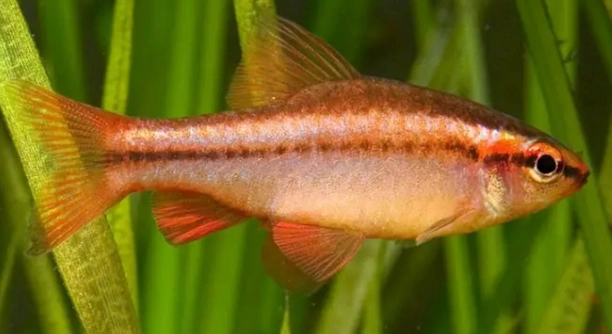
Cherry Barbs are popular among aquarium enthusiasts, known for their vibrant color and peaceful nature. However, like other fish, they can face health issues, including constipation. This condition can affect their overall well-being if not addressed promptly.
Cherry Barbs can indeed experience constipation, typically caused by poor diet, overfeeding, or insufficient fiber. Providing a balanced diet with adequate fiber and ensuring proper water quality can help prevent and treat constipation in these fish.
Addressing constipation in Cherry Barbs is essential for their health. Understanding these key factors can help ensure your fish stay healthy and comfortable in their environment.
Causes of Constipation in Cherry Barbs
Constipation in Cherry Barbs can be triggered by several factors, most commonly related to their diet. Overfeeding is one of the primary causes, as it can lead to an imbalance in digestion. A diet lacking in fiber, which is essential for healthy bowel movement, can also contribute to the issue. Moreover, poor water quality can exacerbate digestive problems. If the water conditions in the tank are not kept clean or at the right temperature, it can weaken the fish’s immune system, making them more susceptible to digestive issues. Other factors, like stress, can also impact their overall health and contribute to constipation.
A lack of fiber is one of the leading causes of constipation in Cherry Barbs. Adding variety to their diet and ensuring a balance of nutrients can help prevent this.
When considering diet, make sure to include foods like high-quality flakes, pellets, and occasional vegetable matter. Avoid overfeeding by offering small amounts throughout the day. You should also monitor water conditions regularly, ensuring that the tank is clean and at the optimal temperature.
How to Fix Constipation in Cherry Barbs
When Cherry Barbs are constipated, adjusting their diet and environment is key to resolving the issue. Offering foods like daphnia, bloodworms, and peas can help stimulate their digestive system. Peas, in particular, are effective because they contain fiber that can help clear up any blockages. If constipation persists, fasting for a day or two is a helpful solution. This break from food allows the fish’s system to reset and clear out any excess matter.
In addition to dietary changes, ensuring proper water quality is essential for the health of your Cherry Barbs. Check that the tank has clean, well-filtered water and that the temperature is within the recommended range of 75 to 80°F. Stress can also worsen constipation, so avoid overcrowding the tank and ensure that your fish have enough space to swim freely.
By keeping a balanced diet, monitoring water conditions, and providing ample space, constipation in Cherry Barbs can usually be avoided or resolved. Regularly making these adjustments will help maintain their overall health and well-being.
Diet Adjustments for Constipated Cherry Barbs
Feeding your Cherry Barbs a varied diet can help prevent constipation. Offer foods that contain fiber, such as peas or daphnia. Avoid overfeeding, as this can lead to digestive issues. By providing the right balance of food, you ensure they get the nutrients they need without the risk of constipation.
High-quality fish flakes or pellets can be supplemented with fresh vegetables like spinach or zucchini. These additions improve digestion and maintain gut health. If you notice any signs of constipation, try offering peas, which are gentle on the digestive system and help to clear blockages effectively.
Another key point is portion control. Instead of feeding your Cherry Barbs once a day, break it up into smaller, more frequent feedings. This method allows their digestive system to process food better, reducing the chances of constipation. Keep the tank clean and monitor water quality as well.
Water Quality and Its Role in Constipation
Water quality plays a significant role in the overall health of Cherry Barbs. Poor water conditions can lead to stress, which in turn can contribute to constipation. Always ensure that the tank is regularly cleaned and that the water is properly filtered.
Maintaining stable water conditions is crucial. Keep the temperature between 75 and 80°F, as this range supports healthy digestion. Also, check the pH levels and ammonia content regularly to prevent stress or illness in your fish. Stress weakens their immune system, making it harder to fight off constipation.
A consistent water change schedule is also important. Clean water helps keep your fish comfortable and reduces the likelihood of digestive problems. Make sure the filter is working efficiently, as stagnant water can harbor harmful bacteria. These small but essential steps help keep your Cherry Barbs in optimal health.
The Impact of Stress on Cherry Barbs’ Digestion
Stress can directly affect the digestion of Cherry Barbs. Factors such as overcrowding, loud noises, or sudden changes in the tank environment can cause anxiety in fish. This stress can disrupt their digestive processes, leading to constipation.
Creating a peaceful and stable environment is key. Ensure that your Cherry Barbs have enough space to swim freely and that tank mates are compatible. Stress from aggressive fish or constant disturbances can hinder digestion and overall health.
Fast Days for Constipation Relief
Fasting your Cherry Barbs for a day or two can be an effective way to help clear up constipation. This gives their digestive system time to reset and eliminate any blockages. Fasting also prevents overfeeding, which can worsen constipation.
After the fasting period, reintroduce food slowly and in small amounts. This allows the digestive system to adjust and reduces the chances of further issues.
When to Seek Veterinary Help
If constipation persists despite dietary adjustments and water quality improvements, it may be time to consult a vet. A persistent issue could indicate an underlying health condition that requires professional care.
Veterinary guidance can help determine the best course of action, ensuring your Cherry Barbs receive proper treatment.
FAQ
Can Cherry Barbs get constipated?
Yes, Cherry Barbs can get constipated. The condition is often caused by overfeeding, lack of fiber in their diet, or poor water quality. Constipation can be resolved by adjusting their diet and ensuring proper water conditions. Including fiber-rich foods like peas and ensuring clean, stable water conditions can prevent and treat constipation.
What are the signs of constipation in Cherry Barbs?
Constipation in Cherry Barbs is typically marked by a lack of bowel movement, lethargy, bloating, or reduced activity. If your Cherry Barb is not eating or appears sluggish, it could indicate digestive distress. If left untreated, constipation can lead to more severe health issues.
How can I prevent constipation in my Cherry Barbs?
To prevent constipation, maintain a balanced diet with fiber-rich foods such as peas or daphnia. Avoid overfeeding, as it can lead to digestive issues. Keep the tank clean, with proper water filtration and temperature within the recommended range. Regular water changes and monitoring for stress can also help.
Is fasting effective for treating constipation in Cherry Barbs?
Yes, fasting for one or two days can help reset the digestive system of Cherry Barbs. Fasting allows the intestines to clear out any excess food or blockages. After the fasting period, gradually reintroduce food to prevent further digestive problems. This approach can be a helpful temporary solution.
How often should I feed my Cherry Barbs?
Feed Cherry Barbs in small amounts throughout the day, rather than offering one large feeding. Overfeeding can contribute to constipation. Providing small portions ensures they can eat all the food without overloading their digestive system. Ideally, feed them once or twice a day, and ensure they finish their meal within a few minutes.
Can poor water quality cause constipation in Cherry Barbs?
Yes, poor water quality can contribute to constipation. Dirty water, improper filtration, and unstable temperature levels can stress Cherry Barbs, leading to digestive problems. Ensure that the water temperature remains between 75-80°F, the pH is stable, and ammonia or nitrite levels are kept in check to avoid stress-related constipation.
What foods should I avoid feeding my Cherry Barbs to prevent constipation?
Avoid feeding your Cherry Barbs food that lacks fiber or is overly rich in protein. Overly fatty or high-protein foods, like excessive amounts of bloodworms or brine shrimp, can slow digestion and contribute to constipation. Stick to a balanced diet that includes high-quality pellets, flakes, and some vegetable matter.
How can I tell if my Cherry Barb is suffering from stress?
Signs of stress in Cherry Barbs include erratic swimming, loss of appetite, fading colors, or hiding. Stress can also be triggered by aggressive tank mates, water temperature fluctuations, or overcrowding. If you notice any of these symptoms, it’s important to adjust their environment to reduce stress and support their health.
What should I do if my Cherry Barb’s constipation doesn’t improve?
If constipation persists after dietary and environmental adjustments, it may be a sign of a more serious health issue. In such cases, consult a vet for advice. A professional can determine if there’s an underlying condition and suggest treatment options to help your Cherry Barb recover.
Can I treat constipation in Cherry Barbs with medicated food?
Medicated food may help in some cases, but it’s usually not necessary for treating constipation unless there’s an underlying infection. The primary treatment for constipation is a diet high in fiber, fasting, and improving water conditions. However, consult a vet before using medicated food to ensure it’s safe and appropriate.
How long does it take for a Cherry Barb to recover from constipation?
Recovery time for a Cherry Barb varies depending on the severity of the constipation. Mild cases often resolve within a day or two with fasting and a change in diet. More severe cases may take longer, especially if the fish has been stressed or the water quality has not been optimal.
Final Thoughts
Constipation in Cherry Barbs is a manageable issue when caught early. Proper care, including a balanced diet with fiber, clean water, and regular tank maintenance, can prevent most digestive problems. These fish thrive in a stable, stress-free environment, and addressing any signs of constipation promptly can help maintain their health. Offering a variety of foods, such as peas or daphnia, along with ensuring their tank conditions are ideal, supports both their digestion and overall well-being.
Maintaining a routine for feeding and water quality is essential. Overfeeding is one of the most common causes of constipation, so portion control is important. Additionally, keeping the tank clean and monitoring water parameters can help reduce stress, which also contributes to digestive issues. Regular water changes are an easy yet effective way to keep the environment safe for your fish. Be mindful of stressors like overcrowding, loud noises, or incompatible tank mates that can disrupt your Cherry Barbs’ health.
If constipation persists despite these efforts, it is crucial to consult with a veterinarian to rule out any underlying health concerns. While most cases of constipation are related to diet or water conditions, prolonged issues can sometimes signal more serious health problems. Regular observation and care will ensure your Cherry Barbs stay healthy, happy, and active for years to come. By paying attention to their diet, environment, and behavior, you can prevent constipation from becoming a recurring problem.

Hello,
If you enjoy the content that we create, please consider saying a "Thank You!" by leaving a tip.
Every little bit helps us continue crafting quality advice that supports the health, happiness, and well-being of pets around the world, for pets of all shapes, sizes, and species.
We really appreciate the kindness and support that you show us!