
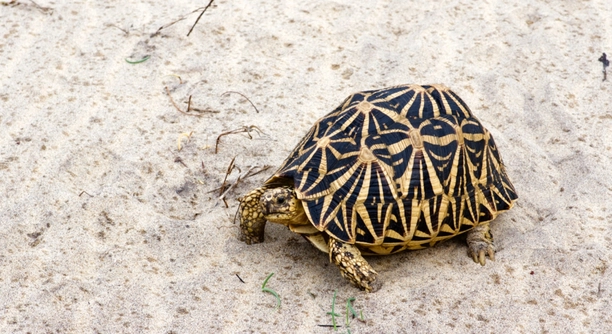
If you’re a turtle owner, you might have noticed that your pet’s water can turn cloudy faster than you’d like. This can be frustrating, especially when you want to keep your turtle’s habitat clean and healthy.
Cloudy water is often caused by poor filtration, overfeeding, or high levels of waste. Bacteria and algae thrive in dirty water, which can quickly cause cloudiness. Inadequate water changes or a crowded tank may also contribute to this issue.
Understanding the causes behind cloudy water will help you make necessary changes. Keeping your tank clean and balanced ensures a healthier environment for your turtle and prevents recurring problems.
The Importance of a Proper Filtration System
One of the most common reasons for cloudy water in a turtle tank is poor filtration. The filter is responsible for cleaning the water by removing waste, leftover food, and bacteria. Without a good filter, these particles stay in the water, causing it to become murky. Turtles are messy creatures, and their tanks can quickly accumulate waste. A weak filter will struggle to keep the water clean, leading to cloudy conditions.
When choosing a filter, make sure it is appropriate for the size of your tank. An underpowered filter won’t be able to handle the waste your turtle produces. Regular maintenance, such as cleaning the filter and replacing the filter media, is crucial for keeping the water clear.
In addition to choosing the right filter, make sure it is placed in an optimal location within the tank. The filter should circulate the water efficiently to avoid stagnant areas. This circulation helps prevent algae growth and keeps your turtle’s home fresh. Filters should also be cleaned at least once a month to ensure proper functionality and water clarity. A well-maintained filtration system can prevent a lot of cloudy water issues and keep your turtle happy and healthy.
Overfeeding and Its Effects on Water Quality
Overfeeding your turtle is another key factor in cloudy water. Leftover food decays in the tank, leading to high nutrient levels, which encourages bacteria and algae growth.
Turtles are slow eaters, so it’s easy to forget how much you’ve fed them. It’s important to only feed your turtle what it can consume in about 15 minutes. Any uneaten food should be removed immediately to prevent it from polluting the water.
High Levels of Waste
Turtles produce a lot of waste, and this can quickly affect the clarity of the water. Uneaten food, feces, and other organic matter break down and create particles that cloud the water. If waste isn’t removed regularly, it will contribute to murky conditions.
A good cleaning routine is essential to control waste buildup. Regular water changes, at least once a week, can help maintain water quality. Be sure to remove visible waste, such as leftover food and debris, daily. This will prevent waste from breaking down in the water and creating problems.
Investing in a reliable gravel vacuum or siphon will also help you remove waste that settles at the bottom of the tank. These tools are great for cleaning up organic matter without disturbing your turtle’s environment too much. By keeping the tank free of waste, you can maintain clearer water and a healthier habitat.
Algae Growth and How to Manage It
Algae thrive in environments with excess nutrients, like high levels of ammonia, nitrates, or light. If your tank gets too much sunlight or you overfeed, it can lead to algae blooms, turning your water cloudy.
To prevent algae, reduce the amount of light your tank gets. Turtles don’t need constant exposure to direct sunlight. Consider using a light timer to limit their exposure, and avoid placing the tank in a sunny spot. Regularly cleaning the tank and reducing excess nutrients can help stop algae growth.
Infrequent Water Changes
If you aren’t changing the water often enough, it can lead to cloudy conditions. Over time, waste and bacteria accumulate, making the water murky. Regular water changes help dilute these impurities and keep the tank cleaner.
Ideally, you should change 20-25% of the water every week. This helps prevent buildup and maintains better water quality. Skipping water changes or doing them too infrequently can cause the water to turn cloudy, no matter how well you maintain other aspects of the tank.
Tank Size and Overstocking
A small tank with too many turtles or other tank mates will quickly lead to poor water quality. Overstocking leads to more waste, making it harder for the filtration system to keep up.
Make sure the tank is large enough for your turtle to move freely and have enough space. A general rule is at least 10 gallons of water per inch of turtle shell. Larger tanks make it easier to maintain clean water, and fewer animals help prevent overcrowding.
FAQ
Why is my turtle’s water cloudy after cleaning?
If your turtle’s water turns cloudy shortly after cleaning, it could be due to leftover waste or uneaten food. Even with a fresh cleaning, bacteria and other microorganisms may still be present in the tank, causing cloudiness. It’s important to remove all visible waste and debris before refilling the tank. You should also make sure the filter is functioning properly and clean the gravel or substrate to avoid particles from mixing back into the water. Additionally, if the water has been treated with chemicals, they can sometimes cause temporary cloudiness before settling.
How can I clear cloudy water fast?
To clear cloudy water quickly, start by performing a partial water change and cleaning the tank thoroughly. Use a gravel vacuum to remove any debris or waste stuck at the bottom. Check the filter and clean or replace it if necessary. You may also want to add a water clarifier, which helps bind particles together, making them easier for the filter to remove. Lastly, consider lowering the light exposure to prevent algae growth, which can cause cloudiness.
Can cloudy water harm my turtle?
Cloudy water itself may not directly harm your turtle, but it can indicate poor water quality. Over time, this can lead to health issues, including skin and shell infections or respiratory problems. If left unchecked, bacteria and algae growth in the water can contribute to an unhealthy environment. It’s essential to maintain proper water quality by regular cleaning, water changes, and monitoring the filtration system to prevent potential harm to your turtle.
Should I remove my turtle when changing the water?
It’s generally a good idea to remove your turtle while cleaning the tank, especially during large water changes. This minimizes stress and prevents accidental injury from cleaning equipment. Place your turtle in a temporary holding container with a bit of water from its tank while you clean. Make sure the container is secure and has a temperature similar to its usual environment.
How often should I change the water in my turtle’s tank?
You should change 20-25% of the water in your turtle’s tank every week. If the tank is very dirty or the turtle is particularly messy, you may need to do larger or more frequent water changes. If you have a larger tank and a powerful filtration system, you may be able to stretch this interval slightly, but regular changes are still important for maintaining water quality.
Can overfeeding cause cloudy water?
Yes, overfeeding can definitely cause cloudy water. Uneaten food breaks down in the water, increasing the nutrient load and encouraging bacteria and algae growth. To prevent this, only feed your turtle what it can eat in 10-15 minutes, and remove any leftover food immediately. It’s also helpful to monitor the amount of food given each time to avoid overfeeding.
What is the best filter for a turtle tank?
The best filter for a turtle tank depends on the size of the tank and the number of turtles. Canister filters are often the most effective choice for larger tanks as they offer powerful filtration. For smaller tanks, a good hang-on-back filter or internal filter can work well. Ensure the filter’s flow rate is suitable for your tank’s size to keep the water circulating and filtered properly. A good rule is to aim for a filter that can process at least 2-3 times the tank’s volume per hour.
Why is my turtle tank always dirty?
If your turtle tank is always dirty, it could be due to several factors. It may be overstocked with too many turtles or tank mates, the filtration system may not be powerful enough, or you’re not doing frequent enough water changes. Regular maintenance is key. Also, overfeeding your turtle or not removing waste frequently can contribute to dirty water. Make sure to clean the tank thoroughly, adjust the filtration system, and monitor water changes to prevent this issue.
Is cloudy water a sign of a problem in the tank?
Cloudy water can be a sign of several issues. It often indicates poor water quality, either from excess waste, overfeeding, inadequate filtration, or algae growth. If your turtle’s water is cloudy, it’s important to identify the underlying cause and take action. Regular water changes, proper filtration, and monitoring food amounts can help maintain clearer water. If the problem persists, consider getting a water test kit to check for high ammonia, nitrate, or nitrite levels, which could be contributing to the cloudiness.
Can algae cause cloudy water?
Yes, algae can cause cloudy water. Algae thrive in tanks with excessive nutrients, such as from uneaten food or overfeeding, as well as from too much light. If algae are responsible for the cloudiness, you’ll notice the water has a greenish tint. To prevent algae growth, reduce the amount of light your turtle tank receives, limit feeding, and keep the water clean. Regularly clean the tank and perform water changes to remove algae buildup.
Final Thoughts
Cloudy water in a turtle tank can be a frustrating problem, but it’s usually manageable once you understand the causes. Often, the issue is linked to poor filtration, overfeeding, or high levels of waste. By making small changes, such as adjusting your cleaning routine, improving filtration, and monitoring the amount of food you give your turtle, you can prevent cloudy water and maintain a healthier tank. These steps not only improve the water clarity but also create a better environment for your turtle to thrive in.
Regular maintenance is key to keeping the water clear. It’s important to stay consistent with water changes and cleaning the filter. This helps reduce waste buildup and bacteria, two common causes of cloudy water. Removing any leftover food immediately after feeding and not overstocking the tank are also essential steps to avoid cloudiness. Even though it can take a little extra time, a clean tank is much easier to maintain over the long run. With the right approach, keeping your turtle’s home fresh won’t feel like such a chore.
Lastly, be patient and allow time for the changes to take effect. It may take a little while for the water to clear, especially if the cloudiness is caused by bacterial growth or algae. But by consistently addressing the root causes and maintaining a regular cleaning routine, you will notice a significant improvement. In the end, a healthy and clean environment will benefit not only the clarity of the water but also your turtle’s well-being.

Hello,
If you enjoy the content that we create, please consider saying a "Thank You!" by leaving a tip.
Every little bit helps us continue crafting quality advice that supports the health, happiness, and well-being of pets around the world, for pets of all shapes, sizes, and species.
We really appreciate the kindness and support that you show us!