
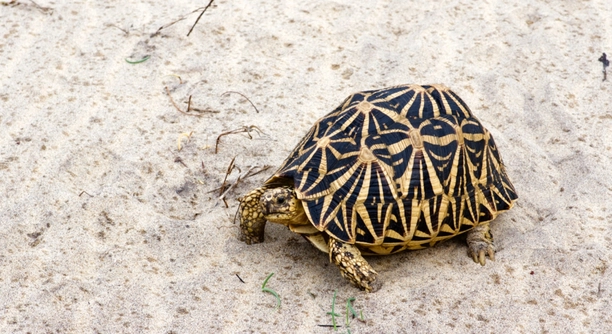
Turtles are fascinating creatures, but sometimes they can be picky eaters. If your turtle isn’t eating as much as you’d like, there could be various reasons behind it. This article will offer helpful tips to encourage your turtle to eat better.
The most common methods to improve a turtle’s appetite include adjusting its diet, ensuring proper temperature, offering a variety of foods, and reducing stress. A balanced approach can help restore its interest in eating and improve overall health.
Understanding your turtle’s eating habits and the factors affecting its appetite can be key to helping it thrive. These tips can guide you in making positive changes for your turtle’s health and happiness.
1. Adjusting Your Turtle’s Diet
Turtles are often picky eaters, and the food you offer can greatly impact their appetite. A common reason for a lack of interest in food is a limited variety. Some turtles enjoy leafy greens, while others may prefer insects, fish, or even fruit. It’s important to mix up their diet to prevent boredom. Offering different food options ensures they get the right nutrients. Experimenting with different textures and flavors might also stimulate their interest in eating. If your turtle has a strong preference for a certain type of food, offering it alongside something new can encourage them to try different options.
Changing the size of food can also help. Some turtles struggle with food that’s too large, while others need more challenging meals. Offering smaller, bite-sized pieces might encourage them to eat more. Additionally, providing foods high in calcium and vitamins ensures their overall health while improving appetite.
When it comes to feeding, consistency is key. Make sure to offer food at regular intervals. If the turtle isn’t interested at first, try offering smaller portions throughout the day to see if it helps.
2. Temperature and Habitat
Turtles are cold-blooded, and their appetite can be greatly influenced by temperature. If their habitat isn’t warm enough, they may not feel like eating. A proper basking area is essential for maintaining their body temperature. This spot should be between 85°F and 95°F for most species, allowing them to regulate their body temperature. A thermometer can help ensure the temperature is just right.
If the water is too cold or too warm, it could lead to lethargy or a lack of interest in food. You can adjust the water temperature based on your turtle’s specific species needs, but generally, temperatures between 75°F and 80°F are ideal for many. To keep your turtle comfortable and encourage eating, make sure its habitat matches the needs of its species.
Providing the right lighting is also essential. UVB light helps turtles metabolize calcium, and without it, they might lose their appetite or become unwell.
3. Stress and Its Impact
Stress can make a turtle lose its appetite. Changes in its environment, handling, or even loud noises can cause stress. A stressed turtle may hide or become more sluggish, which leads to decreased eating. Ensuring a calm and quiet space can help your turtle feel more at ease.
If you’ve recently moved your turtle to a new tank or changed its habitat setup, it may be stressed. This can take some time to adjust. If there are other pets or excessive human activity around its habitat, try to minimize disturbances. A consistent and peaceful environment is crucial for its well-being.
A good way to reduce stress is to avoid handling your turtle too much. Let it explore and bask at its own pace without feeling overwhelmed. Stress is a major factor in eating issues, so creating a stable environment should help improve its appetite over time.
4. Offering Fresh, High-Quality Food
Fresh, high-quality food can entice a turtle to eat more. Offering fresh vegetables and live prey like worms or insects can spark its interest. Stale or overly processed food may not have the same appeal. Providing food with natural nutrients also supports your turtle’s health.
Some turtles are more likely to eat if the food is properly prepared. For example, washing leafy greens thoroughly or cutting them into smaller pieces can make them more appetizing. Live food, such as insects or small fish, tends to grab their attention more than non-living food. Offering fresh food can stimulate their natural hunting instincts.
The variety of food you offer also matters. It’s essential to include both plant-based and animal-based food to meet their nutritional needs. Offering a balanced mix of fresh foods helps keep your turtle’s appetite up while ensuring it gets the right nutrients.
5. Proper Tank Size
A proper tank size is essential for your turtle’s appetite. If the tank is too small, your turtle may feel cramped and stressed, which can affect its eating habits. A spacious tank allows your turtle to move around and feel more comfortable, making it more likely to eat.
Having the right tank size also helps maintain proper water quality. Smaller tanks can get dirty quickly, which can stress your turtle out. A larger tank allows for better filtration, keeping the water cleaner and more suitable for your turtle. It’s important to make sure the tank has plenty of space for your turtle to roam freely.
Keeping the tank clean and large enough for your turtle to move around comfortably will not only improve its appetite but also ensure it stays healthy and active.
6. Feeding Schedule
Establishing a regular feeding schedule can help your turtle’s eating habits. Turtles thrive on routine, and knowing when to expect food can stimulate their appetite. Offering food at the same time each day helps your turtle stay on track with eating.
If you’re feeding your turtle too frequently or irregularly, it may lose interest. A consistent feeding schedule allows your turtle to anticipate meals, which may improve its eating behavior. You should adjust the portions based on the turtle’s needs but try to stick to the same time each day to create a predictable routine.
A steady routine promotes better eating and overall health for your turtle.
7. Check for Health Issues
If your turtle’s appetite doesn’t improve despite trying different methods, it’s important to check for any underlying health problems. Illnesses such as respiratory infections or digestive issues can make your turtle feel lethargic and cause a loss of appetite. A vet visit can help rule out any health concerns.
A thorough checkup by a reptile vet is important. If you notice symptoms like lethargy, wheezing, or abnormal behavior, it could be a sign of an illness. In some cases, treatment or medication may be necessary to restore your turtle’s appetite. Always consult with a professional for the best care.
It’s important to address any health concerns quickly to help your turtle feel better and regain its appetite.
FAQ
Why isn’t my turtle eating?
There can be several reasons why your turtle isn’t eating. One common cause is stress, whether it’s due to a recent change in habitat, improper water temperature, or loud noises around its tank. Another possibility is that your turtle is not being offered a varied enough diet. If the food is always the same, it might lose interest. Environmental factors, such as an unclean tank or too-small of a space, can also affect appetite. It’s important to make sure your turtle’s habitat is suitable, stress-free, and that you’re providing a variety of fresh foods.
How often should I feed my turtle?
The frequency of feeding depends on the age and species of your turtle. Younger turtles tend to need more food and should be fed every day, while adult turtles can be fed less frequently, usually every two to three days. It’s crucial to offer an appropriate amount of food to avoid overfeeding or underfeeding. Some turtles may be fine with a single meal a day, while others may require two meals. Regular feeding at consistent times helps create a routine and can stimulate your turtle’s appetite.
What foods should I offer my turtle to improve its appetite?
To improve your turtle’s appetite, offer a variety of fresh, high-quality foods. Leafy greens such as kale, collard greens, and dandelion greens are great for most turtles. You can also provide aquatic plants like water lettuce and duckweed. Some turtles enjoy animal-based foods such as worms, crickets, small fish, or shrimp. Offering a combination of plant-based and animal-based foods ensures they’re getting all the nutrients they need. Don’t forget to offer calcium-rich foods, such as cuttlebone or calcium supplements, which are essential for your turtle’s health.
Can a turtle’s environment affect its appetite?
Yes, a turtle’s environment plays a major role in its appetite. Turtles are cold-blooded animals, and if their habitat isn’t at the right temperature, they may not feel like eating. The water temperature should be between 75°F and 80°F, and the basking area should be around 85°F to 95°F. If the tank is too cold or too hot, your turtle may become lethargic and refuse to eat. Providing proper lighting, including UVB light, is also essential. A well-maintained tank with clean water and plenty of space will keep your turtle comfortable, encouraging better eating habits.
What should I do if my turtle refuses to eat for a long time?
If your turtle refuses to eat for an extended period, it’s important to check for underlying issues. First, ensure the temperature and lighting in the tank are correct. Also, check for signs of stress, such as hiding, aggression, or abnormal behavior. If environmental adjustments don’t improve the situation, your turtle may have a health issue. Common problems like respiratory infections or gastrointestinal issues can affect their appetite. In such cases, it’s best to take your turtle to a reptile vet to rule out any health concerns.
How can I tell if my turtle is sick and not just picky?
Sick turtles may show signs such as lethargy, watery eyes, wheezing, or swollen limbs. If your turtle’s appetite has decreased along with these symptoms, it could be an indication of an illness. Changes in behavior, such as abnormal hiding, lack of movement, or difficulty swimming, may also signal health issues. If your turtle is consistently refusing food and showing signs of illness, it’s important to consult a reptile vet. They can diagnose the problem and recommend the right treatment to get your turtle back to good health.
Should I give my turtle treats to encourage eating?
Treats can be a great way to encourage eating, but they should only be offered in moderation. High-protein treats like mealworms or shrimp can get your turtle’s attention, but they shouldn’t replace their regular diet. Treats should be used as a supplement, not as a main source of food. They can help tempt your turtle to eat when it’s being picky. Always make sure treats are safe for your specific species of turtle and avoid overfeeding them, as too many treats can lead to nutritional imbalances.
How long can a turtle go without eating?
The amount of time a turtle can go without eating depends on its species, size, and overall health. Healthy adult turtles can usually go without food for a few weeks, especially if they’re in good condition and their environment is optimal. However, if your turtle refuses to eat for more than a few days, it’s important to monitor it closely for signs of illness. If your turtle is young, sick, or showing signs of distress, it may be more vulnerable to prolonged periods without food. In these cases, it’s best to seek veterinary advice sooner rather than later.
What kind of tank setup is best for encouraging a turtle to eat?
A proper tank setup is essential for your turtle’s overall health and appetite. It should include clean water, proper filtration, and a basking area with appropriate temperature and lighting. The water temperature should be around 75°F to 80°F, and the basking area should be heated to 85°F to 95°F. UVB lighting is necessary for turtles to metabolize calcium and maintain good health. A tank that’s large enough for your turtle to move freely will help reduce stress and improve its appetite. Regular tank cleaning and maintenance are also important to create an inviting environment.
Final Thoughts
Taking care of a turtle’s appetite requires attention to various factors that influence their eating habits. A turtle may refuse food due to stress, improper environmental conditions, or even boredom with their diet. It’s important to address these areas to ensure your turtle stays healthy and happy. Providing a variety of fresh food, maintaining the right tank temperature, and ensuring that their environment is calm and clean can make a big difference in their eating patterns. When these factors are well-managed, your turtle will be more likely to eat regularly and enjoy a balanced diet.
Regular monitoring of your turtle’s health and environment will help you spot issues before they become major problems. It’s always best to observe your turtle for any signs of stress or illness. If your turtle’s appetite does not improve despite your best efforts, it may be time to consult with a reptile vet. They can help identify any potential health concerns that might be affecting your turtle’s eating habits. Additionally, the vet can provide advice on how to treat any underlying conditions and get your turtle back on track.
Ultimately, improving a turtle’s appetite comes down to understanding their needs and creating a comfortable, suitable environment. By adjusting their diet, habitat, and daily routine, you can help your turtle regain its appetite and maintain a healthy lifestyle. Remember that turtles, like all pets, require patience and care, and providing them with the right conditions will lead to better health and well-being over time.

Hello,
If you enjoy the content that we create, please consider saying a "Thank You!" by leaving a tip.
Every little bit helps us continue crafting quality advice that supports the health, happiness, and well-being of pets around the world, for pets of all shapes, sizes, and species.
We really appreciate the kindness and support that you show us!