
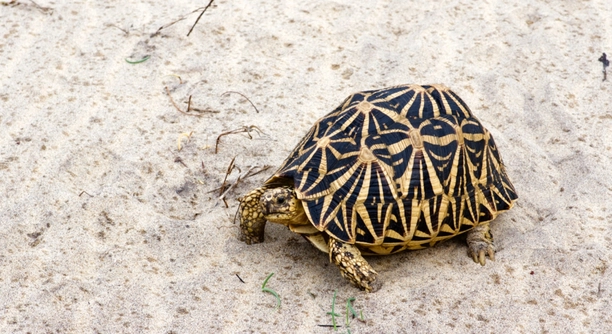
Turtles are fascinating creatures that require special care to thrive. If you notice your turtle’s tail getting shorter, it could be a sign of an underlying issue. Understanding this change can help you protect your pet’s health.
A shorter tail in turtles could indicate various causes, including injury, infection, or a problem with their environment. Turtles may also shed parts of their tail as a response to stress or discomfort.
Knowing why this happens and how to address it will help you ensure your turtle’s well-being. Read on to discover the potential reasons behind this change and how you can prevent it.
Possible Causes for a Turtle’s Tail Shrinking
A turtle’s tail shrinking could be a sign of injury, infection, or stress. Injuries are common for turtles, especially if they are housed with other turtles or in an environment with sharp objects. If a part of the tail is missing or appears to be getting smaller, it may have been damaged during a fight or rough handling. Additionally, infections caused by bacteria or fungi can lead to tissue loss or shrinking. Turtles in poor health or living in unclean tanks are more susceptible to infections. Stress is another factor; if your turtle feels threatened, it may shed its tail to escape predators, although this is rare.
Injuries are often the most obvious cause of tail loss, and they can be treated with proper care. If you notice swelling or discoloration around the tail, an infection might be present.
Environmental stress can also be a factor. Ensure your turtle’s tank is spacious, clean, and free from overcrowding. Regular water changes and keeping the temperature consistent can also help prevent health issues.
Infection and Tail Health
Infections are one of the most serious issues that could be causing your turtle’s tail to shrink. Bacterial or fungal infections can spread quickly and lead to severe damage if not treated. These infections often show up with symptoms like redness, swelling, and an unusual odor. If your turtle’s tail appears to be rotting or has a greenish tint, this is a strong sign of infection. The most common bacterial infections in turtles are caused by poor water quality and can affect different parts of their body, including the tail.
If you suspect an infection, you must act quickly. Start by cleaning your turtle’s tank thoroughly and making sure the water is at the proper temperature. You might also want to isolate your turtle to prevent it from infecting others. In some cases, a veterinarian will prescribe antibiotics or antifungal medication to treat the infection. It is important to follow their advice and ensure your turtle gets the right care to recover fully.
Stress and Environmental Factors
Turtles are sensitive to their environment, and stress can lead to behavioral changes like tail loss. If the tank is overcrowded or the conditions aren’t ideal, it can cause your turtle to react in a way that harms its health.
The temperature of the water, the size of the tank, and the presence of other turtles can all contribute to stress. A turtle feels threatened if it doesn’t have enough space to swim or bask comfortably. Additionally, changes in water quality, such as dirty or unfiltered water, can also contribute to stress, leading to a reduction in tail size or even loss.
Even sudden changes in routine or handling can stress out a turtle. Regularly cleaning your turtle’s tank and providing appropriate hiding spots can help reduce anxiety. If there’s another turtle in the tank, it’s important to ensure they’re compatible to prevent territorial aggression.
Poor Nutrition and Lack of Care
Turtles need proper nutrition to stay healthy, and an imbalanced diet can lead to tail problems. Deficiencies in essential nutrients can affect the growth and maintenance of the tail.
If your turtle isn’t getting enough vitamins and minerals, it might experience issues with its skin and tail. Offering a balanced diet rich in calcium and vitamins will support your turtle’s overall health, preventing any potential issues with the tail. You can provide leafy greens, high-quality pellets, and the occasional protein source. A lack of variety in their food can also lead to nutritional deficiencies, weakening their immune system and making them more vulnerable to infections.
Regular vet check-ups will help ensure your turtle is getting the right diet. In some cases, a supplement may be needed to correct deficiencies.
Tail Rot and Decomposition
Tail rot is a serious condition that causes parts of the tail to decay. It’s usually caused by bacterial or fungal infections that affect the tissue. If left untreated, it can result in the complete loss of the tail.
Infected areas may turn dark, soft, or mushy, and you may notice a foul smell. Poor water conditions, such as dirty water or improper temperature, are common contributors to tail rot. If you spot these signs, it’s crucial to act fast and get your turtle medical attention.
Healing and Recovery Process
Healing from tail injuries or infections requires a clean, controlled environment. Keeping the water at the right temperature and maintaining hygiene is critical for recovery. If there’s an open wound, you may need to use a turtle-safe antiseptic.
Make sure the tank has proper filtration, and change the water frequently to prevent further bacterial growth. Ensure your turtle has access to UVB light, which is essential for healing. It’s also important to monitor your turtle’s behavior for any signs of stress or discomfort.
FAQ
What are the signs of a turtle tail injury?
Turtle tail injuries are often easy to spot. Look for visible cuts, swelling, or redness around the tail. If the tail is shorter or discolored, it could be an indication of an injury. In severe cases, there might be open wounds or bleeding. You may also notice the turtle behaving differently, such as avoiding movement or being more lethargic. If the injury was caused by other turtles, the tail may have bite marks or tears.
How can I prevent tail injury in my turtle?
Preventing tail injury starts with creating a safe and spacious environment for your turtle. Avoid overcrowding and provide enough hiding spots for each turtle to feel secure. Be mindful when handling your turtle to avoid unintentional injury. It’s also important to check the tank for any sharp objects or rough surfaces that could hurt the turtle.
Can tail loss happen naturally in turtles?
Yes, some turtles may naturally lose part of their tail due to stress, injury, or environmental factors. In rare cases, turtles can shed part of their tail as a defense mechanism, similar to how some lizards lose their tails. However, if the tail loss seems unusual or accompanied by other symptoms, it’s best to consult a vet.
Is tail rot treatable in turtles?
Yes, tail rot is treatable if caught early. The first step is to remove the turtle from the contaminated environment and clean the tank thoroughly. You may need to treat the affected area with an antiseptic recommended by a veterinarian. In some cases, antibiotics may be necessary. Keeping the water clean and at the proper temperature can also help prevent further issues.
What should I do if I think my turtle has an infection?
If you suspect an infection, isolate your turtle from any other pets to avoid spreading it. Clean the tank and check the water quality to eliminate potential sources of bacteria or fungi. You can apply turtle-safe antiseptic to the infected area, but it’s crucial to seek professional veterinary care. The vet may prescribe antibiotics or other treatments to help your turtle recover.
Can stress affect my turtle’s tail?
Yes, stress can have a significant impact on a turtle’s health, including the condition of its tail. Stress can cause your turtle to act defensively, possibly leading to self-mutilation or shedding part of its tail. Environmental stressors such as overcrowding, poor water quality, or territorial disputes between turtles can all trigger stress-related issues.
How can I reduce stress in my turtle?
To reduce stress, create a calm and comfortable environment for your turtle. Ensure the tank is large enough for the turtle to swim and bask freely. Keep the water clean and maintain the correct temperature. Provide enough hiding spaces, and if there are multiple turtles, make sure they are compatible. Limit handling and avoid loud noises or sudden movements around the tank.
Can improper diet cause tail problems in turtles?
Yes, a poor diet can lead to various health issues, including problems with the tail. Turtles need a balanced diet rich in vitamins, minerals, and calcium. Without the proper nutrients, their immune system can weaken, making them more susceptible to infections that may affect their tail. A lack of variety in their food can also lead to nutritional deficiencies.
What is the best diet for a turtle?
A good diet for a turtle should include a mix of leafy greens, high-quality turtle pellets, and occasional protein sources like worms, fish, or crickets. You can also offer fruits, but they should be given in moderation. Calcium supplements, especially for turtles that don’t get enough sunlight or UVB light, can help keep their bones and tail healthy.
How often should I change the water in my turtle’s tank?
Changing the water regularly is essential for maintaining a healthy environment. Depending on the size of the tank and the number of turtles, the water should be changed at least once a week. For larger tanks with better filtration, you might change the water every two weeks. In addition to regular water changes, keep an eye on water quality, pH levels, and temperature.
Can I use antiseptics or medications on my turtle at home?
You can use some turtle-safe antiseptics to treat minor cuts or scrapes. However, for more serious conditions like tail rot or infections, it’s best to consult a veterinarian. Using the wrong type of medication can harm your turtle or make the condition worse. Always check with a professional before trying new treatments at home.
When should I consult a veterinarian for my turtle?
You should consult a veterinarian if you notice any signs of infection, such as swelling, discharge, or a foul smell around the tail. If the tail is severely damaged or if your turtle is behaving unusually, a vet visit is also necessary. It’s important to get a professional diagnosis to ensure the right treatment and prevent further health complications.
Final Thoughts
Taking care of a turtle involves more than just providing a tank and feeding them regularly. They are delicate creatures that can be affected by several factors, including their environment, diet, and even stress. If you notice your turtle’s tail getting shorter or showing signs of injury or infection, it’s important to act quickly. The sooner you identify the issue, the better chance your turtle has for a full recovery. Paying attention to these signs can make a significant difference in your pet’s health and well-being.
Turtles rely heavily on a clean, safe environment to thrive. Poor water quality, overcrowding, and lack of space can all contribute to stress, which can lead to physical issues like tail loss. Providing the right conditions, including proper tank size, water temperature, and filtration, can go a long way in preventing health problems. Regular tank maintenance, such as cleaning and monitoring water conditions, is essential. Additionally, offering a balanced diet will help support your turtle’s immune system, reducing the risk of infection or nutrient deficiencies that could affect their tail or overall health.
While minor injuries may heal with the right care, more serious issues like infections or tail rot require immediate attention from a veterinarian. It’s important to recognize the symptoms of these conditions early to avoid further damage. Regular vet check-ups can help prevent long-term health issues and ensure your turtle is on the right track. By staying observant, providing the best possible care, and addressing problems promptly, you can help your turtle live a long, healthy life.

Hello,
If you enjoy the content that we create, please consider saying a "Thank You!" by leaving a tip.
Every little bit helps us continue crafting quality advice that supports the health, happiness, and well-being of pets around the world, for pets of all shapes, sizes, and species.
We really appreciate the kindness and support that you show us!