
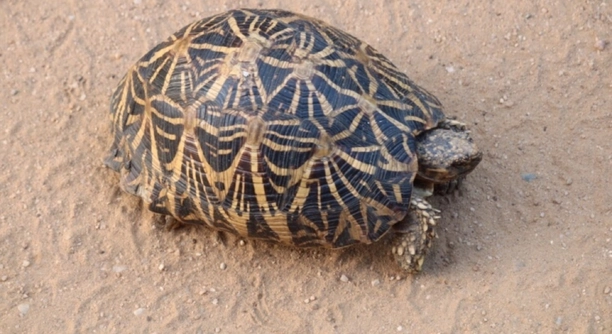
Turtles are wonderful pets, but ensuring they live a healthy life involves more than just feeding them. One crucial aspect of their care is maintaining the right water temperature.
Water temperature plays a key role in a turtle’s health, as it directly affects their digestion, activity levels, and overall well-being. If the water is too cold or too warm, it can lead to serious health problems, such as lethargy or poor feeding.
Knowing the proper signs of improper water temperature can help you keep your turtle healthy. With the right adjustments, you can ensure your turtle remains comfortable and happy in their aquatic home.
The Importance of Proper Water Temperature for Turtles
Turtles rely heavily on water temperature to regulate their body functions. If the temperature is too low or high, it can cause them stress and discomfort. A water temperature that’s too cold can slow down their metabolism and cause them to become lethargic. On the other hand, water that is too warm can lead to overheating, which may cause respiratory problems or even organ failure. Turtles need a balanced environment to thrive, with warm water during the day and a slightly cooler environment at night. Maintaining the correct temperature ensures your turtle has the energy and vitality it needs to grow and stay active.
The ideal temperature range for most turtles is between 75°F and 85°F (24°C to 29°C). It’s important to check the temperature regularly using a reliable water thermometer. Having a proper water heater is also essential, especially in colder climates where room temperature may not be sufficient.
Monitoring the temperature closely will help you avoid unwanted issues. Make sure the heater is adjusted to keep the water steady, preventing harmful fluctuations that could affect your turtle’s health. Without the right water temperature, their behavior, digestion, and overall health may suffer.
Recognizing Signs of Improper Temperature
Sometimes, the signs that your turtle’s water temperature is off may not be immediately obvious. If you notice any changes in your turtle’s behavior, it could be a clue.
Turtles show clear signs when their water isn’t right. If your turtle is often staying in one spot or spending too much time at the surface, it may be an indication that the water temperature is either too warm or too cold. A sudden lack of interest in food or swimming is another common symptom. These changes are their way of letting you know something is wrong with their environment. Turtles may also appear sluggish or may avoid basking completely, indicating they can’t properly regulate their body temperature.
An important factor to remember is that turtles are cold-blooded animals, which means their body temperature is heavily influenced by the environment. When water temperature isn’t regulated, it can affect their natural behaviors. Maintaining the right temperature also supports their immune system and digestion, so they are better equipped to handle changes in their environment. It’s essential to notice when things aren’t quite right with their health and take action to correct the water temperature promptly.
Turtles Acting Lethargic or Slow
When a turtle becomes sluggish or slow, it often signals that the water temperature isn’t right. Turtles rely on external heat to regulate their body temperature, and improper conditions can lead to them feeling tired and inactive.
A cold environment can slow down their metabolism, making them appear less interested in moving around or eating. If the water is too warm, they might seem to retreat into their shell more often or become overly sluggish. Either situation can make your turtle appear lethargic. Pay attention to changes in their behavior as it’s a clear signal they’re uncomfortable.
If your turtle is not responding to stimuli or is spending more time hiding than usual, it’s time to check the water temperature. When it’s within the correct range, your turtle should be active, engaged, and exploring their habitat. Regularly checking their water temperature helps ensure they stay healthy and energized.
Changes in Eating Habits
A sudden lack of appetite is one of the first signs that your turtle’s water temperature might be off. Just like humans, turtles depend on a stable environment to feel comfortable enough to eat regularly.
If your turtle isn’t eating as much, it could be due to the water being too cold, which slows down their digestive system. In contrast, excessively warm water can cause stress, reducing their desire to feed. When the water temperature is in a comfortable range, turtles typically show interest in their food. It’s important to pay attention to their eating habits, as changes can reflect discomfort from temperature issues.
Not eating can lead to weight loss and other health problems. If you notice a drop in your turtle’s appetite, check the water temperature immediately and adjust it to ensure they are in a safe, comfortable environment.
Floating or Spending Time at the Surface
If your turtle is spending a lot of time floating or staying near the surface of the water, it might be because the water temperature isn’t ideal. Turtles often move to the surface when they’re too cold or too hot.
When water temperature is too low, turtles struggle to regulate their body temperature, causing them to float more than usual. Similarly, overly warm water may lead them to seek cooler areas by staying near the surface. You may also notice your turtle showing little interest in swimming or exploring. This behavior is a sign that something in their environment needs adjusting.
Excessive Basking Behavior
Turtles need heat to stay active, but excessive basking can indicate a water temperature issue. If the water is too cold, they may try to absorb heat by basking for longer periods.
If you notice your turtle spending an unusually long time out of the water, this could be a sign that the water temperature is not suitable. Over-basking can cause dehydration, which can further stress the turtle and affect its health. The best solution is ensuring that the water stays within the correct temperature range to maintain a balanced habitat for your turtle.
FAQ
What is the ideal water temperature for my turtle?
The ideal water temperature for most turtles falls between 75°F and 85°F (24°C to 29°C). This range supports their metabolism, digestion, and overall well-being. It’s crucial to maintain a consistent temperature to avoid causing stress or health issues. Using an aquarium heater with a thermometer will help keep the water within this range. Regular checks are necessary to ensure the water doesn’t fluctuate too much. It’s also important to have a basking area that is slightly warmer, around 90°F to 95°F (32°C to 35°C), for the turtle to regulate its body temperature.
How can I check the water temperature?
The best way to check the water temperature is by using a reliable aquarium thermometer. Digital thermometers are accurate and easy to read, providing you with the exact temperature. You can place the thermometer near the middle of the tank to get an average reading. Avoid relying solely on water heaters, as some models may not provide accurate temperature measurements. A thermometer will give you peace of mind and ensure your turtle’s habitat is comfortable.
Why is my turtle not eating?
If your turtle isn’t eating, the water temperature might be too low or too high. Cold water can slow their digestion, making them less interested in food. On the other hand, if the water is too warm, it can stress your turtle out, causing a loss of appetite. Other factors, such as illness or stress, can contribute to this problem. To fix this, check the water temperature immediately and adjust it accordingly. If the problem persists, it’s a good idea to consult a vet to rule out other causes.
What should I do if my turtle seems lethargic?
Lethargy in turtles is often a sign that the water temperature isn’t suitable. If the water is too cold, your turtle may become sluggish and unresponsive. On the other hand, if the water is too warm, your turtle may try to avoid it by staying inactive. Check the temperature using a thermometer, and adjust it if needed. If the lethargy continues after adjusting the water temperature, it’s essential to consult a vet to ensure no underlying health issues are causing the problem.
How do I maintain the right water temperature in winter?
Maintaining the right water temperature in winter can be challenging, but it’s essential for your turtle’s health. You can use an aquarium heater to regulate the water temperature, ensuring it stays within the recommended range. It’s a good idea to invest in a high-quality heater with an adjustable thermostat to maintain a consistent temperature. Additionally, make sure your turtle’s tank is not placed near drafts, windows, or air vents, as this can cause temperature fluctuations. Checking the water temperature daily will help prevent any problems from arising during colder months.
What are the signs that the water temperature is too high?
If the water temperature is too high, your turtle might become stressed, spending excessive time near the surface or on the basking area. You might also notice that your turtle is breathing rapidly or acting sluggish, indicating that it’s too hot for comfort. In extreme cases, overheated water can lead to respiratory problems or even death. If your turtle shows these signs, immediately check the water temperature and adjust it if necessary. Cooling the water down gradually will help your turtle feel more comfortable.
Can I use a regular heater to regulate the water temperature?
It’s not recommended to use a regular household heater in your turtle’s tank, as they are not designed for aquatic environments. Instead, invest in an aquarium heater specifically made for reptiles. These heaters are built to withstand the moisture and will regulate the water temperature safely. Most aquarium heaters come with a built-in thermometer or an adjustable thermostat, making it easy to maintain the ideal temperature for your turtle. Always make sure the heater is appropriate for the size of your tank to avoid overheating or underheating the water.
How often should I check the water temperature?
It’s a good idea to check the water temperature at least once a day. This will help you spot any fluctuations that might occur. If you use a heater with a built-in thermometer, you can monitor the temperature throughout the day. However, it’s still essential to check the actual water temperature with an external thermometer to ensure accuracy. If you notice any sudden changes in the environment, such as the heater malfunctioning or a drop in room temperature, increase the frequency of checks to maintain a stable environment.
Can I keep multiple turtles in the same tank with the same water temperature?
Yes, you can keep multiple turtles in the same tank, but it’s important to ensure the water temperature is appropriate for all of them. Turtles have similar temperature needs, so as long as the water is within the ideal range (75°F to 85°F), all the turtles should be comfortable. However, make sure the tank is large enough to accommodate all the turtles and that there are enough basking spots for each one. Crowding or lack of basking space can lead to stress, so it’s crucial to monitor their behavior and adjust the tank setup as needed.
What happens if I don’t adjust the water temperature?
If you don’t adjust the water temperature properly, it can lead to several health problems for your turtle. Cold water can cause sluggishness, loss of appetite, and difficulty in digestion. On the other hand, overly warm water can cause stress, dehydration, and even respiratory problems. Poor water conditions can weaken your turtle’s immune system, making it more susceptible to infections. To avoid these issues, regularly monitor the water temperature and adjust it to ensure your turtle remains healthy and active.
Final Thoughts
Maintaining the proper water temperature is essential for your turtle’s health and well-being. It affects everything from their digestion to their energy levels and overall comfort. A temperature that is too cold can slow down their metabolism, making them sluggish and uninterested in food. On the other hand, water that’s too warm can cause stress, dehydration, and even respiratory issues. Regularly checking the water temperature is one of the easiest ways to ensure your turtle stays healthy and active.
A good practice is to use a reliable aquarium thermometer to monitor the water temperature. Having a heater with a thermostat helps keep the water steady, especially in colder climates. You should aim to keep the water between 75°F and 85°F (24°C to 29°C), with the basking area slightly warmer, around 90°F to 95°F (32°C to 35°C). Consistency is key; temperature fluctuations can stress your turtle, making them more vulnerable to illness. By checking the water temperature regularly, you can quickly identify and fix any issues before they affect your turtle’s health.
In the end, a small effort to monitor the water temperature can make a big difference in your turtle’s life. Ensuring the right temperature will help them live a longer, healthier, and happier life. It’s an easy step to take that can prevent many common health issues. If you notice any signs that your turtle’s behavior is changing, don’t hesitate to check the water temperature and make necessary adjustments. By providing a stable and comfortable environment, you give your turtle the best chance to thrive.

Hello,
If you enjoy the content that we create, please consider saying a "Thank You!" by leaving a tip.
Every little bit helps us continue crafting quality advice that supports the health, happiness, and well-being of pets around the world, for pets of all shapes, sizes, and species.
We really appreciate the kindness and support that you show us!