
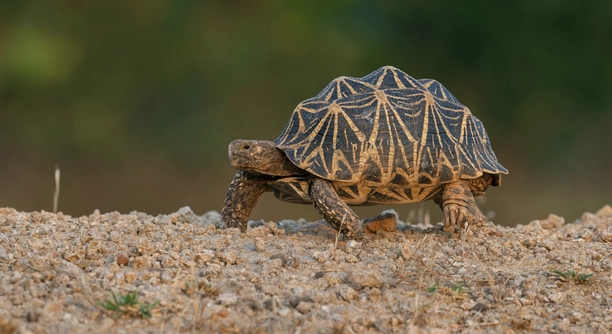
Turtles are fascinating creatures, and like all pets, they need proper care to stay healthy. One important aspect of their well-being is digestion. Keeping your turtle’s digestive system in good shape is essential for their overall health.
Improving your turtle’s digestion involves providing a balanced diet, proper hydration, the right habitat conditions, and regular exercise. Healthy digestion is critical for nutrient absorption, helping your turtle maintain its energy levels and overall vitality.
Ensuring your turtle’s digestion functions well is a key part of their care. By making a few adjustments, you can help your turtle stay healthy and thrive for years to come.
Offer a Balanced Diet
A balanced diet is crucial for your turtle’s digestive health. Turtles need a combination of plant matter and animal protein to meet their nutritional needs. You should offer a variety of foods like leafy greens, fruits, and vegetables, as well as small amounts of protein like insects or fish. These foods will provide the essential vitamins, minerals, and fibers needed for proper digestion. Avoid feeding them only one type of food, as it can lead to deficiencies or digestive issues. By offering a mix of both plant and animal matter, you can keep your turtle’s digestive system functioning properly.
It’s important to avoid overfeeding your turtle. Overfeeding can cause digestive problems and lead to obesity. Stick to recommended portion sizes based on your turtle’s size and age.
Additionally, make sure the food is properly prepared and free from pesticides or harmful chemicals. Clean your turtle’s food thoroughly before feeding to prevent any health risks.
Keep Your Turtle Hydrated
Hydration plays a key role in digestion. Make sure your turtle has access to clean, fresh water at all times. Dehydration can lead to constipation, making digestion difficult. This is especially important if you have a terrestrial turtle, as they may not always remember to drink water on their own.
If you notice your turtle having difficulty passing waste, check if it’s drinking enough water. Sometimes, a small change in its water bowl or even adding a water dish in the enclosure can encourage them to drink more. A healthy amount of water ensures that their digestive system works smoothly.
Provide Proper Lighting and Temperature
Turtles need the right lighting and temperature to digest food properly. Inadequate heat can cause slow digestion or constipation. Set up a basking area with a heat lamp to maintain temperatures between 85-90°F, while the cooler side should be around 75°F. Proper lighting also supports their ability to metabolize food efficiently.
UVB lighting is essential for turtles to produce vitamin D3, which helps in calcium absorption. Without it, they could develop soft shells and other health issues. A proper light cycle, with 10-12 hours of light per day, will encourage healthy digestion and overall well-being.
Turtles also need a cool area to regulate their body temperature. Too much heat can cause them to become lethargic, making digestion slower. Make sure your turtle has access to both warm and cool areas to maintain balance and promote healthy digestion.
Give Your Turtle Space to Move
A proper environment encourages exercise, which is essential for digestion. When turtles have enough space to move, they are more likely to stay active, which helps stimulate their digestive system. A larger tank or enclosure gives them room to swim and explore, promoting better digestion.
Being active helps the food move through their intestines, preventing constipation or bloating. If your turtle is in too small of an enclosure, it may become sedentary, and that can slow down digestion. A well-designed habitat will not only give your turtle freedom but also improve its digestion and health. Consider providing obstacles or hiding spots to encourage movement throughout the day.
Avoid Stressful Situations
Stress can negatively impact your turtle’s digestion. Stress can be caused by loud noises, sudden changes in the environment, or overcrowding. Turtles feel more comfortable in calm and predictable surroundings, which helps maintain their digestive health.
If your turtle seems stressed, it might refuse food or experience digestive discomfort. Make sure their habitat is quiet and secure. Keep handling to a minimum, and avoid making quick movements around them. Creating a stress-free environment will allow your turtle to relax and digest food properly.
Monitor Their Waste
Regularly checking your turtle’s waste can give you insight into its digestive health. If your turtle is producing healthy, solid waste, it’s a sign that its digestion is functioning well. Loose or discolored stools can indicate potential problems.
If you notice any unusual changes, such as watery stools or an absence of waste, it may be a sign of an imbalance in their diet or digestive system. Take note of any changes and adjust their diet or habitat accordingly to support healthy digestion.
Be Careful with Supplements
While supplements can benefit your turtle, overuse or improper types can disrupt their digestion. Calcium and vitamins are often recommended to support healthy shells and bones, but too much can lead to constipation or other digestive issues.
Always follow the dosage recommendations for any supplements you use. Providing a balanced diet should meet most of your turtle’s nutritional needs. Excessive supplementation can cause more harm than good, so use them sparingly.
FAQ
How often should I feed my turtle?
Turtles typically need to be fed two to three times a week, but this can depend on their age and species. Juveniles require more frequent meals to support their growth, while adults can be fed less often. Overfeeding can lead to digestive problems and obesity. It’s best to stick to a consistent schedule and provide only the right amount of food for your turtle’s size and age. Pay attention to their appetite, and if they stop eating, it might be a sign of a digestive issue or stress.
Can my turtle get constipated?
Yes, turtles can become constipated, which can cause discomfort and affect their digestion. Common causes of constipation include dehydration, a poor diet, or lack of exercise. Ensure your turtle has access to clean water and is getting enough fiber from leafy greens and vegetables. Regular movement, whether swimming or walking, helps stimulate digestion as well.
What should I do if my turtle isn’t eating?
If your turtle isn’t eating, it could be due to stress, incorrect water temperature, or changes in its environment. First, check the water temperature and make sure it’s within the proper range for your turtle. Stress can also play a big role, so check for any factors that could be stressing your turtle, such as overcrowding or loud noises. If the issue persists, consult a vet to rule out any underlying health problems.
How can I tell if my turtle has a healthy digestion?
A healthy digestive system shows through solid, well-formed waste. If your turtle’s waste is overly runny, discolored, or smells foul, it could be a sign of digestive issues. You should also observe their behavior. A turtle that eats regularly, stays active, and isn’t overly lethargic is likely to have good digestion. If you notice any changes, adjusting its diet or consulting a vet may help.
Is it necessary to use a UVB light for my turtle’s digestion?
Yes, UVB light is necessary for turtles to metabolize calcium and produce vitamin D3, which are crucial for maintaining a healthy shell and proper digestion. Without adequate UVB light, turtles may develop metabolic bone disease, which can lead to digestive problems. Make sure to provide UVB light for 10-12 hours a day and replace the bulb every 6-12 months, as they lose their effectiveness over time.
How can I prevent my turtle from becoming obese?
Obesity is a common issue in pet turtles, and it often stems from overfeeding or a lack of exercise. To prevent this, ensure you’re feeding the right portions based on your turtle’s size and age. Avoid feeding too many high-protein foods, and focus on leafy greens and vegetables. Provide opportunities for exercise by offering a spacious environment with room to swim and move around. Monitoring their weight and adjusting their diet accordingly can also help prevent obesity.
How do I know if my turtle is dehydrated?
Signs of dehydration in turtles include lethargy, dry skin, sunken eyes, and difficulty passing waste. If your turtle isn’t drinking enough water, make sure you’re providing fresh, clean water in a shallow dish. You can also offer vegetables with high water content, such as cucumbers or lettuce, to help with hydration. If you suspect dehydration, increase water availability and consult a vet if the condition persists.
Can I feed my turtle fruits and vegetables only?
While fruits and vegetables are important for a turtle’s diet, they should not be the only foods offered. A balanced diet includes a mix of both plant matter and animal protein. Turtles need protein for healthy growth and shell development, so offer small amounts of insects, fish, or commercial turtle food as well. Make sure the vegetables and fruits are varied and free from pesticides.
What if my turtle’s shell appears soft?
A soft shell can be a sign of calcium deficiency or metabolic bone disease, which can affect your turtle’s ability to digest food properly. This issue can result from inadequate UVB light or a lack of calcium in their diet. You can remedy this by offering calcium supplements and ensuring proper UVB lighting. However, it’s best to consult a vet if you notice a soft shell, as this could indicate a more serious health issue.
How can I help my turtle digest food better?
To help your turtle’s digestion, make sure it has a balanced diet with a variety of vegetables, leafy greens, and small amounts of protein. Providing fresh, clean water for hydration and a spacious environment for exercise is also important. Regular movement helps food pass through their system, preventing constipation. Proper temperature and lighting are also crucial for optimal digestion.
Can my turtle eat pellets every day?
Turtle pellets can be part of their diet, but they should not be fed every day. Pellets often lack the variety and nutrients found in natural foods like vegetables, fruits, and protein sources. It’s important to offer a mix of different foods to ensure a balanced diet. Pellets can be used occasionally, but make sure your turtle is getting fresh, nutritious food regularly.
Final Thoughts
Taking care of your turtle’s digestion is an important part of ensuring their overall health. By providing a balanced diet, offering fresh water, and maintaining the right habitat conditions, you can support your turtle’s digestive system and help prevent many common health issues. Turtles are relatively easy to care for, but they do have specific needs when it comes to food, water, and environment. Understanding these needs and adjusting your care routine accordingly will keep your turtle happy and healthy.
Regularly monitor your turtle’s waste and eating habits to catch any potential issues early. If your turtle is showing signs of stress, constipation, or digestive discomfort, it could be a sign that something in their environment or diet needs to be adjusted. Small changes, like adding more variety to their food or ensuring they have enough space to move around, can make a big difference in their digestive health. Keeping a close eye on these factors can prevent more serious problems from developing down the road.
Remember that each turtle is unique, and what works for one may not work for another. It may take time to figure out the best routine for your turtle’s specific needs, but with patience and consistency, you’ll learn how to keep them in the best health possible. Whether you’re new to turtle care or a seasoned owner, focusing on their digestion is one of the most important ways you can ensure they live a long and healthy life.

Hello,
If you enjoy the content that we create, please consider saying a "Thank You!" by leaving a tip.
Every little bit helps us continue crafting quality advice that supports the health, happiness, and well-being of pets around the world, for pets of all shapes, sizes, and species.
We really appreciate the kindness and support that you show us!