
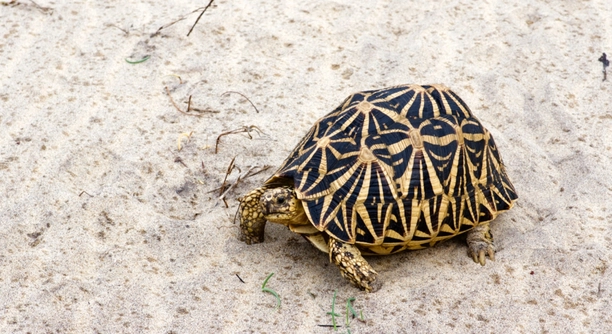
Turtles are unique creatures, and their shells serve as a crucial part of their health and well-being. Sometimes, you may notice unusual changes like peeling or shedding of their shells. This can be concerning, but understanding it is important.
The peeling of a turtle’s shell in large chunks is typically a natural process known as shedding. It can also be a sign of poor nutrition, improper humidity, or an underlying health condition. Consulting a vet is advisable if you’re concerned.
Addressing the cause of shell peeling can help prevent further issues and ensure your turtle remains healthy. This article will explore the factors contributing to shell shedding and how to care for your turtle properly.
Why Turtles Shed Their Shells
Turtles naturally shed their shells as part of their growth process. Just like how we shed skin, they periodically lose the outer layer of their shell to make way for new growth underneath. This is especially common in younger turtles who are growing quickly. In older turtles, shedding may occur less frequently. The process may seem alarming, but it is usually not a cause for concern unless it’s accompanied by other signs like discomfort or unusual behavior. If your turtle’s shell peels in large chunks, it may be due to this natural process or other factors affecting its health.
Shell shedding is a normal, healthy process, but it is important to monitor your turtle’s behavior during this time. It should not be excessive, and there should be no signs of injury or infection. A sudden or abnormal increase in shedding could indicate stress or an issue that needs addressing.
Proper care and a balanced diet are essential to keep this process smooth. You’ll want to provide the right environment for your turtle, which includes maintaining proper humidity, temperature, and UVB light. This ensures the turtle’s shell remains healthy and strong.
How Environment Affects Shell Health
The environment in which your turtle lives plays a huge role in its overall health. If the temperature or humidity is too low, your turtle may experience problems with shell shedding. An optimal habitat encourages a healthy shell and reduces the chances of it peeling excessively. A dry, too-warm environment can cause dehydration, while low humidity can make the shell more fragile.
Keeping a proper habitat is simple but essential for the well-being of your turtle. Proper tank setup, with the right temperature gradient, humidity, and UV lighting, helps ensure that your turtle’s shell remains intact. Lack of these conditions could stress your turtle, leading to potential shedding issues. Make sure to monitor and adjust the tank’s conditions regularly to ensure a healthy shell for your turtle.
Diet and Shell Health
A balanced diet is crucial for maintaining a healthy shell. If your turtle is not getting the right nutrients, it may lead to weakened shell growth and peeling. Lack of calcium and other essential vitamins can impact shell strength and cause excessive shedding.
To ensure your turtle’s shell stays strong, focus on offering a varied diet that includes high-quality pellets, fresh vegetables, and occasional protein sources. Calcium-rich foods, like kale or calcium supplements, are particularly important. Over time, a poor diet can cause shell abnormalities, so pay attention to your turtle’s nutritional needs to avoid problems.
Feeding your turtle properly also promotes healthy growth. By offering a well-balanced diet, you support its overall health, making it less likely that you’ll see large chunks of peeling shell. Regularly checking food quality and making sure it aligns with your turtle’s species-specific needs will help maintain shell integrity. It’s a simple but effective way to prevent shell issues.
Stress and Its Impact on the Shell
Turtles can become stressed for several reasons, and stress can negatively impact their health, including their shells. If they’re placed in an environment that’s too loud, too crowded, or lacking in space, it can lead to peeling or shedding. Turtles need a calm, secure environment to thrive.
Avoid handling your turtle excessively, and make sure the tank is large enough for it to move around comfortably. Stress can also be caused by rapid changes in temperature or lighting. When your turtle experiences stress, its body prioritizes survival over shell health, which may lead to abnormal shedding. Keep its surroundings peaceful, and maintain stable conditions to reduce stress and protect its shell.
Shell Rot and Infection
Shell rot is a common condition that can lead to peeling or soft spots on a turtle’s shell. It’s typically caused by bacteria or fungi, often due to a dirty or wet environment. If left untreated, it can worsen and cause significant damage to the shell.
If you notice soft, mushy areas or foul-smelling patches on your turtle’s shell, it may be a sign of infection. Proper tank cleaning and ensuring your turtle has access to dry areas can help prevent shell rot. If symptoms appear, consult a veterinarian for treatment to avoid long-term damage.
The Role of UVB Lighting
UVB lighting is crucial for your turtle’s overall health and shell development. Without proper UVB exposure, turtles can develop shell deformities and other health problems. UVB light helps them synthesize vitamin D3, which is essential for calcium absorption.
Ensure your turtle’s tank has a high-quality UVB light and that it is replaced regularly. These lights should be placed in areas where your turtle can bask to receive the full benefits. If you’ve noticed peeling, lack of UVB exposure could be one of the causes, and addressing this can support shell recovery.
FAQ
Why is my turtle shedding large pieces of its shell?
Shedding large pieces of the shell is typically part of a natural growth process, especially in younger turtles. They outgrow their shells and shed layers periodically. However, if the shedding is excessive or combined with signs of illness, it could indicate stress, poor diet, or an underlying health problem. It’s important to monitor other aspects of your turtle’s behavior to ensure there are no additional issues.
How can I tell if my turtle has a healthy shell?
A healthy turtle shell should be smooth and hard, free of cracks, soft spots, or abnormal discoloration. If you notice rough patches, soft or squishy areas, or your turtle’s shell has an unusual odor, it could be a sign of infection or shell rot. Regularly check your turtle’s shell for any changes and address them early to prevent more serious health issues.
Can shell peeling be a sign of illness?
Yes, excessive or irregular shell peeling can be a sign of illness. Conditions like shell rot, vitamin deficiencies, or infections can cause abnormal shedding. If your turtle seems lethargic, has a decrease in appetite, or if the shell’s appearance changes significantly, it is important to consult a vet to rule out any illnesses.
Is it normal for older turtles to shed large pieces of their shell?
As turtles age, they generally shed less frequently. Older turtles may still shed in small pieces, but it should not be in large chunks like younger turtles. If an older turtle sheds large pieces or experiences rapid shell loss, it could indicate a health concern that requires attention. Always ensure proper care and a balanced diet to keep the shell healthy as your turtle ages.
How can I prevent my turtle’s shell from peeling excessively?
To prevent excessive shell peeling, make sure your turtle’s habitat is set up correctly with proper lighting, temperature, and humidity. Provide a balanced diet rich in calcium, vitamins, and minerals to support shell health. Regularly clean the tank and ensure your turtle has access to dry areas to avoid shell rot. Monitoring your turtle’s environment and health will help reduce excessive peeling.
What should I do if my turtle’s shell is peeling because of shell rot?
If your turtle’s shell is peeling due to shell rot, it’s important to clean the affected area with antiseptic solutions recommended by a vet. You should remove any decayed material and keep the turtle in a clean, dry environment to promote healing. A vet can provide treatment, such as antibiotics or topical treatments, to treat the infection and prevent it from spreading.
Does my turtle need UVB lighting to prevent shell problems?
Yes, UVB lighting is essential for your turtle’s overall health, including shell health. UVB rays help your turtle produce vitamin D3, which is necessary for calcium absorption. Without UVB lighting, your turtle could develop shell deformities, metabolic bone disease, or other issues. Make sure the UVB bulb is replaced every six months and placed in a spot where your turtle can bask under it for proper exposure.
Can a poor diet lead to shell problems?
A poor diet can certainly contribute to shell problems. Lack of calcium and essential vitamins can cause a weakened shell, leading to problems like soft spots, peeling, and deformities. To prevent this, feed your turtle a varied diet that includes high-quality pellets, fresh leafy greens, and calcium-rich foods. Providing a proper diet will help maintain a strong and healthy shell.
How often should I check my turtle’s shell?
It’s a good idea to check your turtle’s shell regularly, at least once a week, to ensure it remains healthy. Look for cracks, soft spots, discoloration, or unusual textures. Early detection of any problems can help you address them before they become serious. Regular shell checks are part of responsible turtle care.
Can my turtle’s shell heal if it’s been damaged or infected?
Yes, a turtle’s shell can heal if it’s damaged or infected, but it may take time and proper treatment. For minor cracks or injuries, a healthy turtle’s shell can regenerate over time. If infection or shell rot is involved, your vet will likely need to treat the condition with antibiotics or other methods. Shell recovery depends on the severity of the damage, and the right care can help it heal properly.
How do I treat my turtle’s shell if it’s peeling or softening?
If your turtle’s shell is peeling or softening, it’s essential to address the underlying cause. Ensure proper tank conditions, such as temperature, humidity, and UVB exposure. If the shell is soft due to calcium deficiency, consider adding calcium supplements to their diet. For infected shells, consult a vet for advice on treatment options like antibiotics or topical medications.
What are the signs that my turtle’s shell is unhealthy?
Signs of an unhealthy shell include soft spots, cracks, discoloration (such as yellow, white, or dark patches), foul odor, or visible wounds. If your turtle is frequently shedding large pieces or seems to be in pain, it could indicate that the shell is not in good condition. Addressing these issues early can prevent more serious health problems.
Is shell shedding common for all turtle species?
Yes, all turtle species shed their shells to some degree as part of their natural growth process. However, the frequency and amount of shedding can vary between species. Younger turtles tend to shed more frequently, while older turtles may shed less. Regardless of the species, maintaining a healthy environment and diet will help minimize shell issues.
Can excessive shell peeling be a sign of dehydration?
Dehydration can cause a variety of health issues in turtles, including excessive shedding. If your turtle is not getting enough water, it can lead to dry, brittle skin and shell problems. Make sure your turtle has access to fresh water at all times, and consider soaking it in warm water to help with hydration if necessary.
How long does it take for a turtle’s shell to heal after shedding?
The time it takes for a turtle’s shell to heal depends on several factors, including the age of the turtle, the extent of shedding, and the overall health of the turtle. Generally, minor shell shedding may take a few weeks to heal, while more severe damage or infection could take longer. Proper care and the right environment will speed up the healing process.
Final Thoughts
Turtle shell peeling is often a normal process, especially for younger turtles as they grow. Shedding allows them to make room for a larger shell as they get bigger. However, if the shedding seems excessive or if there are signs of infection, it is important to pay closer attention. A healthy shell is essential for your turtle’s well-being, and any abnormalities should not be ignored. Regularly checking the shell for cracks, soft spots, or changes in texture can help catch potential issues early, ensuring that your turtle remains in good health.
Providing a proper environment is crucial for preventing unnecessary shell shedding or damage. Temperature, humidity, and UVB lighting all play important roles in the overall health of your turtle and its shell. An improper setup can lead to stress or unhealthy shedding. Turtles need access to clean water, a proper basking area, and consistent lighting to stay healthy. Additionally, a well-balanced diet, rich in calcium and other essential nutrients, will help support shell strength and growth. Without these basic care requirements, your turtle might experience problems like softening or abnormal shedding of the shell.
If you notice that your turtle’s shell is peeling in large chunks or showing signs of infection, it’s best to consult a veterinarian. Shell rot, infections, and nutritional deficiencies can all cause issues that affect the shell’s appearance and strength. The sooner you address these issues, the better the chance your turtle will heal and recover. In the long run, by providing a healthy environment, a balanced diet, and regular checks on your turtle’s shell, you can help ensure it continues to thrive and grow properly.

Hello,
If you enjoy the content that we create, please consider saying a "Thank You!" by leaving a tip.
Every little bit helps us continue crafting quality advice that supports the health, happiness, and well-being of pets around the world, for pets of all shapes, sizes, and species.
We really appreciate the kindness and support that you show us!