
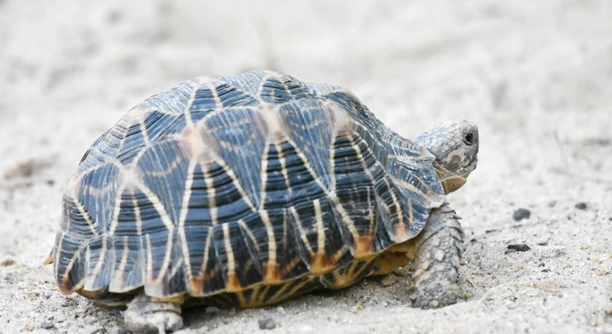
Is your turtle constantly dozing off during the day, leaving you concerned about its health and well-being? Excessive daytime sleepiness in turtles can be caused by various factors, ranging from improper lighting and temperature to underlying health issues.
The most common reason your turtle keeps falling asleep during the day is inadequate lighting and heating. Turtles need proper UVB exposure and warmth to regulate their activity levels. Without these essentials, they may become lethargic and sleep more than usual.
Providing the right environment is crucial for your turtle’s health. Other factors, such as diet, stress, and illness, can also contribute to unusual sleep patterns. Understanding these reasons will help you create a better habitat for your pet.
Improper Lighting and Temperature
Turtles need the right balance of heat and light to stay active. If their enclosure lacks proper UVB lighting or a warm basking spot, they may become sluggish and sleep more during the day. Without UVB exposure, they cannot properly metabolize calcium, leading to weakness and lethargy. Their basking area should be around 85–95°F, while the water should stay between 75–80°F. If temperatures drop too low, their metabolism slows down, making them sleep excessively. Ensure your turtle has access to a high-quality UVB bulb and a well-regulated heat source to maintain its energy levels.
A weak or improperly positioned UVB bulb can prevent your turtle from getting the light it needs. Bulbs should be replaced every six months, even if they still appear to work. Proper placement ensures your turtle receives enough exposure to stay healthy and alert.
Monitoring temperature and lighting conditions is essential. Use thermometers and UV meters to check your setup regularly. Position the basking area close enough to the light source for maximum benefit. If your turtle still sleeps too much despite proper lighting, consider other possible causes, such as diet or stress. Addressing these factors can help your turtle stay awake and active during the day.
Poor Diet and Nutrition
A lack of essential nutrients can make your turtle feel tired. If its diet is unbalanced or lacks variety, it may not get the energy it needs to stay active.
Turtles require a mix of protein, vegetables, and calcium-rich foods. Feeding only one type of food, such as pellets, can lead to nutritional deficiencies. Leafy greens, insects, and occasional fruits help maintain energy levels. If your turtle’s diet lacks vitamin D3 and calcium, it may feel weak and sleep more. Supplementing with cuttlebone or calcium powder can support bone health and overall vitality.
Overfeeding can also cause problems. Turtles that eat too much may become sluggish, especially if their diet is high in fats. Stick to a feeding schedule based on your turtle’s age and species. Younger turtles need more protein, while older ones require more plant-based foods. A varied and well-portioned diet keeps them healthy and prevents excessive sleep. Checking for signs of malnutrition, such as soft shells or weight loss, can help determine if diet is the issue.
Stress and Environmental Changes
A sudden change in environment can make a turtle feel uneasy and more likely to sleep during the day. Loud noises, frequent handling, or a new enclosure setup can cause stress, leading to unusual sleep patterns and reduced activity levels.
Turtles need a stable and comfortable habitat to thrive. If their tank is moved to a new location with different lighting or temperatures, they may take time to adjust. Aggressive tank mates or too much human interaction can also create stress. Providing hiding spots and minimizing disruptions can help them feel safe and stay active.
An unclean tank can also contribute to stress. Poor water quality or a lack of proper filtration can make turtles uncomfortable, causing them to sleep more. Regular water changes and a good filtration system keep the environment clean. Ensuring a consistent routine with proper care will help reduce stress-related sleepiness.
Illness or Infection
Turtles that sleep too much may be dealing with an underlying illness. Respiratory infections, parasites, and vitamin deficiencies can cause lethargy, making them less active during the day. Other signs of illness include swollen eyes, wheezing, or loss of appetite.
A respiratory infection can develop if the water or air temperature is too low. Symptoms include open-mouth breathing, mucus around the nose, and difficulty swimming. If left untreated, the infection can worsen, leading to more serious health problems. A vet visit may be necessary for proper treatment, such as antibiotics.
Parasites and digestive issues can also cause excessive sleep. Internal parasites can make a turtle feel weak, while constipation from an improper diet may cause discomfort. A balanced diet, clean water, and regular check-ups help prevent health issues. If your turtle continues to sleep excessively, seeking veterinary advice is the best option.
Seasonal Changes and Brumation
Turtles may sleep more during colder months due to brumation, a hibernation-like state. As temperatures drop, their metabolism slows, making them less active. Even indoor turtles can be affected if the temperature or lighting changes slightly, causing them to rest more than usual.
If a turtle begins to brumate, it may eat less, move sluggishly, and sleep for extended periods. While this is natural, ensuring proper temperatures can help regulate their activity. If brumation is not intentional, keeping the enclosure warm and maintaining consistent light exposure can prevent unnecessary lethargy.
Lack of Stimulation
A dull environment can cause turtles to become bored and sleep more. Without enrichment, they may lack the motivation to explore and stay active. Adding rocks, plants, and safe objects to climb on can encourage movement and engagement throughout the day.
Incorrect Day and Night Cycle
Turtles rely on a consistent light cycle to regulate their sleep patterns. Without a proper schedule, they may become confused and sleep at the wrong times. Using a timer for UVB and basking lights helps maintain a natural rhythm, keeping them alert and active during the day.
FAQ
Why does my turtle sleep so much during the day?
Turtles may sleep excessively due to improper lighting, low temperatures, poor diet, stress, or illness. If their enclosure lacks proper UVB exposure and heat, their metabolism slows down, making them more lethargic. Stress, nutritional deficiencies, and infections can also contribute to increased sleep.
Is it normal for turtles to sleep a lot?
Turtles do sleep often, but excessive daytime sleepiness is not normal. They should be active during the day and rest at night. If your turtle sleeps too much, it may be a sign of an underlying issue, such as incorrect habitat conditions or health problems.
How many hours a day do turtles usually sleep?
Most turtles sleep around 4 to 7 hours per night. They may take short naps throughout the day, but they should still have periods of activity. If your turtle sleeps significantly more than this, it may indicate a problem with its environment or overall health.
Can improper lighting make my turtle sleep more?
Yes, turtles need proper UVB lighting to stay active. Without UVB exposure, they may become sluggish and sleep more often. A UVB bulb should be on for 10–12 hours a day to mimic natural sunlight and help regulate their sleep cycle.
What should I do if my turtle is sleeping too much?
Check the enclosure’s temperature, lighting, and cleanliness. Ensure the basking area is warm enough and the water temperature is stable. Provide a balanced diet and reduce stress factors, such as loud noises or frequent handling. If excessive sleep continues, consult a vet for further evaluation.
Can diet affect my turtle’s sleep patterns?
Yes, an unbalanced diet can make a turtle lethargic. Lack of essential nutrients, such as vitamin D3 and calcium, can lead to weakness and increased sleep. Overfeeding can also cause sluggishness. Providing a varied diet with proteins, vegetables, and calcium supplements can help maintain energy levels.
Should I wake my turtle if it sleeps too much?
It’s best to address the root cause rather than forcibly waking your turtle. If it sleeps excessively, check for environmental issues, health concerns, or stressors. Making adjustments to its care routine is more effective than trying to wake it up manually.
Can stress cause a turtle to sleep more?
Yes, stress can make a turtle sleep more than usual. Frequent handling, loud noises, or changes in its habitat can lead to increased rest. Providing hiding spots, maintaining a consistent routine, and keeping the environment calm can help reduce stress levels.
What are signs that my turtle is sick?
Lethargy, excessive sleep, loss of appetite, difficulty swimming, swollen eyes, and respiratory issues can all indicate illness. If your turtle is sleeping too much and showing any of these symptoms, it’s important to seek veterinary care as soon as possible.
Does my turtle need a specific day and night schedule?
Yes, turtles rely on a consistent light cycle to regulate their sleep. Their UVB and basking lights should be on for 10–12 hours a day and turned off at night. Using a timer can help maintain a stable schedule and keep your turtle active during the right times.
Can water temperature affect my turtle’s sleep?
Yes, cold water can make turtles lethargic and cause them to sleep more. The water temperature should be kept between 75–80°F, depending on the species. If the temperature drops too low, your turtle’s metabolism slows down, leading to excessive sleepiness.
Is it normal for turtles to sleep during brumation?
Yes, during brumation, turtles become less active and may sleep for long periods. This is a natural process in response to colder temperatures. However, if your turtle is kept indoors with stable temperatures, brumation should not occur. If it does, check for any environmental issues.
How can I keep my turtle more active?
Providing enrichment, such as rocks, plants, and safe objects to explore, can keep your turtle engaged. Ensuring proper lighting, temperature, and a nutritious diet also plays a major role in keeping them alert and active. Regular tank maintenance and minimal stress help maintain healthy activity levels.
When should I take my turtle to the vet?
If your turtle is sleeping excessively and showing signs of illness, such as swollen eyes, wheezing, loss of appetite, or difficulty moving, a vet visit is necessary. Regular check-ups can also help detect any underlying health issues before they become serious.
Final Thoughts
Turtles need a proper balance of lighting, temperature, diet, and stimulation to stay healthy and active. If a turtle sleeps too much during the day, it is often a sign that something in its environment is not right. Checking the UVB lighting, basking temperature, and overall habitat conditions is the first step in solving the issue. Small adjustments, like improving the lighting setup or adding a few hiding spots, can make a big difference in your turtle’s energy levels. Ensuring a clean and stable habitat helps prevent stress and keeps your turtle feeling safe and comfortable.
A poor diet can also lead to excessive sleep. Turtles need a variety of foods to maintain their health. If their diet lacks essential nutrients, they may become sluggish and rest more than usual. Offering a mix of proteins, leafy greens, and calcium sources like cuttlebone can help support their activity levels. Overfeeding can also cause problems, as turtles that eat too much may feel too full to move around. Sticking to a proper feeding schedule and portion sizes will keep your turtle energized throughout the day. If your turtle continues to sleep too much despite a well-balanced diet, it may be time to look for other possible causes, such as illness.
Some turtles naturally slow down during colder months, especially if they enter brumation. While this is normal for certain species, indoor turtles should not brumate if their environment is kept warm and stable. If a turtle shows other signs of illness, such as difficulty swimming, swelling, or a loss of appetite, it is best to seek veterinary care. Regular health checks, a proper tank setup, and a consistent care routine all contribute to a happy and active turtle. By paying close attention to your pet’s behavior and making the necessary changes, you can help prevent excessive daytime sleepiness and ensure a healthier, more active life.

Hello,
If you enjoy the content that we create, please consider saying a "Thank You!" by leaving a tip.
Every little bit helps us continue crafting quality advice that supports the health, happiness, and well-being of pets around the world, for pets of all shapes, sizes, and species.
We really appreciate the kindness and support that you show us!