
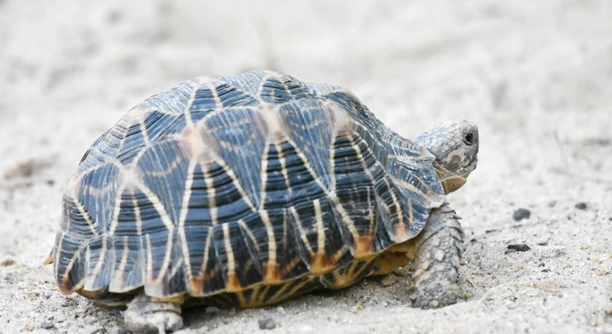
Sometimes, pet owners notice their turtle’s shell growing thicker on one side. It can be concerning, but understanding the cause is important for your pet’s health. This article explains why it may happen and what you can do.
The most common reason for uneven shell growth in turtles is an imbalance in their environment or diet. Poor lighting, improper humidity, or inadequate calcium intake can cause one side of the shell to grow thicker.
Identifying the underlying cause of this condition will help you make the right changes. With some adjustments to their care, you can ensure a healthier shell and overall well-being for your turtle.
Common Causes of Uneven Shell Growth
One of the main reasons your turtle’s shell grows thicker on one side is improper lighting. Turtles need access to UVB rays to absorb calcium, which helps maintain healthy shell growth. If their basking area does not have proper UVB lighting, they can develop shell deformities. Calcium is also essential for their bones and shells. Without enough calcium in their diet, turtles may experience uneven shell growth, which often shows up as one side becoming thicker. Improper humidity can also contribute to this problem. If the environment is too dry or too humid, it can affect how the shell grows.
Even small changes in your turtle’s habitat can impact its shell’s health. Adjusting the lighting, temperature, and humidity to match the turtle’s natural environment will help restore balance to its shell growth. A proper diet is also crucial to keep their shell and overall health in check.
When setting up your turtle’s habitat, pay attention to the temperature gradient. This ensures they can regulate their body heat properly, which is essential for digestion and shell health.
How to Fix Uneven Shell Growth
Adjusting your turtle’s care routine can help address the problem. Make sure your turtle’s habitat is equipped with proper UVB lighting, and provide a calcium supplement if needed.
In addition to providing proper lighting, ensure your turtle’s diet includes the necessary nutrients. A balanced diet will prevent calcium deficiencies. You can offer commercial turtle food or fresh vegetables, such as leafy greens and carrots. Also, check their basking area regularly to ensure they are getting enough heat. The right temperature encourages proper digestion and shell growth.
If the issue persists, consider taking your turtle to the vet for a health check.
The Role of Calcium in Shell Health
Calcium is crucial for a turtle’s shell growth and overall health. Without enough calcium, the shell becomes weak, and one side may grow thicker as the turtle’s body compensates. If your turtle is not getting sufficient calcium, consider adding a calcium supplement to their diet. Cuttlefish bone is a natural and easy option, or you can use calcium powder that you sprinkle over their food.
Turtles in the wild consume plenty of calcium from plants, insects, and other sources. In captivity, however, they may not have access to such a varied diet. Offering a variety of fresh vegetables like kale and collard greens can help boost calcium levels. If you’re unsure about how much calcium your turtle needs, ask your vet for recommendations. They can also suggest the best supplement for your specific species.
Regularly dusting your turtle’s food with calcium powder will provide extra support. Make sure to monitor your turtle’s diet and shell closely to avoid any future imbalances in shell growth.
Proper Lighting and Temperature
Turtles require both UVB lighting and a proper temperature gradient to thrive. UVB lighting helps them synthesize vitamin D3, which is necessary for calcium absorption. Without UVB, even a calcium-rich diet won’t be effective. The basking area should have temperatures between 85°F and 90°F, while the cooler side of the tank should be between 70°F and 75°F.
If the basking area is too cold or the UVB light is not strong enough, your turtle’s shell will not develop properly. Uneven shell growth is often a result of these environmental deficiencies. Make sure your turtle has a designated basking area under a UVB light that is replaced regularly, as UVB bulbs lose their effectiveness over time. Be mindful of the wattage as well, as it needs to be appropriate for the size of your turtle’s enclosure.
Proper lighting also helps turtles digest food, contributing to their overall health. By maintaining the right lighting and temperature, you’ll provide your turtle with the best conditions for healthy shell growth.
The Importance of Proper Humidity Levels
Humidity plays a significant role in your turtle’s overall health, especially its shell. If the environment is too dry, your turtle’s shell may become brittle and unevenly thick. Ensuring the right humidity levels helps your turtle maintain a healthy shell and prevent deformities.
To maintain proper humidity, ensure your turtle’s tank is equipped with a water source, and mist the enclosure regularly. You can also add a humidity gauge to monitor the levels. The ideal humidity range for most turtles is between 50% and 70%. Make adjustments to the tank setup if necessary.
Diet Adjustments for Healthy Shell Growth
A well-balanced diet is crucial for preventing shell issues. Offering a variety of fresh vegetables, high-quality turtle food, and occasional protein sources will provide the necessary nutrients for proper shell development.
Feeding a variety of greens like dandelion, spinach, and lettuce, as well as occasional fruits, will give your turtle a good mix of vitamins and minerals. Adding some insects, worms, or shrimp as a protein source will help support growth. Don’t forget to offer calcium-rich foods to maintain strong, healthy shells.
The Impact of Shell Rot
Shell rot is a serious condition that can contribute to uneven shell growth. It is caused by bacterial or fungal infections, often from prolonged exposure to poor water quality or inadequate basking conditions. If left untreated, it can lead to shell deformities.
If you notice any signs of soft spots, discoloration, or foul odor on your turtle’s shell, it’s essential to act quickly. Consult a vet for proper diagnosis and treatment. Cleaning your turtle’s tank and ensuring a dry basking area can help prevent shell rot from developing.
FAQ
What causes one side of my turtle’s shell to grow thicker?
The primary cause of uneven shell growth is often related to environmental factors, such as improper lighting, temperature, and humidity. If the basking area lacks UVB light, your turtle might not be able to absorb calcium properly, leading to uneven growth. A calcium deficiency or poor diet can also contribute to this issue. Additionally, improper humidity levels can affect the shell’s development, causing one side to become thicker than the other. In some cases, an infection or injury to the shell can result in asymmetrical growth.
Can my turtle’s shell return to normal after becoming thicker on one side?
Yes, it’s possible to correct uneven shell growth by adjusting the conditions in your turtle’s environment. The shell may not return to its original shape immediately, but with proper care, you can prevent further issues. Ensuring adequate UVB lighting, proper calcium intake, and a balanced diet will support healthy shell growth. Regular vet check-ups will help identify any underlying issues, such as infections or injury, that could prevent the shell from returning to normal. Keep monitoring the shell’s condition and make necessary adjustments to their habitat and diet.
How can I provide the right UVB lighting for my turtle?
UVB lighting is essential for your turtle’s health and shell growth. You’ll need to use a high-quality UVB bulb, designed specifically for reptiles, to ensure your turtle gets the right amount of ultraviolet light. The bulb should be placed in the basking area, where your turtle can absorb the UVB rays while soaking up heat. Ensure the UVB bulb is positioned correctly and replace it every 6 to 12 months, as it loses effectiveness over time. You can also use a combination of heat lamps and UVB bulbs for the best results.
What should I feed my turtle to prevent shell problems?
To prevent shell problems, offer a varied diet rich in vegetables, leafy greens, and calcium. Kale, collard greens, and dandelion greens are great choices, while spinach should be fed in moderation. You can also provide occasional fruits like strawberries and apples, but avoid feeding too much sugar. For protein, offer live insects, worms, or small fish to ensure your turtle gets the necessary nutrients. Make sure to supplement their diet with a calcium powder, especially if they’re not getting enough from food sources. Always feed your turtle a balanced diet to avoid nutrient deficiencies that may affect shell health.
How can I maintain proper humidity levels in my turtle’s tank?
To maintain proper humidity levels, make sure your turtle’s tank has access to water and mist the enclosure regularly. You can use a humidity gauge to monitor levels and adjust them accordingly. The ideal humidity range for most turtles is between 50% and 70%. If your tank is too dry, increase humidity by adding a water dish or using a misting system. If it’s too humid, improve ventilation or use a dehumidifier. Maintaining a consistent humidity level helps your turtle’s shell stay healthy and prevents it from becoming too thick or brittle.
Can shell rot cause uneven shell growth?
Yes, shell rot can cause uneven shell growth. Shell rot is a bacterial or fungal infection that weakens the shell and can lead to deformities if not treated promptly. It usually develops from poor water quality, a damp habitat, or a lack of proper basking conditions. If you notice foul-smelling spots, soft patches, or discoloration on your turtle’s shell, it’s important to get them checked by a vet immediately. Regular tank cleaning, proper basking, and a dry area for your turtle to rest on can help prevent shell rot.
How do I know if my turtle has a calcium deficiency?
Signs of calcium deficiency in turtles include soft or deformed shells, poor growth, and lethargy. If your turtle’s shell is growing unevenly, with one side becoming thicker or softer, it may be a sign that they aren’t getting enough calcium. Calcium deficiency can also lead to weak bones and other health issues. To avoid a deficiency, make sure your turtle is eating a diet rich in calcium and getting enough UVB light to help them absorb the mineral. If you notice any symptoms, consult a vet for advice on supplementation.
Is it necessary to take my turtle to the vet if its shell grows unevenly?
If your turtle’s shell is growing unevenly, it’s a good idea to consult a vet. A professional can help identify the cause, whether it’s due to diet, environment, or a health issue like an infection. If you’ve already made adjustments to lighting, humidity, and diet and still see no improvement, a vet visit will be essential. It’s better to address the issue early, as untreated shell problems can lead to more serious conditions over time. A vet can also guide you on the proper care and treatment for your turtle’s shell health.
What temperature should I maintain in my turtle’s tank?
Maintaining the right temperature is crucial for your turtle’s health. The basking area should be between 85°F and 90°F, allowing your turtle to warm up and digest food properly. The cooler side of the tank should be around 70°F to 75°F, so your turtle can regulate its body temperature. Use a reliable thermometer to monitor the tank’s temperature and make adjustments as necessary. Ensure that the heat source is not too close to the tank, as excessive heat can stress your turtle. A temperature gradient helps your turtle thrive and supports healthy shell growth.
Can stress cause uneven shell growth in turtles?
Yes, stress can contribute to uneven shell growth in turtles. Factors like overcrowding, a noisy environment, and inconsistent care routines can cause stress in your turtle, leading to health issues, including shell deformities. Turtles are sensitive creatures and thrive in a calm, stable environment. If your turtle seems stressed, try adjusting their habitat, reducing handling, and ensuring they have enough space. A stress-free environment will help your turtle grow properly, including its shell.

Hello,
If you enjoy the content that we create, please consider saying a "Thank You!" by leaving a tip.
Every little bit helps us continue crafting quality advice that supports the health, happiness, and well-being of pets around the world, for pets of all shapes, sizes, and species.
We really appreciate the kindness and support that you show us!