
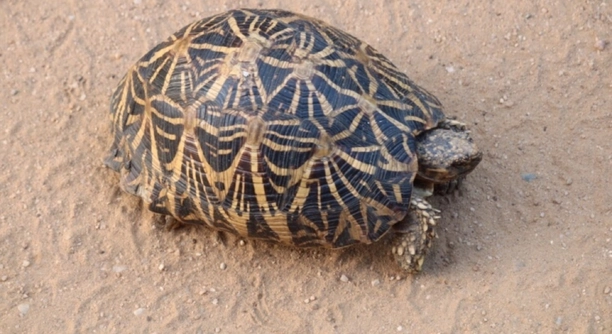
Is your turtle’s tank smelling worse than usual? Keeping a turtle tank clean can be challenging, especially when odors become stronger. Understanding the causes behind the smell is essential for maintaining a fresh and healthy environment for your pet.
The most common reasons your turtle’s tank smells worse than usual are poor water quality, leftover food, and waste buildup. Regular maintenance, proper filtration, and monitoring your turtle’s health can significantly reduce unpleasant odors in the tank.
Maintaining a clean turtle tank requires attention to detail and consistent care. By identifying the causes of the smell, you can take steps to improve the water quality and create a healthier habitat for your turtle.
Poor Water Quality
Dirty water is one of the main reasons a turtle tank smells bad. Turtles produce a lot of waste, which can quickly lead to ammonia and bacteria buildup. Without regular water changes, these substances accumulate, creating a foul smell. Even if the water looks clear, harmful bacteria can still be present. It is important to maintain a cleaning schedule to keep the water fresh and safe. Skipping regular maintenance allows waste to break down, making the tank smell worse over time. Clean water is essential for your turtle’s health and a fresh-smelling tank.
Changing at least 25% of the tank’s water each week helps reduce odors. Use a water conditioner to neutralize harmful chemicals. Regular water testing can also help you monitor ammonia and nitrate levels. Keeping the water clean prevents bad smells and keeps your turtle healthy.
Investing in a high-quality filter is a smart choice for keeping the water clean. Canister filters are especially useful for turtle tanks because they handle large amounts of waste efficiently. Regularly cleaning the filter prevents blockages and ensures it works properly. Also, avoid overfeeding your turtle, as uneaten food can rot and pollute the water. Consistent water care not only controls odors but also creates a healthier habitat for your pet.
Leftover Food
Uneaten food is another common reason your turtle’s tank may smell worse than usual. When food sinks to the bottom, it begins to rot, releasing unpleasant odors. Regularly removing leftovers can make a big difference in keeping the tank fresh.
Feed your turtle the right amount to reduce waste. Overfeeding not only increases food debris but can also harm your turtle’s health. Stick to a feeding schedule and remove any uneaten food after 10-15 minutes. This simple habit prevents food from decaying and causing bad smells.
Using a feeding dish can also help keep the tank cleaner. It contains the food in one area, making it easier to remove any leftovers. If your turtle eats in the water, consider moving it to a separate feeding tank during meals. This method keeps the main habitat cleaner for longer. By managing how and where you feed your turtle, you can prevent odors and maintain a cleaner environment.
Inadequate Filtration
A weak or dirty filter can make your turtle’s tank smell worse. Turtles produce more waste than fish, so they need a powerful filter to keep the water clean. Without proper filtration, waste and bacteria build up quickly, leading to strong odors.
Choose a filter designed for tanks larger than yours to handle the extra waste. Canister filters are a good option because they provide strong mechanical, chemical, and biological filtration. Clean the filter regularly to prevent clogging and ensure it works properly. Neglecting the filter allows waste to break down, which worsens the smell.
Check the filter’s flow rate and capacity to ensure it meets your turtle’s needs. A filter should process at least three times the tank’s volume every hour. Regularly rinse filter media in tank water during cleanings to maintain bacteria balance and avoid disrupting the tank’s ecosystem.
Waste Buildup
Turtle waste breaks down over time, creating foul smells if not removed. Even with a good filter, solid waste can settle at the bottom of the tank. Without regular cleaning, the buildup leads to poor water quality and persistent odors.
Using a gravel vacuum during water changes helps remove waste from the substrate. Perform partial water changes weekly, replacing about 25-50% of the water. This routine helps control odors while maintaining a healthier habitat. Avoid using fine gravel or sand that traps waste—opt for larger pebbles or a bare-bottom tank for easier cleaning.
Inspect hidden areas like under decorations where waste can collect. Regularly clean these spots to prevent buildup. Combining a powerful filter with frequent cleaning keeps the tank fresh and reduces unpleasant odors. Consistent waste removal improves your turtle’s environment and helps maintain clean, odor-free water.
Dirty Tank Accessories
Tank decorations and accessories can trap waste and algae, leading to bad smells. Items like rocks, basking platforms, and plants should be cleaned regularly. If left uncleaned, they can release odors and contribute to poor water quality, making the tank smell worse over time.
Remove and scrub tank accessories every few weeks using warm water and a soft brush. Avoid using soap or chemicals, as they can harm your turtle. Focus on areas where waste collects, such as under basking platforms. Keeping these items clean helps prevent smells and supports a healthier environment for your turtle.
Overfeeding
Feeding too much leads to leftover food and increased waste, both of which cause bad smells. Turtles only need enough food to eat within 10-15 minutes. Any excess food left behind will break down and release unpleasant odors, polluting the water.
Poor Ventilation
A poorly ventilated tank traps moisture and odors. Ensure your tank has an open-top design or a mesh lid for better airflow. Proper ventilation helps reduce humidity levels, which prevents smells from lingering and improves the overall air quality around your turtle’s habitat.
FAQ
What can I do if the water still smells after cleaning the tank?
If the water continues to smell despite cleaning, it’s possible that the filter isn’t working effectively or that some waste remains trapped in the substrate. Make sure your filter is powerful enough for your tank size and clean it regularly. You can also vacuum the gravel or replace the water more frequently. Consider adding a water conditioner or odor-neutralizing solution designed for turtle tanks to help combat lingering smells.
How often should I change the water in my turtle’s tank?
Changing the water regularly is crucial for keeping the tank clean and odor-free. A good rule of thumb is to replace 25-50% of the water every week. If your tank is heavily stocked with turtles or other aquatic animals, you might need to change the water more frequently. Regular water changes help dilute waste, reduce harmful bacteria, and keep the water fresh for your turtle.
Why does my turtle’s tank smell even though I’m feeding it the right amount?
Even if you’re feeding the correct amount, leftover food can still accumulate and break down in the tank. It’s important to remove any uneaten food after about 10-15 minutes. Overfeeding can lead to uneaten food sinking to the bottom, where it decomposes and causes odors. Make sure your turtle isn’t given too much food at once, and try feeding in smaller portions. A feeding dish can also help contain any excess food.
Can the type of substrate cause bad smells in the tank?
Yes, the substrate can contribute to odors. Fine gravel or sand tends to trap waste, making it harder to clean and more likely to decompose, creating smells. Consider switching to a larger, coarser substrate that is easier to clean or even a bare-bottom tank, which makes it easier to spot and remove waste. Regularly vacuum the substrate to keep the tank cleaner.
What is the best filter for a turtle tank?
Turtles produce more waste than fish, so you’ll need a filter that’s specifically designed for their needs. Canister filters are often the best choice for turtle tanks because they offer strong filtration for both mechanical and biological waste. Choose a filter rated for a tank that is larger than yours to ensure it can handle the waste load. Be sure to clean the filter regularly to prevent blockages and maintain optimal performance.
How can I prevent algae from building up in the tank?
Algae growth in your turtle’s tank can contribute to both poor water quality and bad smells. Algae thrive in tanks with excess nutrients and light. To prevent algae buildup, limit the amount of direct sunlight your tank receives and avoid leaving the light on for too long. Clean your tank regularly and remove any visible algae with a soft brush. You can also use algae-eating creatures, such as snails, to help control algae naturally.
Why does my turtle’s tank smell like ammonia?
Ammonia is a toxic compound that builds up in the tank when waste, uneaten food, or dead plants decompose. A high ammonia level can cause a strong, foul odor and is dangerous for your turtle. To prevent this, make sure to change the water regularly, clean the tank accessories, and keep the filter in good condition. Ammonia spikes can also occur if the tank is overcrowded or if you are overfeeding.
Do I need to remove my turtle from the tank while cleaning?
It’s not necessary to remove your turtle every time you clean the tank, but it can be helpful to take them out during deep cleanings or when you’re changing the water. This gives your turtle a break from the process and prevents them from getting stressed. If you decide to take your turtle out, place them in a safe and secure area, such as a shallow container with some water, to keep them comfortable during the cleaning process.
How do I deal with the smell from a turtle’s basking area?
The basking area can also become a source of bad smells if not cleaned regularly. It’s common for waste and food remnants to collect in this spot. Clean the basking area weekly using warm water and a soft brush. Be sure to dry it thoroughly to avoid excess moisture. Additionally, you may want to check the water temperature and humidity in the basking area, as high humidity can contribute to odors.
Is it necessary to use chemicals to eliminate bad smells in a turtle tank?
It’s generally best to avoid using harsh chemicals or deodorizing agents in your turtle’s tank. These chemicals can be harmful to your turtle. Instead, focus on maintaining proper filtration, cleaning the tank regularly, and removing waste. If you do choose to use a product to neutralize odors, make sure it’s safe for reptiles and labeled as non-toxic. Many water conditioners are available that help to neutralize ammonia and other chemicals that contribute to foul smells.
Final Thoughts
Maintaining a clean and odor-free turtle tank doesn’t have to be overwhelming, but it does require regular attention. The most important factors to consider are water quality, waste management, and proper filtration. With these in mind, you can significantly reduce unpleasant odors and keep your turtle’s environment healthy. Regular water changes, cleaning accessories, and removing uneaten food all help keep the tank fresh. Investing time in these tasks will ensure your turtle enjoys a comfortable home while also minimizing any strong smells.
A powerful filter is essential for maintaining a clean tank. Turtles create more waste than fish, and that waste can quickly cause the water to smell if not filtered properly. Make sure your filter is strong enough to handle the size of your tank and the waste your turtle produces. Regularly clean the filter and monitor the water quality. If the tank continues to smell, check for other issues such as leftover food or trapped waste in the substrate. Sometimes, a simple adjustment in cleaning routine or filtration can solve the problem.
Keeping a turtle tank fresh and odor-free is all about consistency. Regular maintenance is key. Make sure to change the water frequently, clean tank accessories, and remove any food waste. By following these basic guidelines, you can maintain a healthy and pleasant environment for your turtle. Although it might take some extra effort, it’s worth it for both your turtle’s well-being and your comfort. Proper care ensures that your turtle will live in a clean and safe space while keeping any bad odors at bay.

Hello,
If you enjoy the content that we create, please consider saying a "Thank You!" by leaving a tip.
Every little bit helps us continue crafting quality advice that supports the health, happiness, and well-being of pets around the world, for pets of all shapes, sizes, and species.
We really appreciate the kindness and support that you show us!