
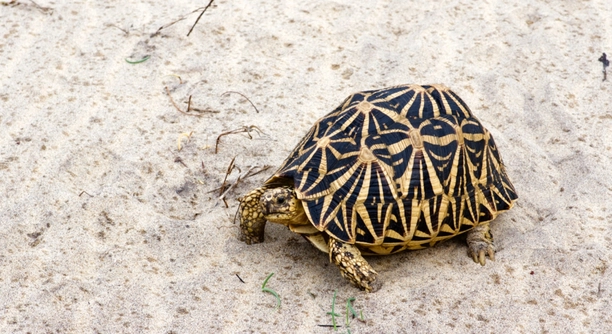
Turtles are fascinating creatures, and as a pet owner, you may notice changes in their shells over time. One such change can be the appearance of lumps on their shells.
The presence of lumps on a turtle’s shell may indicate a variety of underlying conditions, such as infections, tumors, or vitamin deficiencies. It’s important to monitor these changes closely and seek veterinary advice to ensure the turtle’s health.
Understanding the causes of shell lumps can help in identifying potential issues early on. This article will guide you through the possible reasons and how to address them effectively.
Common Causes of Lumps on a Turtle’s Shell
Lumps on a turtle’s shell can stem from various issues. Some of the most common causes are infections, tumors, or shell deformities. Infections can occur when bacteria or fungi enter through cracks or scratches in the shell. Tumors are growths that may develop on the shell or beneath the surface, sometimes caused by environmental factors or genetics. Shell deformities can also lead to uneven growth, causing lumps to form over time.
It’s essential to pay attention to any changes in the size or shape of the lumps. Some lumps may appear small and harmless, while others could signal a serious problem. Regular monitoring can help prevent further complications.
If you notice a lump, it is crucial to examine your turtle’s behavior as well. Are they eating normally? Are they swimming and basking as usual? These signs can provide additional clues to whether the lumps are a result of a deeper health issue or simply part of their growth.
Treatment Options for Shell Lumps
If your turtle’s shell has lumps, seeking professional veterinary help is necessary. A vet will examine the lumps and determine the appropriate treatment. Depending on the cause, treatments may include antibiotics, antifungal medications, or even surgery.
Each case is different, so the vet will provide tailored recommendations. In some cases, if the lump is due to an infection, they may clean and treat the affected area. For tumors, the vet may perform a biopsy to determine if it’s cancerous. Regular check-ups are important for long-term care.
Treating the lump early can prevent further damage and help keep your turtle comfortable. Prompt attention is key to avoiding more serious health concerns. Your vet may also offer advice on adjusting your turtle’s diet and habitat to improve their overall well-being and prevent future issues.
Shell Rot and Its Effect on Lumps
Shell rot is a bacterial or fungal infection that causes damage to the outer layers of the turtle’s shell. If left untreated, it can lead to swelling, soft spots, and lumps on the shell. The infection typically begins when the shell gets scratched or injured.
Infected areas of the shell may become discolored, and in severe cases, the shell might begin to soften. The lumps form as a result of swelling or pus buildup under the damaged shell. Regular cleaning and proper care can help prevent shell rot, but if the infection is severe, a veterinarian’s intervention is essential.
In addition to lumps, shell rot can make a turtle lethargic, affecting its overall health. To prevent shell rot, ensure that the turtle’s environment is clean, and its shell is free from injury. Proper humidity and temperature levels in the tank also play a role in keeping the shell healthy and free from infections.
Vitamin Deficiencies and Lumps
A lack of essential vitamins, especially vitamin A, can lead to growth abnormalities, including lumps on a turtle’s shell. Vitamin A plays an important role in shell development and skin health. Without proper nutrition, the turtle’s shell may show irregular growth patterns, leading to lumps.
Feeding your turtle a balanced diet rich in leafy greens, carrots, and other vitamin-rich foods can help prevent these issues. Offering a variety of foods ensures that your turtle gets the nutrients it needs to maintain a healthy shell. In addition, providing UVB light helps in the absorption of vitamins and calcium, promoting strong shell growth.
If you notice a sudden change in your turtle’s shell or behavior, check their diet and consider adjusting it. A veterinarian can guide you on the proper vitamins and supplements to provide, ensuring your turtle’s shell remains smooth and healthy.
Tumors and Growths on the Shell
Tumors or growths on a turtle’s shell can appear as lumps. These can be either benign or cancerous. Tumors often develop due to environmental factors, genetics, or exposure to harmful substances. Monitoring the size of the lumps can help determine if they need immediate attention.
When a lump grows rapidly or changes in color, it’s a sign that it may require medical treatment. A vet will perform a biopsy to determine the type of growth and if it’s harmful. In some cases, surgery may be necessary to remove the tumor. Early detection improves the chances of a positive outcome.
Shell Deformities
Shell deformities often cause lumps as the turtle’s shell grows irregularly. These deformities may arise from poor diet, inadequate lighting, or improper care during the turtle’s early development stages. In some cases, these lumps may be a result of the shell trying to compensate for an issue.
Correcting the deformity may involve adjusting the turtle’s habitat and diet. Ensuring that the turtle receives enough UVB light and calcium will support healthy shell growth. Consulting with a vet for advice on correcting shell deformities can help in preventing future lumps or more severe deformities.
FAQ
What should I do if I notice lumps on my turtle’s shell?
If you notice lumps on your turtle’s shell, it’s essential to assess the size, appearance, and changes over time. Smaller lumps may not pose a significant issue, but any lump that grows or changes color should be examined by a veterinarian. The vet will be able to determine whether it is caused by an infection, tumor, or another underlying health problem. Immediate medical attention can help prevent further damage and ensure your turtle’s health is not at risk.
Can a turtle’s shell naturally develop lumps over time?
Yes, some turtles may develop lumps naturally due to their growth. In most cases, this happens gradually as they age and can be harmless. However, it’s still important to monitor any lumps for changes in size or appearance. Keep in mind that irregular growth or any unusual changes could be a sign of an underlying health issue that requires attention.
How can I tell if the lump is due to an infection?
Infected lumps on a turtle’s shell are often accompanied by signs of shell rot, such as soft spots, discoloration, or foul odors. If the lump appears swollen, warm to the touch, or if your turtle seems lethargic and shows signs of discomfort, an infection may be the cause. A veterinarian can help diagnose the issue and recommend the appropriate treatment.
Are lumps caused by vitamin deficiencies?
Yes, vitamin deficiencies, particularly a lack of vitamin A, can lead to lumps on a turtle’s shell. When turtles don’t get the proper nutrition, their shells may grow abnormally, resulting in lumps or other deformities. Ensuring your turtle has a balanced diet with proper vitamins and nutrients can prevent these issues. Providing a diet rich in leafy greens, carrots, and other vitamin-rich foods, along with UVB light, helps maintain a healthy shell.
Can tumors cause lumps on a turtle’s shell?
Yes, tumors are another possible cause of lumps on a turtle’s shell. Tumors can develop due to genetic factors or environmental influences. Some tumors are benign and cause no harm, while others may be malignant. If a lump on the shell grows quickly or changes color, it is essential to seek veterinary care immediately for proper diagnosis and treatment.
What is the best way to prevent lumps from forming on my turtle’s shell?
Preventing lumps requires providing the right care and environment for your turtle. Ensure they have a proper diet rich in essential nutrients and vitamins, especially vitamin A. Provide adequate UVB lighting, and maintain appropriate water temperature and humidity levels in their habitat. Regularly check your turtle’s shell for any signs of damage or infection and keep their living area clean to prevent bacteria or fungus from entering.
Should I be concerned about a small, hard lump on my turtle’s shell?
A small, hard lump on a turtle’s shell may not be a cause for concern if it doesn’t show any signs of infection or growth. However, it’s still important to monitor it closely. If the lump changes in size, becomes painful to the touch, or is accompanied by other symptoms like lethargy, it’s a good idea to consult a veterinarian. A vet can examine the lump and determine if there is a need for medical treatment.
How do I treat shell rot if it causes lumps on my turtle’s shell?
Treating shell rot involves cleaning the affected area and using antibiotics or antifungal medications prescribed by a veterinarian. The vet will likely recommend a proper cleaning regimen to remove any bacteria or fungi. In severe cases, shell rot may require surgical intervention to remove the infected tissue. Proper care of the turtle’s habitat, including maintaining clean water and proper humidity levels, is essential to prevent future infections.
Is it safe to treat lumps on my turtle’s shell at home?
It’s not recommended to treat lumps on your turtle’s shell at home without proper guidance from a veterinarian. While some lumps may be harmless, others could indicate serious health issues like infections or tumors. Trying to treat the lumps without professional advice could potentially make the problem worse. A vet can provide the proper diagnosis and treatment plan to ensure your turtle’s health and well-being.
What if my turtle’s lumps keep coming back?
If lumps on your turtle’s shell keep coming back, it could indicate an ongoing issue, such as a persistent infection, vitamin deficiency, or genetic condition. It’s important to work with your veterinarian to identify the root cause of the recurring lumps. Regular veterinary checkups, proper diet, and environmental adjustments can help prevent future issues and maintain your turtle’s health.
Final Thoughts
Lumps on a turtle’s shell can be concerning for any pet owner, but it’s important to remember that not all lumps are harmful. Some lumps may appear as part of the turtle’s natural growth process. However, if the lump grows, changes in appearance, or causes your turtle any discomfort, it’s crucial to have it checked by a veterinarian. Early detection and proper care can help prevent serious health issues and ensure your turtle stays healthy for years to come.
The most common causes of lumps include infections, tumors, and vitamin deficiencies. Shell rot, a bacterial or fungal infection, can cause lumps that may lead to further damage if not treated quickly. Tumors can also appear on the shell, some of which are benign, but others could be more serious. Ensuring your turtle has a balanced diet with enough vitamins, particularly vitamin A, can prevent lumps caused by nutritional deficiencies. A proper diet, along with UVB light exposure, is key to maintaining a healthy shell.
Taking preventive steps in caring for your turtle can go a long way in minimizing the risk of lumps. Regularly checking their shell for any changes, providing a clean environment, and feeding them a balanced diet are all important. If you notice any unusual growths, consulting a vet promptly will help identify the cause and prevent further complications. With the right care and attention, your turtle can remain a healthy and happy companion.

Hello,
If you enjoy the content that we create, please consider saying a "Thank You!" by leaving a tip.
Every little bit helps us continue crafting quality advice that supports the health, happiness, and well-being of pets around the world, for pets of all shapes, sizes, and species.
We really appreciate the kindness and support that you show us!