
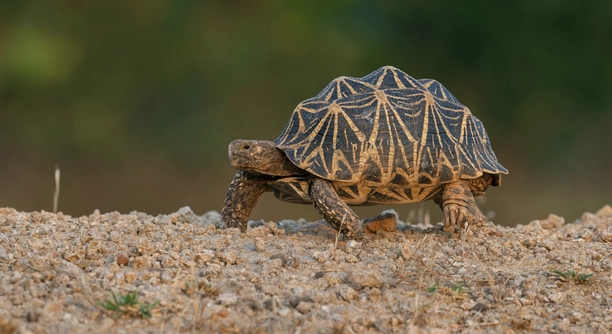
Many turtle owners might not realize that their pets require sunlight for optimal health. A lack of exposure can lead to several health issues that can be easily avoided with proper care.
Turtles require a balance of UVB light to maintain proper calcium levels and prevent metabolic bone disease. Without adequate sunlight, turtles may suffer from weakened bones, lethargy, or other health problems.
Understanding how to provide the right environment for your turtle is crucial. In the following sections, we’ll explore the signs that indicate your turtle might not be getting enough sunlight and what you can do to fix it.
1. Lack of UVB Exposure Can Lead to Weak Shells
Turtles need exposure to UVB light to help them process calcium effectively. Without enough UVB light, their shells may become soft, and they could develop serious bone problems. A weak shell can be a sign that your turtle isn’t getting the light it needs. When turtles don’t get adequate UVB rays, their bodies can’t absorb calcium properly, which may lead to metabolic bone disease. This condition can cause deformities, bone fractures, and even paralysis. In the wild, turtles would naturally get UVB exposure from the sun. So, if your turtle lives in an aquarium, it’s essential to replicate that natural environment as much as possible.
UVB lighting should be placed close to your turtle’s basking area. It’s important to change the bulb regularly, as UVB lights lose their effectiveness over time.
To help prevent this issue, invest in a high-quality UVB light and keep it positioned within the recommended distance from your turtle. The key is consistency, as turtles need to bask under UVB light daily to stay healthy.
2. Lethargy and Reduced Activity Levels
If your turtle is lethargic or inactive, it could be a sign of insufficient sunlight exposure.
Turtles, like all reptiles, rely on sunlight to regulate their metabolism. Without it, they may feel sluggish, which can affect their overall health. The lack of warmth and UVB light might cause your turtle to retreat into its shell for extended periods, making it harder to stay active or even eat properly.
Prolonged periods of inactivity or reduced energy levels are a red flag. You should make sure your turtle’s living environment includes both heat and UVB lights. Turtles bask in natural sunlight to maintain a healthy level of energy. When they don’t get this, they can appear less interested in moving or engaging with their surroundings. To improve their vitality, consider adjusting the lighting or providing more time for basking.
3. Poor Appetite and Weight Loss
When your turtle is not getting enough sunlight, it may lose its appetite. A lack of UVB exposure can lead to digestive issues and a reduced interest in food.
Proper sunlight helps turtles digest their food and absorb the necessary nutrients. Without UVB rays, their bodies cannot process calcium and other essential minerals. This can result in weight loss or a lack of growth. Turtles that don’t get enough light may become picky eaters, further impacting their health.
If your turtle’s eating habits have changed or it has started losing weight, the problem could be insufficient exposure to UVB light. Make sure your turtle has access to a proper basking area with both heat and UVB light to stimulate its appetite. If the issue persists, a vet visit may be necessary.
4. Excessive Hiding or Shell Withdrawal
Turtles may spend more time hiding if they aren’t getting enough sunlight. A lack of proper lighting can cause stress, making them feel insecure or uncomfortable.
When turtles are deprived of sunlight, they might retreat into their shells more often. This behavior can indicate that your turtle is not getting the UVB light needed to stay healthy. Turtles usually seek warmth and sunlight to regulate their body temperature. If they can’t find it, they often stay hidden, which can lead to depression or unhealthy behavior.
This excessive hiding can also result in a lack of social interaction. If you notice your turtle hiding more than usual or not basking, consider adjusting its lighting setup. Ensure your turtle’s environment mimics the natural sun exposure it would get in the wild.
5. Swollen Joints or Soft, Deformed Shell
Lack of sunlight can cause your turtle’s joints to swell, and its shell may become soft or misshapen. This is a clear sign of calcium deficiency.
Without proper UVB exposure, your turtle can’t absorb calcium, leading to deformities. This might include soft spots on the shell, which is a result of metabolic bone disease.
If your turtle’s shell is soft or deformed, it could be due to inadequate sunlight. You’ll need to improve its UVB exposure to prevent further health issues.
6. Dry or Flaky Skin
When your turtle is deprived of sunlight, its skin may become dry or flaky. This is often seen in turtles kept indoors for long periods without proper UVB light.
Turtles rely on sunlight for healthy skin shedding and overall skin health. Without UVB exposure, the shedding process can be disrupted, leaving dry patches or flaky skin.
If you notice your turtle’s skin looking rough or flaky, it could be a sign of a lack of UVB light. Ensure its habitat is properly lit to promote healthy skin and shedding.
FAQ
How much sunlight does my turtle need each day?
Turtles need about 10-12 hours of sunlight or UVB exposure each day. This can be achieved with a proper UVB light if your turtle is kept indoors. The light should be positioned close to the basking area, but not directly above. Ensure the UVB light is replaced regularly, as its effectiveness decreases over time.
Can I use regular light bulbs for my turtle?
Regular light bulbs will not provide the necessary UVB rays that turtles need. UVB light is essential for calcium absorption and overall health. A standard bulb will only provide visible light and not the necessary UVB rays. It’s important to use specialized UVB bulbs designed for reptiles to meet their lighting needs.
Is it okay to use a heat lamp instead of a UVB light?
Heat lamps provide warmth but do not emit UVB rays. While they are important for providing the right temperature, you’ll still need a separate UVB light to ensure your turtle gets the proper exposure to UVB. Many reptile lights combine heat and UVB in one bulb, which can be more convenient.
Can my turtle get too much sunlight?
Yes, it is possible for a turtle to get too much sunlight. Overexposure can cause overheating and dehydration. Turtles need a proper balance of warmth and UVB exposure, with opportunities to cool down in the shade. It’s important to regulate the temperature and lighting to create a comfortable environment for your turtle.
What kind of UVB light should I use for my turtle?
For most turtles, a UVB light with a wavelength of 290-320 nm is ideal. You should select a bulb that specifically says it’s suitable for reptiles, as these are designed to provide the necessary UVB radiation. There are different types of UVB bulbs available, including fluorescent and mercury vapor bulbs. Fluorescent bulbs are more affordable, while mercury vapor bulbs provide both UVB and heat.
How can I tell if my turtle’s UVB light is working properly?
UVB bulbs lose their effectiveness over time, even if they still appear to be working. A simple way to check is by using a UVB meter, which measures the intensity of the UVB rays. Alternatively, you can replace the bulb regularly, as most manufacturers recommend changing it every 6-12 months depending on the type.
Can I take my turtle outside for natural sunlight?
Yes, taking your turtle outside for natural sunlight is an excellent way to provide it with UVB rays. However, you should only do this in a controlled environment. Make sure your turtle is safe from predators, overheating, and dehydration. Always provide access to shade, and never leave your turtle outside unsupervised for long periods.
How long should my turtle bask under the UVB light?
Turtles should bask under the UVB light for 10-12 hours each day. Basking is essential for proper digestion and the absorption of UVB rays. The length of time depends on the species of turtle, but most require daily exposure to UVB light for healthy bone development and overall well-being.
Can I leave my turtle in a room with sunlight through a window?
Sunlight through a window will not provide your turtle with sufficient UVB rays. Most windows block UVB light, meaning your turtle will not get the necessary benefits from the sunlight coming through. It’s best to use artificial UVB lighting if you cannot provide natural sunlight directly.
What happens if my turtle doesn’t get enough UVB?
If a turtle doesn’t get enough UVB light, it can develop metabolic bone disease, leading to soft shells, weakened bones, and difficulty moving. A lack of UVB exposure also affects their ability to digest food properly and absorb calcium, which is crucial for their health.
How can I make sure my turtle’s basking area is perfect?
A good basking area should have a UVB light source positioned about 6-12 inches from where the turtle basks. Ensure that there is a heat source to maintain a temperature between 85-90°F for most species. The area should also be dry, as turtles need to bask on a dry surface to properly absorb UVB rays.
Can my turtle get enough UVB if it’s kept in a dark room?
A room without natural light will not provide sufficient UVB for your turtle. Turtles need exposure to UVB light daily to maintain healthy bones and overall well-being. If you keep your turtle in a dark room, you must use artificial UVB lighting to ensure they receive the proper care.
How do I set up the perfect lighting for my turtle?
Start by choosing a suitable UVB bulb and a heat lamp for your turtle’s habitat. The UVB bulb should be placed close to the basking spot, and the heat lamp should maintain a warm temperature in that area. Make sure the basking area is dry and comfortable for your turtle to rest under the light. You should also have a cooler area in the habitat where your turtle can retreat if it gets too warm.
How often should I replace the UVB bulb?
UVB bulbs should be replaced every 6-12 months, depending on the type of bulb and the manufacturer’s recommendations. Even if the bulb still appears to be functioning, it can lose its UVB output over time. Regularly replacing the bulb ensures your turtle gets the proper amount of UVB rays.
Are there any signs that my turtle is getting too much heat or sunlight?
Signs of overheating include excessive panting, lethargy, or your turtle spending too much time in the water or hiding. If the basking area is too hot, your turtle may try to escape it, showing signs of discomfort. You should always check the temperature of the basking area and adjust it accordingly to avoid overheating.
Is it safe for my turtle to be outside in the summer?
Yes, it’s safe for most turtles to be outside during the summer, provided the environment is controlled. They should have access to shade, plenty of fresh water, and protection from predators. Make sure the temperature doesn’t exceed their comfort zone, and don’t leave them outside for too long without supervision.
Final Thoughts
Turtles need proper care to stay healthy, and sunlight plays a crucial role in their well-being. UVB exposure is essential for turtles to absorb calcium and maintain strong bones. Without it, turtles can suffer from a variety of health issues, such as soft shells, lethargy, and poor appetite. Whether you are keeping your turtle in an outdoor enclosure or an indoor tank, providing the right lighting is necessary to mimic their natural environment. Without adequate sunlight or UVB light, your turtle’s health could decline over time.
It is important to pay attention to your turtle’s behavior and physical condition. If you notice signs like lethargy, swollen joints, soft shells, or changes in eating habits, it might be an indication that your turtle is not getting enough sunlight. Setting up the proper lighting in your turtle’s habitat is key to preventing these health issues. Make sure to use UVB bulbs specifically designed for reptiles and replace them as recommended by the manufacturer. A combination of heat and UVB light will help keep your turtle active, healthy, and thriving.
Remember, turtles are creatures of habit, and they need a consistent environment to feel secure. Along with proper lighting, ensure your turtle has access to clean water, the right temperature, and enough space to move around. If you’re ever unsure about your turtle’s health or lighting needs, consulting with a veterinarian can provide guidance. Keeping your turtle’s environment as natural as possible will ensure they live a long and happy life.

Hello,
If you enjoy the content that we create, please consider saying a "Thank You!" by leaving a tip.
Every little bit helps us continue crafting quality advice that supports the health, happiness, and well-being of pets around the world, for pets of all shapes, sizes, and species.
We really appreciate the kindness and support that you show us!