
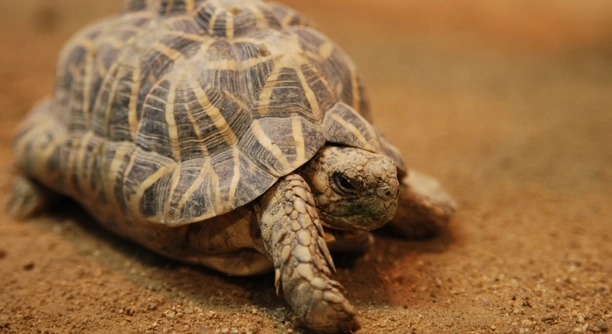
Turtles are fascinating creatures, and their shells are essential for their protection. However, noticing that your turtle’s shell is becoming thinner can be concerning. Understanding the causes behind this can help you address the issue.
A thin shell in turtles often indicates underlying health problems. The most common causes are inadequate diet, poor lighting, or lack of proper care. Malnutrition and calcium deficiency can also lead to shell thinning, weakening its structure over time.
Taking care of your turtle’s health is crucial for its well-being. With the right attention, you can improve your turtle’s condition and prevent further issues.
Common Causes of a Thin Turtle Shell
A thin shell in turtles is often caused by a lack of proper nutrition, especially calcium. Without sufficient calcium, your turtle’s shell cannot maintain its strength and structure. Calcium is essential for shell development and maintenance. In addition to diet, inadequate UVB lighting can also contribute to shell thinning, as turtles rely on sunlight to synthesize vitamin D3, which helps them absorb calcium. Poor habitat conditions, including insufficient space and poor water quality, can further stress your turtle, weakening its immune system and making it more susceptible to shell problems.
A balanced diet is crucial in keeping your turtle’s shell strong. Offering foods rich in calcium, such as leafy greens and calcium-fortified pellets, can improve shell health. Also, providing your turtle with access to natural sunlight or UVB bulbs is important for their overall well-being.
Regular check-ups with a vet are key to ensuring your turtle’s health. By addressing diet, lighting, and habitat needs, you can prevent shell thinning and promote a long, healthy life for your turtle.
How Lighting Affects Your Turtle’s Shell
Lighting plays a significant role in your turtle’s health. Without proper exposure to UVB light, your turtle’s body cannot effectively process calcium. This can lead to weak shells and other health issues. UVB lighting is necessary for turtles to produce vitamin D3, which is crucial for calcium absorption. Without it, your turtle may struggle to maintain a healthy shell.
Make sure your turtle’s habitat includes both UVA and UVB lighting. UVB light should be positioned at an appropriate distance from your turtle’s basking area to ensure it receives enough exposure. Replacing bulbs regularly is also necessary, as their UV output decreases over time.
By providing the right lighting, you can help your turtle maintain a strong, healthy shell and avoid potential health issues.
The Importance of Calcium in a Turtle’s Diet
Calcium is vital for your turtle’s shell health. Without enough calcium, its shell becomes weak and thin. To ensure your turtle’s diet is balanced, include calcium-rich foods, such as dark leafy greens, and provide calcium supplements if needed.
In addition to calcium-rich foods, vitamin D3 is essential for the proper absorption of calcium. Ensure your turtle gets enough exposure to UVB light or provides vitamin D3 supplements to aid calcium processing. Without adequate calcium, a turtle’s shell will become fragile and may even develop deformities, which can lead to long-term health issues.
By carefully monitoring your turtle’s diet and providing calcium supplements as needed, you can prevent the development of a thin shell. Over time, these changes will support your turtle’s overall health and help keep its shell strong.
Poor Habitat Conditions
Turtles require specific environmental conditions to thrive. Poor habitat conditions, such as inadequate water quality or insufficient space, can lead to health problems, including a thin shell. Without a proper tank setup, your turtle may experience stress, which weakens its immune system and impacts shell development.
A clean and spacious tank, along with proper filtration, ensures your turtle has a healthy environment. Inadequate space can also contribute to stress, which can negatively affect their growth and shell strength. Ensure the water temperature, humidity, and light are all appropriate for your turtle’s species.
Providing the right habitat will support your turtle’s overall well-being and contribute to maintaining a strong, healthy shell. Be proactive in checking water quality and adjusting the tank setup as needed to meet your turtle’s needs.
Stress and Its Impact on Your Turtle
Stress is a common issue that can cause various health problems for turtles, including a thinning shell. Factors like frequent handling, poor tank conditions, or overcrowding can create stress. Reducing stress is crucial for preventing shell damage.
To minimize stress, keep your turtle’s environment stable and avoid unnecessary handling. Ensure the tank is large enough and includes hiding spots for your turtle to feel secure. Stress can weaken your turtle’s immune system, making it more vulnerable to shell problems and other health issues.
Providing a calm and stable habitat is essential for your turtle’s overall health.
Overfeeding and Shell Health
Overfeeding can contribute to obesity in turtles, which can indirectly affect the health of their shells. A heavy, sluggish turtle may not be able to move properly or get enough exercise, which can lead to shell deformities. It’s essential to feed your turtle the right amount based on its species and size.
A proper feeding schedule with appropriate portions helps prevent obesity and supports overall health. Offer a variety of foods to ensure your turtle gets all the necessary nutrients without overfeeding. Avoid overfeeding high-fat foods that can lead to weight gain.
Maintaining a balanced diet and portion control helps keep your turtle healthy and its shell in good condition.
FAQ
Why is my turtle’s shell thinning?
A thinning shell is often caused by poor nutrition, lack of UVB light, or insufficient calcium intake. Without these essential factors, the shell cannot develop and maintain its strength. Malnutrition, especially calcium deficiency, can lead to soft, thin shells. Proper care with adequate lighting and a balanced diet will help prevent this issue.
How can I help my turtle’s shell get stronger?
To strengthen your turtle’s shell, focus on a balanced diet rich in calcium. Include leafy greens like kale and collard greens, as well as calcium-fortified foods. Ensure proper UVB lighting or use supplements to aid calcium absorption. Regularly clean the tank, maintain optimal water quality, and avoid overcrowding to minimize stress.
What are the signs of shell rot in turtles?
Shell rot appears as soft, discolored areas on the shell, often accompanied by a foul odor. The shell may also become pitted, swollen, or cracked. If you notice these signs, it’s important to consult a vet immediately for proper treatment. Poor water quality and injuries are common causes of shell rot.
Can I give my turtle calcium supplements?
Yes, calcium supplements are helpful if your turtle is not getting enough from its diet. You can offer calcium powder or blocks designed for reptiles. Sprinkle the powder on food or place it in the tank. However, it’s essential to ensure your turtle also receives proper UVB lighting to help process calcium.
How long should I expose my turtle to UVB light?
Turtles should receive around 10-12 hours of UVB light daily. This exposure helps them produce vitamin D3, which is crucial for calcium absorption. Ensure the light is within the recommended distance from the basking area and replace bulbs every 6-12 months, as their UVB output decreases over time.
Can poor water quality cause my turtle’s shell to thin?
Yes, poor water quality can negatively affect your turtle’s health, including its shell. Dirty water can cause stress, leading to weakened immune function and thin shells. Regularly clean the tank, change the water, and monitor the pH, temperature, and filtration system to maintain a healthy environment for your turtle.
How often should I clean my turtle’s tank?
Your turtle’s tank should be cleaned at least once a week to prevent the buildup of waste and harmful bacteria. Change 25-50% of the water during each cleaning. A clean tank ensures your turtle stays healthy and helps prevent shell and other health issues caused by poor water conditions.
Why is my turtle’s shell soft?
A soft shell in turtles is often a sign of calcium deficiency or insufficient UVB light. Calcium is essential for strong, hard shells, and a lack of it can result in a soft, pliable shell. Ensure your turtle gets enough calcium-rich food and proper UVB lighting to promote shell health.
Can I use UVB lights with my turtle’s basking lamp?
Yes, UVB lights should be used in conjunction with basking lamps. Basking lamps provide heat, while UVB lights ensure your turtle can absorb essential vitamin D3. The basking lamp helps your turtle regulate its body temperature, while the UVB light allows proper calcium absorption. Together, they create a healthy environment for your turtle.
Should I take my turtle to the vet for a thinning shell?
If you notice your turtle’s shell thinning or other signs of health problems, it’s important to consult a vet. A vet can diagnose the underlying cause of the thinning shell, whether it’s a result of poor diet, lack of UVB light, or another issue. Early intervention is key to preventing further damage.
How can I prevent my turtle from getting a thin shell?
To prevent a thin shell, focus on providing a balanced diet, proper lighting, and a clean, stress-free environment. Include calcium-rich foods like leafy greens and ensure your turtle has access to UVB light for calcium absorption. Regular checkups with a vet will help catch any potential issues early on.
Can stress cause shell problems in turtles?
Yes, stress can contribute to shell problems in turtles. A stressful environment, such as overcrowding, inadequate hiding spots, or excessive handling, can weaken the immune system and cause health issues, including shell thinning. Creating a calm and stable habitat helps prevent stress-related shell damage.
What should I do if my turtle has shell rot?
If your turtle has shell rot, it’s essential to take immediate action. Clean the affected area gently with a soft brush and remove any decayed tissue. Keep the turtle in a clean, dry environment until you can take it to the vet for treatment. Early intervention can prevent further damage.
How can I tell if my turtle is dehydrated?
Signs of dehydration in turtles include sunken eyes, dry or flaky skin, and reduced activity. If your turtle is not drinking enough water, it can affect its overall health, including shell strength. Ensure your turtle has access to clean water at all times and soak it in water regularly to prevent dehydration.
Can overfeeding affect my turtle’s shell?
Yes, overfeeding can lead to obesity, which can impact your turtle’s overall health and shell development. A heavy turtle may not be able to move around enough, which can result in poor muscle tone and weak shell structures. Stick to the recommended feeding schedule and portion sizes to avoid overfeeding.
Final Thoughts
Taking care of your turtle’s shell health requires attention to several factors, including diet, lighting, and tank conditions. A healthy shell is a reflection of your turtle’s overall well-being, and it’s important to provide a balanced, calcium-rich diet. Ensure your turtle has access to UVB light, which helps with calcium absorption and prevents soft or thin shells. Regular tank maintenance and proper water quality are also essential for preventing stress and health issues like shell rot. Maintaining a calm and clean environment will keep your turtle comfortable and healthy.
If you notice any changes in your turtle’s shell, such as thinning, softness, or discoloration, it’s important to take action. Shell problems often arise from inadequate nutrition, lack of UVB exposure, or poor water quality. Monitoring these factors and making necessary adjustments will help keep your turtle’s shell in good condition. Regular checkups with a vet are recommended for early detection of any potential health issues. They can help you address any concerns and offer guidance on proper care.
By staying informed and proactive about your turtle’s needs, you can ensure its long-term health and well-being. Small changes in your turtle’s diet, lighting, and tank environment can make a big difference in preventing shell problems. A little extra care goes a long way in keeping your turtle happy and healthy, allowing it to thrive in its home. Remember, a healthy turtle is a happy turtle, and a strong, well-maintained shell is a sign of a thriving pet.

Hello,
If you enjoy the content that we create, please consider saying a "Thank You!" by leaving a tip.
Every little bit helps us continue crafting quality advice that supports the health, happiness, and well-being of pets around the world, for pets of all shapes, sizes, and species.
We really appreciate the kindness and support that you show us!