
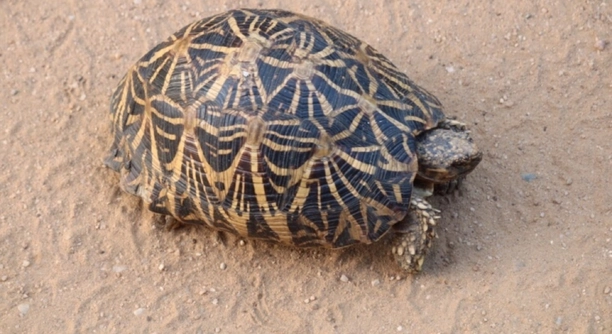
Keeping a turtle happy in captivity requires a careful balance of proper care and attention to their specific needs. Turtles, whether aquatic or terrestrial, thrive when their environment closely resembles their natural habitat. Understanding these requirements is crucial.
The main factors contributing to a happy and healthy turtle in captivity include a suitable habitat, proper diet, regular interaction, and mental stimulation. Providing access to clean water, appropriate lighting, and a safe space for movement are also essential for their well-being.
With the right setup, you can ensure your turtle enjoys a healthy life. The following tips will help you provide the best care possible for your pet.
1. Creating the Right Environment
To keep a turtle happy, it’s essential to mimic its natural habitat as much as possible. A well-maintained tank or enclosure should provide enough space for movement and exploration. For aquatic turtles, the water should be clean, filtered, and at the correct temperature. Terrestrial turtles, on the other hand, need an enclosure with a suitable substrate for digging and hiding. Incorporate plants and structures like rocks or logs, offering them places to climb, hide, and bask. The key is to replicate their natural environment as closely as possible to ensure a healthy, stress-free life.
The right environment also includes appropriate lighting. UVB light is necessary for turtles to metabolize calcium and maintain their shell health. Ensure that your turtle has access to both a basking area with proper heat and a cool area to regulate body temperature. Without these features, your turtle’s health may be compromised, leading to issues like shell deformities or malnutrition.
Proper habitat conditions are the foundation of a turtle’s happiness. With the correct setup, your turtle can thrive and remain active and healthy. It’s an important step in providing them with the care they deserve.
2. Feeding Your Turtle Right
Feeding your turtle the right food is essential for its health. A balanced diet helps maintain a healthy shell, smooth skin, and overall well-being.
Turtles are omnivores, meaning they need a combination of animal protein and plant matter. Provide them with a variety of foods, such as insects, worms, leafy greens, and high-quality pellets. Depending on the species, your turtle may also enjoy fruits or vegetables like carrots, strawberries, and squash. Avoid feeding them processed human foods, as they can harm their health. A nutrient-rich diet helps maintain strong bones, a healthy shell, and proper digestion.
Turtles need to eat different foods throughout their life stages. Hatchlings and juveniles require more protein, while adults may prefer a more plant-based diet. Ensure that their meals are fresh and varied.
3. Proper Lighting and Temperature
Turtles need the right lighting to stay healthy. UVB rays are crucial for calcium absorption, helping to prevent shell problems. Without proper lighting, turtles can develop metabolic bone disease. A heat lamp is also necessary for basking. Keep the basking area between 85-95°F, and ensure a cooler area is available for them to regulate their body temperature.
For aquatic turtles, water temperature should be maintained around 75-80°F. Use an aquarium heater to keep it consistent. It’s important to regularly check both the basking spot and water temperature with thermometers. If these temperatures fluctuate too much, your turtle could become stressed or sick.
It’s also important to provide a day-night cycle. Ensure the UVB light is on for about 10-12 hours a day and turned off at night to mimic natural conditions. A proper light cycle will help your turtle stay in good health and feel secure in its environment.
4. Regular Tank Cleaning
Keeping your turtle’s habitat clean is essential for its health. Regular cleaning helps prevent the buildup of harmful bacteria that could affect your turtle. Clean the tank’s water every week and replace it with fresh water. Be sure to change the water more frequently if it becomes cloudy or dirty.
Additionally, remove uneaten food and waste from the tank daily. This ensures that bacteria and harmful microorganisms don’t have the chance to grow and make your turtle sick. For tanks with filtration systems, clean the filters at least once a month to maintain proper function.
If you keep your turtle’s environment clean, they’ll stay healthy and avoid skin infections or shell issues caused by poor water quality. Proper maintenance of the tank is one of the most important factors in keeping your turtle happy in captivity.
5. Providing Mental Stimulation
Turtles need mental stimulation to stay active and engaged. Without enough variety in their environment, they can become bored and stressed. Offering different structures like rocks, plants, or logs for climbing helps keep them occupied. You can also hide food in their enclosure to encourage foraging behavior.
Mental stimulation keeps your turtle’s mind sharp and helps reduce stress, which can lead to health issues. Giving them space to explore and interact with their environment encourages natural behaviors. Providing a variety of enrichment activities helps prevent your turtle from becoming lethargic or disengaged.
Regularly changing the layout of the habitat can also keep your turtle’s environment exciting and interesting. Keeping things fresh can improve their overall well-being.
6. Providing Space to Move
Turtles require space to move around freely. A small enclosure can cause stress and lead to physical issues. Be sure your turtle has enough space to roam and explore. An enclosure that’s too small can prevent them from exercising, which is essential for their health.
For aquatic turtles, a tank should be large enough for them to swim comfortably. Terrestrial turtles need enough room to roam, climb, and hide. If the enclosure is too cramped, your turtle could experience weight gain, muscle weakness, or shell deformities. A larger habitat allows for more movement and exercise.
Proper space for your turtle also helps in maintaining good mental health. A spacious area will provide them with more opportunities for exploration and enrichment.
7. Handling Your Turtle Carefully
Turtles can be delicate creatures, and handling them requires care. Always handle them gently and avoid sudden movements. Be sure to support their bodies fully when picking them up. Improper handling can cause stress or injury.
Turtles don’t typically enjoy being held for long periods. Instead, let them roam in a safe area where they can explore freely. Avoid picking them up too often, as this can disrupt their comfort and routine. Handling your turtle with respect will help keep them happy and healthy.
FAQ
How often should I feed my turtle?
The feeding frequency depends on the age and species of your turtle. For young turtles, feed them daily as they need more nutrients for growth. Adult turtles generally eat every other day. Always adjust the amount of food based on your turtle’s size and species.
When feeding, offer a variety of foods to ensure a balanced diet. For aquatic turtles, include protein-rich foods like fish, insects, or worms, along with leafy greens. Terrestrial turtles need more vegetables, but they can also enjoy occasional fruit as a treat.
What kind of water do I need for my turtle?
For aquatic turtles, tap water is usually fine, but it should be dechlorinated. Chlorine in tap water can be harmful to your turtle, so it’s essential to use a water conditioner to remove it. The water should be kept clean with a filter, and water changes should be done weekly.
Maintaining a clean water environment prevents bacterial growth and keeps your turtle healthy. Be sure to monitor the water temperature as well, ensuring it stays in the right range for your species.
Can I use regular light bulbs for my turtle’s enclosure?
No, regular light bulbs are not suitable for your turtle. You’ll need to provide UVB light to help your turtle metabolize calcium and maintain a healthy shell. UVB lighting is essential for turtles, as they rely on it for vitamin D3 synthesis.
In addition to UVB, your turtle will also need a basking light to regulate its body temperature. Make sure the lights are placed at appropriate distances to create a warm basking area while avoiding overheating the tank.
How do I know if my turtle is sick?
Signs that your turtle may be sick include a lack of appetite, lethargy, swollen or discolored eyes, abnormal shell appearance, and abnormal behavior like frequent hiding. If you notice any of these symptoms, it’s important to seek help from a reptile veterinarian.
Turtles can hide illnesses well, so regular observation is crucial. Keeping a close eye on your turtle’s behavior and physical appearance will help catch any issues early.
How long can a turtle live in captivity?
Turtles have long lifespans, with many species living 20-40 years in captivity, while some can live over 50 years. The lifespan depends on the species and the care they receive. Proper nutrition, habitat, and health care are essential for ensuring your turtle lives a long and healthy life.
A well-maintained environment that meets your turtle’s needs can significantly extend its life expectancy, making them great long-term companions.
Do turtles need to be in pairs?
No, turtles do not need to be kept in pairs. While some species may tolerate living with another turtle, many prefer solitude. Turtles are territorial, and keeping multiple turtles in the same enclosure can lead to stress or even aggression.
If you want to keep more than one turtle, make sure the enclosure is large enough to accommodate them without crowding. Pay attention to their behavior and be ready to separate them if any signs of aggression occur.
What temperature should I keep my turtle’s water?
For most aquatic turtles, the water temperature should be between 75-80°F (24-27°C). This ensures they stay active and healthy. Different species have slightly different temperature preferences, so it’s always a good idea to research your specific turtle’s needs.
If the water is too cold, your turtle could become lethargic or develop health problems. Invest in a reliable aquarium heater to maintain the proper temperature.
Can turtles live without water?
Terrestrial turtles do not need water to live, but they do need access to fresh water for drinking and soaking. Aquatic turtles, however, cannot live without water. They need it for swimming, basking, and hydration.
For terrestrial turtles, make sure they have access to a shallow water dish to drink from. For aquatic turtles, ensure they have a large enough tank to swim comfortably and access to clean water at all times.
How do I handle my turtle safely?
When handling your turtle, always support its body properly. Pick them up gently from both sides, making sure to avoid sudden movements that could startle them. Turtles have sensitive shells, so handling them roughly can cause stress or injury.
Keep handling to a minimum, as turtles prefer to stay in their habitats. If you want to let your turtle roam outside of its enclosure, ensure the environment is safe and secure, and always supervise.
Can I bathe my turtle?
Yes, you can bathe your turtle, but it should be done occasionally and in shallow, lukewarm water. Bathing helps with hydration and can assist in cleaning their shells. Make sure the water is not too hot or too cold, as extreme temperatures can cause stress.
Bathing your turtle in clean water also provides an opportunity to check for any signs of health issues, such as skin infections or parasites. Be sure to dry your turtle gently after the bath before returning it to its enclosure.
Final Thoughts
Caring for a turtle in captivity requires attention to their specific needs, including the right diet, environment, and mental stimulation. While turtles are relatively low-maintenance pets, they do require consistent care to stay healthy and happy. It’s important to create a habitat that closely mimics their natural environment. This includes providing enough space for them to move around, suitable lighting, and clean water for aquatic species. Regular observation is essential for ensuring that they are thriving in their environment.
Providing a balanced diet is crucial for your turtle’s well-being. Turtles are omnivores, and their diet should include both plant matter and animal protein, depending on the species. Offering a variety of foods such as leafy greens, insects, and occasional fruit will help meet their nutritional needs. Be mindful of the portion sizes to avoid overfeeding, which can lead to obesity or other health problems. You should also avoid feeding them food that is too rich in fat or unsuitable for their species, as this can lead to digestive issues or other complications.
In addition to diet and habitat, mental stimulation is another important factor in keeping your turtle happy in captivity. Turtles are curious animals and benefit from enrichment activities such as hiding food, providing objects to climb on, or changing their environment occasionally. Just like other pets, turtles need to engage with their surroundings to avoid boredom and stress. By staying informed about their needs and being proactive in providing proper care, you can ensure that your turtle lives a long, healthy, and enjoyable life.

Hello,
If you enjoy the content that we create, please consider saying a "Thank You!" by leaving a tip.
Every little bit helps us continue crafting quality advice that supports the health, happiness, and well-being of pets around the world, for pets of all shapes, sizes, and species.
We really appreciate the kindness and support that you show us!