
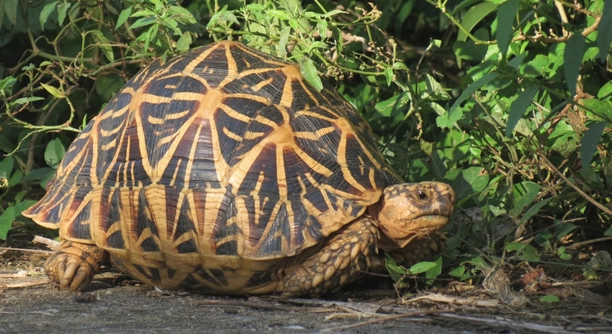
Turtles are fascinating creatures, but sometimes their shells may develop unexpected white spots. If you’re noticing these markings on your turtle’s shell, it’s natural to feel concerned. Understanding the reasons behind these spots can help keep your turtle healthy.
White spots on a turtle’s shell can result from various causes, such as fungal infections, dehydration, or a calcium imbalance. It’s important to examine other symptoms and consult a veterinarian for a proper diagnosis and treatment.
Learning more about the causes of white spots will help you take the right steps to address the issue and keep your turtle thriving.
Common Causes of White Spots on a Turtle’s Shell
White spots on your turtle’s shell could be a sign of several different issues. One of the most common reasons is fungal infections. Fungi can cause patches that appear white or grayish on the shell, often with a slightly raised texture. This type of infection can spread if left untreated, so it’s important to act quickly. Another cause could be dehydration. Turtles need enough moisture to stay healthy, and if they are not getting enough water, their shells may start to show signs of stress, such as white spots. Finally, a calcium imbalance can lead to white patches as well. Calcium plays a critical role in maintaining your turtle’s shell integrity, and without it, your turtle may show signs of shell issues, including white spots.
If your turtle has developed white spots, it’s essential to consider all possible factors and provide a suitable environment. This means adjusting your turtle’s habitat, ensuring it has access to clean water and a balanced diet.
You can make sure your turtle is properly hydrated by maintaining the right humidity levels in its enclosure. Dehydration can worsen any existing health problems, so it’s important to provide water that’s changed regularly to prevent contaminants. If you notice any unusual symptoms, a vet visit is the best course of action.
Treating and Preventing Shell Issues
Once you’ve figured out what’s causing the white spots, treatment options vary depending on the underlying issue. For fungal infections, antifungal treatments prescribed by a veterinarian can clear up the spots effectively. These treatments may involve topical creams or medication to eliminate the infection. Dehydration is usually treated by adjusting the turtle’s water intake and humidity levels in the enclosure. Adding a water dish large enough for your turtle to submerge itself can be very helpful.
For calcium imbalances, increasing the amount of calcium in your turtle’s diet will be important. This can be done by feeding foods like kale, dandelion greens, or calcium supplements. A proper diet combined with proper UVB lighting will help your turtle’s shell stay strong and healthy. Regularly monitoring your turtle’s shell and overall health can ensure that these issues are caught early before they become more serious. With the right care, you can prevent the recurrence of white spots and maintain your turtle’s well-being.
Fungal Infections and White Spots
Fungal infections are one of the most common causes of white spots on a turtle’s shell. These infections typically result in patches that are white or gray and may have a slightly raised texture. Fungi thrive in damp, warm environments, which makes turtles particularly susceptible.
If your turtle has a fungal infection, it’s important to treat it promptly. A vet can prescribe antifungal creams or oral medications to help clear up the infection. Additionally, you should ensure that your turtle’s habitat is clean and dry to prevent the fungi from spreading or reoccurring. Keeping the enclosure at the proper temperature and humidity levels will also help reduce the chances of fungal growth. Regular cleaning of the tank is necessary to avoid further contamination.
If your turtle’s infection is left untreated, it could lead to more severe health issues, such as shell deformities or even a weakened immune system. It’s always best to catch the problem early and treat it effectively to prevent lasting damage. Fungal infections can spread quickly, so regular observation is key.
Preventing Dehydration in Turtles
Dehydration is another possible cause of white spots. Turtles need enough water to stay healthy, and when they don’t get it, their shells can show signs of stress. Dehydration can happen if your turtle’s environment is too dry or if the water is not changed regularly.
To prevent dehydration, you should keep your turtle’s enclosure humid enough to mimic its natural habitat. Providing access to fresh, clean water at all times is also critical. Make sure your turtle can submerge itself in the water fully so that it can hydrate properly. Adding a water dish large enough for your turtle to soak in can help, especially if it prefers a different water source for drinking. When the water is not clean or there’s not enough humidity, dehydration can quickly set in. You’ll want to adjust the setup to keep things fresh for your turtle’s overall well-being. Regular monitoring of their hydration is a simple but effective way to prevent dehydration-related issues.
Calcium Imbalance and Shell Problems
A calcium imbalance can cause white spots on your turtle’s shell. Calcium is essential for maintaining the strength and health of your turtle’s shell. Without enough calcium, the shell can weaken, leading to noticeable spots or even deformities.
To fix a calcium imbalance, start by adjusting your turtle’s diet. Provide more calcium-rich foods like leafy greens or supplements. You can also add cuttlebone to their tank, which is a natural source of calcium. Ensuring proper UVB lighting is equally important, as it helps your turtle absorb calcium from their food.
Shell Rot and White Spots
Shell rot can result in white spots that appear as soft, discolored patches on the shell. It usually happens when there’s an infection caused by bacteria. If left untreated, shell rot can cause serious damage to your turtle’s shell.
Treatment typically includes cleaning the infected area and using antibacterial ointments. It’s essential to maintain clean water and dry conditions to prevent further infection. If the condition worsens, a vet may need to treat it with oral antibiotics. Regular shell checks and a clean, dry environment are key to preventing shell rot.
FAQ
What are the common signs of a fungal infection on my turtle’s shell?
Fungal infections usually cause white or grayish spots that can appear raised or scaly. These patches often have a dry, rough texture. If the infection spreads, it may cause the shell to soften or weaken, leading to potential deformities. If you notice unusual changes in your turtle’s shell, it’s a good idea to check for signs of fungus and seek veterinary help.
How can I treat dehydration in my turtle?
Dehydration in turtles can be treated by ensuring they have constant access to clean water for drinking and soaking. You can also increase humidity in their enclosure to maintain the right balance. If your turtle is severely dehydrated, you might need to give it a warm, shallow bath to help it absorb water through the skin. Always ensure your turtle’s tank is kept clean, and water is changed frequently to avoid contamination.
Can a lack of calcium cause white spots on my turtle’s shell?
Yes, a lack of calcium can cause white spots on a turtle’s shell. Calcium is essential for shell growth and strength, and a deficiency can lead to softening of the shell or visible white patches. To correct a calcium imbalance, you should increase calcium-rich foods like leafy greens and provide supplements. UVB lighting also helps turtles absorb calcium, so make sure your turtle has proper exposure to it.
What should I do if my turtle’s shell is soft?
If your turtle’s shell is soft, it’s often a sign of a calcium deficiency or poor diet. To help fix this, adjust their diet to include more calcium-rich foods and supplements. You should also provide adequate UVB light to help with calcium absorption. If the problem persists, consult a veterinarian to rule out other possible health issues.
How can I tell if my turtle has shell rot?
Shell rot often appears as soft, discolored patches on your turtle’s shell. These areas might be white, yellow, or even black. If the shell feels soft or spongy in these spots, it could be a sign of bacterial infection. Immediate treatment is essential, so it’s best to consult a vet for proper care. In the meantime, ensure the tank is clean and dry to help prevent further infection.
Can I prevent fungal infections in my turtle?
Yes, preventing fungal infections in turtles involves maintaining a clean, dry habitat. Regularly clean the tank, and make sure the humidity and temperature are balanced. Avoid over-wetting the shell and ensure the turtle has a dry area to bask. Proper diet and good hygiene practices will also reduce the risk of fungal growth.
How can I ensure my turtle’s shell stays healthy?
To keep your turtle’s shell healthy, offer a well-rounded diet, including calcium-rich foods, and ensure it gets enough UVB light for calcium absorption. Keep the turtle’s enclosure clean, with the correct temperature and humidity levels. Regularly inspect your turtle’s shell for any changes. Providing a proper environment and balanced diet is key to avoiding shell problems.
Is it safe to handle my turtle if it has white spots on its shell?
While handling your turtle with white spots on its shell is usually safe, it’s important to wash your hands thoroughly afterward. If the white spots are due to a fungal infection or other treatable conditions, it’s better to minimize contact to avoid spreading any potential infection. Always monitor the situation and consult a veterinarian if needed.
How often should I check my turtle’s shell for health issues?
It’s a good idea to check your turtle’s shell regularly for any signs of damage or abnormalities. Doing this once a week is a good habit, especially after cleaning their tank or changing their water. Look for any discoloration, softness, or raised spots, which could indicate infections or other health issues.
Can poor water quality affect my turtle’s shell?
Yes, poor water quality can lead to various health issues for your turtle, including shell problems. Dirty or contaminated water can cause infections, shell rot, or fungal growth. To prevent this, make sure to change the water regularly and maintain proper filtration. A clean environment will help keep your turtle healthy and its shell intact.
Final Thoughts
White spots on your turtle’s shell can be worrying, but understanding the potential causes can help you address the issue effectively. Whether it’s a fungal infection, dehydration, a calcium imbalance, or something else, each condition has a specific approach for treatment. It’s important to take immediate action if you notice any changes in your turtle’s shell, as some conditions can worsen over time if left untreated. While some causes are relatively easy to manage with proper care, others may require veterinary attention. Identifying the cause early can prevent further damage and ensure your turtle stays healthy.
One of the most important aspects of turtle care is creating and maintaining the right environment. Turtles thrive in clean habitats with the proper humidity, temperature, and water quality. Dehydration and fungal infections are more likely to occur in environments that are too wet or too dry, so regularly monitoring your turtle’s living conditions is key. Also, providing a well-balanced diet that includes enough calcium is essential for shell health. The combination of proper diet, hydration, and a clean environment can help your turtle avoid most common shell issues.
If you ever feel unsure about the health of your turtle, don’t hesitate to consult a veterinarian. A professional can help diagnose the cause of the white spots and recommend the best course of treatment. While taking care of your turtle’s shell can seem challenging at times, with the right knowledge and proper care, your turtle can live a long, healthy life. Regular check-ups and consistent care are the best ways to prevent health issues and ensure that your turtle’s shell remains strong and free of any problems.

Hello,
If you enjoy the content that we create, please consider saying a "Thank You!" by leaving a tip.
Every little bit helps us continue crafting quality advice that supports the health, happiness, and well-being of pets around the world, for pets of all shapes, sizes, and species.
We really appreciate the kindness and support that you show us!