
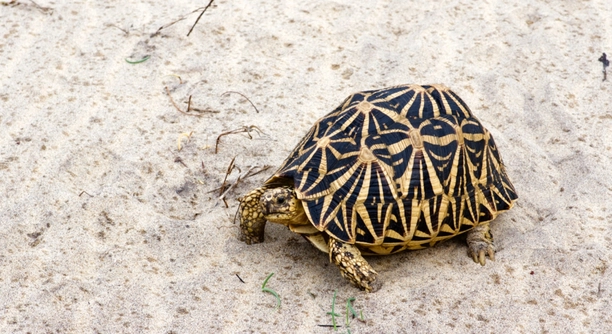
Turtles require clean, oxygen-rich water to stay healthy and active. If you’re a turtle owner, you might have wondered how to ensure their water stays well-oxygenated, especially in their tank environment.
To maintain optimal oxygen levels for your turtle, consider adding filtration systems, aerators, and water changes regularly. Providing a suitable environment with enough surface area for air exchange also plays a significant role in promoting oxygenation.
Implementing these methods will help create a healthier living space for your turtle and reduce stress. Keeping their water oxygenated is crucial to their well-being.
Use a Good Filtration System
A good filtration system is essential for keeping your turtle’s water oxygenated. A high-quality filter will help keep the water clean and remove waste and debris that could affect the oxygen levels. The filter should be strong enough to handle the size of the tank. Without it, harmful substances like ammonia and nitrates can build up, leading to unhealthy water for your turtle.
The filtration system should be cleaned regularly to ensure it works efficiently. A dirty filter won’t provide the proper oxygenation, so keep an eye on it.
When selecting a filter, make sure it matches the size of your turtle’s tank. It’s important to choose a filter that circulates the water thoroughly, allowing air to mix in. This helps the water stay oxygenated and free from contaminants. Regular maintenance and cleaning of the filter will ensure your turtle enjoys a safe, healthy environment with proper oxygenation.
Add an Aerator
Adding an aerator is another simple way to keep your turtle’s water oxygenated. An aerator helps increase the water’s surface movement and air exchange. This improves oxygen levels, ensuring your turtle has enough to thrive.
An aerator can also help prevent stagnation in the water, which can lead to harmful bacteria growth. It’s a simple yet effective tool to support your turtle’s health.
Perform Regular Water Changes
Changing the water regularly is one of the easiest ways to keep it oxygenated. Over time, the water can become stale, reducing oxygen levels. By replacing a portion of the water, you refresh the environment, ensuring that your turtle has access to clean, well-oxygenated water.
Aim to change 25-30% of the water every week. This helps remove waste and toxins, keeping the water fresh. It also reduces the buildup of algae, which can deplete oxygen.
Make sure to use water conditioners if needed, especially when using tap water, as it may contain chlorine or other chemicals that are harmful to your turtle. Allow the new water to reach room temperature before adding it to the tank to avoid temperature shocks.
Provide Ample Tank Surface Area
Turtles need plenty of surface area in their tank for air exchange. The more surface area, the more oxygen can enter the water. This helps keep the water oxygenated, especially if your turtle spends a lot of time basking on a platform.
If the tank surface is small or crowded with decorations, oxygen exchange is limited. Consider adding a larger basking area or rearranging the tank to maximize space.
By offering more space above the water, you ensure that your turtle can easily reach the surface for air. More surface area also allows for better water circulation, helping maintain oxygen levels. This simple adjustment can greatly improve your turtle’s tank environment.
Avoid Overcrowding the Tank
Overcrowding your turtle’s tank can lead to poor water quality and low oxygen levels. More turtles or too many tank mates create excess waste, which depletes oxygen and adds harmful chemicals to the water. This puts extra stress on your turtle.
If you have multiple turtles or other aquatic animals, consider upgrading the tank size. A larger tank helps maintain better water quality and oxygenation. Ensure that the filtration system can handle the added load to keep the water clean and fresh.
Monitor Water Temperature
Water temperature plays a role in oxygen levels. Colder water holds more oxygen, while warmer water holds less. Keeping the water within the ideal temperature range for your turtle (usually 75-80°F) is essential to maintain proper oxygen levels.
By using a reliable thermometer, you can ensure the temperature stays within a safe range. If the water is too warm, it may cause the oxygen to deplete, which can harm your turtle’s health. A water chiller may be necessary if your tank heats up too much.
FAQ
How often should I change my turtle’s water?
You should change about 25-30% of the water each week to maintain a healthy environment. Regular water changes help keep oxygen levels high and remove waste that can build up over time. If you have a larger tank or more turtles, you might need to change the water more frequently.
Changing the water less often can lead to poor water quality, which can cause problems like algae growth and harmful bacteria. Consistent water changes keep the water clean and ensure your turtle has access to fresh oxygenated water.
It’s important to check the water’s quality regularly, not just rely on scheduled changes. Use a water testing kit to monitor ammonia, nitrites, and nitrates. These are indicators of water quality and can help you decide when to change the water.
Do I need a filter to oxygenate my turtle’s water?
Yes, a good filter is necessary for keeping the water oxygenated. The filter helps circulate the water, removing waste, and preventing the buildup of harmful substances like ammonia and nitrates, which can reduce oxygen levels.
A filter also provides continuous movement in the water, which helps oxygen dissolve and mix into the water. Without a filter, the water can become stagnant, leading to lower oxygen levels and potentially harmful conditions for your turtle. Be sure to choose a filter that’s appropriate for your tank size.
Regularly clean the filter to ensure it is working effectively. A dirty filter will not only fail to keep the water oxygenated, but it can also make the water more polluted, making it harder for your turtle to breathe.
Can I add plants to my turtle’s tank to help oxygenate the water?
Yes, live aquatic plants can help oxygenate the water. Plants naturally produce oxygen through photosynthesis, especially during daylight hours. Adding plants to your turtle’s tank can improve oxygen levels, help maintain water quality, and provide a more natural environment for your turtle.
However, keep in mind that turtles may nibble on the plants. Choose hardy plants like Anubias or Java Fern, which can withstand some grazing. Also, ensure the plants get enough light to thrive, as they will not produce oxygen efficiently without proper lighting.
Live plants also offer hiding spots and shelter for your turtle, which can reduce stress. However, keep an eye on how well the plants are doing, as they can contribute to water changes if they start decaying.
How do I know if my turtle’s water is oxygenated enough?
There are a few signs that can indicate if your turtle’s water isn’t oxygenated enough. If your turtle is constantly swimming near the surface, gasping for air, or seems lethargic, it might not be getting enough oxygen. Additionally, cloudy water, algae overgrowth, or unpleasant smells are all signs that the water’s quality is poor.
To avoid these problems, use an oxygen test kit to check the levels in the tank. If the oxygen levels are low, consider adding an aerator, adjusting the water temperature, or increasing surface area for better air exchange. Regular water changes and a strong filtration system are also key to maintaining healthy oxygen levels.
Can I use an aerator instead of a filter to oxygenate the water?
While an aerator can help increase oxygen levels in the water, it should not be considered a replacement for a filter. The aerator improves water circulation and promotes gas exchange at the surface, which adds oxygen. However, it doesn’t remove waste, debris, or toxins from the water like a filter does.
A filter is necessary to keep the water clean and remove harmful substances that can affect your turtle’s health. Ideally, both a filter and an aerator should be used together for optimal water oxygenation and cleanliness.
What happens if the water is not oxygenated enough?
If the water lacks enough oxygen, your turtle’s health can suffer. Inadequate oxygen can lead to stress, weakened immune systems, and difficulty breathing. Your turtle may appear lethargic, swim near the surface constantly, or even show signs of respiratory distress. Over time, poor oxygen levels can lead to more serious health issues, such as organ failure.
In addition, poor water quality can encourage the growth of harmful bacteria and algae, making the environment unsuitable for your turtle. To avoid these problems, make sure you’re regularly checking and adjusting the oxygen levels in your turtle’s tank.
Is it okay to use tap water for my turtle’s tank?
Using tap water for your turtle’s tank is generally fine, but it’s important to treat it properly first. Tap water often contains chlorine, chloramine, and heavy metals, which can be harmful to your turtle. You should always treat tap water with a dechlorinator before adding it to the tank.
Let the treated water sit for a few hours before filling the tank. This will allow the chemicals to dissipate, making the water safe for your turtle. Also, ensure the water temperature is the same as the tank before introducing it to prevent shocking your turtle.
If you’re concerned about the water quality in your area, you may want to consider using filtered or distilled water. However, tap water that has been treated with a dechlorinator should work just fine.
Final Thoughts
Ensuring your turtle’s water stays oxygenated is crucial to their health and well-being. By following the steps outlined, such as using a good filtration system, adding an aerator, and performing regular water changes, you create a healthier living space for your turtle. Oxygen is vital for all aquatic animals, and without it, your turtle can face serious health issues. When the water has enough oxygen, your turtle will thrive, stay active, and show fewer signs of stress.
Additionally, providing a larger tank, avoiding overcrowding, and including live plants can also contribute to better oxygen levels in the water. Turtles need space to swim, breathe, and rest, so make sure their environment is spacious enough for their needs. Live plants not only add oxygen but also give your turtle natural hiding spots, which can help reduce stress. By taking the time to make these adjustments, you ensure that your turtle is getting the right amount of oxygen and a better overall quality of life.
In the end, maintaining oxygenated water is about consistency and observation. Regularly check water quality, monitor oxygen levels, and watch for signs of stress in your turtle. With the right setup and care, you can help your turtle stay happy, healthy, and active for years to come. Whether you’re a new turtle owner or have had turtles for a while, these steps will make a noticeable difference in your turtle’s environment.

Hello,
If you enjoy the content that we create, please consider saying a "Thank You!" by leaving a tip.
Every little bit helps us continue crafting quality advice that supports the health, happiness, and well-being of pets around the world, for pets of all shapes, sizes, and species.
We really appreciate the kindness and support that you show us!