
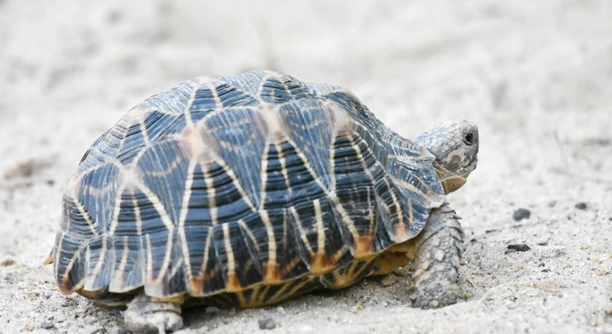
Turtles are fascinating creatures that often surprise us with their unique features. One common concern that owners may notice is brown spots on their turtle’s shell. Understanding the cause of these marks is important for their health.
Brown spots on a turtle’s shell can be caused by various factors, including fungal or bacterial infections, poor diet, or environmental stress. It’s essential to identify the underlying cause to ensure proper treatment and care for the turtle’s well-being.
Addressing these issues early on can improve your turtle’s health and prevent further complications. Let’s explore how you can spot the causes and what steps you can take.
Common Causes of Brown Spots on Turtle Shells
Brown spots on your turtle’s shell can be caused by a variety of issues, from environmental factors to health problems. Often, the appearance of these spots can be linked to poor living conditions, such as an unclean tank or improper lighting. If your turtle isn’t getting enough UVB light, it can lead to health problems like shell rot, which can cause brown or darkened spots.
Additionally, a poor diet can weaken your turtle’s immune system, leaving it more vulnerable to infections. Lack of nutrients such as calcium or vitamin A is another common reason. It’s important to provide a balanced diet to support your turtle’s health and shell maintenance.
If you notice your turtle’s shell becoming soft, discolored, or showing signs of wear, it’s crucial to monitor its habitat closely. Regular cleaning of the tank and proper diet will help prevent many issues from arising. If the brown spots persist, it’s time to consult a vet.
Preventing Brown Spots on Your Turtle’s Shell
The first step in preventing brown spots is ensuring your turtle’s habitat is ideal. Keeping the tank clean and providing a proper basking area with UVB lighting is essential.
Regularly cleaning the tank and changing the water will help avoid the buildup of bacteria, which can lead to infections. A healthy, balanced diet with adequate nutrients, including calcium supplements, is also vital. Your turtle needs both variety and the right vitamins to stay strong.
Shell Rot and Its Impact on Brown Spots
Shell rot is a common cause of brown spots on your turtle’s shell. It often starts as a small, discolored patch that can quickly worsen if not addressed. If the shell feels soft or mushy, it’s a sign of infection.
Shell rot is usually caused by prolonged exposure to dirty water or improper humidity levels in the tank. The bacteria or fungi enter the shell through cracks or wounds, leading to the development of these brown spots. It’s important to act quickly. Clean the tank thoroughly, dry the affected area, and consult a vet for proper treatment.
If shell rot isn’t treated, it can cause permanent damage to your turtle’s shell. In severe cases, the infection can affect the turtle’s health, making it difficult for them to properly bask or swim. Regularly checking for signs of shell rot, such as bad odor, softness, or discoloration, can prevent more serious health issues from arising.
The Role of Diet in Shell Health
A poor diet is a major factor in shell health. If your turtle isn’t getting the nutrients it needs, the shell can become weak and prone to damage. Brown spots may develop as a result of nutritional deficiencies.
Calcium is particularly important for your turtle’s shell. Without enough calcium, their shell can soften and become more vulnerable to bacteria and fungi. A diet that includes leafy greens, certain fruits, and commercially prepared turtle food can ensure that they’re getting the right vitamins and minerals. You may also need to add calcium supplements to their meals if they’re not getting enough.
A balanced diet will help your turtle maintain a strong, healthy shell, and prevent issues like brown spots. If you’re unsure about what to feed your turtle, seek advice from a vet. This will give you the best chance of maintaining their overall health.
Environmental Stress and Brown Spots
Stress from environmental factors can also lead to brown spots on your turtle’s shell. Poor water quality, fluctuating temperatures, or lack of hiding spots can stress your turtle out. A stressed turtle is more likely to develop health issues, including shell problems.
Ensure your turtle’s tank has clean, filtered water, consistent temperatures, and a proper basking area. Providing hiding spots or plants can also help reduce stress. Regularly checking and adjusting their habitat will promote better health and prevent brown spots from forming.
Fungal Infections
Fungal infections can cause brown spots to appear on your turtle’s shell. These spots may become raised or discolored and can spread if untreated. Fungal growth often occurs in a damp or unsanitary environment, allowing the fungus to attack the shell.
If you notice brown, raised patches, it’s important to act quickly. Clean the tank thoroughly, isolate the turtle if necessary, and treat the infection with antifungal medications recommended by a vet. Early intervention can prevent further damage to the shell and improve your turtle’s overall health.
FAQ
What should I do if I notice brown spots on my turtle’s shell?
If you notice brown spots, first check the environment. Clean the tank and ensure the water quality is good. Look for any other signs of infection or damage. If the spots persist or worsen, it’s best to consult a vet who can diagnose the problem and recommend treatment.
How can I tell if my turtle has shell rot?
Shell rot usually appears as soft, discolored patches on the shell. These areas may look brown, yellow, or even black. The affected shell may feel soft or mushy to the touch. If you notice any foul odor coming from the shell, it’s likely a sign of infection, and you should seek treatment right away.
Can a poor diet cause brown spots on my turtle’s shell?
Yes, a poor diet can cause brown spots. Nutritional deficiencies, particularly a lack of calcium and vitamin A, can weaken the shell, making it more susceptible to infections that result in brown spots. Make sure your turtle gets a varied and balanced diet to maintain a healthy shell.
How do I ensure my turtle’s shell stays healthy?
To keep your turtle’s shell healthy, provide a clean tank, proper UVB lighting, and a balanced diet that includes plenty of calcium. Regularly clean the tank and water, check for any signs of infection or damage, and offer a proper basking spot. This will help maintain their shell in good condition.
Can I treat fungal infections on my turtle’s shell at home?
Fungal infections can be treated at home, but it’s important to act quickly. Clean the affected area and the tank thoroughly to remove any contaminants. You can use antifungal treatments recommended by a vet, but in more severe cases, seeking professional care is best.
What are the signs of stress in a turtle that could lead to brown spots?
Stress in turtles can manifest in various ways, including changes in behavior like hiding or excessive swimming. A stressed turtle may also refuse to eat or bask. Poor water conditions, inconsistent temperatures, and lack of hiding spots can contribute to stress. This can weaken the immune system, leading to shell issues like brown spots.
Should I give my turtle calcium supplements?
Yes, if your turtle’s diet lacks enough calcium, supplements are necessary. Calcium helps maintain the strength and integrity of the shell. You can provide calcium in the form of cuttlebone, powdered supplements, or calcium-rich foods like leafy greens and some types of fish. Consult a vet if you’re unsure about dosage.
How often should I clean my turtle’s tank to prevent shell problems?
To keep your turtle healthy, clean the tank and change the water at least once a week. If you notice the water becoming dirty more quickly, it may be necessary to clean more frequently. A well-maintained tank reduces the risk of bacterial or fungal infections that could lead to brown spots on the shell.
Can brown spots on my turtle’s shell be a sign of something more serious?
While brown spots are often a sign of a minor issue like shell rot or stress, they can also indicate more serious conditions if left untreated. Infections, poor nutrition, and environmental factors can all cause these spots to worsen. It’s important to monitor your turtle’s health and seek help from a vet if necessary.
How can I prevent brown spots from appearing on my turtle’s shell in the future?
Preventing brown spots involves maintaining a clean and stable environment for your turtle. Ensure the water is filtered and changed regularly, provide proper lighting, and offer a diet rich in essential nutrients like calcium and vitamin A. Regularly check for any signs of infection or shell damage to catch issues early.
Is shell rot contagious to other turtles?
Shell rot is not typically contagious between turtles, but if multiple turtles are kept in the same tank, an infected turtle can introduce bacteria or fungi to the water. If one turtle has shell rot, it’s a good idea to isolate it until it’s treated to avoid spreading any harmful bacteria or fungi.
What can I do if my turtle refuses to eat because of shell problems?
If your turtle is refusing food, it could be due to pain or stress caused by shell issues. Keep its tank clean and at the right temperature to reduce stress. If the problem continues, take your turtle to the vet for a checkup. Early treatment will prevent further complications.
Final Thoughts
Brown spots on your turtle’s shell can be concerning, but they are usually a sign that something in the turtle’s environment, diet, or health needs attention. These spots can be caused by a variety of issues, including poor water quality, fungal or bacterial infections, a lack of proper nutrition, or even environmental stress. Identifying the cause early on is important to prevent the problem from getting worse and affecting your turtle’s overall health.
Taking care of your turtle’s shell starts with maintaining a clean and safe environment. Regularly clean the tank and ensure the water is free of bacteria and debris. The right temperature and proper UVB lighting are also crucial for your turtle’s health. A consistent, stable environment will help prevent many of the common issues that lead to brown spots on the shell. Regularly checking for changes or signs of damage can help catch any problems early.
Proper diet is just as important as a clean tank. Make sure your turtle is getting the right balance of nutrients, especially calcium, vitamin A, and other vitamins that support shell health. If you notice any signs of shell rot, fungal infections, or brown spots, act quickly. If necessary, consult a vet for advice or treatment. By staying on top of your turtle’s environment, diet, and health, you can keep its shell in good condition and prevent future problems.

Hello,
If you enjoy the content that we create, please consider saying a "Thank You!" by leaving a tip.
Every little bit helps us continue crafting quality advice that supports the health, happiness, and well-being of pets around the world, for pets of all shapes, sizes, and species.
We really appreciate the kindness and support that you show us!