
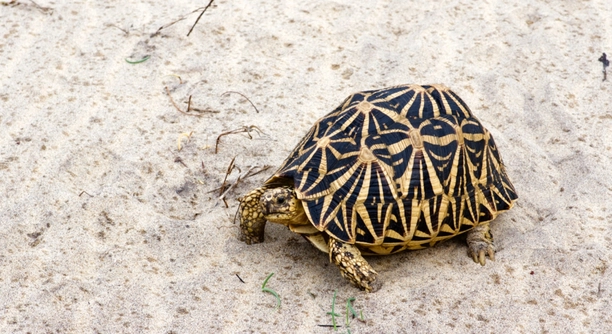
Turtles are unique pets that require specific care to thrive. One of the most important factors in their health is the temperature of their tank. A cold tank can cause serious problems for your turtle.
A turtle’s tank that is too cold can lead to stress, slowed digestion, and even health issues. Maintaining a proper water temperature is essential for your turtle’s well-being, as it helps regulate metabolism and immune function.
Understanding the signs of a cold tank can help prevent these problems. Keep reading to learn more about how temperature affects your turtle and how you can keep them comfortable.
A Turtle’s Behavior Changes
When the tank is too cold, your turtle may start acting differently. You might notice that it becomes sluggish or less active. Turtles are cold-blooded, which means they rely on the surrounding temperature to regulate their body heat. If the water is too cold, they may not feel the energy to move around much or eat properly.
These changes in behavior are often a clear sign that something isn’t right. You may also observe your turtle spending more time at the bottom of the tank, avoiding the basking area. It’s important to monitor your turtle’s activity closely to ensure that its environment is comfortable.
Cold temperatures can significantly affect a turtle’s metabolism. If your turtle is not moving around as it normally would, this could be its way of conserving energy. Lack of activity can also impact its digestion, causing your turtle to eat less or not at all. When the tank is warm enough, it should be active and feeding regularly. If it’s spending too much time hiding or not eating, adjusting the temperature could help.
Improper Tank Heating
Inconsistent tank heating is a common issue. If your turtle’s tank has hot and cold spots, it can confuse its body temperature regulation. A reliable heater ensures a steady, comfortable temperature that allows your turtle to thrive.
A properly heated tank also prevents stress. It promotes healthy digestion, activity, and overall well-being. Without this stability, your turtle may become lethargic or develop health issues like a weakened immune system.
Reduced Appetite
If your turtle isn’t eating as much as it usually does, the tank temperature could be the issue. Cold water slows down a turtle’s metabolism, leading to a lack of appetite. If it continues, the turtle may become weak and undernourished.
Turtles require warmth to digest food properly. Without the proper temperature, their body struggles to break down food efficiently. This leads to a decrease in hunger. If you notice your turtle not eating, check the water temperature and adjust it accordingly. A properly heated tank will help restore its normal appetite.
A turtle that is not eating will eventually lose energy. This can lead to further health complications like weight loss and a weakened immune system. Keeping the tank at the correct temperature is essential for encouraging your turtle to eat, ensuring it gets the nutrients it needs.
Difficulty Swimming
Turtles use their muscles to swim, and if the water is too cold, they may have trouble moving as they normally do. Cold temperatures can stiffen their muscles, making swimming harder and less enjoyable for them.
Swimming difficulties often show up when turtles try to avoid the colder parts of their tank. They may spend more time at the surface or in areas that are too warm. If you notice your turtle struggling to swim, it could be a sign that the tank is too cold.
Cold temperatures may also cause your turtle to move less overall, which can lead to problems with muscle development and overall strength. A turtle that’s too cold will not be as active, and that affects its physical health. Keeping the water at the right temperature ensures your turtle can swim freely and stay healthy.
Hiding More Than Usual
Turtles are naturally curious and social animals. If they start hiding more than usual, it could indicate that they are uncomfortable. Cold water makes turtles feel stressed, and they may seek shelter to escape the discomfort.
Excessive hiding is a clear sign that something isn’t right. If your turtle is consistently staying in the darkest corners of the tank, it may be trying to regulate its body temperature. You should check the tank’s temperature and ensure that it’s within the optimal range for your turtle.
Slow or Abnormal Growth
Turtles require warmth to grow at a healthy rate. A cold tank can stunt their growth by slowing down their metabolism. A turtle’s shell growth and general development may be delayed if the water is too cold.
If your turtle is growing slower than expected, check its environment. The temperature can affect how it absorbs nutrients and energy, causing it to grow at a slower pace. Keeping the water at a consistent temperature will support its natural growth process.
FAQ
What is the ideal water temperature for my turtle?
The ideal water temperature for most turtles ranges between 75°F to 80°F (24°C to 27°C). However, this can vary depending on the species. Some turtles prefer slightly cooler or warmer conditions. Always check the temperature recommendations specific to your turtle’s breed.
How do I know if my turtle’s tank is too cold?
If your turtle is behaving unusually, such as staying inactive, hiding, or refusing to eat, it could be a sign that the water is too cold. A thermometer will help you monitor the tank’s temperature and make sure it’s within the proper range.
Can I use a regular aquarium heater for my turtle tank?
Yes, you can use a regular aquarium heater, but make sure it is specifically designed for the size of your tank and is capable of maintaining a consistent temperature. Additionally, consider a heater guard to avoid accidental burns from the heater.
What happens if my turtle stays in water that is too cold for too long?
If your turtle remains in water that is too cold, it may suffer from slowed digestion, reduced immune function, and even metabolic issues. Over time, it can lead to lethargy, weight loss, and poor overall health.
How often should I check the water temperature in my turtle’s tank?
It’s a good idea to check the water temperature daily, especially if you live in a place with fluctuating room temperatures. A digital thermometer is best for accuracy, and it should be placed away from the heater to avoid false readings.
How do I keep the tank at the right temperature during winter?
In colder months, you may need a more powerful heater or a tank cover to retain heat. Adding a thermostat to your setup can also help regulate the temperature automatically and prevent sudden drops.
Can I use a heat lamp instead of a water heater?
Heat lamps are great for warming the basking area but do not regulate the water temperature. A water heater is necessary for keeping the water temperature stable, while the heat lamp will provide warmth for your turtle to bask under.
How do I know if my turtle is cold and stressed?
Signs of stress include hiding, being inactive, refusal to eat, and lethargy. If you notice these behaviors and suspect your turtle is cold, check the tank’s temperature. Cold stress can lead to long-term health problems if not corrected.
Can a turtle survive in cold water?
Turtles can survive in cold water for a short period, but prolonged exposure can lead to serious health issues. It can weaken their immune system and slow down essential body functions. Ensuring a consistent water temperature is crucial for their well-being.
What should I do if my turtle isn’t eating due to cold water?
If your turtle isn’t eating because of cold water, try adjusting the water temperature to a more comfortable level. After warming up, offer food again, and be patient. If the lack of appetite continues, consult with a veterinarian to rule out other issues.
Can I use a thermostat with a water heater for my turtle tank?
Yes, using a thermostat with a water heater is highly recommended. It helps maintain a stable temperature and prevents overheating, which can be just as harmful as cold water. A thermostat will automatically adjust the heater when necessary.
Is it safe to have hot and cold spots in my turtle tank?
Turtles need a gradient in temperature, meaning they should have access to both warmer and cooler areas within their tank. A basking area with higher temperatures and cooler zones in the water allow your turtle to regulate its body heat.
How can I tell if the water heater is working correctly?
Check the water temperature regularly with a thermometer. If the temperature fluctuates too much or stays consistently too cold or hot, the heater may not be functioning properly. Consider replacing it if it shows signs of malfunction.
How can I make sure my turtle stays warm at night?
At night, it’s common for the room temperature to drop, which can affect your turtle’s tank temperature. You can use a tank cover, additional heaters, or a nighttime-specific heat lamp to ensure the temperature remains stable through the night.
What temperature should the basking area be?
The basking area should be warmer than the water, generally between 85°F and 90°F (29°C to 32°C). This allows your turtle to absorb heat and regulate its body temperature properly, which is essential for digestion and general health.
Can my turtle get too hot?
Yes, overheating can also harm your turtle. It can lead to dehydration, stress, and health problems. Keep the water temperature below 85°F (29°C) and ensure the basking area doesn’t exceed 95°F (35°C). Always check the tank’s temperature regularly.
How long does it take for a turtle to warm up in the water?
It usually takes a few hours for a turtle to warm up to the right temperature. However, it’s best to ensure that the tank is at the proper temperature before placing your turtle in it to avoid additional stress.
What can I do if the water temperature drops unexpectedly?
If the temperature suddenly drops, check the heater to see if it’s malfunctioning. You can temporarily use a water heater to raise the temperature or place a heat source near the tank. Avoid drastic temperature changes, as they can stress your turtle.
Should I feed my turtle when the water is cold?
It’s not ideal to feed your turtle when the water is too cold. Cold temperatures slow digestion, and your turtle might not be able to properly process the food. Wait until the water temperature is appropriate to avoid health issues.
Final Thoughts
Maintaining the right temperature in your turtle’s tank is essential for its overall health and well-being. A cold tank can cause a variety of issues, including lethargy, poor appetite, and difficulty swimming. Turtles are cold-blooded creatures, so their body temperature depends on their environment. When the water is too cold, it can affect everything from their digestion to their immune system. Regularly monitoring the temperature is a simple but crucial step in keeping your turtle healthy.
A reliable water heater and a thermometer are essential tools for maintaining a stable environment for your turtle. By ensuring the tank remains at the ideal temperature, you can help prevent many of the issues caused by cold water. If you notice signs like reduced activity, hiding, or a lack of appetite, it’s a good idea to check the water temperature right away. These signs are often early indicators that your turtle is struggling with a cold environment, and quick action can prevent more serious health problems.
Finally, while it’s important to focus on the temperature, don’t forget about other aspects of tank care, like proper filtration and regular cleaning. A clean and well-maintained tank, combined with the right temperature, will ensure that your turtle lives a long, healthy life. Keeping your turtle comfortable should always be a priority, and small adjustments, such as improving heating or making sure there are warmer spots in the tank, can make a big difference in its health. Taking the time to make these changes can help ensure your turtle thrives in its environment.

Hello,
If you enjoy the content that we create, please consider saying a "Thank You!" by leaving a tip.
Every little bit helps us continue crafting quality advice that supports the health, happiness, and well-being of pets around the world, for pets of all shapes, sizes, and species.
We really appreciate the kindness and support that you show us!