
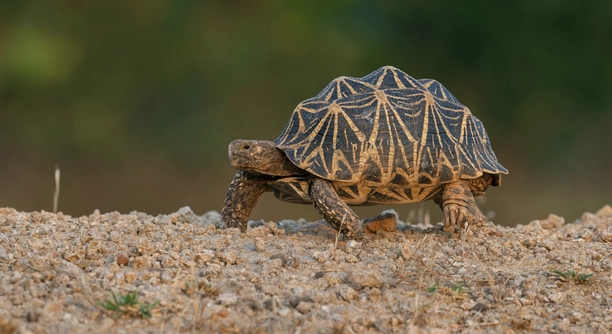
Turtles are fascinating creatures that bring a lot of joy to their owners. But sometimes, you might notice a white film covering their shells, which can be concerning. It’s important to understand what this could mean for their health.
A white film on a turtle’s shell is typically caused by shedding skin or a fungal or bacterial infection. In some cases, it may also be due to poor water conditions, causing a build-up of minerals or algae.
Learning the cause of this white film can help you take the right steps to ensure your turtle remains healthy. With the right care, your turtle will be thriving again in no time.
Causes of White Film on a Turtle’s Shell
A white film on your turtle’s shell could stem from several different causes. The most common is shedding skin. As turtles grow, they periodically shed the outer layer of their shell and skin, and this can sometimes leave behind a white, cloudy appearance. Another possible cause is water conditions. If the water in your turtle’s tank isn’t cleaned regularly or has an imbalance in minerals, a white film could form as a result of calcium or algae build-up. In other cases, a fungal or bacterial infection could be responsible for the white covering. These infections can cause shell abnormalities that need immediate attention. It’s essential to look at your turtle’s behavior and environment to pinpoint the cause.
If you notice a white film, check your turtle’s habitat for cleanliness and possible infections. Healthy, clean water is key to a healthy turtle.
The condition of your turtle’s shell says a lot about its environment. Regular cleaning of the tank and monitoring of water quality can prevent white film build-up. If the problem persists despite clean water, consider checking for signs of infection. If this is the case, seeking a veterinarian’s advice is crucial. Left untreated, bacterial or fungal issues can harm your turtle’s health, affecting its shell and overall well-being. Keeping track of your turtle’s diet, water quality, and behavior will help you avoid long-term problems.
How to Prevent the White Film from Coming Back
Maintaining proper tank conditions is key to preventing the return of the white film. Regularly clean the tank and filter, ensuring no excess minerals, algae, or bacteria can build up. Keeping the water temperature stable and changing the water frequently will help as well.
Proper care also includes monitoring your turtle’s diet. Offering a balanced diet with enough calcium and nutrients helps maintain a healthy shell. If your turtle has a history of shell issues, supplements or specific foods might be necessary. Always consult with a vet to make sure you’re feeding the right food for your turtle’s needs.
Lastly, don’t overlook the importance of UV lighting. Turtles need exposure to UVB rays to process calcium, which helps keep their shells healthy. Without proper lighting, your turtle could develop issues like shell softening or an increased risk of fungal infections. This extra step can go a long way in ensuring your turtle stays healthy and free from any white film on its shell.
Identifying a Fungal or Bacterial Infection
If the white film on your turtle’s shell is caused by an infection, it may appear as patches or a slimy coating. Fungal and bacterial infections are often linked to poor tank hygiene or overcrowding. Keep an eye on your turtle’s behavior, as infections can also make them lethargic.
Infections that affect your turtle’s shell often start small but can spread quickly if not addressed. A bacterial infection can cause a greenish tint or soft spots, while a fungal infection may appear as a powdery film. If you notice these symptoms, it’s crucial to isolate the turtle and clean the tank thoroughly.
Infected shells can become compromised, leading to permanent damage. A vet may recommend antifungal or antibiotic treatments, depending on the type of infection. Ensure your turtle is getting enough UVB light, as this helps its immune system fight off infections. It’s important to act quickly, as untreated infections can worsen and cause severe health issues.
Tank Maintenance for Healthy Shells
Keeping your turtle’s tank clean and properly maintained helps avoid white film caused by bacteria or algae. Regular water changes, along with cleaning the tank and filter, will remove any harmful build-up. Aim to change the water weekly to keep it clear and safe.
Make sure to scrub the shell and tank regularly to remove any algae growth, which can also contribute to the white film. Algae thrives in dirty water, and it can cling to your turtle’s shell, causing the film. A tank filter is essential for reducing waste and toxins in the water.
Testing the water regularly for things like pH, ammonia, and calcium levels is also important. Keeping water parameters stable helps prevent mineral build-up and algae growth. If you’re unsure about your tank’s water quality, invest in a water test kit. Monitoring your turtle’s environment consistently will ensure it remains healthy and free from white film.
The Role of Diet in Shell Health
Your turtle’s diet plays a key role in maintaining a healthy shell. A lack of essential nutrients like calcium can lead to shell issues, including the development of white spots or a cloudy film. Provide a balanced diet to ensure your turtle gets the nutrients it needs.
Incorporating calcium-rich foods such as leafy greens, calcium-fortified pellets, and occasional cuttlebone can help maintain shell health. Without sufficient calcium, your turtle may experience shell deformities. Ensure that your turtle is eating a variety of foods, and avoid overfeeding, as it can lead to obesity and other health problems.
Signs of Overexposure to Sunlight
Too much exposure to direct sunlight can cause your turtle’s shell to become overly dry and cracked. If you use natural sunlight or a UVB light source, monitor your turtle’s time in the light. Overexposure can lead to dehydration or shell damage, which might appear as a white film.
Turtles should have access to UVB light for about 10-12 hours a day. Too little can lead to calcium deficiency, while too much can cause skin and shell damage. If your turtle is spending too much time in direct sunlight, provide areas for them to hide and avoid overheating.
When to Seek Veterinary Help
If the white film on your turtle’s shell doesn’t go away despite changes in diet and environment, it might be time to consult a vet. Persistent symptoms can indicate more serious underlying health problems like infections or improper care. Early intervention can prevent further complications.
FAQ
What causes the white film on my turtle’s shell?
The white film on your turtle’s shell can be caused by a variety of factors. One of the most common reasons is shedding. Turtles periodically shed the outer layer of their shell and skin, which can leave behind a cloudy or white residue. This is a natural process and usually goes away on its own. Another reason for the white film could be an imbalance in your turtle’s tank conditions, such as excess minerals or algae. Fungal and bacterial infections are also potential culprits, causing the shell to look unhealthy. It’s important to assess the water quality, diet, and overall care to determine the cause.
Is the white film on my turtle’s shell harmful?
In most cases, the white film itself is not directly harmful to your turtle, especially if it’s due to shedding. However, if the white film is caused by an infection or poor water conditions, it can indicate that something is wrong. Bacterial or fungal infections can be dangerous if not treated promptly, leading to permanent damage to the shell or other health issues. If the film persists or worsens, it’s essential to address the cause to prevent long-term damage.
How can I prevent the white film from coming back?
To prevent the white film from coming back, ensure that your turtle’s living environment is clean and well-maintained. Regular water changes and proper filtration can reduce the buildup of minerals, algae, and bacteria that might contribute to the white film. It’s also important to provide a balanced diet with sufficient calcium and other nutrients to keep your turtle healthy. Make sure your turtle has access to UVB light to help process calcium and maintain a strong, healthy shell.
What should I do if my turtle has a fungal or bacterial infection?
If you suspect your turtle has a fungal or bacterial infection, it’s best to take it to a vet for a proper diagnosis. Infections require specific treatments like antifungal or antibiotic medication. While waiting for the vet’s advice, it’s important to keep the turtle in a clean, stress-free environment. Ensure the tank is thoroughly cleaned to prevent further contamination, and isolate the turtle from any other animals to avoid spreading the infection.
How often should I clean my turtle’s tank?
Cleaning your turtle’s tank is essential for its health. A general rule of thumb is to clean the tank thoroughly once a week. This includes changing the water, scrubbing the walls and bottom of the tank, and cleaning the filter. In addition to weekly cleanings, spot-cleaning can be done daily by removing any visible waste or leftover food. Keeping the tank clean reduces the chances of algae or bacterial growth, which can lead to a white film on your turtle’s shell.
Can the white film be a sign of dehydration?
While the white film itself isn’t directly a sign of dehydration, it’s important to note that dehydration can affect your turtle’s overall health. If your turtle is not drinking enough water or isn’t spending enough time in the water, it may become dehydrated, which can lead to shell and skin issues. Make sure your turtle has access to fresh, clean water at all times, and that the tank has enough humidity and temperature control to keep it hydrated.
What are the best foods to prevent shell issues?
A healthy, balanced diet is key to preventing shell problems. Leafy greens like kale, collard greens, and dandelion greens are excellent sources of nutrients. It’s also important to include calcium-rich foods like cuttlebone or calcium-fortified pellets. Avoid feeding your turtle too much protein, as this can lead to imbalances and health problems. Offering a variety of foods helps ensure that your turtle receives all the necessary vitamins and minerals for a healthy shell.
Can I use aquarium salt to treat the white film on my turtle’s shell?
Aquarium salt is sometimes used to treat minor skin irritations or external parasites in turtles. However, it should not be relied upon as the primary treatment for a white film, especially if the cause is an infection or poor water quality. Salt can help with mild fungal issues or if the turtle has slight abrasions, but it should be used carefully. Always consult a vet before using any treatment on your turtle to ensure it’s safe and appropriate for the situation.
Should I remove the white film on my turtle’s shell?
If the white film is due to natural shedding, there’s no need to remove it. The shedding process will clear up on its own over time. If the film is caused by an infection, however, it’s essential to seek professional treatment. Never attempt to scrape off the film yourself, as this can cause damage to the shell. Only a vet can determine the best course of action for treating infections or other underlying causes.
How can I tell if my turtle’s shell is soft or damaged?
A healthy turtle shell should feel firm and smooth. If the shell is soft or has visible cracks, it may be a sign of a calcium deficiency or infection. Gently press on the shell to check for softness. If you notice any irregularities, including soft spots or deformities, it’s best to consult a vet. Keeping your turtle in a proper environment with UVB light and calcium-rich food is key to preventing shell problems.
Can water temperature affect my turtle’s shell?
Yes, water temperature plays a crucial role in your turtle’s health. If the water is too cold or too warm, it can cause stress and affect the shell. Ideal water temperature for most turtles is around 75-80°F (24-27°C). Temperatures outside of this range can lead to health issues, including a weakened shell. Make sure your turtle’s tank is kept at the proper temperature to promote a healthy shell and overall well-being.
Final Thoughts
Understanding why your turtle’s shell is covered in a white film can help you address the issue properly. While a white film is sometimes a normal part of your turtle’s shedding process, it could also be a sign of something more serious, like poor water conditions or an infection. It’s important to pay attention to any other changes in your turtle’s behavior or appearance to better understand the cause. If you notice any signs of distress or if the white film persists, seeking the advice of a veterinarian is always a good option. They can help determine if the issue is related to diet, environmental factors, or a health problem that needs treatment.
Keeping your turtle’s tank clean and well-maintained is essential for its overall health. Regular water changes, proper filtration, and monitoring of water quality can prevent mineral build-up, algae, and bacteria that could contribute to the white film. Along with maintaining a clean tank, ensure your turtle’s diet is balanced and includes the necessary nutrients, especially calcium, to support a strong shell. Calcium-rich foods, along with access to UVB light, are key to ensuring your turtle remains healthy and free from shell issues. Avoid overfeeding and make sure your turtle is eating a variety of foods to meet its nutritional needs.
In some cases, the white film on your turtle’s shell may not be something to worry about, but if you notice any changes in behavior or further signs of shell damage, it’s important to act quickly. Always keep an eye on the water quality, your turtle’s health, and its environment to catch problems early. Regular checkups with a vet can help ensure your turtle stays in good condition. With the right care and attention, your turtle’s shell will remain healthy, and any white film issues can be easily managed.

Hello,
If you enjoy the content that we create, please consider saying a "Thank You!" by leaving a tip.
Every little bit helps us continue crafting quality advice that supports the health, happiness, and well-being of pets around the world, for pets of all shapes, sizes, and species.
We really appreciate the kindness and support that you show us!