
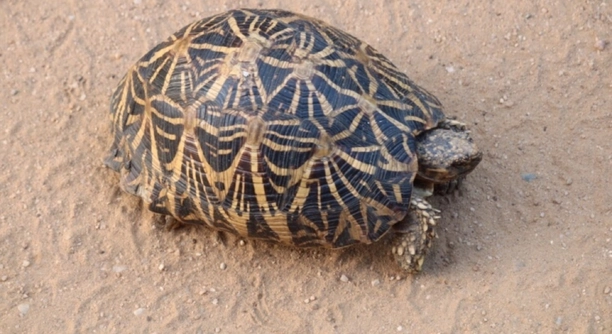
Are you noticing that your turtle isn’t as active or healthy as it used to be? A lack of diet variety might be the reason behind these changes.
A turtle’s diet needs a balanced mix of different foods to ensure optimal health. If your turtle’s meals are too repetitive or lacking in nutrients, it can lead to health problems like poor shell growth, lethargy, or digestive issues.
Understanding how to provide your turtle with a diverse diet can help you prevent these issues. By offering a variety of fresh vegetables, proteins, and supplements, you’ll be supporting their overall well-being.
Signs Your Turtle Is Eating the Same Things Every Day
If your turtle is eating the same food every day, it might not be getting the variety it needs. While some turtles are not picky eaters, others require a mixture of plants and proteins to stay healthy. Feeding them only one type of food can lead to a deficiency in important nutrients, causing long-term health issues. Many owners rely on commercial turtle food, but it’s essential to mix in fresh fruits, vegetables, and protein sources like insects or fish. A lack of variety can result in a turtle that seems disinterested in food, which is a sign of a diet imbalance.
A limited diet can affect your turtle’s growth, energy levels, and immune system. For example, an absence of vitamin A from vegetables like carrots or dark leafy greens can lead to poor vision and weakened immunity. Turtles need more than just one or two food types to thrive.
If your turtle consistently refuses to eat certain foods or seems disinterested, it could be a sign of food boredom. This is an easy issue to fix by changing up its diet with different fresh food options regularly. Offering a variety of food types will keep your turtle interested and provide the nutrition it needs for proper growth and development. Make sure to introduce different items gradually so your turtle gets used to the changes.
The Importance of Nutrients in Turtle Diets
To make sure your turtle stays healthy, offering a range of nutrients is key. A balanced diet helps prevent common health issues like metabolic bone disease and shell deformities.
A healthy turtle diet should include calcium, protein, fiber, and vitamins. A well-rounded diet will give your turtle the nutrients it needs to stay active and thrive. Be sure to offer appropriate food types for your turtle’s species.
Lack of Variety Can Lead to Health Problems
When your turtle’s diet lacks variety, it can cause serious health issues. Without a mix of food types, your turtle may not be getting the vitamins and minerals it needs for healthy shell growth, strong bones, and proper digestion. Over time, these deficiencies can show up as physical problems.
For example, not providing enough leafy greens or fruits can cause vitamin deficiencies. Vitamin A is crucial for your turtle’s immune system and vision, and without it, your turtle may experience weakened immunity or eye problems. Similarly, an imbalance of calcium and phosphorus can result in soft or deformed shells.
To prevent this, aim for a wide variety of fresh foods like leafy greens, aquatic plants, and protein sources. Offering more choices will ensure your turtle’s health stays on track. Don’t forget to keep an eye on your turtle’s behavior—if it’s refusing food or showing signs of illness, it could be linked to an unbalanced diet.
Rotating Foods for a Healthy Turtle
Rotating foods helps to keep your turtle’s diet interesting and balanced. By offering different food options on different days, you can ensure your turtle gets a full range of nutrients over time.
Regular rotation will also help prevent your turtle from getting bored with the same meals. Introducing fresh items like kale, dandelion greens, or occasional insects helps keep things fresh. This also encourages your turtle to be more active during feeding times, which can help with digestion and overall health. Variety truly supports their natural behaviors and keeps their diet exciting.
Make sure to rotate between plant-based foods like greens and fruits and protein sources. By mixing it up, you’ll be offering your turtle a better chance at a healthier life, free from the risks that come with a monotonous diet. This strategy is an easy and effective way to boost your turtle’s overall well-being.
Understanding Your Turtle’s Nutritional Needs
Turtles need a variety of foods to stay healthy. Different species have different nutritional needs, so it’s important to know what works for your turtle. Over time, you’ll learn the right balance of plant and protein to feed them.
A well-rounded diet should include calcium-rich foods for shell health, protein sources for growth, and fiber to aid digestion. Without this balance, your turtle may not grow properly or could develop health problems. Try feeding them a combination of leafy greens, fruits, and aquatic plants to maintain that balance.
The Role of Protein in a Turtle’s Diet
Protein is an essential part of a turtle’s diet, helping with muscle growth and overall health. Offering protein options like fish, insects, or shrimp can support these needs. Protein should be provided alongside other nutrients for balanced development.
However, it’s important to avoid overfeeding protein, as excess can lead to health issues like kidney problems. Feed your turtle protein sources in moderation, and pair them with the right mix of vegetables and fruits for a complete meal. Too much of one thing can harm your turtle’s health in the long run.
Supplements Can Improve Your Turtle’s Health
Adding supplements like calcium and multivitamins can be useful to enhance your turtle’s diet. These help to fill any gaps in nutrition, especially if you’re unable to provide certain fresh foods regularly.
Supplementing calcium is particularly important for turtles, as it helps to maintain a healthy shell and strong bones. You can find calcium powders or cuttlebone in pet stores, which can easily be added to their food. Make sure not to overdo it with supplements, as the right balance is crucial.
FAQ
How often should I feed my turtle?
The frequency of feeding your turtle depends on its age and size. Baby turtles generally need to be fed every day, while adult turtles may be fed every other day. You should also consider the type of turtle, as some species have different feeding habits. Overfeeding can lead to obesity and other health problems, so it’s important to feed them the right amount based on their needs.
Can turtles eat the same food every day?
No, turtles should not eat the same food every day. A varied diet helps provide the necessary nutrients and prevents dietary deficiencies. Offer different types of food, such as leafy greens, fruits, and protein sources like insects or fish. A lack of food variety can lead to health issues like weak shells or poor digestion.
What types of food can I feed my turtle?
You can feed your turtle a mix of leafy greens, aquatic plants, vegetables, fruits, and protein-rich foods like fish, insects, and worms. Greens like kale, dandelion greens, and collard greens are great staples. Vegetables such as carrots, zucchini, and squash can be added for variety. Some fruit options include strawberries, apples, and blueberries. Make sure to adjust food offerings depending on your turtle’s species and age.
How do I know if my turtle is not eating enough?
Signs that your turtle may not be eating enough include lethargy, a lack of interest in food, or slow growth. If your turtle seems to be losing weight or is not as active, it could be a sign of an unbalanced diet or health issues. If these signs persist, it’s best to consult a veterinarian.
Can I feed my turtle pellets only?
Pellets can be convenient, but they shouldn’t be the only food you feed your turtle. While some commercial pellets are designed to be nutritionally complete, it’s still essential to include fresh foods in their diet. A mix of vegetables, fruits, and protein will offer better variety and more natural nutrients for your turtle.
How do I introduce new foods to my turtle?
Introducing new foods can be done gradually. Start by offering small pieces of the new food alongside their usual meal. Observe if your turtle accepts the new food or shows interest. If they don’t seem to like it initially, try mixing it with something they enjoy. Be patient and give them time to adjust to the new items.
What happens if my turtle doesn’t get enough calcium?
Calcium is vital for your turtle’s shell and bone health. Without enough calcium, your turtle may develop soft or deformed shells, and it may also experience bone fractures. If you suspect a calcium deficiency, consider adding a calcium supplement or providing calcium-rich foods like cuttlebone, leafy greens, or fish. It’s crucial to maintain the right calcium-to-phosphorus ratio in their diet to ensure healthy shell growth.
Can turtles eat fruit every day?
Fruit should be fed in moderation, not every day. While fruits provide vitamins and water, they also contain sugars that can be harmful in large amounts. Feeding fruit once or twice a week as a treat is sufficient. Make sure to remove any seeds from fruits like apples, as they may pose a choking hazard.
Should I feed my turtle live food?
Live food, such as insects or small fish, can be a great source of protein for your turtle. However, not all turtles need live food. If you do feed live prey, make sure it’s from a safe source to avoid any diseases or parasites. Live food can also be more expensive and harder to obtain compared to commercial food, so balance it with other food options like vegetables and pellets.
How do I know if my turtle is overweight?
An overweight turtle may show signs such as lethargy, a rounder or wider shell, and difficulty moving. You should be able to feel their bones and ribs gently through their shell. If your turtle is carrying excess weight, adjust the amount of food you’re giving them and make sure they’re getting enough exercise. Offering a more balanced diet with fewer high-calorie foods can help reduce their weight.
Can I feed my turtle meat or fish?
Yes, turtles can eat meat or fish, but it should be offered in moderation. They are omnivores, so they need a mix of plant and animal-based foods. Fish like minnows or small shrimp can be good protein sources. Avoid feeding your turtle processed or fatty meats like beef, as these may cause health issues. Also, make sure any fish offered is safe and free from contaminants.
What should I do if my turtle refuses to eat?
If your turtle refuses food, first check if the food is fresh and suitable for their species. If they are consistently avoiding food, it could be a sign of stress, illness, or an unbalanced diet. Try offering a different food variety, and observe their behavior closely. If the issue persists for several days, it’s best to consult with a veterinarian to rule out any medical problems.
How do I store turtle food?
Store fresh food in the refrigerator to keep it from spoiling. If you’re using commercial pellets, keep them in a cool, dry place, and make sure the container is tightly sealed to prevent moisture from getting in. For live food, store it according to the type, making sure to provide proper care for insects or fish, if necessary.
Can I feed my turtle human food?
Turtles should not be fed most human food, as it often contains additives, preservatives, or unhealthy fats. Stick to natural, turtle-friendly foods like fresh greens, vegetables, and protein. Some human foods like cooked chicken, scrambled eggs, or sweet potatoes may be safe in small amounts, but they should not make up the bulk of their diet. Always research if a food is safe before offering it.
Final Thoughts
Taking care of your turtle’s diet is one of the most important aspects of ensuring its long-term health and happiness. Turtles require a variety of foods to meet their nutritional needs, so it’s essential to offer a balanced diet. If you’ve noticed signs that your turtle isn’t thriving or seems uninterested in food, it could be a sign that its diet lacks variety. A diet consisting only of one or two types of food may not provide all the necessary vitamins and minerals for your turtle’s health. Introducing a variety of fresh greens, vegetables, fruits, and protein sources is an easy way to improve your turtle’s nutrition. It may take time for your turtle to adjust, but with patience and consistency, you’ll notice improvements in its energy and overall health.
It’s also important to remember that different species of turtles may have slightly different dietary requirements. Some may need more protein, while others may rely more heavily on plant-based foods. For example, aquatic turtles typically need more animal protein compared to land turtles. Understanding the specific needs of your turtle species will help you make informed decisions about what to feed them. Offering a mix of foods like leafy greens, fruit, and protein sources such as fish or insects will give your turtle a well-rounded diet. Keep in mind that supplements like calcium are crucial for healthy shell growth, especially in turtles that may not get enough calcium from their regular meals.
Lastly, while providing a balanced diet is key, it’s equally important to avoid overfeeding your turtle. Too much food can lead to obesity, which can cause a range of health issues, including poor mobility and organ problems. Feeding your turtle the right amount, based on its size, age, and activity level, will ensure that it remains healthy and active. Keep an eye on your turtle’s behavior, weight, and activity levels, and adjust its diet as needed. By taking these simple steps and offering a variety of healthy foods, your turtle will be more likely to thrive and live a long, healthy life.

Hello,
If you enjoy the content that we create, please consider saying a "Thank You!" by leaving a tip.
Every little bit helps us continue crafting quality advice that supports the health, happiness, and well-being of pets around the world, for pets of all shapes, sizes, and species.
We really appreciate the kindness and support that you show us!