
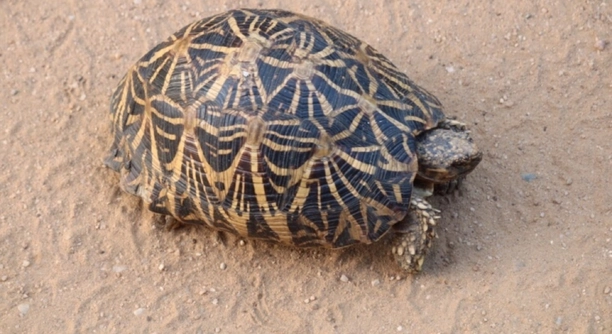
Turtles are fascinating creatures, and if you’ve noticed your turtle’s beak becoming overgrown, you might be wondering why. Understanding the causes of this condition is essential to keeping your turtle healthy and happy.
An overgrown beak in turtles typically occurs when they don’t wear down their beaks naturally. This can be due to diet, improper habitat, or lack of opportunities to use their beaks. It’s important to address the issue promptly to prevent further complications.
By understanding the factors that contribute to an overgrown beak, you can take action to improve your turtle’s diet and living conditions. Proper care ensures they can continue to thrive.
Why Do Turtles Need Their Beaks Trimmed?
Turtles use their beaks for a variety of tasks like eating, self-defense, and even climbing. Normally, their beaks wear down naturally from biting and scraping on hard surfaces. In the wild, they encounter rocks, shells, and other materials that help file down their beaks. However, in captivity, turtles might not have these same opportunities. Without natural wear, their beaks can grow excessively long, which can lead to problems with eating and even health complications.
Beaks that become too long can cause your turtle difficulty in picking up food, making it harder for them to eat properly. Overgrown beaks may also become painful, leading to stress. In some cases, an overgrown beak can lead to infections or deformities.
This issue can be avoided or fixed by providing your turtle with the right environment. For example, having rough surfaces in their habitat can help wear down the beak. You can also give them harder foods, such as leafy greens or shelled foods, which encourage natural beak trimming. Regular check-ups with a vet ensure that your turtle’s beak stays healthy and functional.
How Can You Prevent Overgrowth?
A balanced diet and the right environment are key factors in preventing overgrown beaks.
Offering your turtle the right variety of foods is essential for maintaining beak health. Fresh, fibrous greens like dandelion leaves or kale are ideal. These tough textures naturally wear down a turtle’s beak when they eat them. Another method to help prevent overgrowth is to provide your turtle with suitable items in their enclosure, such as rocks or logs, which they can use to scrape and trim their beaks. Having the right setup in their habitat is a simple yet effective way to avoid this issue.
By ensuring your turtle’s environment supports its natural behaviors, you can prevent many common health problems, including overgrown beaks. Regularly cleaning their living space and making adjustments when needed will go a long way in keeping your turtle in good shape.
What Happens if the Beak Grows Too Long?
An overgrown beak can cause significant issues for your turtle, making it difficult to eat and causing potential pain. If left unaddressed, it may interfere with their ability to properly consume food, leading to malnutrition or even starvation.
When the beak becomes too long, it can also distort the turtle’s bite, leading to difficulty chewing and properly processing food. This results in weight loss, poor health, and stress. The longer the beak is left unchecked, the higher the risk of infections, as the overgrowth can crack or cause wounds. In extreme cases, the overgrowth might even prevent the turtle from closing its mouth completely. This not only affects feeding but can also lead to respiratory or other health complications.
If you notice that your turtle is having trouble eating or seems to be losing weight, the overgrowth of its beak could be the problem. Early intervention is crucial to prevent long-term damage and ensure your turtle’s well-being.
When Should You Consult a Vet?
If your turtle’s beak shows signs of excessive growth, it’s important to seek professional help as soon as possible.
A veterinarian will be able to examine your turtle’s beak and determine if it requires trimming or if there are any underlying health issues contributing to the overgrowth. They may use special tools to carefully trim the beak to a proper length, ensuring it’s both functional and healthy. If the overgrowth is due to a nutritional deficiency or environmental factors, the vet can guide you in making necessary adjustments to your turtle’s care routine. Proper vet visits help avoid complications and keep your turtle comfortable.
Not only does a vet visit address the overgrowth, but it also offers an opportunity to monitor your turtle’s overall health, ensuring no other issues are overlooked. Early intervention is always the best way to support your turtle’s long-term health.
Common Causes of Overgrown Beaks
A lack of proper diet and insufficient environmental stimulation are the main causes of overgrown beaks. Without access to hard surfaces or tough foods, turtles cannot naturally wear down their beaks, leading to overgrowth.
Poor diet is often the root cause, especially if the turtle is not consuming foods that help naturally trim the beak. Turtles that are fed soft or processed foods may not get the necessary roughage needed for beak health. Additionally, some turtles might not have enough opportunities to use their beaks in the wild, like scraping or biting objects.
How to Correct the Overgrowth
If your turtle’s beak has grown too long, it can often be corrected by a professional.
A vet can carefully trim the beak using specialized tools. In some cases, trimming might need to be done repeatedly, depending on the severity of the overgrowth. Afterward, adjusting the diet and environment will help prevent the issue from returning. Maintaining a balance between food, habitat, and veterinary care is key to long-term health.
Diet to Prevent Overgrowth
Feeding your turtle the right foods is essential for beak health.
Incorporating fibrous vegetables, like kale or dandelion greens, can help wear down the beak naturally. These tough greens require more effort to chew, which encourages the beak to stay trimmed. A varied diet with enough calcium, vitamins, and minerals also promotes healthy growth.
FAQ
What should I do if my turtle’s beak is overgrown?
If your turtle’s beak is overgrown, it’s essential to act quickly. The first step is to schedule an appointment with a veterinarian. They will assess the beak and may trim it back to a proper length using specialized tools. After the trimming, focus on adjusting the turtle’s diet and habitat to prevent the issue from recurring. This may involve offering fibrous vegetables, like dandelion greens, and providing rough surfaces for the turtle to use its beak on.
Can I trim my turtle’s beak myself?
It’s not recommended to trim your turtle’s beak yourself. Beak trimming requires careful handling and specialized tools to avoid causing harm. Attempting to trim it without proper knowledge can lead to injury or stress. A vet has the right equipment and experience to perform the trimming safely.
How often should I check my turtle’s beak?
It’s a good idea to check your turtle’s beak regularly, especially if you notice changes in its eating habits. Ideally, you should inspect your turtle’s beak every few weeks to make sure it’s not growing too long. This will help catch any potential issues before they become severe.
What causes a turtle’s beak to grow too long?
The main causes of an overgrown beak are diet and environment. Turtles that don’t get enough roughage or hard surfaces to scrape on might not wear down their beaks naturally. Soft or processed foods, which lack fiber, don’t encourage the necessary chewing needed to trim the beak. Additionally, if your turtle’s environment lacks rough surfaces like rocks or logs, the beak may not get the proper stimulation.
Can I prevent overgrown beaks in turtles?
Yes, overgrown beaks can be prevented by offering a balanced diet that includes fibrous vegetables and by providing a proper habitat with surfaces like rocks or logs that encourage natural beak wear. A diet rich in calcium and vitamins is essential for maintaining overall health. Regular veterinary check-ups also help ensure your turtle’s beak remains in good condition.
How can I help my turtle wear down its beak naturally?
You can help your turtle wear down its beak by offering it fibrous foods like kale, dandelion leaves, or clover. These foods require more chewing and naturally help trim the beak. Additionally, provide rough surfaces like rocks or branches in the enclosure that the turtle can use to scrape its beak. If possible, allow your turtle access to outdoor areas where it can interact with natural elements that promote beak wear.
Can a long beak hurt my turtle?
Yes, a long beak can cause pain and discomfort for your turtle. If the beak grows excessively long, it can become difficult for your turtle to eat properly. The beak might also start to crack, leading to infections or other complications. An overgrown beak can distort the turtle’s bite, making it harder to close its mouth completely, which can lead to more health problems, such as difficulty breathing or feeding.
What foods should I feed my turtle to prevent beak overgrowth?
To prevent beak overgrowth, you should feed your turtle fibrous vegetables like kale, collard greens, dandelion leaves, and clover. These vegetables provide the necessary texture to naturally wear down the beak. You can also offer harder foods, like shelled foods or insects, that encourage chewing. Avoid feeding your turtle soft, processed foods that don’t offer enough chewing resistance.
Is beak overgrowth a sign of poor health?
Beak overgrowth can be a sign of poor health, particularly if it is caused by an improper diet or lack of environmental stimulation. Turtles need a well-rounded diet, access to rough surfaces, and regular check-ups to stay healthy. If the beak grows excessively long, it could indicate an underlying issue, like nutritional deficiency or improper habitat conditions. Regular care and attention to diet and environment can help prevent these problems.
How can I help my turtle if it refuses to eat because of an overgrown beak?
If your turtle refuses to eat due to an overgrown beak, you should consult a vet as soon as possible. The vet may trim the beak and also check for any underlying issues, such as infections or injuries, that could be affecting the turtle’s appetite. In the meantime, you can try offering softer foods or cutting food into smaller pieces to make eating easier until the beak is corrected.
How does an overgrown beak affect a turtle’s ability to hunt or forage?
An overgrown beak can make it difficult for a turtle to catch or eat food properly. If the beak is too long, the turtle may not be able to pick up or chew its food effectively. This can cause the turtle to lose weight or become malnourished. In the wild, this would significantly hinder a turtle’s ability to survive, and in captivity, it can lead to health problems.
Final Thoughts
Taking care of a turtle involves more than just providing food and water. One key aspect of turtle care that often goes overlooked is the health of their beak. If a turtle’s beak grows too long, it can create serious issues, affecting its ability to eat and causing discomfort. A beak that isn’t properly maintained can lead to stress, malnutrition, and even infections. By understanding the causes and taking preventive measures, such as offering a balanced diet and providing rough surfaces for beak wear, you can keep your turtle healthy and happy.
If you notice that your turtle’s beak is overgrown, it’s important to seek veterinary care as soon as possible. Trimming an overgrown beak should be done by a professional, as improper trimming can cause injury. The vet can also help identify any underlying health issues that might be contributing to the problem. After the beak is properly trimmed, making adjustments to your turtle’s diet and environment is crucial to ensure the issue doesn’t return. Offering fibrous vegetables, harder foods, and providing rough surfaces to chew on will help maintain a healthy beak moving forward.
Remember, prevention is always better than treatment. Regular check-ups, a proper diet, and maintaining a suitable environment for your turtle will go a long way in preventing beak overgrowth. By taking these steps, you are not only helping to keep your turtle’s beak in check, but you are also ensuring its overall health and well-being. It may take some time and effort, but it’s well worth it to see your turtle thrive in a healthy, happy environment.

Hello,
If you enjoy the content that we create, please consider saying a "Thank You!" by leaving a tip.
Every little bit helps us continue crafting quality advice that supports the health, happiness, and well-being of pets around the world, for pets of all shapes, sizes, and species.
We really appreciate the kindness and support that you show us!