
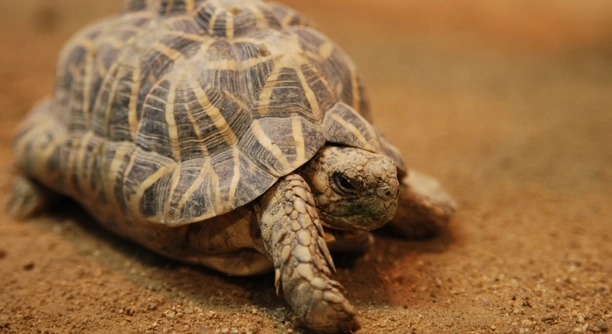
Turtles are wonderful pets, but like all creatures, they require proper care to stay healthy. One common issue they face is shell rot, a condition that can cause significant harm if left untreated. Knowing how to prevent this is crucial for any turtle owner.
Shell rot in turtles is primarily caused by bacterial or fungal infections that result from poor habitat conditions or injury. To prevent shell rot, it is essential to maintain a clean, dry, and properly regulated environment for your turtle.
Proper care and attention to your turtle’s habitat can help prevent shell rot. Understanding the importance of cleanliness, temperature, and proper diet is key to ensuring your turtle stays healthy and happy.
Keep the Habitat Clean and Dry
Keeping your turtle’s habitat clean is one of the most important steps in preventing shell rot. Regularly clean the tank, removing any leftover food, waste, and debris that can harbor harmful bacteria. If you notice mold or algae buildup, scrub it off immediately with a non-toxic cleaner. Keeping the water fresh and filtered also reduces the risk of bacterial growth. A dry basking area is just as essential. Turtles need to have a space to completely dry off after swimming, as moist conditions encourage fungal infections that can lead to shell rot.
A clean and dry habitat helps prevent bacteria and fungi from thriving in the tank. Without these unwanted conditions, your turtle will be much less likely to suffer from shell rot.
Maintaining a clean environment can also prevent other health problems, such as respiratory infections. Regular cleaning is simple and only takes a few minutes each week. By staying on top of it, you will create a healthy living space for your turtle to thrive in.
Provide Proper Lighting and Temperature
Turtles require proper lighting and temperature control to stay healthy. UVB light is essential for shell health, as it helps them absorb calcium. Without UVB, turtles can develop soft shells, which are more susceptible to infections. Additionally, ensure the basking area is kept between 85-90°F (29-32°C), while the water temperature should range from 75-80°F (24-27°C). Maintaining the right temperature allows your turtle to properly digest food and absorb essential nutrients.
When a turtle is exposed to correct lighting and warmth, it strengthens their immune system and shell integrity. A balanced environment prevents stress, which is another contributing factor to weakened shells. Investing in a reliable UVB light source is essential for long-term health.
Providing the right lighting and temperature isn’t difficult. It can be achieved with the right setup and a consistent routine. Not only will your turtle be more active, but its shell will be less prone to infections and diseases. Proper temperature and UVB light are necessary for a happy, healthy turtle.
Feed a Balanced Diet
A balanced diet is essential to prevent shell rot. Turtles need a mix of proteins, vegetables, and calcium to support their shell health. Offering a variety of fresh food, like leafy greens, small fish, and pellets, helps provide necessary nutrients. A proper diet strengthens their immune system, which can prevent infections.
Including calcium-rich foods is crucial for keeping your turtle’s shell strong. Lack of calcium can make their shell softer and more vulnerable to damage. Foods like cuttlefish bone or calcium supplements can be added to their meals. Regularly offering a varied diet ensures they receive the nutrients required for healthy shell growth.
Overfeeding can also lead to obesity and poor shell condition. It’s important to feed your turtle in moderation, following a feeding schedule. By sticking to a healthy diet and proper portioning, you’ll help your turtle stay strong and less susceptible to diseases. A well-balanced diet contributes to the long-term health and happiness of your pet.
Monitor for Injuries
Injuries, even minor ones, can lead to shell rot if not addressed. Turtles can easily scrape or injure their shells during interactions with their environment or even other turtles. Keeping an eye on their shell for cracks, scratches, or areas of weakness is important to prevent infection.
When an injury occurs, it’s crucial to clean the area and ensure that no bacteria enter the wound. Disinfect the affected area gently and, if necessary, apply an antibiotic ointment to prevent infection. A clean, dry environment can promote faster healing. If the injury looks severe or shows signs of infection, take your turtle to the vet promptly.
Shell injuries should never be ignored, as they can lead to serious health issues if untreated. Regular checks will help catch any problems early and prevent complications. It’s essential to create an environment where your turtle can safely move around to minimize the risk of injury.
Avoid Overcrowding
Overcrowding in a turtle’s habitat can lead to stress and health problems, including shell rot. Turtles need space to move around, bask, and swim freely. If there are too many turtles in one tank, the water can become polluted quickly, leading to an increase in harmful bacteria.
Proper tank size and fewer turtles allow for cleaner water and reduce the risk of infections. A spacious habitat helps maintain water quality and gives turtles the opportunity to bask and dry off properly. This will also help minimize territorial stress and injury among turtles, which can contribute to shell rot.
Provide a Safe, Dry Basking Spot
A dry basking spot is vital for preventing shell rot. Turtles need to climb out of the water to dry off and bask under the UVB light. Without this, the damp environment encourages fungal growth, weakening the shell. Make sure the basking area is dry and accessible.
A well-designed basking area provides both warmth and dryness. It should be easy for your turtle to reach and positioned near the UVB light for maximum exposure. A proper basking spot not only supports their health but also helps with digestion and overall well-being.
FAQ
What is shell rot in turtles?
Shell rot is a condition where a turtle’s shell becomes infected by bacteria or fungi. This can happen due to poor habitat conditions, such as dirty water, lack of proper drying areas, or injuries. If untreated, shell rot can cause severe damage and even death.
What are the signs of shell rot?
Signs of shell rot include discoloration, soft spots, or visible wounds on the shell. Affected areas may look brown, black, or mushy. You might also notice a foul smell coming from the shell, which indicates an infection. In severe cases, the shell can develop holes or cracks.
How can I prevent shell rot?
To prevent shell rot, maintain a clean and dry habitat for your turtle. Ensure the water is filtered and changed regularly, and that the basking area allows the turtle to dry off completely. Provide proper lighting, temperature, and a balanced diet. Regularly check for injuries and treat them immediately.
Can shell rot heal on its own?
Shell rot does not heal on its own. It requires prompt treatment, such as cleaning the infected area, applying an antibiotic ointment, and adjusting the turtle’s environment. If the infection is severe, a veterinarian may need to intervene to prevent long-term damage.
How do I treat shell rot in my turtle?
To treat shell rot, first clean the affected area with a mild antiseptic. Gently dry the shell and apply an appropriate antibiotic ointment. Keep the turtle in a dry, clean environment to aid recovery. In severe cases, take your turtle to the vet for professional care.
Is shell rot contagious?
Shell rot is not contagious between turtles. However, poor water quality and unsanitary living conditions can spread bacteria that cause shell rot. It’s crucial to maintain proper hygiene and space for each turtle in a shared habitat to prevent the spread of infections.
Can shell rot affect all types of turtles?
Yes, shell rot can affect any type of turtle, whether aquatic or terrestrial. The risk is higher if the turtle’s environment is unsanitary, too wet, or lacks proper UVB lighting. Even healthy turtles can develop shell rot if they’re exposed to the wrong conditions for too long.
How often should I clean my turtle’s tank?
You should clean your turtle’s tank at least once a week, but this may vary depending on the number of turtles and tank size. Change the water frequently and remove any leftover food or waste to keep bacteria from building up. Regular cleaning prevents the growth of harmful organisms that can cause shell rot.
What should I do if my turtle has an open wound on its shell?
If your turtle has an open wound, clean it with an antiseptic solution immediately. Avoid using harsh chemicals. After cleaning, you can apply a mild antibiotic ointment to the wound. Keep the turtle in a dry, clean area until the wound heals. If there are signs of infection, visit a vet.
Can the temperature of the water affect my turtle’s shell?
Yes, the water temperature plays a significant role in the health of your turtle’s shell. If the water is too cold, your turtle’s immune system can weaken, making them more susceptible to infections like shell rot. On the other hand, excessively warm water can cause stress. Maintain water temperature within the ideal range of 75-80°F (24-27°C).
How can I help my turtle recover faster from shell rot?
The best way to help your turtle recover from shell rot is by providing a clean and dry environment, offering a nutritious diet, and maintaining proper lighting and temperature. Be sure to clean any wounds properly and apply antibiotic treatments if necessary. If the condition worsens, seek veterinary care.
Are there any long-term effects of shell rot?
If shell rot is not treated promptly and effectively, it can cause permanent damage to the shell. The infection can spread deeper into the shell, affecting the bone structure. In severe cases, untreated shell rot can lead to deformities or even death. Early intervention is crucial for a full recovery.
Can I use home remedies to treat shell rot?
While some home remedies, like saltwater soaks or mild antiseptics, may help with early-stage shell rot, it’s always best to consult with a vet. They can provide a more effective treatment plan, especially if the infection is severe. Using unverified home remedies can make the condition worse if not used properly.
How do I prevent shell rot in a baby turtle?
Preventing shell rot in baby turtles is similar to adult turtles. Ensure their tank is clean, with fresh water and proper filtration. Baby turtles require proper UVB lighting to help with shell growth and prevent soft shells. Keep them in an appropriate environment with a dry basking area, and monitor them for injuries.
Can shell rot spread to other pets?
Shell rot itself doesn’t spread to other pets, but poor living conditions that cause shell rot can affect other animals. Maintaining a clean, well-maintained habitat for all pets is key to preventing the spread of bacteria and ensuring their health. Regularly clean your tank to keep the environment safe for all creatures.
What do I do if my turtle has a fungal infection?
Fungal infections on a turtle’s shell typically appear as white, fuzzy patches. If you notice this, gently clean the area and apply an antifungal ointment. Keep the turtle in a clean, dry environment, and make sure it has proper lighting and temperature. If the condition persists, visit a vet for further treatment.
Final Thoughts
Preventing shell rot in turtles is all about maintaining a clean and healthy environment. Regular tank cleaning, proper water filtration, and keeping the habitat dry are essential steps in ensuring your turtle stays healthy. If you have more than one turtle, make sure the tank isn’t overcrowded, as this can lead to stress and poor water quality. Proper lighting, especially UVB light, is also important for their overall health and shell strength. With a balanced diet and regular health checks, you can help protect your turtle from shell rot and other health issues.
Monitoring your turtle for any signs of shell rot is key to catching the condition early. Look for discoloration, soft spots, or any visible injuries that could lead to infection. If you notice anything concerning, take action quickly. Cleaning wounds, applying treatments, and adjusting the turtle’s environment can help prevent the infection from spreading. If you’re unsure, don’t hesitate to seek advice from a vet who specializes in reptiles. They can provide guidance on the best treatment for your turtle’s condition.
Taking care of a turtle requires attention to detail, but it doesn’t have to be difficult. By keeping their environment clean, providing a proper diet, and maintaining the right temperature and lighting, you’re setting them up for a healthy life. Being proactive and aware of the signs of shell rot can ensure that your turtle lives a long, happy life without the risk of infection. A little effort goes a long way in keeping your turtle safe and thriving.

Hello,
If you enjoy the content that we create, please consider saying a "Thank You!" by leaving a tip.
Every little bit helps us continue crafting quality advice that supports the health, happiness, and well-being of pets around the world, for pets of all shapes, sizes, and species.
We really appreciate the kindness and support that you show us!