
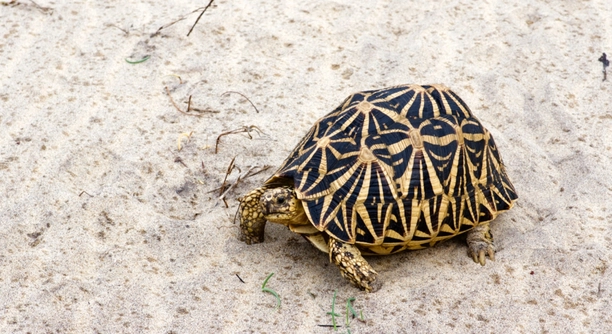
Shedding skin is a natural process for many reptiles, including turtles. As your turtle goes through this cycle, you may notice large pieces of skin coming off. Understanding why this happens can help ensure your turtle stays healthy.
Turtles shed their skin in large pieces as part of their normal growth process. This is usually a sign of healthy skin renewal, but it can sometimes indicate an underlying issue, like improper humidity or poor diet.
Keeping your turtle’s habitat properly maintained can help prevent excessive shedding. It’s important to monitor their diet, humidity, and overall care to ensure they’re thriving.
What Causes Turtles to Shed Their Skin?
Shedding skin is completely natural for turtles and is a regular part of their life cycle. As they grow, their outer skin becomes old and needs to be replaced. The process is called ecdysis, and it’s vital for the turtle’s health. In the wild, this shedding usually happens without any noticeable issues, but in captivity, it can sometimes cause concern. Several factors can influence how often and how much skin your turtle sheds, including diet, humidity, and temperature. If your turtle is shedding large pieces of skin, it could be a sign that something in their environment needs adjusting.
The frequency of shedding depends on the turtle’s species, age, and habitat conditions. Juvenile turtles shed more often as they grow, while adult turtles may shed in smaller pieces less frequently. Over time, this process can look alarming, especially when large pieces of skin appear. However, as long as your turtle is otherwise healthy, this is simply a sign of growth and renewal.
Is There a Problem with Excessive Shedding?
Excessive shedding could point to issues with your turtle’s living conditions. If you notice the shedding happening too frequently or if your turtle seems uncomfortable, something may need adjusting. Check the temperature and humidity of the tank to ensure that they are optimal for your turtle’s species.
Your turtle needs a proper balance of heat and humidity to shed correctly. If the habitat is too dry or too humid, your turtle may have trouble shedding, leading to either excessive shedding or skin problems like retained skin. A tank that’s too hot can cause dehydration, while low humidity can result in dry, flaky skin that doesn’t shed properly. On the other hand, improper water conditions and insufficient basking areas can lead to abnormal shedding, which might require intervention. Make sure to provide your turtle with a balanced environment and the correct diet to support healthy skin shedding.
How Humidity Affects Skin Shedding
Humidity plays a big role in how your turtle sheds its skin. If the tank is too dry, your turtle may struggle to shed properly, leading to incomplete or excessive shedding. It’s essential to keep humidity levels within the right range to avoid skin issues.
Turtles need a moist environment to keep their skin healthy and hydrated. If the humidity is too low, their skin can become dry and tough, making it harder for them to shed naturally. To fix this, you can increase the humidity by adding a water source, using a humidity gauge, or misting the tank regularly.
The right humidity level helps your turtle shed skin in large pieces, ensuring it doesn’t cause stress or discomfort. If you see your turtle shedding in small bits or struggling to remove its skin, check the humidity. Adding a humidifier or adjusting the tank’s water features might help solve the issue quickly.
The Importance of Proper Diet
A balanced diet helps your turtle grow properly and shed skin naturally. When they don’t get the right nutrients, it can affect their skin health, causing issues with shedding. Make sure your turtle gets a mix of protein, vegetables, and vitamins.
If your turtle’s diet lacks essential vitamins or minerals, they may experience irregular shedding. For example, a deficiency in vitamin A can lead to skin problems, making shedding uncomfortable or excessive. To maintain healthy skin, offer a variety of foods like leafy greens, insects, and calcium supplements.
Adding variety to their diet also helps prevent other health issues that could affect their shedding. Healthy, well-balanced meals provide your turtle with the nutrients needed for proper growth and skin renewal. If your turtle is shedding excessively or unevenly, a diet adjustment might be in order.
Stress and Overhandling
Stress can have a direct impact on your turtle’s ability to shed properly. If your turtle feels threatened or overstimulated, it can cause disruptions in their natural shedding cycle. This can lead to more frequent shedding or skin problems.
Overhandling is a common source of stress for turtles. Constantly taking them out of their tank or forcing them into situations where they feel unsafe can trigger stress. To avoid this, limit handling and provide a quiet, comfortable environment for your turtle. Make sure their space is calm and secure to reduce stress levels.
Poor Water Quality
Dirty water can lead to skin irritation, affecting the shedding process. If your turtle’s water isn’t cleaned regularly, it can cause infections or bacteria to build up, which may make shedding more difficult.
Ensure the water is filtered and changed often to keep it clean. A good filtration system can help maintain water quality and reduce the risk of skin issues. Poor water conditions often result in unhealthy shedding, and your turtle may struggle with skin problems. Regular maintenance of the tank will prevent this and keep your turtle comfortable.
FAQ
Why is my turtle shedding so much skin?
Excessive shedding can be caused by several factors. If your turtle is shedding large pieces frequently, it may be a sign of rapid growth, which is especially common in younger turtles. However, it could also indicate that something in their environment isn’t ideal. Low humidity, poor diet, and stress are all potential contributors. Ensure your turtle’s tank conditions are correct—adequate humidity, proper lighting, and temperature. Also, check their diet to make sure they’re getting the necessary vitamins and nutrients.
Is it normal for my turtle to shed in large pieces?
Yes, it’s normal for turtles to shed in large pieces as part of their natural skin renewal process. This usually happens when the turtle is growing or after they’ve spent time basking in the right conditions. As long as your turtle isn’t showing signs of illness or discomfort, large pieces of shed skin are generally not a concern.
How can I tell if my turtle is shedding too much skin?
If your turtle is shedding excessively, it could be a sign that something is off in its environment. Check the humidity and temperature levels in their tank to make sure they are within the recommended range. Other signs to watch for include red or irritated skin, lethargy, or a loss of appetite. If any of these symptoms appear alongside excessive shedding, it’s worth consulting with a vet.
Can I help my turtle shed its skin?
Turtles typically shed their skin naturally without much help, but you can support the process by maintaining the right environment. Ensure that the humidity in the tank is ideal, and provide a balanced diet to ensure healthy skin. If you notice that skin is getting stuck or your turtle is having difficulty shedding, you can gently mist the turtle or its habitat to help loosen the skin. Avoid pulling the skin off, as this can cause harm.
What can cause my turtle to stop shedding?
A turtle may stop shedding due to several reasons. Poor environmental conditions, like low humidity or inappropriate temperatures, can hinder the shedding process. Additionally, if your turtle isn’t getting a proper diet with the right nutrients, this can also affect skin health. In some cases, stress or illness can cause shedding to slow down or stop altogether. It’s important to observe your turtle’s behavior and make sure their habitat and diet are in line with their needs.
Does a turtle shed its skin regularly?
Yes, turtles shed their skin regularly, although the frequency varies depending on their age, species, and overall health. Young turtles tend to shed more frequently as they grow, while adults shed less often. It’s normal for them to shed skin in pieces or flakes, but if the shedding becomes excessive or irregular, it may indicate a problem with their environment or health.
What should I do if my turtle has dry skin?
Dry skin can be a sign of low humidity or poor water quality. If your turtle has dry, flaky skin, try increasing the humidity in their tank. You can also mist them with water to help hydrate their skin. Make sure their tank has a clean water source, and they are basking under appropriate lighting. A healthy diet rich in essential vitamins, particularly vitamin A, can also help keep their skin hydrated.
How often should I clean my turtle’s tank to prevent skin problems?
Cleaning your turtle’s tank regularly is important for both their skin and overall health. It’s best to change the water at least once a week, depending on the size of the tank and the number of turtles. A good filtration system can help keep the water clean in between changes. Regularly removing waste and uneaten food will prevent bacteria build-up that could cause skin irritation.
Can water temperature affect my turtle’s skin?
Yes, water temperature can have a direct impact on your turtle’s skin health. If the water is too cold, your turtle’s metabolism may slow down, which can lead to poor skin condition and difficulty shedding. On the other hand, water that is too hot can cause dehydration, which can lead to dry, flaky skin. The ideal water temperature for most turtles is between 75°F and 80°F (24°C to 27°C). Make sure to monitor and adjust the water temperature to maintain a healthy environment for your turtle.
Is it safe to use a heat lamp for my turtle’s shedding process?
Yes, using a heat lamp is essential for many species of turtles, as it helps them regulate their body temperature and supports proper shedding. However, the heat lamp should not be too hot, as this can lead to dehydration or burn the turtle’s skin. The basking area should be around 85°F to 90°F (29°C to 32°C), which encourages healthy skin shedding and overall well-being.
How can I make my turtle feel more comfortable while shedding?
Making your turtle feel comfortable while shedding is important for their health. Ensure that the tank is at the right temperature and humidity levels, as this will help them shed naturally. Provide a basking area where your turtle can rest and dry off. Avoid excessive handling during the shedding process to reduce stress. Also, consider adding natural hiding spots, such as rocks or aquatic plants, where your turtle can feel safe and secure while shedding.
Final Thoughts
Shedding skin is a natural process for turtles and is part of their growth cycle. It is essential to understand that shedding in large pieces is not unusual, especially for younger turtles or those in the midst of growth. However, it’s always important to keep an eye on your turtle’s overall health to ensure that they are shedding in a healthy manner. While it’s normal to see skin come off in larger pieces, excessive or irregular shedding can sometimes signal issues with their environment or diet. By paying attention to these factors, you can help support your turtle’s skin health and comfort.
Maintaining the right tank conditions is one of the best ways to ensure your turtle sheds naturally and comfortably. Humidity and water temperature play significant roles in how well your turtle sheds. Too much dryness can cause the skin to become tough and difficult to shed, while too much moisture can lead to skin infections. A consistent temperature range is also necessary to keep your turtle’s metabolism in check and encourage healthy growth. Additionally, a good diet, rich in essential vitamins like Vitamin A, supports healthy skin renewal, ensuring that shedding happens properly without any discomfort.
Lastly, while shedding is a normal part of a turtle’s life, stress and poor water quality can negatively impact their ability to shed properly. Make sure your turtle’s tank is clean and that they have a space where they feel secure. Overhandling and environmental disruptions can add stress, which could interfere with the shedding process. By offering your turtle a stress-free, clean, and well-maintained environment, you’ll be helping them shed their skin with ease. If problems persist, consulting a vet can help you figure out if there is an underlying health issue that needs addressing.

Hello,
If you enjoy the content that we create, please consider saying a "Thank You!" by leaving a tip.
Every little bit helps us continue crafting quality advice that supports the health, happiness, and well-being of pets around the world, for pets of all shapes, sizes, and species.
We really appreciate the kindness and support that you show us!