
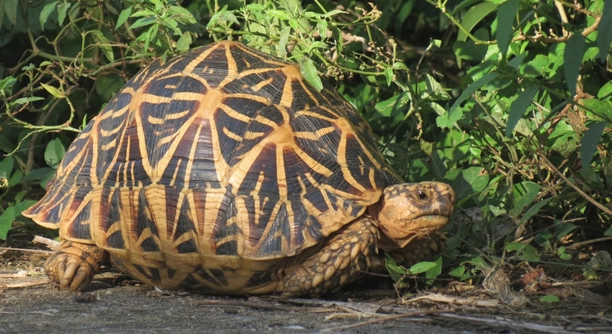
Setting up a turtle tank involves more than just filling it with water. Many common mistakes can lead to health issues for your turtle. Identifying these errors can ensure your turtle’s habitat is safe and comfortable.
The most frequent mistakes in turtle tank setups include inadequate filtration, improper lighting, and incorrect tank size. These factors directly impact the health and well-being of your turtle, making it crucial to address each aspect thoroughly.
Correcting these common setup issues will create a better living environment for your turtle and help avoid potential problems.
Incorrect Tank Size and Lack of Space
A common mistake when setting up a turtle tank is choosing the wrong size. Turtles need room to move, explore, and grow. A small tank can stress them out, limiting their ability to swim and leading to health issues.
Turtles also need a spacious habitat to thrive, with enough space for swimming and basking. Choosing a tank that is too small can create a cramped environment. Turtles require both an aquatic area and a dry space to bask under a heat lamp. Without proper space, they may become lethargic, and their immune systems may weaken.
In general, the larger the tank, the better. A good rule of thumb is to provide 10 gallons of water per inch of your turtle’s shell length. This will give them ample room to move around and stay active. Additionally, the tank should be tall enough to accommodate both the aquatic and basking areas. A larger tank will also help in maintaining water quality by allowing filtration systems to work more efficiently.
Inadequate Filtration and Water Quality
A poor filtration system can cause the water to become dirty and unhealthy for your turtle. Proper filtration is essential to maintain clean and clear water, which helps prevent diseases and infections.
Water quality is crucial for your turtle’s health. Filtration systems are designed to remove debris, uneaten food, and waste, all of which can compromise water quality. Regularly cleaning the tank is important, but investing in a high-quality filter will ensure that harmful bacteria and toxins are effectively removed from the water.
If your turtle’s tank has inadequate filtration, waste will build up quickly. This leads to cloudy water, which can harbor bacteria that may harm your turtle. Regular water changes are important, but a good filtration system minimizes the frequency of these changes and improves overall tank conditions. By investing in the right filter, you can avoid problems such as skin infections or shell rot.
Improper Lighting and Heating
Lighting is crucial for your turtle’s well-being. Without proper UVB lighting, turtles can suffer from vitamin D3 deficiency, which impacts their ability to absorb calcium.
Turtles need both UVA and UVB light to regulate their sleep-wake cycle and produce vitamin D3. UVB light is vital for calcium absorption, which strengthens their bones and shell. Without proper lighting, your turtle may develop shell deformities or other health problems.
A heat lamp is also essential to ensure that your turtle can bask in the warmth it needs. The basking area should be kept between 85°F and 90°F. If the temperature fluctuates too much, it can stress the turtle, weakening its immune system and making it more vulnerable to illness.
Incorrect Substrate and Decorations
Choosing the wrong substrate or decorations can create hidden dangers for your turtle. Small rocks, gravel, and sharp decorations can cause injury or intestinal blockages if swallowed.
Substrates should be safe and easy to clean. Avoid using gravel that is small enough for your turtle to swallow, as this can lead to digestive issues. Sand can be a better option, but it should be free of harmful chemicals or additives.
When decorating the tank, be mindful of sharp edges or small pieces that could cause injury. Ensure any items in the tank are securely placed to prevent them from toppling over. This simple precaution will avoid accidents, ensuring your turtle’s tank is both safe and comfortable.
Overcrowding the Tank
Overcrowding a tank is one of the biggest mistakes you can make. Too many turtles in a small space leads to stress, fighting, and health problems.
Turtles need their own space to move around freely. If the tank is overcrowded, they can become territorial, resulting in aggression. This behavior can cause injuries and stress, weakening their immune systems.
Adding too many turtles also leads to poor water quality. More turtles mean more waste, making it harder for the filtration system to keep the tank clean. Avoid overcrowding to maintain a healthy environment for each turtle.
Poor Diet Choices
A poor diet can have long-term effects on your turtle’s health. If you don’t offer a balanced variety of food, your turtle can become malnourished or develop health issues.
Turtles need both animal protein and plant matter for a well-rounded diet. Offer a mix of commercial turtle pellets, leafy greens, and occasional treats like insects or fish. Avoid feeding them only one type of food, as this can cause nutritional imbalances. A varied diet supports healthy growth and shell development.
Incorrect Water Temperature
Water temperature is essential for your turtle’s health. Too warm or too cold water can stress your turtle, affecting its metabolism and immune system.
A thermometer should be placed in the tank to monitor the temperature regularly. Ideal water temperature for most species is between 75°F and 80°F. Water that’s too cold can slow down digestion, while overly warm water can make your turtle lethargic. Keeping the water within the right range helps maintain a healthy environment.
FAQ
What is the best size tank for a turtle?
The tank size depends on the turtle’s size. A general rule is 10 gallons of water per inch of shell length. For example, a 4-inch turtle needs at least a 40-gallon tank. Larger species may require much bigger tanks. A spacious environment ensures they have room to swim and grow without feeling stressed.
How often should I change the water in my turtle tank?
Water should be changed at least once a week to maintain good water quality. The frequency may increase if the tank has more turtles or if the filtration system isn’t working efficiently. Regular water changes help prevent bacterial buildup and keep your turtle healthy.
Can I keep different species of turtles together?
It’s not recommended to house different species together. Different species have different needs, such as temperature and diet, which can lead to stress or even aggression. If you do decide to keep them together, ensure the tank is large enough and that each species’ needs are met.
What is the ideal temperature for a turtle tank?
The water temperature should be between 75°F and 80°F for most turtle species. Use a reliable thermometer to monitor the water temperature regularly. Additionally, provide a basking area with a heat lamp to maintain temperatures between 85°F and 90°F. This temperature range helps your turtle stay active and healthy.
How do I provide UVB lighting for my turtle?
UVB lighting is crucial for your turtle’s health. Use a UVB bulb that covers the entire basking area. Replace the bulb every six months, as UVB output decreases over time, even if the light is still working. Make sure the turtle can bask directly under the light for several hours each day.
What should I feed my turtle?
Turtles need a balanced diet of animal protein and plant material. Offer a mix of commercial turtle pellets, leafy greens (like collard greens or kale), and occasional treats such as insects, worms, or fish. Be sure to vary the diet to ensure your turtle receives the necessary nutrients for growth and shell health.
How can I tell if my turtle is healthy?
Healthy turtles are active, eat regularly, and have clear, bright eyes. Their shell should be hard and free from cracks, holes, or soft spots. If your turtle is lethargic, refuses to eat, or shows signs of swelling or unusual growth, it may be sick and should be seen by a vet.
Can I use tap water in my turtle tank?
Tap water is generally safe for turtles, but it should be treated to remove chlorine and chloramine. These chemicals can harm your turtle’s skin and overall health. Use a water conditioner designed for aquarium use to make tap water safe. Always test water quality before adding your turtle to the tank.
How can I prevent algae in my turtle tank?
To prevent algae, ensure your turtle’s tank is not exposed to too much sunlight. Excess light causes algae to grow. Regular water changes and cleaning the tank are also essential. Consider using a UV sterilizer or algae-eating animals like snails or certain fish to help manage algae growth.
Is it okay to use sand as substrate in a turtle tank?
Sand can be a good substrate, but it must be the right type. Avoid using fine sand that can be ingested, as it may cause digestive problems. Coarse, non-toxic sand is a safer option. Always ensure it’s easy to clean and doesn’t harbor harmful bacteria.
How do I clean my turtle’s shell?
Turtle shells should not be scrubbed too hard, as this can damage their protective layer. Gently clean the shell with a soft brush during water changes. If there is stubborn dirt or algae, use a non-toxic, mild soap solution and rinse thoroughly. Avoid using harsh chemicals or cleaners.
What is the best way to introduce a new turtle to the tank?
Introduce new turtles gradually. If you have other turtles in the tank, allow the new turtle to acclimate in a separate tank for a few days to observe its behavior and health. Once you’re sure the new turtle is healthy, you can place it in the tank, but monitor closely for signs of aggression.
How often should I check the filter in my turtle tank?
Check the filter at least once a month. Clean or replace the filter media as needed, and ensure that it’s working efficiently. A clogged or malfunctioning filter can lead to poor water quality, which can affect your turtle’s health. Regular maintenance is key to maintaining a healthy tank environment.
Final Thoughts
Setting up and maintaining a healthy turtle tank requires attention to detail and consistent care. While it may seem overwhelming at first, the key is creating an environment that mimics their natural habitat as closely as possible. Providing clean water, proper lighting, and a spacious tank will go a long way in ensuring your turtle’s health and happiness. It’s essential to understand your turtle’s specific needs, such as the right temperature range, diet, and tank mates. Each species of turtle has its own requirements, so it’s important to do thorough research before setting up a tank.
Mistakes are common, especially for new turtle owners. Many people unknowingly overcrowd their tanks or overlook the importance of UVB lighting and temperature control. These mistakes can affect your turtle’s health and lead to problems that may be difficult to fix. Regular tank maintenance, including cleaning, water changes, and checking the filter, can help prevent many issues. Remember, a little effort goes a long way when it comes to keeping your turtle’s habitat in top condition. By staying on top of tank care, you can avoid common mistakes and create an environment that supports your turtle’s well-being.
In the end, caring for a turtle is a long-term commitment. With patience and attention, you can provide a healthy, happy environment for your turtle. Whether it’s through proper tank setup or diet, understanding and meeting their needs is the foundation of responsible turtle ownership. With the right care, your turtle will thrive in its habitat and become a beloved companion.

Hello,
If you enjoy the content that we create, please consider saying a "Thank You!" by leaving a tip.
Every little bit helps us continue crafting quality advice that supports the health, happiness, and well-being of pets around the world, for pets of all shapes, sizes, and species.
We really appreciate the kindness and support that you show us!