
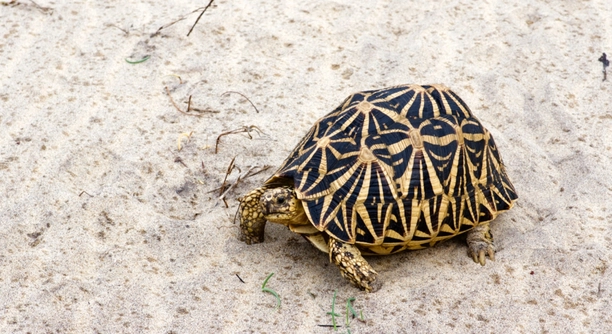
Turtles are fascinating creatures, but sometimes their behavior can be confusing. One common action many turtle owners notice is their pet constantly trying to bite the glass of their tank.
The main reason for this behavior is often related to the turtle’s natural instincts. Turtles may bite the glass due to curiosity, hunger, or frustration, trying to reach what they see outside their enclosure.
This behavior is not unusual, but understanding its causes can help you create a more comfortable environment for your turtle. Let’s look at the possible reasons behind this curious habit.
Hunger or Seeking Food
If your turtle is frequently biting the glass, it might simply be hungry. Turtles are opportunistic eaters, and they often associate the outside of their tank with food. If they see you nearby or notice movement, they may think it’s feeding time. This is especially true if your turtle has learned to recognize you as the one who provides meals.
Turtles can become accustomed to the timing of their feedings, so if they’re hungry or have developed a feeding routine, they may react by trying to bite or nudge the glass, hoping it leads to food.
To reduce this behavior, ensure that you feed your turtle regularly and give them enough variety in their diet. If they are still acting hungry after feeding, consider checking if the food is being absorbed correctly or if you’re offering the right type of food for their age and size. You can also try spacing out feeding times to avoid overfeeding.
Exploration and Curiosity
Turtles are naturally curious creatures, and glass tanks offer an interesting environment for them to explore. Their instinct to investigate what’s beyond their enclosure can lead to them biting or pushing against the glass.
They often try to get closer to whatever they can see outside, whether it’s light, movement, or another creature. This behavior is a way for them to understand their surroundings, but it can be a little annoying for their owners.
To satisfy this curiosity, consider adding objects, plants, or decorations inside their tank to stimulate their interest and keep them busy. The more engaging their environment is, the less likely they are to focus on the glass. You could also try moving the tank to a different location where there’s less distraction from the outside world. This can help reduce the constant glass biting behavior.
Frustration with Limited Space
When turtles feel confined, they might start biting at the glass. In smaller tanks, they may feel like they don’t have enough room to move around, leading to frustration. This can cause them to act out by trying to reach the glass as though they could escape or explore beyond it.
A lack of space can impact their behavior, especially for active turtles. If their tank feels cramped, they may start displaying signs of stress, including biting the glass. Providing a larger tank with enough room for swimming and basking is essential for their well-being.
Ensuring the right tank size for your turtle’s species and size is critical. A general rule is to give them at least 10 gallons of space per inch of shell length. Adding hiding spots and basking areas can also make them feel more secure, reducing their urge to bite the glass.
Reflection or Imagined Threat
Turtles are territorial animals, and they might perceive their reflection in the glass as a rival. If they see themselves, they could react by biting at the glass, thinking they’re facing another turtle. This behavior can occur even if there is no other animal in the tank.
When a turtle spots its reflection, it may get agitated, mistaking the image for another turtle that’s invading its territory. This can result in repeated glass biting as the turtle tries to chase away the “intruder.” You might notice your turtle acting aggressively toward its reflection in the tank.
To solve this issue, try to cover or reduce the visibility of the glass on the side facing your turtle. You can also place tank decorations or plants that obstruct the view, helping prevent your turtle from seeing its reflection. Over time, this should reduce any territorial behavior.
Tank Cleanliness
If your turtle’s tank isn’t clean, it may become stressed, which can lead to unwanted behaviors like biting the glass. Dirty water or leftover food can affect the water quality, and your turtle might react by trying to get out.
A clean tank is essential for your turtle’s health and happiness. Regularly remove uneaten food, change the water, and clean the tank to maintain a healthy environment. A dirty tank can cause your turtle to feel uncomfortable, which may contribute to their glass-biting behavior.
Water Temperature and Quality
Water temperature is another crucial factor that could contribute to glass biting. If the water is too cold or too warm, it may cause stress, and your turtle could try to escape the tank. Make sure the water temperature is within the ideal range for your turtle’s species.
Turtles are sensitive to water quality, so maintaining proper filtration and water changes is important. Stress from poor water conditions may make your turtle more restless, causing them to exhibit behaviors like glass biting. Proper water conditions, along with a reliable filter, can help reduce this issue.
Tank Lighting and UVB
The lighting in your turtle’s tank plays a significant role in their overall well-being. Lack of proper UVB light can make your turtle feel unhealthy and stressed, leading to glass-biting behavior. Ensure that your turtle has access to UVB light for at least 10-12 hours a day to help them thrive.
Without sufficient lighting, your turtle may feel lethargic or disoriented, which could lead to frustration. You can provide UVB light by using specialized bulbs that mimic natural sunlight. This encourages your turtle to bask and be more active, reducing glass-biting behavior linked to poor lighting.
FAQ
Why does my turtle bite the glass when I approach?
When you approach your turtle, it may think it’s time for food, especially if it associates your presence with feeding. Turtles are smart and can learn routines, so if you’ve fed them when you’re near the tank before, they might expect food every time you appear. This can cause them to repeatedly try to bite the glass as they anticipate food.
Can glass-biting be a sign of illness?
While glass-biting is usually due to hunger, curiosity, or frustration, it can also signal discomfort or stress. If your turtle has other signs of illness, like lethargy, lack of appetite, or abnormal behavior, it could be worth checking with a vet. However, if it’s just glass-biting, it’s more likely behavioral.
How can I reduce glass-biting in my turtle?
First, make sure your turtle’s tank is clean and the water quality is good. Offer a more stimulating environment with hiding spots and tank decorations. Ensure they are fed regularly and at consistent times to avoid hunger-driven biting. Also, try covering the sides of the tank to prevent your turtle from seeing reflections.
Is it normal for my turtle to bite the glass at night?
If your turtle bites the glass at night, it could be due to disorientation or the presence of light in the room. Turtles are more active during the day and may become confused at night, especially if there are artificial lights disturbing their natural sleep patterns. Consider reducing the light at night to see if that helps.
How much space does my turtle need in the tank to avoid frustration?
A common reason turtles bite the glass is because they feel confined. The size of the tank should be at least 10 gallons of water for every inch of your turtle’s shell length. For larger turtles, a bigger tank is necessary to provide enough space for them to swim and explore.
Can I add plants or objects to the tank to stop my turtle from biting the glass?
Yes, adding plants, rocks, and decorations can help by providing enrichment and helping to reduce the urge to bite the glass. Turtles are curious and enjoy exploring their environment, so adding more hiding spots and climbing surfaces will give them alternatives to biting the glass.
Does my turtle bite the glass because it’s stressed?
Yes, stress can cause your turtle to bite the glass. Factors like poor water quality, overcrowding, or lack of environmental enrichment can lead to stress. If your turtle is constantly biting the glass, try to address these factors by improving their tank environment, adding hiding spots, and ensuring the water temperature and filtration are optimal.
Could my turtle be trying to escape the tank?
Turtles might appear to be trying to escape, but they are usually just trying to reach something they see outside the tank. If they seem to be focused on a particular area of the glass, it may be because they see food, light, or even their own reflection. However, if the behavior persists, check the tank for any potential sources of discomfort that might make them feel trapped.
Should I cover the glass to stop my turtle from biting it?
Covering the sides of the tank can sometimes help, especially if your turtle is reacting to its own reflection. You can use tank background covers or decorative elements that block the turtle’s line of sight. This can prevent them from getting fixated on the glass and reduce biting behavior.
Does glass-biting indicate that my turtle is bored?
Yes, boredom can contribute to glass-biting behavior. Turtles need stimulation, and a plain tank without enough features or hiding places can lead to frustration. Try adding more items like plants, rocks, or swimming areas to keep your turtle entertained and mentally stimulated.
Is my turtle’s glass-biting behavior a sign of territorial aggression?
Turtles are territorial, so if your turtle sees another turtle or creature through the glass, it might try to bite or push against it to protect its space. This is common in tanks with multiple turtles or where other animals are nearby. Providing more space or placing tank dividers can help reduce this territorial aggression.
Can I train my turtle to stop biting the glass?
Training a turtle is challenging, but you can try to modify its behavior. Start by establishing a consistent feeding schedule so your turtle learns when to expect food. Make sure the tank environment is rich in stimulating elements like plants and decorations. Over time, your turtle may become less fixated on the glass.
How often should I clean the tank to avoid glass-biting?
Cleaning your turtle’s tank regularly is essential for their health and can help prevent glass-biting due to poor water quality. It’s recommended to do partial water changes every 1-2 weeks and clean the tank and filter thoroughly every month. Keeping the water clean reduces stress, which can prevent unwanted behaviors.
Do I need to give my turtle more light to prevent glass-biting?
Proper lighting can help reduce glass-biting behavior, as turtles need UVB light to thrive. If your turtle isn’t getting enough light, it might become stressed, leading to more aggressive behaviors like biting the glass. Ensure they have access to natural sunlight or use a UVB bulb for 10-12 hours each day.
Final Thoughts
If your turtle is constantly biting the glass, it’s important to understand the underlying reasons for this behavior. Most of the time, it’s not a sign of anything serious, but rather a natural response to their environment. Turtles may bite the glass due to hunger, curiosity, frustration, or even stress. Recognizing the cause will help you make the necessary adjustments to improve your turtle’s habitat and reduce unwanted behaviors.
Creating a more comfortable and stimulating environment for your turtle is key. Providing them with ample space, clean water, and proper lighting can make a significant difference in their behavior. A larger tank with plenty of hiding spots and decorations can keep them engaged and reduce the urge to focus on the glass. If you’re noticing that your turtle seems to be reacting to reflections or other outside distractions, adding a background or rearranging the tank can help block their view. Regular feeding schedules will also make your turtle feel more secure and less likely to bite at the glass due to hunger.
By addressing the factors that contribute to glass-biting behavior, you can ensure that your turtle stays healthy and happy. With a few simple changes, you’ll not only reduce the glass-biting but also create an environment where your turtle can thrive. Whether it’s providing more space, improving water quality, or adding enrichment to their tank, every small adjustment makes a positive impact. A well-cared-for turtle will feel less stressed and more content, leading to fewer signs of frustration or unwanted behaviors.

Hello,
If you enjoy the content that we create, please consider saying a "Thank You!" by leaving a tip.
Every little bit helps us continue crafting quality advice that supports the health, happiness, and well-being of pets around the world, for pets of all shapes, sizes, and species.
We really appreciate the kindness and support that you show us!