
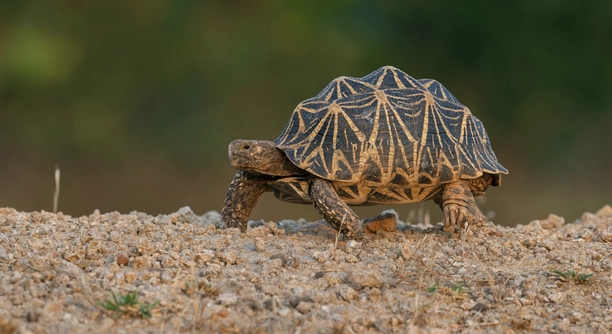
Turtles may scratch their shells for various reasons, which could be linked to both natural behavior and potential health issues. Understanding why your turtle engages in this action can help address the underlying cause.
Turtles often scratch their shells to shed old skin, groom themselves, or relieve irritation. However, excessive scratching can indicate issues like shell rot, parasites, or poor living conditions, all of which should be addressed promptly for their well-being.
Learning the causes of scratching and how to resolve them can prevent more serious issues. Keep reading to understand how to address this behavior effectively.
Common Reasons for Scratching
Turtles may scratch their shells for several natural reasons. One of the most common causes is the need to shed old skin. This is part of their natural growth process, and they will often scratch against rough surfaces to help remove the old layer. It can also be a form of grooming, similar to how animals clean their fur.
Another reason turtles scratch is due to irritation from their environment. If their tank is not properly maintained, debris, dirt, or even unclean water can cause discomfort. Scratching is an attempt to relieve that irritation. Furthermore, if their shell becomes too dry, they may scratch it to moisturize the skin underneath.
When scratching is excessive, it’s important to check for potential health issues like shell rot or the presence of parasites. These conditions can lead to increased discomfort, making it vital to address them right away to avoid further complications.
Shell Rot and Infections
Shell rot is a common issue that causes discomfort and excessive scratching. This condition occurs when the shell becomes damaged or exposed to harmful bacteria. As the infection spreads, the turtle may scratch its shell, trying to alleviate the discomfort caused by the rotting process. If left untreated, the infection can worsen and lead to severe damage to the shell.
In addition to shell rot, other infections or irritations could lead to scratching. Fungal infections can also make the shell feel itchy and uncomfortable. Keeping your turtle’s habitat clean and maintaining proper hygiene will help reduce the likelihood of these issues arising. If scratching persists, it’s crucial to consult with a veterinarian to rule out these conditions.
Proper treatment of shell rot and infections typically involves cleaning the affected area and using prescribed medications to heal the shell. Without intervention, the infection could spread, affecting the turtle’s health and causing further scratching.
Parasites and External Irritants
Parasites are another common reason for turtles to scratch their shells. External parasites like mites, ticks, or other small insects can irritate the turtle’s skin, leading to scratching behavior. These parasites can be introduced into the turtle’s environment from unclean water, other animals, or poor tank conditions. Identifying and treating parasites early on is essential for the turtle’s well-being.
Apart from parasites, external irritants such as rough tank surfaces, sharp objects, or even water that is too cold or too hot can cause discomfort. If the turtle’s shell comes into contact with any of these irritants, it may lead to scratching as the turtle attempts to relieve the discomfort. Maintaining a balanced and comfortable environment will reduce the likelihood of such irritants affecting your turtle.
To treat these issues, it’s important to examine the turtle’s habitat carefully and eliminate potential sources of irritation. Regularly cleaning the tank, monitoring water quality, and checking for parasites will help keep your turtle’s shell healthy and free from external stressors.
Dry Shells and Dehydration
A dry shell can lead to discomfort, prompting your turtle to scratch. Dehydration is a common cause of dry skin in turtles, especially in environments with low humidity or inadequate water. If your turtle is not properly hydrated, its skin may become flaky and itchy.
Ensuring your turtle’s habitat has adequate humidity levels and providing clean, fresh water can help prevent dehydration. A water filter and regular tank cleaning also keep the environment healthy and prevent skin issues. You can also offer soaking sessions to keep your turtle hydrated and comfortable.
If you notice your turtle scratching frequently, consider adjusting the humidity and water temperature. An environment with proper humidity levels and hydration can help maintain healthy skin and prevent irritation.
Tank Environment and Maintenance
A well-maintained tank is essential for your turtle’s overall health. If your turtle’s shell is regularly exposed to bacteria or unclean water, it can become irritated and lead to excessive scratching. Regular tank cleaning is crucial to ensure the water remains clear and free from harmful bacteria.
In addition to cleanliness, the surface inside the tank plays a role. Rough surfaces or sharp decorations may scratch the turtle’s shell, causing it to scratch back. Smooth, safe surfaces are recommended for tanks to minimize this risk. Regularly inspect tank features to ensure they are safe for your turtle’s comfort.
By maintaining a clean tank and safe surfaces, you can greatly reduce the likelihood of irritation that causes scratching. This proactive approach can keep your turtle healthy and reduce unwanted behavior.
Overcrowded Tank
Overcrowding in a turtle’s tank can lead to stress and increased scratching. When multiple turtles share a space that is too small, they can become agitated and try to scratch or rub against objects to relieve the tension. This behavior is often a sign of discomfort.
To prevent overcrowding, ensure the tank size is appropriate for the number of turtles you have. Each turtle needs enough space to move freely and establish its territory. A larger tank helps reduce stress and can lead to healthier, calmer turtles. If necessary, consider upgrading to a bigger tank for better living conditions.
Shell Damage
Scratching can also be a result of shell damage. If a turtle’s shell has been scratched or dented, it may try to scratch the area in response. Shell injuries can be caused by rough surfaces, fighting with other turtles, or accidents in the tank.
In these cases, the turtle should be examined for visible injuries or cracks. If you find any damage, it’s crucial to address it immediately. Small cracks can be treated with proper care, but larger injuries may require veterinary attention. Regularly check your turtle’s shell to ensure it remains healthy and intact.
Parasite Treatment
If your turtle is dealing with parasites, scratching is often a sign that treatment is necessary. Mites and ticks are common parasites that irritate turtles and cause discomfort. These parasites can be introduced into the tank from unclean water or other animals, and they can quickly spread.
To treat parasites, consult with a veterinarian who can provide medication or topical treatments. In addition, maintaining a clean tank and avoiding contact with infected animals will help prevent future infestations. Regularly check for signs of parasites to catch and treat them early.
FAQ
Why does my turtle scratch its shell?
Turtles scratch their shells for various reasons. The most common causes include shedding old skin, grooming, or relieving irritation from their environment. However, excessive scratching may also indicate issues like shell rot, parasites, or dehydration, which require attention. Monitoring your turtle’s behavior can help identify the cause of the scratching. If the scratching becomes persistent, it’s best to consult a veterinarian.
How can I prevent my turtle from scratching?
To prevent scratching, it’s essential to maintain a healthy and comfortable environment for your turtle. Regularly clean the tank to remove debris and ensure proper water quality. Make sure the humidity and water temperature are at appropriate levels to avoid skin irritation. Additionally, avoid overcrowding and ensure the tank has smooth surfaces to reduce the risk of injury or irritation. Keeping your turtle hydrated is also important for preventing dry skin, which can lead to scratching.
Is it normal for my turtle to scratch its shell occasionally?
Yes, it is normal for a turtle to scratch its shell occasionally. Turtles naturally shed old skin and groom themselves, which can lead to occasional scratching. As long as the scratching is not excessive and there are no other signs of illness, it’s generally not a cause for concern. However, if the behavior increases or seems to cause discomfort, it may be worth investigating further to rule out potential health issues.
How can I tell if my turtle has shell rot?
Shell rot is a serious condition that requires prompt attention. Signs of shell rot include soft, discolored, or foul-smelling areas on the shell, visible cracks, or swelling. If you notice any of these symptoms, it’s important to take your turtle to a veterinarian as soon as possible. Shell rot is caused by bacterial or fungal infections, often due to poor tank conditions or injury. Early treatment can prevent further damage to the shell.
Can my turtle’s shell get too dry?
Yes, a turtle’s shell can become too dry, especially if the humidity in the tank is too low. Dryness can lead to flaky skin, discomfort, and excessive scratching. To avoid this, ensure your turtle’s tank has the right humidity levels and provide a water area that is deep enough for soaking. You can also offer occasional soaking sessions outside the tank to keep your turtle hydrated and prevent dryness.
How often should I clean my turtle’s tank?
Regular tank cleaning is essential for your turtle’s health. The tank should be cleaned at least once a week, but you should also perform daily checks to ensure the water is clear and free of debris. A water filter can help maintain water quality, but partial water changes should still be done weekly to keep the environment fresh. Regular cleaning helps prevent bacteria buildup, which can lead to skin irritations and infections.
What should I do if my turtle has a shell injury?
If your turtle has a shell injury, assess the damage carefully. Small cracks or scratches can be treated with antiseptic and proper care. However, if the injury is deep or large, it’s best to consult a veterinarian. In some cases, the shell may need to be repaired, or the turtle may require medical treatment. Keeping the injury clean and preventing further trauma is key to the healing process.
Are there any specific foods that can help prevent scratching?
While diet doesn’t directly affect scratching, feeding your turtle a well-balanced diet is important for its overall health. A diet rich in calcium helps maintain a strong shell, while proper hydration supports healthy skin. Vegetables, fruits, and occasional protein sources should be included in their diet to ensure they get the necessary nutrients. A proper diet can also help prevent other issues that may contribute to scratching, such as dehydration and shell damage.
How can I tell if my turtle has parasites?
Parasites, such as mites or ticks, can cause irritation and scratching. Symptoms of a parasitic infection include visible tiny insects on the turtle’s skin or shell, excessive scratching, or swelling. If you suspect your turtle has parasites, a visit to the veterinarian is necessary for a proper diagnosis and treatment. Parasites are often introduced through unclean water or contact with infected animals, so maintaining a clean tank is essential for prevention.
Can rough tank surfaces cause scratching?
Yes, rough surfaces or sharp objects in the tank can cause physical irritation to a turtle’s shell, leading to scratching. Turtles are naturally inclined to rub their shells against surfaces to clean or shed old skin, but rough surfaces can damage the shell or cause discomfort. To reduce the risk, use smooth decorations and rocks in the tank. Regularly check the tank for any sharp objects or surfaces that may be causing harm.
How do I know if my turtle is stressed?
Stress in turtles can be caused by various factors, including overcrowding, poor water conditions, and inadequate space. Signs of stress include excessive scratching, lack of appetite, hiding, or abnormal behavior. If you notice your turtle acting differently, check the tank conditions, and consider whether it may be experiencing stress from its environment. Reducing stress often involves making changes to the tank, such as increasing space, improving water quality, or adding hiding spots.
What type of water filter is best for a turtle tank?
The best water filter for a turtle tank should be powerful enough to handle the waste produced by turtles. Turtles are messy, and their tanks require filtration that can manage both debris and toxins in the water. Canister filters are typically recommended, as they offer strong filtration and are easier to maintain. Look for filters rated for the size of your tank to ensure optimal performance and clean water. Regular filter maintenance is essential for keeping the tank environment healthy.
Final Thoughts
Understanding why your turtle scratches its shell is important for their overall well-being. It can be due to a variety of reasons, from natural behaviors like shedding old skin or grooming to more serious health concerns such as shell rot or parasites. While some scratching is completely normal, excessive scratching should not be ignored. If your turtle seems to be scratching frequently, it’s essential to carefully observe their behavior and physical condition to rule out any underlying issues.
Creating the right environment for your turtle can help minimize unnecessary scratching. Ensuring that the tank is spacious, clean, and free of rough surfaces is key. Proper humidity and water temperature also play a big role in preventing skin irritation. A well-balanced diet is equally important. Adequate hydration, along with a healthy mix of vegetables, fruits, and protein, supports your turtle’s overall health and can reduce scratching caused by dehydration or poor nutrition. Providing these basic needs will not only prevent scratching but also promote a happy, healthy life for your turtle.
If scratching persists or if other symptoms like swelling, discolored spots, or signs of injury appear, it’s essential to consult with a veterinarian. Early diagnosis and treatment can prevent minor issues from becoming serious health problems. Keeping an eye on your turtle’s behavior, environment, and diet will ensure they remain in good health. By being proactive and attentive, you can provide the best care and support for your turtle’s well-being.

Hello,
If you enjoy the content that we create, please consider saying a "Thank You!" by leaving a tip.
Every little bit helps us continue crafting quality advice that supports the health, happiness, and well-being of pets around the world, for pets of all shapes, sizes, and species.
We really appreciate the kindness and support that you show us!