
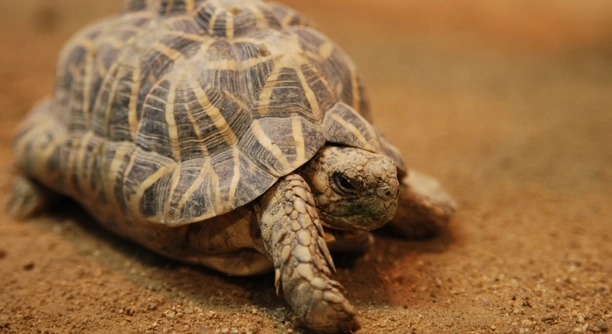
Turtles are known for their calm and slow nature, but if you notice your pet sleeping more than usual, it might be a cause for concern. Several factors could be affecting their behavior.
The most common reasons for increased sleep in turtles include environmental stress, improper temperatures, insufficient lighting, or a lack of proper nutrition. Changes in their habitat or routine can also lead to lethargy, signaling a need for adjustments.
By understanding these possible causes, you can create a better environment for your turtle’s well-being.
Environmental Stress
Environmental stress can significantly impact a turtle’s health and behavior. Changes in temperature, humidity, and noise levels can make your turtle feel uneasy and disrupt its usual routine. If you recently moved your turtle to a new tank or changed its surroundings, this could be a contributing factor. Turtles are creatures of habit, and any disruption in their environment can lead to sleeping more as they try to adjust.
One way to address this is by ensuring your turtle’s habitat is consistent and stable. Try to keep the temperature in the tank steady, and avoid sudden movements or loud noises around their space. This calm environment will help them feel more secure and reduce stress.
Making sure your turtle feels safe in its space is key. Keep things consistent and watch how they respond over time to any changes you make.
Improper Lighting
Proper lighting is essential for your turtle’s health, especially for their sleep cycle. If the lighting in your turtle’s habitat is too dim or inconsistent, it could lead to disruptions in their natural rhythm. Turtles rely on UVB lighting to synthesize vitamin D3 and maintain healthy bones. Without it, they may feel lethargic and spend more time resting.
It is essential to maintain a proper lighting schedule. Make sure you provide your turtle with 10 to 12 hours of UVB light during the day and keep their environment dark at night. This will mimic their natural day-night cycle, helping to regulate their sleep patterns.
UVB lighting not only helps with sleep but also with overall health. Make sure the light is in good condition and correctly positioned to benefit your turtle’s well-being.
Temperature Fluctuations
If the temperature in your turtle’s habitat isn’t consistent, it can lead to increased sleep. Turtles are cold-blooded and rely on external heat sources to regulate their body temperature. A drop in the warmth they need can cause them to rest more often.
Ensure your turtle has access to a basking spot where the temperature ranges between 85°F and 90°F. Keep the cooler end of the tank between 75°F and 80°F. A good heat source, such as a basking light or a heat lamp, can help your turtle stay active.
If the temperature fluctuates too much or is too low, your turtle will seek rest to conserve energy. Keep the environment stable with a reliable thermometer to maintain the proper warmth in the tank.
Poor Diet
A lack of essential nutrients can also cause lethargy in turtles. If your turtle isn’t eating properly or isn’t receiving the right food, it may sleep more often. A poor diet can weaken their immune system and lead to tiredness.
Make sure your turtle’s diet includes a variety of foods, including leafy greens, protein-rich insects, and appropriate pellets. A balanced diet ensures that your turtle has the energy it needs to remain active. Over time, malnutrition can make them more inclined to sleep as their body fights to recover.
Nutritional deficiencies can impact your turtle’s health. Adding variety to their meals, including fresh fruits and vegetables, can prevent tiredness caused by poor nutrition. Ensure your turtle is eating enough to meet their specific needs.
Illness or Infection
If your turtle is sleeping more than usual, it might be a sign of an underlying illness. Infections, parasites, or even internal issues can make your turtle feel unwell and more inclined to rest. Keep an eye out for any other symptoms.
Lethargy is a common sign of various health issues, including respiratory infections and shell rot. If your turtle is not eating or swimming, or if you notice any abnormal behavior, it’s important to consult a vet. Early diagnosis can prevent the problem from worsening and help your turtle recover faster.
Ignoring signs of illness can lead to long-term health problems. If the increased sleep persists or worsens, it’s better to err on the side of caution and get professional help.
Seasonal Changes
Seasonal changes can affect your turtle’s activity levels. Some species naturally slow down during certain times of the year, especially during colder months. This is a form of hibernation known as brumation.
Brumation typically occurs in the winter, when turtles in cooler climates reduce their activity levels. They may sleep more to conserve energy. However, if you notice excessive sleep outside of these periods, it may indicate another issue. Monitoring your turtle’s behavior and the temperature of its environment will help determine if brumation is the cause.
FAQ
Why is my turtle sleeping more than usual?
Turtles may sleep more than usual for several reasons, including environmental stress, poor diet, illness, or temperature fluctuations. If your turtle seems unusually lethargic, it’s important to check their habitat for any changes that could be causing discomfort. Additionally, illness or infection can lead to increased sleep as your turtle tries to conserve energy. If you notice other symptoms such as loss of appetite, abnormal behavior, or difficulty moving, it’s best to consult with a vet.
Could temperature changes be affecting my turtle’s behavior?
Yes, temperature changes can significantly affect your turtle’s behavior. Turtles are cold-blooded and rely on external heat sources to regulate their body temperature. If the temperature in their habitat is too low or fluctuates too much, your turtle may become lethargic and sleep more. Ensure that your turtle’s tank maintains a consistent temperature with proper basking areas and a cool side to help them stay active and healthy.
What should I do if my turtle isn’t eating but is still sleeping a lot?
If your turtle isn’t eating and is sleeping more than usual, it could be a sign of stress, illness, or an issue with its habitat. First, check if the water temperature is appropriate and if the lighting is consistent. If everything seems in order but your turtle still isn’t eating, it could be a sign of illness. In this case, a vet visit is necessary to rule out any health problems.
Can stress cause my turtle to sleep more?
Stress is a common reason for increased sleep in turtles. Changes in their environment, such as moving to a new tank, loud noises, or unfamiliar surroundings, can cause your turtle to feel insecure. When stressed, turtles may retreat into their shells and sleep more to cope. Ensure that your turtle’s environment is calm, stable, and comfortable to help reduce stress.
How do I know if my turtle is hibernating or just sleeping a lot?
Turtles often enter a period of hibernation, called brumation, when the temperature drops. If your turtle is sleeping more during colder months and has reduced activity, this is likely brumation. During this time, they may not eat much, but it is a natural cycle. However, if your turtle is showing signs of illness, such as a lack of appetite, difficulty moving, or abnormal behavior, it’s important to consult a vet to rule out health issues.
Can poor lighting cause my turtle to sleep more?
Yes, improper lighting can affect your turtle’s sleep patterns. Turtles require UVB lighting to maintain their health and regulate their sleep cycle. Without proper lighting, your turtle may become lethargic and sleep more than usual. Make sure your turtle’s tank has a reliable UVB light source, and adjust the light cycle to match natural day and night periods.
What are the signs that my turtle might be sick?
If your turtle is sleeping more and shows other symptoms like loss of appetite, abnormal swimming patterns, swollen eyes, or a discolored shell, it may be sick. Other signs include lethargy, nasal discharge, or difficulty moving. If you notice any of these symptoms, it’s important to get your turtle checked by a vet as soon as possible to address any potential health problems.
Can a lack of proper diet cause my turtle to sleep more?
Yes, a poor diet can lead to lethargy in turtles. If your turtle is not receiving enough nutrients, particularly protein, calcium, and vitamins, it may become tired and sleep more to conserve energy. A balanced diet with a variety of foods, including leafy greens, protein sources like insects, and high-quality pellets, will help keep your turtle active and healthy.
How can I tell if my turtle is too cold?
If your turtle is too cold, it may become lethargic and spend more time sleeping. You may also notice it spending more time at the cooler side of the tank. A good indicator is the basking temperature, which should be between 85°F and 90°F for most turtle species. Use a thermometer to ensure the tank’s temperature is in the correct range for your turtle.
Why does my turtle sleep so much during winter?
During winter, many turtle species go into brumation, a form of hibernation. This is a natural response to the colder temperatures and reduced food availability. If your turtle is sleeping more during the winter months, it could be a sign that it’s entering brumation. Ensure that the temperature and lighting conditions are still optimal for their needs during this time.
What can I do to make my turtle more active?
To encourage your turtle to be more active, make sure its environment is stable, with the right temperatures, UVB lighting, and a variety of food. Providing a larger tank with more space for swimming and basking will also help stimulate activity. Regular interaction, such as offering food and moving objects in the tank, can encourage your turtle to move around more.
Is it normal for my turtle to sleep at the bottom of the tank?
Turtles often sleep at the bottom of the tank, especially if they are feeling secure and comfortable. However, if your turtle is staying at the bottom for extended periods and not moving, it could indicate a health issue, such as low water temperature or poor water quality. If you’re concerned, monitor the tank conditions and check for any signs of illness.
Final Thoughts
It is important to understand that turtles may sleep more than usual for several reasons. Some of these reasons are natural, like seasonal changes or hibernation, while others may be related to stress, illness, or environmental factors. By observing your turtle’s behavior, you can identify whether the increased sleep is part of a normal cycle or if it’s a sign of a health issue. Regular monitoring of your turtle’s habitat and ensuring that its needs are met can prevent many potential problems. If you notice any other concerning symptoms, such as a lack of appetite or unusual behavior, it’s always a good idea to seek advice from a vet.
Maintaining a stable environment for your turtle is key to keeping it healthy and active. Ensure that the tank has proper lighting, temperature, and water conditions. A well-balanced diet also plays a significant role in your turtle’s overall health. Offering a variety of foods that meet your turtle’s nutritional needs will help keep it strong and alert. Additionally, providing enough space for swimming and basking allows your turtle to stay active and reduce the likelihood of excessive sleep. Keeping your turtle in a calm, safe space can also help it feel secure and less stressed.
In conclusion, if your turtle is sleeping more than usual, it’s essential to consider the possible causes and take action where necessary. It could simply be a natural part of their behavior, such as brumation during the colder months, or a response to environmental stressors. However, if you suspect health issues, early intervention is crucial. Regularly checking on your turtle’s condition and making adjustments to its care can ensure that it remains healthy, active, and comfortable. Don’t hesitate to reach out to a veterinarian if you have any concerns.

Hello,
If you enjoy the content that we create, please consider saying a "Thank You!" by leaving a tip.
Every little bit helps us continue crafting quality advice that supports the health, happiness, and well-being of pets around the world, for pets of all shapes, sizes, and species.
We really appreciate the kindness and support that you show us!