
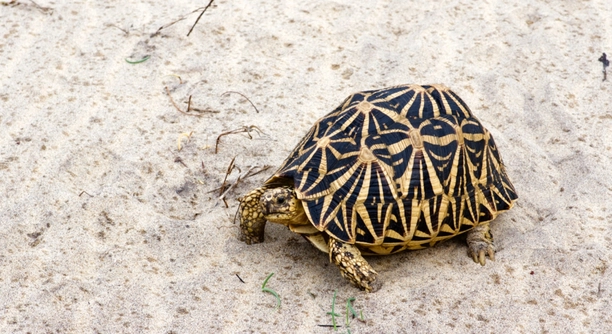
Turtles require a balanced diet and proper care for optimal health, but their digestion can sometimes become an issue. Understanding how to support your turtle’s digestive system is essential for its overall well-being.
Improving your turtle’s digestion involves ensuring they have a proper diet, access to fresh water, and a suitable environment. Adjusting their diet to include fiber-rich foods, maintaining a warm habitat, and providing regular exercise can support healthy digestion.
By following simple steps, you can help improve your turtle’s digestive health and overall quality of life. Keep reading for the best tips.
1. Feed Your Turtle the Right Foods
Turtles need a balanced diet to stay healthy. You should offer them a variety of foods that include both animal and plant matter. Some of the best foods for your turtle include leafy greens, fruits, and insects. Avoid processed foods or anything high in sugar, as these can upset their digestive system. Additionally, be mindful of portion sizes. Too much food can lead to obesity, while too little can cause malnutrition. Feeding your turtle a mix of vegetables like kale, collard greens, and dandelion greens ensures they get the necessary fiber for digestion. Protein-rich foods, such as worms and shrimp, should also be provided regularly to meet their nutritional needs.
It’s important to pay attention to your turtle’s specific species and age. Young turtles need more protein, while adults should have a higher proportion of plants in their diet. A varied diet will keep their digestive system functioning well.
Make sure you remove any uneaten food after a few hours to avoid it from spoiling in the water. Regular, controlled feeding will help keep your turtle’s digestion on track.
2. Provide Fresh, Clean Water
Water quality plays a significant role in your turtle’s digestion. Turtles need clean, filtered water for drinking, bathing, and even eating. Dirty or stagnant water can cause digestive issues, such as diarrhea or discomfort. It’s best to change the water in your turtle’s tank frequently and ensure that it’s at the correct temperature. A filtration system will help maintain clean water and reduce the buildup of waste.
Along with clean water, make sure your turtle has access to both deep and shallow areas to drink and soak. This will also help them regulate their body temperature, which can impact digestion. When a turtle is too cold, it can slow down their metabolism, making digestion harder.
Turtles are creatures of habit and will drink and bathe in the water they are comfortable with. Ensuring that water is free from chemicals and debris, while maintaining the right temperature, helps support your turtle’s digestion.
3. Maintain Proper Temperature
Temperature affects your turtle’s metabolism and digestion. Make sure their tank has a warm side and a cooler side to help them regulate their body heat. A heat lamp or basking light will keep the warm area at around 85–90°F (29–32°C). The cooler side should be around 75°F (24°C). Proper heating helps your turtle digest food more efficiently, as they are cold-blooded animals and rely on external temperatures to regulate their internal processes. If the tank is too cold, their digestive system can slow down, causing problems.
Be careful not to make the tank too hot either. A temperature that’s too high can stress your turtle and negatively impact digestion. A thermometer placed in different areas of the tank will help you monitor the temperature. If you notice your turtle eating less or moving sluggishly, it could be a sign that the temperature needs adjusting.
By maintaining the right temperature, you help ensure your turtle’s digestive system works properly, leading to healthier and more active behavior.
4. Offer Regular Exercise
Exercise is essential for a turtle’s health, including their digestion. A turtle that is regularly active will have a better metabolism, which supports efficient digestion. To keep them moving, create a spacious enclosure where they can swim and explore. If your turtle lives in a larger tank, add rocks or logs for climbing, which encourages more movement. You can also allow your turtle to roam outside their enclosure, supervised, to explore different areas.
Inactive turtles can become constipated or suffer from other digestive issues. Offering a variety of activities and space encourages movement, which helps keep things flowing inside. Regular exercise will also help prevent obesity, which can also affect their digestive system.
Active turtles tend to be healthier and less prone to digestion issues, ensuring they stay in top shape.
5. Avoid Overfeeding
Overfeeding can lead to digestion issues like constipation or bloating. It’s important to feed your turtle the right amount of food based on its size and age. Young turtles require more protein, while adults need a higher amount of vegetables.
Use a feeding schedule and avoid leaving food in the tank for too long. Remove uneaten food within a few hours to prevent it from spoiling, which can also affect your turtle’s health. Regularly adjusting portion sizes according to their needs will help ensure they’re not consuming too much or too little.
6. Provide a Balanced Diet
A balanced diet is crucial for your turtle’s digestion. Offer a mix of vegetables, fruits, and animal protein. Leafy greens like kale and collard greens are great, while fruits like strawberries and apples can be fed occasionally. Protein sources such as worms, shrimp, and fish help meet their nutritional needs.
Varying their diet ensures they get all the necessary vitamins and minerals to maintain a healthy digestive system. A lack of proper nutrition can lead to issues such as shell deformities and digestive discomfort. Keeping their diet diverse also encourages interest in their food and makes mealtime enjoyable.
7. Avoid Stress
Stress can significantly impact a turtle’s digestion, causing it to become lethargic or refuse food. Keep your turtle’s environment calm by avoiding sudden temperature changes and loud noises. Ensure their enclosure is not overcrowded and that they have their own space.
Turtles that feel safe and secure are more likely to eat and digest properly. Stress reduces appetite and can cause digestive slowdowns. A stable, quiet environment promotes healthy digestion and overall well-being.
FAQ
What is the best food for my turtle’s digestion?
A balanced diet consisting of leafy greens, fruits, and high-protein foods is best for your turtle’s digestion. Leafy greens like kale, collard greens, and dandelion leaves provide the necessary fiber. Fruits, such as strawberries and melons, can be offered in moderation. Animal protein, like worms, crickets, or fish, is essential for younger turtles. Adult turtles generally benefit from more vegetables and less protein. Mixing these food types ensures that your turtle gets all the vitamins and nutrients needed for a healthy digestive system.
How often should I feed my turtle?
The feeding schedule varies depending on your turtle’s age and species. For younger turtles, you can feed them daily, as they need more protein and energy for growth. Adult turtles typically eat every other day or even three times a week, depending on their size. Make sure not to overfeed your turtle, as this can lead to digestive problems. Adjust portions based on their appetite and size. Offering smaller, regular meals is better than large, irregular meals.
Can water temperature affect digestion?
Yes, water temperature plays a significant role in your turtle’s digestion. Turtles are cold-blooded, meaning they rely on external heat sources to regulate their body temperature. If the water is too cold, their metabolism slows down, which can cause poor digestion and a lack of appetite. Aim for a water temperature between 75-80°F (24-27°C) for optimal digestion. Ensure the water is neither too hot nor too cold to avoid stress and digestive problems. Proper heating and a temperature gradient in the tank will allow your turtle to adjust as needed.
How do I know if my turtle is overfed?
Overfeeding can be identified through a few signs. If your turtle is gaining weight rapidly or seems lethargic and unwilling to move, it may be eating too much. Overfed turtles also tend to have bloated bellies. Additionally, if your turtle consistently leaves food uneaten, this could signal that you’re offering more than they need. It’s important to monitor your turtle’s behavior and adjust feeding portions accordingly. Keep track of their eating habits and always remove leftover food to prevent spoilage.
How can I improve my turtle’s water quality for better digestion?
Keeping your turtle’s water clean is crucial for their digestion and overall health. Invest in a good filtration system to remove waste, uneaten food, and bacteria that can affect your turtle’s health. You should also change the water regularly, at least once a week, to maintain cleanliness. In addition, ensure the water is free from chlorine and other chemicals by using a water conditioner. Clean the tank’s surface and decorations regularly to avoid the buildup of harmful substances. Clean water helps keep your turtle hydrated and supports proper digestion.
Can stress affect my turtle’s digestion?
Stress is a major factor in your turtle’s digestive health. A stressed turtle may refuse to eat, become lethargic, or experience digestive slowdowns. Common stressors include poor tank conditions, such as inappropriate temperature, overcrowding, or sudden environmental changes. Loud noises, lack of hiding spots, and social stress with other turtles can also cause distress. Creating a calm, quiet, and safe environment for your turtle can help reduce stress. Regularly monitor their tank conditions and ensure they have adequate space, hiding areas, and a proper temperature range to avoid digestive issues related to stress.
How much exercise does my turtle need for proper digestion?
Exercise is important for your turtle’s digestion. Turtles need to be active to stimulate their metabolism and digestion. A tank with enough swimming space or climbing structures helps them stay active. If possible, allow your turtle some time outside of the tank to explore in a controlled area. The more active they are, the better their digestion will be. Turtles that remain stationary too often may experience constipation or sluggish digestion. Providing opportunities for your turtle to move around and explore helps promote a healthy digestive system.
Can my turtle get constipated?
Yes, turtles can get constipated, especially if they aren’t eating properly or if their diet lacks fiber. Constipation can lead to discomfort and a lack of appetite. Overfeeding or offering an inappropriate diet can also cause digestion issues. To prevent constipation, make sure your turtle’s diet is balanced with plenty of fiber from leafy greens and fruits. Offering occasional baths in warm water can also help your turtle pass waste more easily. If constipation persists for several days, consider consulting a vet to check for underlying health issues.
How can I keep my turtle’s shell healthy?
A healthy shell is a sign of overall well-being, and proper digestion plays a role in shell health. A balanced diet that includes calcium-rich foods like dark leafy greens can help maintain a strong shell. UVB lighting is also crucial for calcium absorption. Inadequate UVB exposure can lead to metabolic bone disease, affecting the shell and bones. Additionally, regular exercise and proper hydration help your turtle maintain healthy skin and shell integrity. Ensure that your turtle’s environment supports its health in all areas, including shell care, by following these guidelines.
What should I do if my turtle stops eating?
If your turtle refuses to eat, first check the water temperature and overall tank conditions. Stress, poor water quality, or an incorrect temperature can cause a lack of appetite. If your turtle has been under stress, try to minimize disruptions and create a calm environment. Sometimes, turtles may stop eating due to the seasonal shedding of their scutes or because they are not hungry due to overfeeding. If your turtle continues to refuse food for more than a week, it’s important to consult a vet to rule out any serious underlying issues.
Final Thoughts
Maintaining a healthy digestive system for your turtle is essential to its overall well-being. Providing the right balance of food, ensuring a clean and stable environment, and keeping stress levels low are all important factors. By focusing on a proper diet that includes leafy greens, protein sources, and occasional fruits, you can help support your turtle’s digestive health. Regular monitoring of food portions and water quality can prevent issues like overfeeding or water contamination, both of which can affect digestion. The key to good digestive health is consistency in care.
It’s also important to remember that every turtle is unique, and what works for one might not work for another. Factors such as species, age, and size all play a role in determining the best care routine. For example, young turtles need more protein to grow, while adult turtles benefit more from vegetables. Always adjust your turtle’s diet and environment based on its specific needs. Keeping track of feeding schedules and behaviors will help you notice any changes that may indicate digestive issues. Observing your turtle’s behavior is a great way to ensure it is thriving.
Lastly, stress management is just as crucial for digestion as diet. Turtles thrive in calm, stable environments. Ensure their enclosure has the right temperature, space, and hiding areas to feel secure. Stress can lead to a lack of appetite or digestion issues, so a well-maintained tank is key to their health. In summary, with proper nutrition, care, and a stress-free environment, your turtle’s digestive health will improve, leading to a happier and healthier life.

Hello,
If you enjoy the content that we create, please consider saying a "Thank You!" by leaving a tip.
Every little bit helps us continue crafting quality advice that supports the health, happiness, and well-being of pets around the world, for pets of all shapes, sizes, and species.
We really appreciate the kindness and support that you show us!