
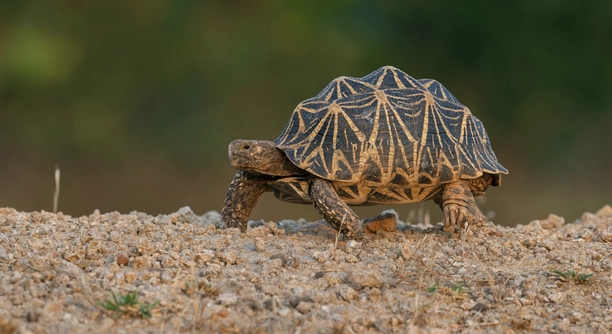
Turtles can be calm and friendly pets, but sometimes their behavior can change unexpectedly. If you’ve noticed your turtle acting more aggressively lately, you may be wondering what’s causing this shift in attitude.
Aggression in turtles is often linked to factors like territorial disputes, mating season, or environmental stress. A turtle might display aggressive behavior due to overcrowding, changes in habitat, or even illness. Identifying the cause is key to addressing the issue.
Understanding why your turtle is acting this way can help you create a healthier environment for them. It’s important to look at their habitat, diet, and overall health to ensure they feel safe and comfortable.
Common Causes of Aggressive Behavior in Turtles
Turtles are generally peaceful creatures, but they can become aggressive for various reasons. One of the main causes is territorial behavior. Turtles are naturally territorial and may become more defensive, especially if they feel their space is being invaded by other animals or even other turtles. If your turtle is housed with others, fights over food or basking areas can trigger aggression.
Stress from an improper environment can also make turtles act out. Changes in water temperature, lighting, or tank size can disrupt their well-being. Additionally, poor water quality, inadequate hiding spots, or a lack of space can cause frustration and aggression.
Diet may also play a role in aggressive behavior. A turtle lacking essential nutrients or one that’s fed too much can become irritable. Offering a balanced diet and ensuring proper nutrition can reduce this aggression.
Stress and Environmental Factors
Environmental factors like water temperature and tank conditions can cause stress. A tank that’s too small or too crowded can make your turtle feel uncomfortable, which leads to more aggressive actions.
Turtles require a specific temperature range to thrive, usually between 75°F and 85°F in the water. If the temperature fluctuates too much, it can cause stress. You may notice your turtle acting more aggressive during these changes.
The same applies to lighting; turtles need both UVB light and basking areas. Without these, they may feel threatened or unwell, contributing to aggressive behavior. Regularly checking water quality, temperature, and lighting can go a long way in keeping your turtle calm and happy.
Mating Behavior and Aggression
Another common cause of aggression in turtles is mating season. Male turtles, in particular, can become more aggressive during breeding. This aggression is often directed at other males, as they compete for the attention of females. It’s natural for males to become more territorial during this time, and the increased aggression is a way for them to assert dominance.
If you have multiple turtles, this could lead to more frequent fights. If the aggression becomes too much, separating the males can help reduce conflict. Additionally, it’s important to provide ample space in the tank to give each turtle its own area, especially during breeding season.
Turtles can be quite vocal during mating, so you may notice behaviors like biting, chasing, or head bobbing. These actions are all part of the mating rituals, and while they may seem aggressive, they are typical in the natural world.
Health Issues and Aggression
Sometimes, aggression in turtles can be a sign of an underlying health issue. A sick turtle may act more aggressively due to pain or discomfort. If your turtle seems unusually irritable or is behaving differently than usual, it’s important to rule out any health problems.
Infections, parasites, or injuries can cause turtles to become more defensive. If you notice changes in their eating habits, shell condition, or behavior, it’s a good idea to take them to a vet for a check-up. Keeping an eye on their overall health is essential to maintaining a calm and healthy pet.
Turtles need proper care, including regular checks for any signs of illness. If your turtle is injured or suffering from an infection, it might act out of character as a response to pain or discomfort.
Overcrowding in the Tank
Overcrowding is a common cause of aggression in turtles. When there isn’t enough space for them to roam, turtles can become stressed and fight. This is especially true if multiple males are housed together in a small area.
If your turtle is living with others, it’s important to ensure that the tank is large enough for each turtle to claim their own space. Ideally, you should have at least 10 gallons of water per inch of turtle shell. If there’s not enough space, they may feel threatened and show aggression toward their tankmates.
Providing hiding spots, basking areas, and enough room for each turtle to move freely can help reduce aggression. Make sure there are places for each turtle to retreat to when they need a break. A proper-sized tank with enough resources will create a healthier and less aggressive environment.
Temperature and Lighting
Temperature and lighting directly affect your turtle’s behavior. If the water temperature isn’t in the right range, your turtle may feel uncomfortable, leading to stress and aggression. They need a basking area with proper UVB lighting to stay healthy and calm.
Turtles require water temperatures between 75°F and 85°F. If the water is too cold or too hot, it can negatively impact their behavior. You should also ensure that your turtle has access to both UVB light and a basking area where they can warm up. These conditions mimic their natural habitat and help them maintain good health.
Without proper lighting and temperature, your turtle’s stress levels will increase, and they may display aggressive behavior. Check your tank’s temperature regularly and adjust the lighting to ensure they have the right conditions to thrive. A happy turtle is less likely to become aggressive.
Lack of Hiding Spots
Turtles need places to retreat and feel safe. Without enough hiding spots in their tank, they can become stressed and aggressive. A turtle without a safe space may feel vulnerable and start displaying territorial behaviors.
Adding plants, rocks, or caves to the tank will allow your turtle to hide and feel secure. This gives them a way to escape from potential threats or overly curious tank mates. It’s important to make sure that each turtle has its own space to retreat to.
Improper Diet
A poor diet can contribute to aggression. Turtles need a balanced mix of vegetables, protein, and supplements. Feeding them too much of one thing can cause frustration and behavioral problems.
A lack of proper nutrients can lead to stress, affecting their overall mood. You should make sure your turtle is getting the right food for its species, age, and size. Offer a mix of greens, protein like worms or fish, and calcium for strong shells. Proper diet management helps maintain calm behavior.
Health Problems
Aggression can also be a sign of health issues. If your turtle is feeling unwell, it might lash out. Pain or discomfort can cause even a normally calm turtle to behave aggressively.
Regular check-ups and monitoring their health are crucial. If you notice a sudden change in behavior or any physical symptoms like swollen eyes or a soft shell, take your turtle to a vet. Ensuring your turtle’s health will prevent unnecessary aggression caused by illness.
FAQ
Why is my turtle being aggressive toward other turtles?
Aggression between turtles, especially if housed together, is often due to territorial behavior. Males are more likely to display aggressive actions when competing for space, food, or mates. If there’s not enough room or hiding spots, turtles may feel threatened and act defensively. Ensuring each turtle has its own space, access to resources, and a large enough tank can help reduce these behaviors.
How can I reduce my turtle’s aggression in the tank?
To reduce aggression, ensure your turtle’s environment is optimal. A larger tank with proper water conditions, hiding spots, and basking areas is essential. If aggression is a concern between tankmates, consider separating them. Providing a balanced diet with enough nutrients can also help calm your turtle. Regular water changes and maintaining the right temperature are key to ensuring your turtle’s comfort and reducing stress.
Can poor water quality cause my turtle to act aggressively?
Yes, poor water quality is a significant stressor for turtles and can lead to aggressive behavior. If the water is dirty or improperly filtered, it can lead to discomfort and health issues, which may cause your turtle to act out. Regular water changes and using a good filtration system can help maintain water quality and reduce stress-induced aggression.
Do turtles get aggressive during mating season?
Turtles can display more aggression during mating season, especially males. They may become territorial and more competitive for the attention of females. Mating-related aggression is a normal behavior, but it can be intensified if multiple males are in close quarters. If aggression becomes excessive, separating the turtles during mating season can help reduce fighting.
Is my turtle being aggressive because it’s sick?
Aggression can sometimes be linked to illness. A sick or injured turtle may become more irritable and defensive, especially if it is in pain. Common health issues such as infections, parasites, or injuries can cause behavior changes. If you notice a sudden change in aggression along with other symptoms, it’s best to take your turtle to a vet for a thorough check-up.
How can I tell if my turtle is stressed?
Stressed turtles may exhibit a range of behaviors, including aggression, lethargy, or a lack of appetite. They may hide more often, become more reclusive, or show signs of physical distress such as rapid breathing or a weakened shell. Pay attention to their eating habits, activity levels, and physical condition. If your turtle’s behavior changes, it’s a sign they may be stressed or unwell.
Can overcrowding cause a turtle to become more aggressive?
Overcrowding can lead to aggression because turtles need their own space to feel secure. If the tank is too small for the number of turtles, they can become territorial, leading to fights over food or basking spots. Ensuring that each turtle has enough room to move around and access resources is key to preventing overcrowding and aggression.
What should I do if my turtle fights with another turtle?
If your turtles are fighting, you might need to separate them to prevent injury. Ensure they each have their own space in the tank with enough food, basking areas, and hiding spots. After separating them, consider re-evaluating the tank size and the number of turtles to avoid further conflicts. If fights persist, you may want to keep them in separate tanks altogether.
Could my turtle’s aggression be related to temperature or lighting?
Yes, incorrect temperature or lighting can cause stress, which in turn may lead to aggression. Turtles need a warm environment to thrive, typically between 75°F and 85°F in the water. UVB lighting is also crucial for their health. If either the temperature or lighting is off, it can cause your turtle to become agitated. Make sure to monitor these factors regularly and adjust as needed to create a comfortable environment for your turtle.
How can I prevent aggression during mating season?
To prevent aggression during mating season, it’s important to ensure your turtles have plenty of space. If you have multiple males, consider separating them to avoid competition. Providing ample hiding spots and basking areas can help reduce stress. Additionally, keeping a close eye on their interactions during this time can help prevent excessive aggression.
Final Thoughts
Turtles can be fascinating and peaceful pets, but like all animals, they have their own ways of expressing discomfort or stress. Aggression in turtles is often a sign that something in their environment needs to be adjusted. Whether it’s due to territorial behavior, overcrowding, improper tank conditions, or health issues, understanding the cause is crucial. By paying attention to your turtle’s behavior and their surroundings, you can often find the root of the problem and take steps to resolve it. This not only reduces aggression but also improves their overall well-being.
The most important thing is to create a comfortable and safe environment for your turtle. Make sure the tank is the right size and is equipped with the necessary features like UVB lighting, a basking area, and proper water temperature. The tank should also be clean and have enough hiding spots so your turtle feels secure. If you notice any changes in behavior, it’s worth investigating if the environment could be causing stress. Small adjustments like increasing tank size, changing the water filter, or adjusting the lighting can have a significant impact on your turtle’s mood.
Remember, turtles can be very sensitive to changes in their environment. Regularly check on their health, diet, and overall conditions. If your turtle’s aggression doesn’t improve after making adjustments, or if there are other signs of illness, it might be time to visit a vet. With the right care and attention, your turtle can live a peaceful and happy life, and you’ll be able to enjoy your time together without constant concerns about aggression.

Hello,
If you enjoy the content that we create, please consider saying a "Thank You!" by leaving a tip.
Every little bit helps us continue crafting quality advice that supports the health, happiness, and well-being of pets around the world, for pets of all shapes, sizes, and species.
We really appreciate the kindness and support that you show us!