
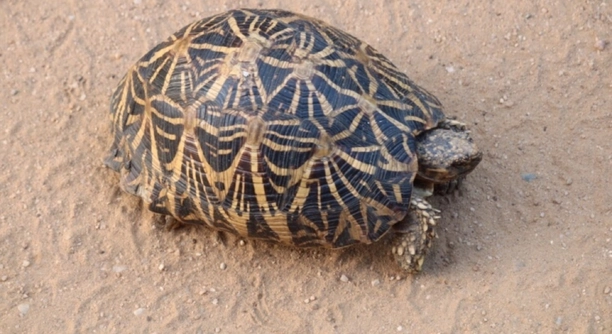
Having a turtle aquarium is a rewarding experience, and choosing the right water plants is important for their well-being. Not only do these plants help create a more natural environment, but they also provide benefits to your turtle.
The best water plants for a turtle aquarium are those that can thrive in submerged conditions while being sturdy enough to handle a turtle’s activity. Plants like anubias, java fern, and water lettuce are popular choices due to their hardiness and ease of care.
Selecting the right plants is essential for creating a balanced and healthy habitat for your turtle. Keep reading to learn about the top 7 plants that will thrive in your turtle’s aquarium.
1. Anubias: Tough, Low-Maintenance, and Turtle-Approved
Anubias is a great choice for a turtle aquarium. This plant is hardy and can thrive in low-light conditions, making it perfect for beginners. The leaves are thick and tough, which means they won’t easily be damaged by curious turtles. Plus, it grows slowly, so you won’t have to worry about trimming it constantly. Anubias can be attached to rocks or driftwood, giving you more options for decorating your tank.
It’s important to avoid burying the roots of Anubias in the substrate, as this can lead to rot. Simply tie it to a surface, and it will grow well. Anubias can also help provide hiding spaces for your turtle, offering both aesthetic appeal and functional benefits.
When placed in an aquarium, Anubias doesn’t require special care. Its slow growth and resistance to damage make it ideal for turtle tanks. If you want a plant that is low-maintenance but effective, Anubias is a top pick.
2. Java Fern: Versatile and Resilient
Java fern is another easy-to-care-for plant that’s popular in turtle tanks.
Java fern is known for its adaptability to various water conditions. It can thrive in both cold and warm water and doesn’t require much light to survive. Its sturdy fronds are not easily damaged by turtle activity, making it ideal for busy tanks. The plant can grow quickly, filling spaces and providing shade for your turtle. You can tie it to rocks, driftwood, or other surfaces in the tank.
One of the most appealing aspects of Java fern is its resistance to algae growth. It doesn’t compete for nutrients, so it helps maintain a clean and healthy environment. Its ability to handle a range of conditions and its resilience to damage makes Java fern a reliable addition to any turtle aquarium.
3. Water Lettuce: A Floating Delight
Water lettuce is an attractive floating plant that provides shade and a natural look.
This plant has large, soft leaves that float on the water’s surface, offering your turtle a bit of cover. Water lettuce grows rapidly and can be easily trimmed when necessary. It also helps reduce excess nutrients in the water, keeping the environment cleaner. While it’s not as durable as some other plants, its ability to absorb waste makes it a valuable addition.
Water lettuce also promotes natural behavior in turtles. They may enjoy hiding under the floating leaves, which adds an enriching element to their habitat. Just be aware that it can spread quickly, so regular maintenance is necessary to prevent overcrowding.
4. Duckweed: Tiny but Mighty
Duckweed is a tiny floating plant that’s perfect for turtles who enjoy basking under the sun.
This small plant floats across the water’s surface, creating a natural shade that turtles can use for relaxation. Duckweed is known for its rapid growth, which can be a good thing in keeping the tank clean. It absorbs excess nutrients, reducing algae growth and maintaining a healthier aquarium. Though small, it provides excellent coverage for your turtle to hide under, mimicking its natural environment.
Duckweed can multiply quickly, so it’s important to keep its growth in check. You can skim the surface occasionally to prevent it from overcrowding the tank. It can also be a bit delicate, so ensure that your turtle doesn’t uproot it during feeding or playtime. If maintained well, Duckweed makes a great choice for your turtle’s environment.
5. Hornwort: Hardy and Low-Maintenance
Hornwort is an easy-to-care-for submerged plant that turtles tend to leave alone.
It grows quickly, making it a good option for maintaining water quality by absorbing excess nutrients. Hornwort is incredibly hardy and can thrive in a range of water conditions. It doesn’t require substrate to grow, so it can be left floating freely in the tank. Hornwort helps oxygenate the water while providing a natural environment for your turtle to explore.
While the plant is low-maintenance, it may occasionally need trimming to prevent it from overtaking the tank.
6. Water Sprite: A Versatile and Fast-Growing Plant
Water sprite grows rapidly and can be used as a floating or rooted plant, making it versatile in any turtle tank.
It offers excellent cover for your turtle, both above and below the waterline. Water sprite also helps absorb extra nutrients, which reduces the risk of algae growth. If planted in the substrate, it sends out runners that can spread quickly, so it requires some regular trimming.
Water sprite is a perfect option for beginners since it can thrive with minimal effort. It grows well in low-light environments and adapts easily to different water conditions. If you want a plant that helps clean the tank and provides shelter for your turtle, water sprite is an excellent choice.
7. Amazon Sword: A Strong and Decorative Choice
The Amazon sword adds beauty and structure to any turtle tank.
This plant grows tall and has broad leaves, creating a striking visual effect. It’s ideal for creating a background or focal point in the aquarium. However, it requires a bit more attention than some other plants. It needs nutrient-rich substrate and moderate to high light to thrive. While it can withstand turtle activity, its leaves can be damaged if not properly maintained.
Amazon sword is a great choice if you want a plant that offers both function and aesthetics. With proper care, it can become a standout feature in your turtle’s aquarium.
FAQ
How do I choose the best plants for my turtle aquarium?
When selecting plants for your turtle aquarium, focus on hardiness and ability to withstand turtle activity. Look for plants with sturdy leaves or those that grow slowly, so your turtle is less likely to damage them. Plants like Anubias, Java Fern, and Amazon Sword are excellent choices due to their durability. You should also consider plants that can help maintain water quality by absorbing excess nutrients, like Water Lettuce and Duckweed. It’s also important to choose plants that can adapt to the temperature, light, and water conditions of your tank.
Are all water plants safe for turtles?
Not all water plants are safe for turtles. Some plants can be toxic to turtles if consumed, and others may not survive well in a turtle aquarium due to the increased water disturbance and frequent movement. Avoid plants that are too delicate or those with toxic properties like certain varieties of lily pads or ivy. Always ensure the plant species you choose are safe for reptiles. Many of the plants listed in this article, such as Anubias, Java Fern, and Hornwort, are non-toxic and safe for turtles to interact with.
Do I need special lighting for the plants in my turtle tank?
While many water plants can thrive with low to moderate light, the specific lighting needs will depend on the type of plant you have. Plants like Java Fern and Anubias are adaptable and can grow well in low light, while plants such as Amazon Sword and Water Sprite may require more light to flourish. For most plants, a standard aquarium light should be sufficient. However, if you have plants that need higher light levels, consider getting a full-spectrum light to help them grow properly.
How do I care for floating plants in my turtle tank?
Floating plants like Water Lettuce, Duckweed, and Hornwort add a beautiful and functional layer to your turtle tank. These plants float on the water’s surface, providing shade and hiding spots for your turtle. Floating plants require minimal maintenance, but they can grow quickly and cover the entire surface of the tank. Be sure to trim them regularly to prevent overcrowding, as too many floating plants can limit water movement and reduce oxygen levels. Make sure the plants are not blocking the filter or pump intake, as this can affect the water quality.
Do I need to trim plants in a turtle tank?
Yes, trimming your plants is necessary for keeping them healthy and manageable. Some plants, like Water Sprite and Hornwort, grow quickly and can take over the tank if not trimmed regularly. Excess growth can block light for other plants and lead to poor water circulation. Trimming allows plants to grow stronger and keeps the tank looking neat. Be cautious when trimming to avoid overcutting, which can damage the plant. Keep an eye on the growth rate of each plant and remove any dead or damaged leaves to prevent debris buildup.
Can my turtle eat the plants in the aquarium?
Yes, turtles will occasionally nibble on the plants in their tank. While most plants are not harmful, it’s important to monitor your turtle’s diet to ensure they are getting the proper nutrients from their food. Some turtles might be more inclined to eat certain plants, while others may ignore them entirely. Hardy plants like Anubias and Java Fern are less likely to be eaten compared to more delicate plants, which can be completely devoured. If you notice that your turtle is consistently eating certain plants, consider rotating the types of plants in your tank to provide variety.
How do I prevent algae growth in my turtle aquarium?
Algae can be a problem in turtle aquariums, especially in tanks with too much light or excess nutrients. To prevent algae growth, limit the amount of light your tank receives by keeping the light on for no more than 10–12 hours a day. Also, regularly clean the tank and remove any excess food or debris, as these can feed algae. Adding plants like Duckweed and Water Lettuce can help by absorbing nutrients before algae has a chance to grow. Keeping the water in your tank clean with regular water changes and using a good filtration system can also help reduce algae buildup.
Can I plant my aquarium plants directly into the substrate?
Some aquarium plants can be planted directly into the substrate, while others do better when attached to rocks or driftwood. For example, Amazon Sword and Water Sprite can be planted in the substrate, where their roots can grow and stabilize. However, plants like Anubias and Java Fern should not be buried, as this can cause the roots to rot. Instead, these plants should be tied to surfaces like rocks or driftwood. Always research each plant type’s specific needs to ensure the best growth conditions.
What should I do if my turtle destroys the plants in the tank?
If your turtle is consistently destroying plants, it may be a sign that they’re either bored or looking for food. Try to provide more hiding spots and decorations in the tank to divert their attention. You could also consider adding sturdier plants that are more resistant to damage, like Anubias or Java Fern. If your turtle continues to damage plants, look into creating a more enriched environment with items like basking platforms, rocks, and logs that give your turtle other places to explore. Additionally, make sure your turtle’s diet is balanced so that they don’t feel the need to nibble on plants for extra nutrients.
How do I maintain water quality in a turtle tank with live plants?
Maintaining water quality in a turtle tank with live plants is essential for both plant health and turtle well-being. Plants help absorb excess nutrients from the water, but they also need clean, balanced water to thrive. Regular water changes of about 25% every two weeks can help keep the water fresh. You should also ensure that your filter is strong enough to handle the tank’s size and that it doesn’t get clogged by plant debris. Regularly removing dead or decaying plant matter will prevent it from polluting the water. Keep an eye on the water temperature and pH to ensure they remain stable for both your plants and turtle.
Final Thoughts
Choosing the right plants for your turtle aquarium can significantly enhance both the aesthetic and functional aspects of the tank. Not only do plants provide a more natural environment, but they also offer benefits like improving water quality, reducing stress, and creating hiding spots for your turtle. When selecting plants, it’s important to consider the specific needs of your turtle and the type of environment you want to create. Plants like Anubias, Java Fern, and Hornwort are great options for most turtle tanks due to their hardiness and low maintenance requirements. They can survive in a variety of water conditions, making them ideal for beginners or anyone looking to maintain a balanced tank without too much effort.
However, it’s also essential to remember that some plants may require more attention than others. Plants like Amazon Sword and Water Sprite, while beautiful, might need more care, including proper lighting and substrate. Monitoring your plants for signs of damage or overgrowth is key to keeping the tank looking tidy and ensuring that the plants thrive. Overcrowding or excessive plant growth can lead to poor water circulation and lower oxygen levels, so regular trimming is necessary. If your turtle is particularly active, it may try to nibble on certain plants, so selecting tougher plants that can withstand this behavior is a good idea.
Ultimately, maintaining a healthy aquarium requires a balance of plants, proper care, and attention to your turtle’s needs. By choosing the right plants and setting up the right environment, you can create a habitat where your turtle can thrive. The plants will also help you maintain a cleaner and healthier tank, reducing the need for frequent water changes and making your aquarium more sustainable in the long run. With a little bit of effort, you’ll be able to enjoy the natural beauty of a well-planted turtle tank while providing the best possible home for your pet.

Hello,
If you enjoy the content that we create, please consider saying a "Thank You!" by leaving a tip.
Every little bit helps us continue crafting quality advice that supports the health, happiness, and well-being of pets around the world, for pets of all shapes, sizes, and species.
We really appreciate the kindness and support that you show us!