
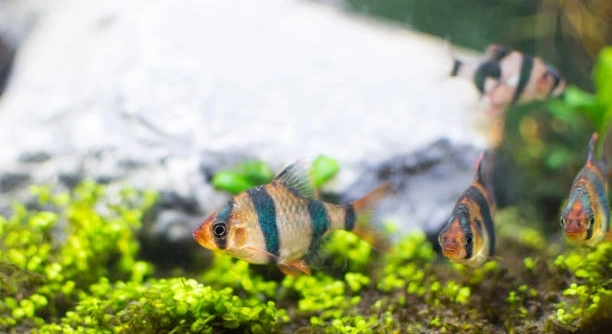
Is your tiger barb starting to lose its bright, vibrant color and look a little duller than usual in your aquarium?
Tiger barbs often lose color due to stress, poor water conditions, illness, or age. Identifying the specific cause and addressing it promptly is crucial to maintaining their health and vibrant appearance in a home aquarium.
Knowing what causes color loss will help you create a better environment and keep your tiger barb looking healthy and lively.
Common Reasons Tiger Barbs Lose Color
Tiger barbs can lose color for several reasons, and one of the most common is stress. Poor water quality, aggressive tank mates, sudden temperature changes, or overcrowding can make them feel uneasy. When stressed, their colors may fade quickly. Illness is another cause. Internal infections, parasites, or skin issues can lead to dullness or pale patches. A poor diet also affects their appearance. If they’re not getting enough nutrients, especially those that support pigmentation, their colors won’t stay bright. Finally, age plays a role. Older tiger barbs naturally fade over time, and while this is normal, younger fish losing color often signals a deeper issue. Watching their behavior, appetite, and energy levels can offer clues. It’s helpful to track any recent changes in the tank that might be connected to their fading colors. Addressing these early keeps your fish healthier and can bring back their vibrant look.
Some tiger barbs may fade temporarily after being introduced to a new environment. This usually resolves with time and care.
Noticing early color changes and fixing the conditions can prevent more serious issues. Stay consistent with care and observe your fish closely. This not only supports their health but also helps preserve their natural appearance long-term.
Fixes to Help Restore Their Color
Make small but meaningful changes to help your tiger barb regain color and stay healthy.
Start by checking water quality. Keep ammonia and nitrite levels at zero, and nitrates under 20 ppm. Do regular water changes, ideally 25% weekly, and use a reliable water testing kit. Temperature should be between 74°F and 78°F. Avoid placing them with aggressive fish, as this leads to stress and color loss. Feed a varied diet rich in color-enhancing nutrients—high-quality flakes or pellets, along with occasional frozen or live foods like brine shrimp or daphnia. Add plants and hiding spots to reduce stress. Keep lighting moderate and consistent. Avoid bright lights all day, as this can be overwhelming. Watch your fish daily. If behavior changes or spots appear, consider treating them with aquarium-safe medications after identifying the issue. When introducing new tank mates or making adjustments, do so gradually. Sudden changes often upset their balance. With these changes, your tiger barb should regain its vibrant color and stay active.
How Diet Affects Tiger Barb Color
Poor nutrition directly affects the color of tiger barbs. When they lack certain nutrients, especially carotenoids and proteins, their natural colors begin to fade. A balanced, nutrient-rich diet plays a key role in supporting healthy pigmentation and keeping their colors bright and bold.
Feed a mix of high-quality tropical fish flakes or pellets specifically formulated for color enhancement. Look for ingredients like spirulina, krill, or astaxanthin, which boost pigmentation naturally. Add frozen or live treats like brine shrimp or bloodworms a few times a week. These not only improve color but also support their overall health and immune system. Overfeeding can cause water quality problems, which also affects their appearance, so feed in small amounts once or twice daily. Rotate foods weekly to give them variety. This prevents deficiencies and keeps their diet balanced. A consistent, varied feeding routine will show visible improvement in just a few weeks.
When choosing food, avoid cheap fillers or unbalanced diets with little nutritional value. These may keep your fish full but won’t support their coloration. Always check the label before buying new food. The right ingredients make a big difference. If you’ve recently changed food brands and noticed fading, that may be part of the problem too. Switch back gradually. Give the fish time to adjust. Feeding quality food consistently helps them maintain their bold orange stripes and black bars. It also boosts energy and activity. Feeding your tiger barbs well is one of the easiest ways to bring out their best color.
Tank Conditions That Cause Fading
Poor water conditions are one of the fastest ways to cause color fading in tiger barbs. Even small imbalances in pH, temperature, or ammonia levels can cause stress that leads to dullness and sluggish behavior.
Keep water parameters stable and clean. Ideal pH should be around 6.0 to 7.0, with a consistent temperature between 74°F and 78°F. A strong filter, regular water changes, and gravel cleaning help maintain a healthy tank. Don’t skip testing—check pH, ammonia, nitrites, and nitrates weekly. Avoid overcrowding the tank, as too many fish can lead to higher waste levels and more stress. A minimum 20-gallon tank is ideal for a small school. Use live or silk plants to give your fish places to hide and rest. Proper lighting is also important. Use a gentle aquarium light on a 10- to 12-hour schedule, avoiding harsh brightness. Soft lighting supports natural behavior and comfort. Clean equipment regularly and monitor fish activity for signs of trouble.
How Stress Impacts Color
Stress weakens the immune system and directly causes tiger barbs to lose their color. Chasing, loud noises, sudden lighting changes, or frequent tank disruptions can make them anxious. This leads to fading stripes and less movement.
Avoid tapping on the glass, sudden water changes, or mixing incompatible tank mates. Peaceful surroundings help maintain color.
Illnesses That Cause Fading
Faded color can be an early sign of illness. Internal parasites, bacterial infections, and skin diseases often cause tiger barbs to lose their brightness. If you notice other signs like clamped fins, white spots, or odd swimming patterns, something might be wrong. Quarantine sick fish immediately. Treat with medications designed for their specific condition. Maintain clean water to speed recovery. Watch how they eat—loss of appetite can confirm illness. It’s important not to wait too long. Quick action improves their chances and can restore color. Always isolate new fish before adding them to the main tank. This simple step can prevent infections from spreading.
When Color Loss Is Normal
As tiger barbs age, a gradual color fade is normal. Older fish may not display the same bold patterns they had when younger.
FAQ
Why is my tiger barb turning pale only at night?
Tiger barbs often appear pale at night due to their natural rest cycle. When the lights go off, their color fades slightly as part of a relaxed state. This helps them conserve energy and blend into their environment, making them less visible to predators in the wild. Once the lights turn back on and they become active again, their color usually returns within a few minutes. This fading is normal and not a cause for concern unless it continues during the day or is paired with signs of illness or stress.
Can poor lighting affect my tiger barb’s color?
Yes, poor or excessive lighting can affect a tiger barb’s color over time. Harsh, bright lights may cause stress, especially if the tank lacks hiding spots. On the other hand, insufficient lighting can also dull their natural appearance, making it harder for their pigments to show. Use soft, aquarium-appropriate lighting and keep it on a 10- to 12-hour cycle. Avoid direct sunlight, which can heat the water and cause algae growth. Consistent lighting supports their biological rhythm and helps maintain stable colors. Natural decor like plants and driftwood also help them feel secure under lighting.
Do tiger barbs lose color when they’re scared?
Yes, sudden fear or stress can cause tiger barbs to temporarily lose color. If they’re startled by tapping on the glass, fast movements, or aggressive tank mates, their stripes may fade quickly. This is a natural stress response. If it happens often, it’s a sign the tank setup may need adjusting. Adding plants, decorations, or moving the tank to a quieter location can help. Over time, a more peaceful environment can reduce this response. Fish that constantly live in fear may become dull permanently, so creating a calm space is important for their health and color.
What foods bring out the best color in tiger barbs?
Look for foods rich in carotenoids like astaxanthin, spirulina, and krill. These ingredients help enhance red, orange, and yellow hues naturally. High-quality flakes or pellets labeled for color enhancement are a good base. You can also supplement with frozen or live foods like daphnia, bloodworms, or brine shrimp a few times a week. These not only add variety but also improve overall energy and appearance. Avoid feeding only one type of food, as it may cause nutrient imbalances. Rotate foods weekly to give a full spectrum of nutrients that keep your tiger barb vibrant and healthy.
Is color loss always reversible?
Not always, but in many cases, yes. If the color loss is caused by stress, poor diet, or bad water quality, then correcting those issues can restore their color. Improvement may take several days to a few weeks. If fading is caused by illness, treatment is needed first, and recovery varies by condition. In some cases, permanent fading occurs due to age or long-term damage. It’s important to act early when fading starts. The quicker you identify the cause and make changes, the better the chances are of seeing their bright colors return.
How long does it take for color to return after fixing the issue?
Most tiger barbs start to regain color within a few days to a week once the problem is resolved. Recovery speed depends on how severe the issue was and how quickly it was fixed. For example, after a water change or diet upgrade, some color may return almost immediately. If your fish was sick or stressed for a long time, it could take several weeks. Continue with regular care, avoid making frequent changes, and monitor their behavior. Consistency helps them feel safe, and that’s when their color begins to come back.
Should I isolate a tiger barb that’s fading in color?
Not unless you suspect illness or it’s being bullied. If one tiger barb is losing color while the others look healthy, it’s possible that fish is being picked on or hiding too much. Watch closely to see if other fish are chasing it or if it’s avoiding the group. In that case, rearranging tank decorations or adding more hiding spots can reduce tension. If you notice other symptoms like clamped fins, white spots, or odd swimming, isolate it in a hospital tank and begin treatment. Isolation should be used for care, not punishment.
Do tiger barbs fade color after breeding?
Yes, it’s possible. After breeding, tiger barbs may look dull or tired. Spawning takes energy and can cause brief color loss, especially in males. Females may appear slightly paler due to energy spent producing and laying eggs. This usually improves within a few days, as long as the water stays clean and they are well-fed. Offering high-protein foods after spawning helps them recover faster. If the color doesn’t return after a week or so, check for signs of illness or stress in the tank. Recovery depends on the conditions they’re kept in after breeding.
Final Thoughts
Tiger barbs are active and colorful fish, but their bright appearance depends heavily on their health and environment. If your tiger barb starts to lose color, it usually means something is off. Stress, poor water quality, a weak diet, or illness can all cause fading. Even small issues in the tank can quickly show through their appearance. Paying attention to how they behave, what they eat, and how clean the tank stays will make a big difference. Their color is more than just for show—it reflects their overall condition. Keeping them healthy means you’ll also keep their stripes bold and noticeable.
Fixing color loss starts with the basics. Keep the water clean, test it regularly, and do partial water changes every week. Make sure your tank is the right size for your group and add plenty of plants or decorations so they feel safe. Feed them a varied diet that supports their immune system and color. Use good lighting but not too harsh. Remove anything in the tank that could be causing stress or competition. Small changes like these can lead to big improvements in their color and behavior. It’s also helpful to track any changes over time to catch problems early.
Sometimes, color loss is just part of the aging process, and there’s nothing wrong. But in most other cases, it’s a sign that your fish needs some help. Observing their habits daily will help you spot issues before they get worse. A faded tiger barb doesn’t mean it’s too late—many bounce back with care and attention. If you’ve recently made changes and notice improvement, keep going. The key is consistency. A stable tank setup and good care routine are what help tiger barbs thrive. Over time, their bright stripes will return, and you’ll know you’ve created a space where they can stay healthy and active.

Hello,
If you enjoy the content that we create, please consider saying a "Thank You!" by leaving a tip.
Every little bit helps us continue crafting quality advice that supports the health, happiness, and well-being of pets around the world, for pets of all shapes, sizes, and species.
We really appreciate the kindness and support that you show us!