
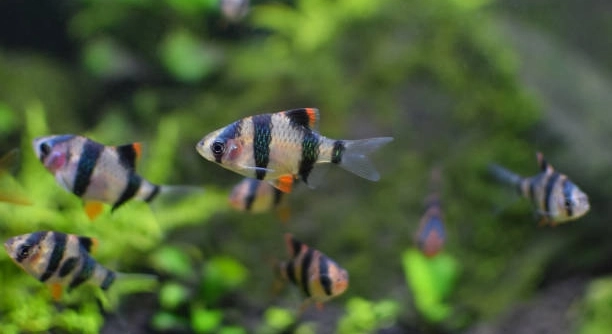
Tiger barbs are popular aquarium fish known for their lively behavior and striking stripes. Many fish owners notice how these fish often swim together in groups. Observing their social habits can give insights into how they feel in their environment.
Tiger barbs tend to feel safer in crowds due to their natural schooling behavior. Grouping together helps reduce stress and offers protection from perceived threats. This social instinct improves their overall well-being and encourages natural movement patterns.
Understanding why tiger barbs prefer company can help create a healthier tank environment. This knowledge supports better care and happier fish.
Why Tiger Barbs School Together
Tiger barbs naturally swim in groups, a behavior called schooling. This instinct helps protect them from predators by making it harder for a threat to single out one fish. In the safety of a group, tiger barbs are less likely to panic or hide. Schooling also allows them to communicate and coordinate movements, making their swimming more efficient. When kept alone, tiger barbs can become stressed, sometimes showing aggression or lethargy. A tank with at least six tiger barbs helps them maintain this social behavior. Proper tank size and decorations provide hiding spots, but the company of their own kind is most important. Observing a well-grouped school of tiger barbs often shows more natural and lively behavior. This group dynamic reduces their stress and increases their activity, which contributes to better health and longer life. Keeping tiger barbs in a crowd respects their natural instincts and improves their overall well-being.
Schooling is essential for their comfort and survival instincts in an aquarium setting.
Keeping multiple tiger barbs encourages natural swimming patterns and reduces aggression. Without a group, they may become stressed and act out. The presence of others offers reassurance, making them more confident and active. This social structure also balances their interactions, preventing any single fish from becoming dominant. Proper care means recognizing their need to belong to a group and creating an environment where they can thrive together.
Creating the Right Environment for Tiger Barbs
Tiger barbs need a tank setup that supports their schooling nature. A minimum tank size of 20 gallons is recommended to give enough swimming space. Adding plants and decorations helps provide hiding places but should not overcrowd the tank. Clear swimming paths allow the school to move freely and stay together. Water quality is important too—clean, well-filtered water keeps them healthy. Stable temperature and pH levels reduce stress and encourage natural behavior. Feeding them a balanced diet also supports their energy for active swimming. Maintaining a calm environment without sudden disturbances helps tiger barbs feel secure. Regular tank maintenance and monitoring water parameters protect them from illness. When these conditions are met, tiger barbs will display more vibrant colors and lively interaction. Their natural social habits become easier to observe and enjoy.
Proper environment supports their health and group behavior.
Tank size, decoration, and water quality all contribute to a safe, comfortable home for tiger barbs. These factors help maintain their natural instincts, which leads to happier and healthier fish. By creating a balanced environment, owners ensure the fish thrive in groups, showing their full potential and lively nature.
How Crowding Affects Tiger Barbs
Crowding can cause stress among tiger barbs if the tank is too small. Too many fish in limited space may lead to aggression and competition for food. Proper balance is key to keeping the group healthy and peaceful.
Overcrowding restricts swimming space, which is essential for schooling behavior. When fish feel cramped, they often become more aggressive or hide frequently. This reduces their activity and may harm their health. Limited oxygen and poor water quality are also common problems in crowded tanks. Feeding can become uneven, causing some fish to miss meals. To avoid these issues, maintain an appropriate number of tiger barbs based on tank size, usually one fish per 3-4 gallons of water. This balance supports their social nature and helps prevent stress-related illness.
A crowded environment not only harms their health but also disrupts natural behavior. It’s important to watch for signs of stress like fin nipping or constant hiding. Providing enough space and regular water changes keeps the group comfortable and active.
Signs That Tiger Barbs Feel Unsafe
Tiger barbs that feel unsafe may swim erratically or hide often. They can become aggressive, nipping fins of tank mates or acting restless. These behaviors show stress or discomfort.
Stress can lower their immune system, making them prone to disease. Lack of schooling or breaking away from the group are signs of fear. Dull coloring and loss of appetite also indicate problems. These fish need a calm, stable environment with enough space and hiding spots. Sudden loud noises or rapid changes in water conditions increase their stress. Proper tank care, including consistent temperature and clean water, reduces fear. Observing behavior regularly helps detect problems early, allowing timely action. When tiger barbs feel safe, they show bright colors and swim confidently within their group.
Benefits of Keeping Tiger Barbs in Groups
Tiger barbs feel more secure in groups because they rely on safety in numbers. Group living reduces individual stress and promotes natural behavior. Their social nature is key to their well-being.
Being part of a school encourages active swimming and interaction. It also helps prevent aggressive behavior toward tank mates. Group dynamics balance their energy, making the aquarium more peaceful.
Managing Aggression Within Schools
Aggression can occur if the group is too small or the environment is stressful. Keeping at least six tiger barbs helps spread out aggression and reduces bullying. A well-planned tank with enough space and hiding spots lowers conflict chances.
Adjusting Tank Size for Different Group Sizes
Larger groups need bigger tanks to maintain water quality and allow enough swimming room. A 20-gallon tank suits six tiger barbs well, while more fish require proportionally larger spaces. Adequate space supports their social needs and reduces stress.
Monitoring Fish Health in Groups
Watching how tiger barbs interact helps spot early health or stress issues. Group behavior often reflects their overall condition.
FAQ
How many tiger barbs should be kept together?
Tiger barbs should be kept in groups of at least six. This number helps spread out aggression and supports their natural schooling behavior. Smaller groups can cause stress and lead to increased fin nipping or bullying. A larger group creates a safer environment and encourages more natural, active swimming.
Can tiger barbs live alone?
Keeping a single tiger barb is not recommended. They are social fish that rely on group dynamics to feel safe. Alone, they often become stressed and may show aggressive or lethargic behavior. If you want to keep tiger barbs, plan for a proper-sized group and tank.
What tank size is suitable for tiger barbs?
A minimum tank size of 20 gallons is suitable for six tiger barbs. If you want more fish, increase the tank size accordingly. Adequate space allows them to swim freely, reduces stress, and helps maintain water quality. Overcrowding should be avoided to keep the group healthy and peaceful.
Why do tiger barbs nip fins?
Fin nipping is often a sign of stress, overcrowding, or lack of proper social structure. Tiger barbs nip to establish dominance within the group. Keeping a larger school and providing hiding spaces can reduce this behavior. Also, maintaining good water quality and proper diet helps keep aggression low.
How can I reduce aggression among tiger barbs?
Aggression decreases when tiger barbs are kept in groups of six or more with plenty of space and hiding spots. Avoid mixing them with slow or long-finned fish that might become targets. A well-planted tank with open swimming areas balances their energy and limits bullying.
What signs show that tiger barbs feel stressed or unsafe?
Stressed tiger barbs often swim erratically, hide frequently, or isolate themselves from the group. They may lose color, stop eating, or nip at tank mates aggressively. These behaviors indicate discomfort. Maintaining a stable environment with proper water conditions and enough companions reduces stress.
Do tiger barbs need special water conditions?
Tiger barbs thrive in water temperatures between 74°F and 79°F (23°C – 26°C) with a pH around 6.5 to 7.5. Clean, well-filtered water is essential. Sudden changes in temperature or water quality can cause stress and illness. Regular testing and water changes help keep the environment stable.
Can tiger barbs live with other fish species?
Yes, tiger barbs can live with other species that tolerate their active nature. Avoid slow-moving or long-finned fish because tiger barbs might nip their fins. Good tank mates include other fast swimmers or similar-sized fish like danios or barbs. Always observe interactions to prevent bullying.
How often should I feed tiger barbs?
Feeding tiger barbs once or twice daily with a balanced diet is best. Offer high-quality flakes, pellets, and occasional live or frozen foods. Avoid overfeeding to prevent water quality issues. Feeding small amounts they can eat within a few minutes helps maintain their health.
What is the best way to introduce tiger barbs to a new tank?
Acclimate tiger barbs slowly to a new tank by floating their bag in the water for 15-20 minutes, then gradually mixing tank water into the bag before release. This process helps prevent shock from temperature or water differences. Adding a group at once is ideal to keep their social structure intact.
How can I tell if my tiger barbs are healthy?
Healthy tiger barbs have bright colors, clear eyes, and active swimming behavior. They should eat well and interact smoothly within their group. Watch for signs like torn fins, spots, or lethargy, which may indicate illness. Maintaining a clean tank and stable water conditions supports their health.
Is it necessary to have hiding spots for tiger barbs?
Yes, hiding spots are important even though tiger barbs are active swimmers. Plants, rocks, and decorations give them places to rest and feel secure. These areas reduce stress and offer refuge during aggression or when they need to recover. A balanced tank layout promotes natural behavior.
What causes sudden changes in tiger barb behavior?
Sudden behavior changes often relate to stress factors like poor water quality, illness, or changes in tankmates. They may become more aggressive, lethargic, or hide more than usual. Regular monitoring of water parameters and observing their interactions can help identify causes and solutions.
How long do tiger barbs typically live?
With proper care, tiger barbs live about 5 to 7 years. Good water quality, a suitable environment, and a balanced diet contribute to their longevity. Stress and disease can shorten their lifespan, so maintaining stable conditions is essential for keeping them healthy over time.
Are tiger barbs sensitive to water changes?
Tiger barbs can be sensitive to sudden or large water changes. It is best to perform partial water changes regularly, about 20-30% weekly. This keeps water quality high without shocking the fish. Using a water conditioner and matching temperature helps protect their health during maintenance.
Tiger barbs are naturally social fish that feel safer and more comfortable when kept in groups. Their schooling behavior helps reduce stress and encourages natural swimming patterns. When they are together, tiger barbs display more active and lively behavior, which is a sign of good health. Keeping them in groups of six or more allows them to interact properly and balance their energy. Without enough companions, they may become stressed, aggressive, or inactive. So, if you want your tiger barbs to thrive, it’s important to provide the right number of fish and a tank that supports their social needs.
Creating the right environment is just as important as keeping tiger barbs in groups. A tank size of at least 20 gallons is ideal for a small school of tiger barbs, but bigger tanks are needed for larger groups. The tank should have enough open space for swimming as well as hiding spots to help reduce stress and prevent fights. Maintaining clean, stable water conditions is essential to keep the fish healthy. Regular water changes and monitoring of temperature and pH levels can help avoid many health problems. When tiger barbs have a well-balanced environment, they tend to show brighter colors and more natural behavior, which makes them more enjoyable to watch.
Understanding the needs of tiger barbs can lead to better care and happier fish. Paying attention to their behavior will help you notice when they feel unsafe or stressed, allowing you to make changes quickly. Keeping a suitable group size, maintaining a clean and stable tank, and providing hiding places all contribute to their overall well-being. With proper care, tiger barbs can live several years and provide lively activity in the aquarium. Taking these simple steps helps ensure that your tiger barbs stay healthy, active, and comfortable in their home.

Hello,
If you enjoy the content that we create, please consider saying a "Thank You!" by leaving a tip.
Every little bit helps us continue crafting quality advice that supports the health, happiness, and well-being of pets around the world, for pets of all shapes, sizes, and species.
We really appreciate the kindness and support that you show us!