
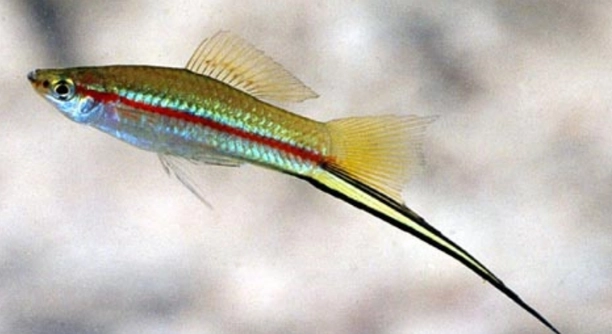
Swordtails are popular aquarium fish known for their unique swimming patterns. If you’ve noticed your swordtail swimming upside down, it may be a sign of an underlying issue that requires attention.
The most common reason for a swordtail to swim upside down is an issue with its swim bladder. Swim bladder problems can occur due to overfeeding, poor water conditions, or stress, and they can cause your fish to lose its ability to maintain balance.
Understanding the causes of swim bladder disorders will help you resolve this issue and improve your fish’s well-being. It is essential to address the condition promptly to avoid further complications.
Common Causes of Swim Bladder Issues in Swordtails
Swim bladder problems are a frequent cause of swordtails swimming upside down. This organ helps fish maintain buoyancy and balance in the water. When it malfunctions, the fish may struggle to stay right-side-up. Poor water quality, overfeeding, or stress can disrupt the swim bladder’s function. In some cases, it may be a sign of an underlying infection or injury. Overfeeding is especially common in home aquariums, as excess food can lead to bloating, which puts pressure on the swim bladder. If the fish is stressed due to aggressive tank mates or sudden environmental changes, it can also trigger swim bladder dysfunction. The issue may be temporary or chronic, depending on the severity and the fish’s overall health. Understanding these factors is key to addressing the problem and ensuring the well-being of your swordtail.
Sometimes, it’s a combination of factors that cause the issue. Stressed fish in poor water conditions are more likely to develop swim bladder problems.
A quick change in water conditions, like a shift in temperature or pH, can also lead to temporary swimming issues. The first step to correcting the problem is stabilizing the water conditions. Keeping the tank clean, maintaining the right temperature, and ensuring a balanced pH level will prevent further stress on your swordtail. This will help avoid other potential health issues. Monitoring water quality regularly will reduce the risk of swim bladder problems and promote a healthy environment for your fish. Adding live plants or hiding spots may also help alleviate stress. Regular water changes and proper filtration will keep your swordtail comfortable.
How to Treat Swim Bladder Issues
If your swordtail is struggling with swim bladder problems, the first step is to stop feeding for a day or two. Overfeeding can worsen the condition, so it’s essential to adjust your feeding habits. A small fast allows your fish to recover and helps with digestion. After the fast, you can try offering foods that are easier to digest, such as peas. Boil the peas, remove the skin, and chop them into small pieces. This can help clear up any blockages in the fish’s digestive system, which may be putting pressure on the swim bladder. If the issue persists, consider isolating the fish in a separate tank to monitor it more closely. This can reduce stress and allow for more precise treatment, like adjusting water temperature or adding salt to the tank. Keep an eye on the fish’s behavior and consult a vet if symptoms don’t improve. Regular care and attention will often resolve swim bladder issues.
Preventing Swim Bladder Problems
Maintaining good water quality is key to preventing swim bladder issues. Regular water changes and filtration help keep the tank clean and reduce stress on your fish. Monitoring water temperature and pH also plays a significant role in your swordtail’s health.
A stable environment helps prevent stress and encourages healthy swimming patterns. Swordtails thrive in water temperatures between 72-79°F, and maintaining a balanced pH level between 7.0 and 8.0 is ideal. Water testing kits are a simple way to check for any imbalances. Stress can also stem from overcrowded tanks or poor tank mates. Avoid aggressive fish or too many swordtails in one tank, as this can lead to constant stress, further impacting their health.
Overfeeding is another preventable factor. Swordtails, like many fish, are prone to swim bladder issues if fed too much. Excess food can lead to bloating, which may compress the swim bladder and affect the fish’s buoyancy. Use a proper feeding schedule and avoid giving more food than they can consume in a few minutes.
When to Seek Professional Help
If your swordtail’s swim bladder problem persists despite adjustments in water quality, feeding habits, and stress levels, it’s time to seek professional help. A vet specializing in fish health can provide a more accurate diagnosis.
A vet may perform tests to check for any infections or injuries affecting the swim bladder. In some cases, medication may be needed to treat an underlying issue, such as a bacterial infection. Fish vets can also recommend the best course of action for recovery and whether the fish should be quarantined. They can guide you on adjusting tank conditions to promote healing. Sometimes, professional care is necessary if the fish shows no improvement after basic adjustments. Prompt treatment will help your swordtail recover faster and avoid long-term health problems.
The Role of Diet in Swim Bladder Health
Feeding your swordtail the right food is essential for preventing swim bladder problems. Overfeeding or offering inappropriate foods can contribute to digestive issues that affect buoyancy. A balanced diet will help keep your fish healthy and less prone to swim bladder disorders.
Swordtails benefit from a varied diet that includes high-quality flakes, pellets, and occasional live or frozen foods like brine shrimp. However, it’s important to avoid excessive amounts of food. Overfeeding is a common mistake that leads to bloating, which can negatively impact the swim bladder. A healthy feeding schedule promotes better digestion and overall well-being.
The Impact of Stress on Swordtails
Stress is one of the leading causes of swim bladder issues in swordtails. Fish under stress may display abnormal swimming patterns, including upside-down swimming. Identifying and eliminating sources of stress is crucial for their recovery.
Swordtails can experience stress due to poor tank conditions, overcrowding, or aggression from other fish. Even sudden changes in the environment, such as water temperature fluctuations, can cause stress. To reduce stress, ensure that your tank is peaceful and the water conditions are stable. This will give your fish the best chance of recovery.
The Importance of Proper Tank Setup
A proper tank setup is essential for swordtail health. The tank should have enough space, proper filtration, and areas for your fish to hide if they feel threatened.
Swordtails need a minimum tank size of 20 gallons, especially if you plan to keep more than one. The tank should be well-filtered to keep the water clean and oxygenated. Adding plants or rocks provides hiding spots and helps reduce stress, offering a more natural environment for your fish. A proper setup is key to keeping your swordtails comfortable and healthy.
FAQ
What are the main causes of swim bladder issues in swordtails?
Swim bladder problems in swordtails can be caused by several factors. The most common ones include poor water quality, overfeeding, stress, and infections. Poor water conditions, like high ammonia or nitrate levels, can lead to bloating and gas buildup in the swim bladder. Overfeeding or feeding foods that are difficult to digest may also cause digestive issues that put pressure on the swim bladder. Stress from overcrowding, aggressive tank mates, or sudden environmental changes can trigger swim bladder problems as well. Finally, bacterial or parasitic infections may cause swelling that affects the swim bladder.
Can swim bladder issues be fixed without medication?
In many cases, swim bladder issues can be fixed without medication. Adjusting water quality, correcting feeding habits, and reducing stress are often enough to resolve the problem. If the issue is related to overfeeding, simply fasting the fish for a few days and offering easy-to-digest foods like boiled peas can help clear up the issue. Additionally, making sure the water temperature and pH levels are stable can reduce stress and help the swordtail recover naturally. However, if the problem persists, medication may be required to treat any underlying infections.
How can I prevent swim bladder problems in my swordtail?
Prevention starts with maintaining a clean, stable environment. Regular water changes and good filtration are essential for keeping the water quality in check. Ensuring your swordtail is not overfed is equally important. Feed your fish small amounts of food that they can consume in a few minutes. It’s also crucial to avoid tank overcrowding and provide a stress-free environment with suitable tank mates. Regular monitoring of water temperature and pH levels will help prevent fluctuations that could stress your swordtail and cause swim bladder issues.
What is the best diet for a swordtail to avoid swim bladder problems?
A balanced diet is essential for preventing swim bladder issues. Swordtails should be fed high-quality flakes or pellets as their primary food. Occasionally, they can be given live or frozen foods like brine shrimp or bloodworms to add variety to their diet. To avoid digestive issues, feed them small amounts several times a day rather than overfeeding them at once. Offering boiled peas can help clear any potential blockages and promote healthy digestion. Ensuring that your swordtail’s diet is nutritionally complete will reduce the risk of swim bladder problems.
How do I know if my swordtail’s swim bladder problem is serious?
If your swordtail is consistently swimming upside down or having trouble maintaining buoyancy, the issue may be serious. A mild problem can usually be addressed by adjusting water conditions, feeding habits, and stress levels. However, if the fish seems lethargic, refuses food, or shows signs of bloating or swelling in the abdomen, it could be a sign of a more serious condition, such as an infection. In these cases, it’s important to consult a veterinarian or a fish expert for a proper diagnosis and treatment plan.
Is there a way to treat swim bladder issues at home?
Yes, swim bladder issues can often be treated at home with the right approach. The first step is to stop feeding your fish for a couple of days to give its digestive system time to recover. After that, offer small amounts of easily digestible food, like boiled peas. Adjusting the water temperature and making sure the water is clean and properly filtered can also help. If the problem is caused by stress, creating a more peaceful tank environment can make a significant difference. If the condition does not improve after these adjustments, medication or professional help may be necessary.
Can swim bladder problems be contagious to other fish?
Swim bladder issues are generally not contagious to other fish, as they are often caused by environmental factors, such as poor water quality or overfeeding. However, if the swim bladder problem is caused by an infection, such as a bacterial or parasitic infection, it could potentially spread to other fish in the tank. In this case, isolating the affected fish in a separate tank for treatment is recommended. Keeping the tank clean and monitoring the health of all the fish will help prevent the spread of any infections.
What should I do if my swordtail is swimming upside down for a long time?
If your swordtail has been swimming upside down for an extended period, it’s important to address the situation promptly. First, check the water quality and make sure the tank is properly filtered and maintained. If the issue seems related to overfeeding, try fasting your fish for a few days and offering easily digestible foods. If the fish still appears unwell, consider isolating it in a separate tank to reduce stress and monitor its condition closely. If symptoms persist, it may be necessary to consult a veterinarian for a professional diagnosis and treatment plan.
How long does it take for a swordtail to recover from swim bladder issues?
Recovery time for swim bladder issues depends on the severity of the problem and the treatment approach. In many cases, swordtails begin to show improvement within a few days to a week after making adjustments to their environment, diet, and stress levels. If the issue is related to infection, it may take longer, especially if medication is required. It’s important to be patient and continue to monitor the fish’s health. If the swordtail does not recover within a reasonable time, seeking professional help is recommended.
Final Thoughts
Swim bladder issues in swordtails are a common concern for many aquarium owners, but they are often preventable and treatable with the right approach. The key to addressing these problems lies in maintaining a clean and stable environment for your fish. Ensuring proper water quality, a balanced diet, and a stress-free habitat can go a long way in preventing swim bladder issues from occurring in the first place. Regular tank maintenance, such as water changes and proper filtration, plays a crucial role in the overall health of your swordtails. Keeping the tank environment calm and providing plenty of space for your fish to swim freely will also reduce the chances of stress-related health problems.
While some cases of swim bladder problems can resolve on their own with simple adjustments, others may require more attention. If your swordtail continues to show signs of distress, such as swimming upside down or struggling to maintain buoyancy, it may be a sign of a more serious underlying issue. In such cases, consulting with a veterinarian or a fish expert is recommended. They can help diagnose the problem and recommend the most appropriate treatment. It’s important to remember that fish, like any other pets, need proper care and attention to stay healthy. Addressing problems early on can lead to a quicker recovery and a happier, healthier swordtail.
By taking proactive steps to care for your swordtails, you can prevent many common issues, including swim bladder problems. Regular monitoring of their health, diet, and environment will help you spot any potential issues before they become serious. A well-balanced approach to fishkeeping can ensure that your swordtail lives a long and healthy life. With the right care, you can enjoy watching your fish swim freely and comfortably in your aquarium for years to come.

Hello,
If you enjoy the content that we create, please consider saying a "Thank You!" by leaving a tip.
Every little bit helps us continue crafting quality advice that supports the health, happiness, and well-being of pets around the world, for pets of all shapes, sizes, and species.
We really appreciate the kindness and support that you show us!