
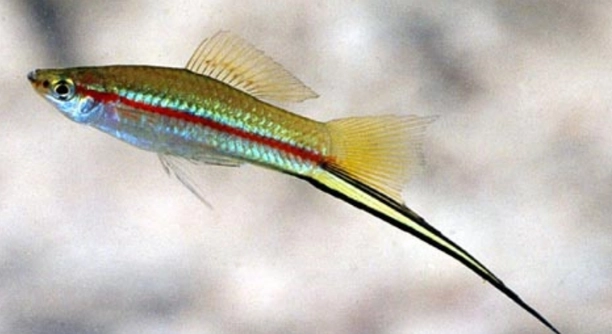
Have you ever thought about keeping swordtails in a small bowl instead of a traditional aquarium? It might seem like a simple setup, especially for new fish owners or those with limited space and experience.
Swordtails should not be kept in a bowl because bowls do not provide adequate space, filtration, or oxygen levels required for their health. This environment can lead to stress, poor water quality, and a shorter lifespan for the fish.
There’s more to keeping swordtails healthy than just water and food—understanding their needs is key to giving them a better life.
Why Bowls Are Not Suitable for Swordtails
Bowls may look cute and compact, but they are not appropriate for swordtails. These fish need more space to swim, explore, and feel comfortable. Bowls are often too small to maintain stable water conditions, and they usually lack proper filtration. Without a filter, waste and toxins can build up quickly, leading to stress and illness. Swordtails are active swimmers and need at least a 10-gallon tank to thrive. A bowl can also limit oxygen exchange at the water’s surface, which makes it harder for the fish to breathe. Even with regular water changes, the setup simply doesn’t support a healthy environment. A bowl is not just cramped—it’s unsafe for long-term care. Proper care means giving them enough room, clean water, and a balanced environment, all of which bowls fail to provide.
Even though a bowl may seem like a starter option, it can create more problems than solutions for swordtail care.
If you want to keep swordtails happy and active, choose a spacious tank with a good filter. You’ll notice better behavior, fewer health issues, and cleaner water. These fish respond well to the right setup, and they live longer when their space matches their needs.
What Swordtails Really Need
Swordtails do best in tanks that offer at least 10 to 15 gallons of space per fish.
They need more than just water—they need a system that helps keep that water clean and stable. A proper filter helps remove waste and supports the good bacteria that keep ammonia and nitrite levels safe. A heater is also important because swordtails are tropical fish that like their water between 72°F and 82°F. When their environment stays within this range, they stay more active and display better colors. Plants and hiding spots help them feel secure and reduce stress. Swordtails are also social and prefer to be kept in small groups, so space really matters. Without enough room, they can become aggressive or withdrawn. Weekly water testing and regular partial water changes will keep their habitat safe. When these pieces come together—space, warmth, clean water, and some companionship—swordtails can really thrive. You’ll see healthier fins, brighter colors, and more natural behaviors that show they’re living well.
Common Problems Swordtails Face in Bowls
Keeping swordtails in bowls can lead to poor oxygen levels, toxic water, and stunted growth. These issues often go unnoticed until the fish shows signs of illness. Bowls don’t provide enough space or support the basic needs of a healthy swordtail.
Without a filter, harmful waste like ammonia and nitrites builds up fast. This can burn their gills, weaken their immune system, and make them more prone to infections. A small bowl also lacks surface area for proper oxygen exchange, which is essential for their breathing. You might see them gasping at the surface or becoming sluggish. Bowls also don’t allow enough room for swimming, which can cause stress and even aggressive behavior. All of these things can shorten their lifespan and lower their quality of life. A setup like this makes daily care harder, too, as frequent water changes are needed just to keep things somewhat stable.
Temperature control is another issue in small bowls. Without a heater, the water can fluctuate quickly, especially in cooler rooms. Swordtails are sensitive to these changes and may become sick or inactive. Maintaining a steady temperature is important for their digestion, immune system, and overall comfort. Bowls just can’t hold heat consistently or safely.
What to Use Instead of a Bowl
A filtered tank of at least 10 gallons is the best starting point for keeping swordtails. It gives them enough space to swim, stay active, and live comfortably. You’ll also have room for plants, decorations, and a proper filtration system.
Larger tanks are easier to manage and keep stable. With more water volume, toxins don’t build up as quickly, and the temperature stays more consistent. You’ll be able to add a heater and maintain a healthy tropical range. A filter not only clears waste but helps build up beneficial bacteria that support your fish’s health. It’s also easier to monitor water quality in a tank, so you can catch problems early. Swordtails are social fish, so a tank allows you to keep a few of them without overcrowding. Adding live plants, hiding spots, and open areas for swimming makes the environment more natural and relaxing. This setup leads to healthier, more active fish.
Swordtail Behavior in Small Spaces
Swordtails kept in bowls often show signs of stress, like pacing along the glass or staying still near the bottom. These behaviors can be early signs of discomfort, poor water quality, or lack of stimulation in a cramped environment.
Over time, stress can affect their immune system and make them more likely to get sick. You may also notice faded colors or torn fins, especially if multiple fish are kept together in limited space. These signs show they’re not getting what they need to stay healthy and active.
How to Transition from Bowl to Tank
If you’re moving your swordtail from a bowl to a proper tank, start by setting up the new tank completely before transferring the fish. Add a filter, heater, and conditioner to remove chlorine. Let the tank cycle if possible, but if not, do frequent water tests and changes. Float the bowl inside the tank for 20–30 minutes to match temperatures. Then, gently net the swordtail and place it into the tank. Avoid pouring bowl water into the tank. Once moved, monitor the fish closely for any signs of stress. With better space and clean water, they often recover quickly and show improved energy and color.
Final Thoughts on Proper Care
Swordtails need more than just food and water—they need space, clean conditions, and a setup that supports long-term health.
FAQ
Can swordtails survive in a bowl with regular water changes?
Even with frequent water changes, a bowl still lacks the basic conditions swordtails need. Water volume is too low to support a stable environment. Temperature fluctuates too easily, oxygen levels drop fast, and there’s no filtration to break down harmful waste. Swordtails may survive for a short time, but they won’t thrive. They will likely suffer from stress, illness, and a shortened lifespan. Frequent water changes also increase the risk of temperature and chemistry swings, which can be just as harmful. A proper tank setup is more stable, less stressful, and much easier to manage in the long run.
How many swordtails can live together, and how much space do they need?
Swordtails are social fish and do best when kept in small groups. A 10-gallon tank can house up to three swordtails, but a larger tank is better for long-term care. For each additional swordtail, you’ll want to add at least 2–3 more gallons of water. Males can be territorial, so it’s best to keep one male with two or more females to avoid aggression. A longer tank allows them to swim freely and establish their own space. Overcrowding can lead to stress and fighting, so it’s important not to pack too many into a small area.
Can swordtails live without a heater?
Swordtails need warm, stable water temperatures—ideally between 72°F and 82°F. In most homes, especially during cooler months, the room temperature drops below that range. Without a heater, the water can get too cold and fluctuate often. Cold stress affects their digestion, weakens their immune system, and slows their movement. While they might survive short periods without a heater, they’ll become sick more easily and won’t be as active. A small, adjustable aquarium heater helps maintain a steady temperature, which is essential for their comfort and long-term health. It’s one of the most important tools for a tropical fish setup.
Do swordtails need a filter in their tank?
Yes, a filter is essential for swordtails. It keeps the water clean by removing uneaten food, fish waste, and other debris. More importantly, a filter supports beneficial bacteria that break down toxic ammonia into less harmful compounds. Without it, dangerous chemicals can build up quickly, especially in small tanks. Filters also help with water movement, which improves oxygen levels. A sponge filter is a gentle option for smaller tanks, while a hang-on-back filter works well for larger setups. Just remember to clean it regularly without using soap and never change all the media at once to preserve good bacteria.
Can I keep swordtails with other fish?
Yes, swordtails are peaceful and get along with many other community fish. Good tank mates include mollies, platies, guppies, cory catfish, and tetras. Avoid aggressive or fin-nipping fish, as swordtails have long tail fins that can be targeted. Also, be cautious with slow-moving species, since swordtails are active swimmers and may compete for food. Keep in mind the total size of the tank before adding new fish—each addition adds to the bioload, which affects water quality. Make sure everyone has enough space, hiding spots, and food. A peaceful, balanced community helps your swordtails feel safe and stay healthy.
What do swordtails eat, and how often should they be fed?
Swordtails are omnivores and enjoy a variety of foods. A high-quality flake or pellet designed for tropical fish works well for their base diet. You can also offer frozen or freeze-dried treats like bloodworms, brine shrimp, and daphnia a few times a week. Blanched vegetables like spinach or zucchini add helpful nutrients, too. Feed small amounts once or twice a day—just what they can finish in under two minutes. Overfeeding can quickly dirty the water and lead to health problems. Watch their behavior and adjust the portions if needed. A balanced diet helps boost their color, energy, and resistance to illness.
Do swordtails breed easily in tanks?
Yes, swordtails breed quite easily when kept in good conditions. If you have males and females together, expect fry (baby fish) at some point. Females can store sperm and give birth multiple times from a single mating. A pregnant female will develop a dark gravid spot near her belly and become rounder before giving birth. To protect the fry, consider adding floating plants or using a breeder box. Adult swordtails may eat the babies if left unprotected. If you’re not ready to raise fry, keeping only one gender is the simplest way to avoid surprise births.
How long do swordtails live?
With proper care, swordtails typically live between 3 to 5 years. Good genetics, clean water, a steady temperature, and a nutritious diet can help them reach the higher end of that range. Poor water quality, stress from overcrowding, and lack of proper equipment will shorten their lifespan. Regular monitoring and simple weekly maintenance make a big difference. Pay attention to their behavior, appetite, and appearance. Early signs of illness can often be treated if caught in time. A well-maintained tank with enough space and a peaceful environment gives swordtails the best chance at a full, healthy life.
Final Thoughts
Swordtails are active and colorful fish that can do well in a home aquarium when given the right conditions. They need clean water, enough space to swim, a steady temperature, and a calm environment. Without these basics, they can become stressed or sick. It’s easy to think they might be fine in a bowl, but a bowl doesn’t offer the space or equipment they need to stay healthy for long. Even though swordtails are often sold in pet stores as beginner fish, that doesn’t mean they can live without proper care. Like all fish, they still need a stable setup that supports their natural needs.
Keeping swordtails in a tank with a filter and heater makes their lives much better. It also makes it easier to keep the water clean and the temperature steady. With a proper setup, they become more active, show their full color, and live longer. They also feel safer and behave more naturally. Feeding them a mix of dry and fresh foods adds variety and gives them the nutrients they need. Watching them swim, eat, and interact in a peaceful tank is more enjoyable than worrying about water quality or illness. Taking the time to give them what they need will lead to better results for both the fish and the person caring for them.
In the end, swordtails are simple to care for once the basics are in place. A small, filtered tank with warm, clean water goes a long way. These fish don’t ask for much, but they do best when their space is steady and safe. Choosing the right setup at the start saves a lot of trouble later. While a bowl might seem like an easy option, it’s not a lasting solution for swordtails. A proper tank gives them the chance to grow, explore, and stay healthy. If you want to keep swordtails, the best thing you can do is give them the conditions they need from the beginning. That small effort leads to a cleaner tank, healthier fish, and a better experience overall.

Hello,
If you enjoy the content that we create, please consider saying a "Thank You!" by leaving a tip.
Every little bit helps us continue crafting quality advice that supports the health, happiness, and well-being of pets around the world, for pets of all shapes, sizes, and species.
We really appreciate the kindness and support that you show us!