
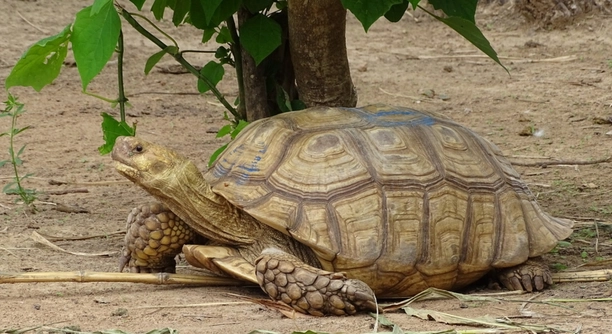
Sulcata tortoises are known for their friendly, slow-moving nature. However, if you’ve noticed your tortoise often trying to flip over, you might be wondering what’s causing this behavior. Understanding the reason behind this is important for their well-being.
The main reason your Sulcata tortoise tries to flip over is often due to instinctual behavior or an issue with their environment. Tortoises may attempt to flip when exploring, feeling stressed, or when they are placed on a slippery surface.
There are various factors contributing to this behavior. By addressing these factors, you can help prevent your tortoise from flipping over and ensure they stay healthy and safe.
Why Do Sulcata Tortoises Flip Over?
Sulcata tortoises are naturally curious creatures. When they explore, they tend to flip over as part of their movement. This isn’t always dangerous, but it can become problematic if they are stuck for too long. The main reason for flipping is simply their exploratory behavior. Tortoises use their legs to push against objects as they move, which can sometimes cause them to accidentally flip. If they’re in an environment that isn’t conducive to movement, like a slippery surface or a small area, it can increase their chances of flipping.
Sometimes, stress can also play a role in this behavior. If your tortoise feels anxious or threatened, it may act out by trying to flip over as a way to avoid a perceived danger. It’s essential to assess your tortoise’s living conditions and look for signs of stress, such as excessive hiding or changes in eating habits.
Ensuring your tortoise has enough space to move around freely and safely is crucial. A well-sized enclosure with non-slippery surfaces can help reduce the chances of flipping. If your tortoise is in a more open space, make sure the environment is clear of obstacles that could cause it to flip while exploring. Providing your tortoise with a calm, stress-free environment will also help keep it healthy and comfortable.
How to Stop Your Tortoise from Flipping
If your Sulcata tortoise constantly tries to flip, it’s important to address both their physical and emotional needs. Begin by creating a safe and secure habitat for them. Ensure that their enclosure is spacious enough to allow for natural movement. A small, confined space increases the likelihood of flipping accidents. Avoid slippery surfaces like smooth tiles or plastic, and instead, use materials like gravel, sand, or rubber flooring that will give them more traction.
Additionally, examine your tortoise’s environment for any items that could potentially cause them to flip. Tall decorations, rocks, or unsteady objects may pose a danger. Reorganize the enclosure to remove these obstacles. When setting up the enclosure, remember that Sulcata tortoises need both heat and humidity to stay healthy. Ensure that the temperature and humidity levels are optimal, as sudden changes can lead to stress.
Lastly, spend time observing your tortoise’s behavior. If they seem nervous or overly active, this could be a sign of stress. Offering a more predictable routine and reducing sudden changes in their environment can help your tortoise feel at ease. If your tortoise continues to try flipping despite all efforts, consult a vet for further advice.
Tortoise Flipping Caused by Stress
Stress is a significant factor when it comes to tortoises flipping over. If your Sulcata tortoise is under stress, it may behave erratically, including attempting to flip. This stress can come from many sources, like loud noises, sudden changes in the environment, or even overcrowding.
Providing your tortoise with a stable and calm environment is essential for reducing stress. This includes ensuring they have a quiet place where they can hide if needed and adjusting their surroundings to reduce sudden changes. Regularly interacting with your tortoise and observing its behavior can help identify if stress is a factor.
In some cases, stress might be linked to environmental factors, such as temperature fluctuations. Sulcata tortoises are very sensitive to changes in their habitat, so maintaining consistent heat and humidity is essential. Regularly check their enclosure to make sure it’s neither too hot nor too cold, and adjust the lighting to avoid stress caused by improper lighting.
Proper Diet to Prevent Flipping
The right diet is crucial to your Sulcata tortoise’s overall health, including helping prevent flipping. When tortoises are not receiving the correct nutrients, they may become weak and disoriented, leading to behavior like flipping. A well-balanced diet of high-fiber foods like grasses, hay, and leafy greens is essential.
Avoid offering too many fruits or high-protein foods, as these can cause digestive issues. Sulcatas have specific dietary needs, and feeding them the wrong foods can lead to weight gain or other health problems. Providing them with plenty of fresh, leafy greens is crucial for their digestion and overall well-being.
In addition to food, ensure that your tortoise has access to clean, fresh water at all times. A dehydrated tortoise may show signs of weakness or stress, contributing to their tendency to flip over. Monitoring your tortoise’s eating habits and hydration levels can significantly reduce stress and improve their behavior.
Inadequate Space for Movement
If your Sulcata tortoise doesn’t have enough room to roam, it might try to flip over while searching for space. Limited movement can lead to frustration and unintentional flipping accidents. Tortoises need large areas to explore freely and safely.
Ensuring your tortoise has an adequate enclosure can prevent such issues. Provide them with a spacious environment that allows for natural movement. This will reduce stress and keep them from feeling trapped, lowering the chances of flipping.
Improper Surface Conditions
Smooth and slippery surfaces can make it difficult for your Sulcata tortoise to keep its balance. If the ground isn’t rough enough, your tortoise might struggle to gain traction, causing it to flip over during movement.
Using textured surfaces like gravel or sand in their habitat is essential. These materials offer more stability and prevent the tortoise from slipping, reducing accidental flips.
Health Issues and Flipping
Sometimes, flipping can result from underlying health problems. If your Sulcata tortoise is sick or injured, it may be weaker or more prone to flipping. Health issues can affect its strength and balance, making it more vulnerable.
If you suspect a health problem, it’s crucial to seek veterinary advice. Regular check-ups and prompt attention to signs of illness can help prevent such issues from worsening.
FAQ
Why does my Sulcata tortoise keep flipping over?
Flipping is often due to a combination of curiosity and environmental factors. Sulcata tortoises are naturally curious, and their attempts to explore can sometimes lead them to flip over. They may flip while pushing against objects or navigating a tight space. If their enclosure is small, crowded, or has slippery surfaces, the chances of flipping increase. Additionally, stress can contribute to erratic movements, causing the tortoise to flip in response to feeling threatened or anxious.
How can I stop my Sulcata tortoise from flipping over?
The best way to prevent flipping is by creating a safe and spacious environment. Ensure your tortoise has enough room to move freely without obstacles that could cause flipping. Avoid smooth, slippery surfaces in their habitat and opt for textured materials like sand or gravel to provide better traction. Regularly observe your tortoise for signs of stress, and provide hiding spots and consistent routines to make them feel secure. Keeping the environment stable in terms of temperature and humidity will also help reduce stress and prevent flipping.
Is it dangerous if my Sulcata tortoise flips over?
While occasional flipping is usually harmless, it can become dangerous if the tortoise is unable to right itself. If they remain upside down for an extended period, it can cause stress, dehydration, or even injury. This is why it’s important to monitor their environment and make adjustments to prevent flipping. Additionally, if your tortoise seems lethargic or weak after flipping, it could be a sign of an underlying health issue that needs to be addressed.
Can a tortoise flip over on purpose?
Tortoises do not flip over intentionally. Their actions are usually a result of instinctual behaviors, such as exploring or pushing against objects, that can lead to flipping. However, if a tortoise is repeatedly flipping and seems to be seeking a particular area or outcome, it might be due to stress or discomfort in their environment. If flipping becomes a constant behavior, it’s essential to assess their habitat and overall well-being.
Should I intervene if my Sulcata tortoise is flipped over?
Yes, it’s important to intervene if your tortoise is flipped over. If left upside down for too long, it can lead to physical stress, dehydration, or injury. Gently place the tortoise back on its feet as soon as you notice it is flipped. Keep a close eye on them to ensure they are not struggling to move and do not appear weak or injured after being flipped.
What kind of environment is best for a Sulcata tortoise?
Sulcata tortoises need a spacious and safe environment to thrive. A large outdoor enclosure with enough room to move around is ideal. The habitat should include a mix of natural textures like sand, dirt, and rocks for traction. Providing hiding spots and shaded areas is essential to keep your tortoise comfortable and stress-free. Additionally, maintaining the correct temperature and humidity levels is crucial to their well-being.
How do I know if my Sulcata tortoise is stressed?
Stress in tortoises can be seen in various ways. If your tortoise is pacing, attempting to escape, hiding frequently, or not eating properly, it may be experiencing stress. Other signs include excessive scratching at the walls of its enclosure or changes in behavior. Stress can be caused by environmental factors such as temperature changes, lack of space, or disturbances in their daily routine. Identifying these signs early can help address the issue before it leads to more significant problems, such as flipping.
Can health problems make my Sulcata tortoise more prone to flipping?
Yes, health problems can make a Sulcata tortoise more susceptible to flipping. Conditions like metabolic bone disease, dehydration, or an injury can weaken their strength and coordination, increasing the risk of accidental flipping. If your tortoise is flipping more frequently or seems to be having difficulty getting up, it’s important to consult with a veterinarian to rule out any underlying health issues.
How can I help my Sulcata tortoise stay hydrated?
Hydration is crucial for your Sulcata tortoise’s health. Ensure they have access to fresh, clean water at all times. A shallow water dish that they can easily access is ideal. Some tortoises may not drink from a bowl, so you can also mist their enclosure or soak them in shallow, lukewarm water for 10-15 minutes a few times a week to encourage hydration. Proper hydration can also help prevent health issues and reduce stress.
What kind of food should I give my Sulcata tortoise?
Sulcata tortoises are herbivores and require a diet rich in fiber. The majority of their food should consist of grasses, hay, and leafy greens like dandelion greens, collard greens, and kale. Avoid high-protein foods, such as meat, as this can cause health issues. Fruits should be given sparingly, as they are high in sugar and can lead to digestive problems. A well-balanced diet will support your tortoise’s overall health, strength, and behavior.
Can temperature affect my Sulcata tortoise’s behavior?
Yes, temperature can significantly affect your Sulcata tortoise’s behavior. They are cold-blooded, so their activity level and overall well-being depend on the temperature of their environment. If it’s too cold, they may become lethargic and have difficulty moving. If it’s too hot, they may become stressed or dehydrated. Maintaining a consistent temperature range between 85°F and 95°F during the day, with a cooler area for nighttime, is essential for their comfort and health.
Should I check my Sulcata tortoise regularly for signs of injury?
Yes, regular checks for signs of injury are essential for your Sulcata tortoise. Injuries can occur when they are flipped or if they come into contact with sharp objects in their enclosure. Look for signs of swelling, bruising, or limping. If your tortoise seems weak or refuses to eat, it’s important to seek veterinary attention. Catching injuries early can prevent long-term complications and ensure a speedy recovery.
Final Thoughts
If your Sulcata tortoise is frequently flipping over, it’s essential to take a closer look at their environment and health. Flipping can happen for various reasons, including instinctual behavior, stress, or a lack of space. It’s common for tortoises to flip over while exploring or pushing against objects in their path. However, if this becomes a frequent issue, it’s a sign that their habitat may need adjustment. Ensuring they have a spacious and safe area to move around is crucial for preventing flips and allowing your tortoise to thrive.
The surfaces in your tortoise’s enclosure play an important role in whether they flip. If the surface is too slippery, like smooth tiles or plastic, it can be hard for your tortoise to get a good grip, which may lead to flipping accidents. Using materials like gravel, sand, or rubber can provide the traction they need to stay steady on their feet. Providing plenty of room for your tortoise to roam and avoid feeling trapped is also key to their overall well-being. A calm, stable environment with controlled temperature and humidity will help reduce stress and decrease the chances of your tortoise flipping over.
If you’ve taken the right steps and your tortoise continues to flip, it’s important to monitor their health. Flipping could be a sign of underlying health issues like weakness, dehydration, or injury. A weakened tortoise may have trouble righting itself if flipped over, so keeping an eye on their behavior, eating habits, and activity levels is necessary. If you suspect your tortoise may have health problems, consulting a veterinarian is always a good idea. With the right care and environment, your Sulcata tortoise can stay healthy and avoid unnecessary flipping.

Hello,
If you enjoy the content that we create, please consider saying a "Thank You!" by leaving a tip.
Every little bit helps us continue crafting quality advice that supports the health, happiness, and well-being of pets around the world, for pets of all shapes, sizes, and species.
We really appreciate the kindness and support that you show us!