
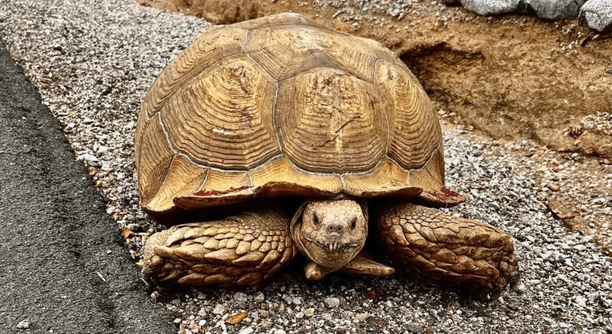
Your sulcata tortoise may be spending more time in its hide than you’d like. It’s important to understand why this behavior occurs and how to address it.
A sulcata tortoise may remain in its hide for various reasons such as stress, improper temperature, or environmental changes. It’s essential to assess the habitat and health to ensure the tortoise feels secure and comfortable in its surroundings.
Understanding the possible causes of your tortoise’s behavior will help you create a better environment for them. Keep reading to discover how to make the necessary changes.
Stress and Anxiety
One of the main reasons your sulcata tortoise may stay in its hide is due to stress or anxiety. Changes in its environment, such as loud noises or unfamiliar people, can cause a lot of discomfort. Tortoises are creatures of habit and often seek hiding spots when they feel threatened or overwhelmed. Even a new pet or changes in lighting can be enough to make them retreat. It’s also important to check if the tank has any signs of stress, such as excess waste or a lack of food and water. When your tortoise feels stressed, it will likely remain in its hide to feel safer.
A stressed tortoise may not eat or interact as it normally would.
If you’ve recently changed the layout of their habitat or added new elements, it might take your tortoise some time to adjust. Be patient and avoid forcing it out. Creating a quiet and stable environment can help reduce anxiety. Keeping the surroundings consistent can make your tortoise feel more comfortable and secure.
Temperature and Humidity Issues
Improper temperature and humidity levels can keep your sulcata tortoise in its hide. Tortoises are cold-blooded, so they need a warm and regulated environment to stay active. If the temperature in their habitat is too low, they may retreat to their hide to preserve energy. Similarly, if it’s too hot, they may stay hidden to avoid overheating. The humidity level also plays a role in their comfort. Too much moisture or too little can cause discomfort, making them seek shelter.
Check if the heating lamps are working and if there are any drafts or moisture issues. Adjusting the temperature and humidity in the enclosure can help bring your tortoise back into the open. Providing a comfortable basking area and ensuring a steady, warm temperature will make your sulcata feel more at ease.
Illness or Injury
A tortoise that’s feeling unwell or injured might spend more time hiding. Illness can make them feel weak, so they retreat to a safe, quiet spot. If your sulcata tortoise has stopped eating, is acting sluggish, or seems lethargic, it might be dealing with a health issue.
Check for signs of illness such as swelling, discharge from the eyes or nose, or abnormal behavior. Injuries may not always be obvious, so observe their movements. A tortoise with a painful injury may hide to avoid further stress. If you notice any unusual signs, it’s crucial to consult with a vet right away.
A vet’s examination can help identify any health problems your tortoise may have. The vet might recommend changes to the habitat, such as temperature or lighting adjustments, to help your tortoise recover. Be sure to monitor your tortoise’s eating habits and behavior closely to spot any signs of improvement or worsening conditions.
Overcrowded Habitat
An overcrowded enclosure can make your sulcata tortoise feel stressed and uncomfortable, causing it to hide more. If there are too many decorations, other animals, or not enough space, your tortoise may retreat to avoid feeling cramped or threatened.
Space is essential for sulcata tortoises, as they need room to move around and explore. Too many objects or companions can make them feel trapped. Make sure there is enough open space in their habitat for them to roam and bask without feeling crowded.
Ensure that the enclosure is large enough for your tortoise’s size. If possible, reduce the number of objects or pets in the area. Offering plenty of space to wander and bask can help your tortoise feel more secure and less likely to hide.
Lighting and UVB Issues
Proper lighting, especially UVB light, is essential for your sulcata tortoise’s health. Without the right amount of UVB exposure, your tortoise might feel sluggish and retreat to its hide. Tortoises use UVB light to help process calcium and maintain a healthy shell.
Without the proper lighting, your tortoise may avoid coming out of hiding. Ensure that your sulcata has access to a good UVB bulb that mimics natural sunlight. A consistent light schedule is also important to simulate day and night cycles. Replace bulbs as recommended to ensure your tortoise gets the right amount of exposure.
Inadequate Diet
If your sulcata tortoise is not getting enough nutrition, it may become lethargic and spend more time hidden away. A poor diet can affect its energy levels and make it feel unwell.
Feed your tortoise a varied and balanced diet that includes plenty of grasses, weeds, and high-fiber vegetables. Avoid overfeeding or providing food that is too rich in protein, as this can lead to digestive issues and discomfort. A proper diet will help your tortoise maintain good health and encourage more active behavior.
FAQ
Why is my sulcata tortoise always hiding?
Your sulcata tortoise may hide due to stress, illness, or environmental factors like temperature and lighting. If your tortoise feels threatened, uncomfortable, or unwell, it might retreat to a safe, hidden spot. Ensuring proper habitat conditions—such as the right temperature, humidity, and UVB light—can help make it feel secure. If the behavior persists, it’s important to check for signs of illness or injury.
How can I tell if my sulcata tortoise is stressed?
Stressed tortoises often exhibit signs like excessive hiding, loss of appetite, and lethargy. They might also be less active than usual or display defensive behaviors. Changes in their environment, such as loud noises or unfamiliar pets, can cause stress. Ensuring a stable, quiet habitat with consistent routines can reduce stress.
What should I do if my tortoise is not eating?
A loss of appetite can signal stress, illness, or an unsuitable environment. Start by checking the habitat’s temperature and humidity to make sure it’s within the right range. If your tortoise continues to refuse food, inspect it for signs of illness or injury. If these symptoms persist, consult a vet.
How much space does my sulcata tortoise need?
Sulcata tortoises need plenty of space to roam and explore. In captivity, aim for at least 100 square feet of space for a single adult tortoise. The more space, the better, as these tortoises are naturally inclined to roam long distances. A larger enclosure will make your tortoise feel more at ease and less likely to hide.
Can a sulcata tortoise live with other animals?
While it’s possible to house a sulcata tortoise with other animals, it’s important to consider their temperament. Sulcatas are generally solitary creatures and can become stressed if housed with other pets. Make sure there’s enough space, and be cautious when introducing new animals to the enclosure to avoid territorial behavior.
How can I tell if my sulcata tortoise is sick?
If your tortoise is hiding more than usual, has a lack of appetite, or appears lethargic, it could be sick. Other signs include swollen eyes, runny nose, labored breathing, or abnormal shell appearance. Regularly monitor its behavior, and if you notice any of these symptoms, schedule a vet appointment as soon as possible.
What type of diet should I feed my sulcata tortoise?
Sulcata tortoises are herbivores and should have a diet rich in grasses, weeds, and leafy greens. They need a high-fiber, low-protein diet to maintain a healthy digestive system. Avoid feeding them high-calcium or sugary foods, as these can lead to health issues. Providing variety in their diet can also help prevent boredom and encourage eating.
How do I keep my tortoise’s habitat warm enough?
Sulcata tortoises need a warm environment, with a basking area between 95°F and 100°F. You can achieve this by using a heat lamp or ceramic heater. Make sure the rest of the enclosure has a cooler area for the tortoise to retreat to. Use a thermometer to monitor the temperature and ensure consistency.
Why is my tortoise not basking?
If your tortoise is not basking, it could be due to improper temperatures or a lack of sufficient UVB lighting. Ensure that your tortoise has access to the right temperature range and a UVB bulb to help it process calcium. A tortoise may also avoid basking if it’s stressed, ill, or not feeling comfortable in its environment.
Should I handle my sulcata tortoise often?
While it’s okay to handle your sulcata tortoise occasionally, excessive handling can cause stress. Tortoises prefer a calm environment and may retreat if they feel disturbed too often. Allow your tortoise to approach you on its own terms, and avoid picking it up unnecessarily. Handling should be done gently and sparingly.
How do I provide the right lighting for my tortoise?
Sulcata tortoises need both heat and UVB light to stay healthy. Use a UVB bulb specifically designed for reptiles, and make sure it covers a large area in their enclosure. Replace bulbs regularly, as their UVB output diminishes over time. Provide a heat lamp for basking and ensure the temperature stays consistent throughout the day.
Can I give my sulcata tortoise water in a dish?
Yes, you can provide water in a shallow dish, but be sure the water is clean and accessible. Some tortoises might prefer drinking from puddles or shallow pools, so make sure the dish is wide enough for your tortoise to step into. Always change the water regularly to keep it fresh and free of bacteria.
What should I do if my tortoise is not moving much?
If your tortoise is not moving much, check its environment. The temperature may be too low or too high, or there may be other factors causing it to retreat. Illness, injury, or stress can also cause sluggishness. Make sure the habitat is optimal and seek veterinary advice if the behavior continues.
Is it okay for my sulcata tortoise to hibernate?
Sulcata tortoises do not hibernate in the traditional sense like some other species, but they may enter a state of brumation if temperatures drop too low. During this time, they become less active. It’s important to keep their environment warm enough to prevent this from happening. If they seem overly lethargic or inactive for extended periods, check for health concerns.
Final Thoughts
If your sulcata tortoise spends a lot of time in its hide, it’s important to look at the bigger picture. Tortoises can hide for many reasons, including stress, improper environment, or health problems. It’s essential to check all aspects of their habitat to ensure everything is in balance. Temperature, humidity, and proper lighting play a huge role in how comfortable your tortoise feels. If these factors are not right, your tortoise might hide more often to avoid discomfort. Creating a stable and quiet environment can help your tortoise feel safe and reduce the amount of time it spends hiding.
Paying attention to your tortoise’s behavior can tell you a lot about how it’s feeling. If it is hiding a lot, it could be reacting to stress, an illness, or environmental issues. A sudden change in behavior, like excessive hiding or lack of eating, often signals that something isn’t right. In such cases, it’s helpful to assess what might have changed in its habitat. Also, remember that tortoises are naturally solitary creatures and might choose to hide occasionally just because they feel like it. But if the behavior seems out of the ordinary or lasts for a long time, it’s time to investigate further.
Taking steps to ensure your sulcata tortoise has a healthy and comfortable environment will help it feel more secure. This means providing a large, clean habitat with appropriate heat, UVB lighting, and plenty of space to roam. A balanced diet is also key in maintaining good health and activity levels. If problems persist or you are unsure, seeking advice from a vet is always a good idea. By making small adjustments to its routine or environment, you can help your tortoise feel at ease and enjoy a more active, happier life.

Hello,
If you enjoy the content that we create, please consider saying a "Thank You!" by leaving a tip.
Every little bit helps us continue crafting quality advice that supports the health, happiness, and well-being of pets around the world, for pets of all shapes, sizes, and species.
We really appreciate the kindness and support that you show us!