
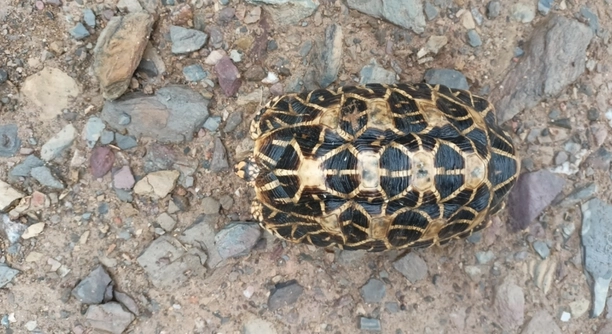
Your star tortoise may be scratching its head more than usual, and this can raise concerns for any pet owner. Understanding the reasons behind this behavior is key to keeping your tortoise healthy and happy.
The head scratching in star tortoises is often caused by various factors, including skin irritation, parasites, or even behavioral stress. It is important to identify the underlying cause to ensure proper care and treatment.
There are several possible reasons for your tortoise’s scratching, ranging from simple irritations to more serious health issues. Keep reading to find out what could be causing this behavior and how to address it.
Common Causes of Head Scratching in Star Tortoises
Star tortoises often scratch their heads due to common issues like skin irritation, environmental stress, or parasites. One frequent cause is dry or irritated skin, which can make them feel uncomfortable. The enclosure’s humidity and temperature levels play a major role in maintaining healthy skin. If the environment is too dry, your tortoise might scratch its head to try and relieve the itch.
A poorly maintained enclosure could also lead to stress. When they feel overwhelmed or uncertain about their surroundings, they may scratch as a coping mechanism. Keep in mind that head scratching is a signal that something is off, and you should examine both the environment and your pet’s health closely.
Another reason for excessive head scratching is the presence of parasites such as mites or ticks. These pests can cause discomfort and itching. If you suspect a parasite issue, it’s important to check for visible signs, such as scabs or flaky patches on the skin. Taking action quickly is key to preventing further harm to your tortoise.
Dry Skin and Dehydration
Dry skin and dehydration are common issues with star tortoises.
The humidity in the tortoise’s habitat is crucial for its overall health, especially when it comes to preventing dry skin. Star tortoises come from regions with higher humidity, so when placed in an environment that’s too dry, they can become irritated. Additionally, dehydration can also worsen the issue, making it harder for your tortoise to maintain moisture.
To prevent this, make sure the humidity levels in your tortoise’s habitat stay consistent and within the recommended range. You can use a hygrometer to monitor the humidity, and ensure your tortoise has access to fresh water at all times. Regular misting can help improve the moisture levels in the enclosure and relieve the skin irritation that causes scratching.
Stress and Anxiety
Stress and anxiety can also lead to excessive head scratching in star tortoises.
Tortoises, like many animals, can get stressed due to various factors, such as loud noises, unfamiliar environments, or even overcrowding with other pets. If you notice your tortoise scratching its head and displaying other signs of distress, such as withdrawing or avoiding food, it could be experiencing anxiety.
Environmental stressors can disrupt your tortoise’s sense of security. Providing a quiet, calm space and avoiding constant handling can help reduce stress levels. Additionally, giving your pet enough space to roam and explore is essential to keep it comfortable. Keeping their routine stable and avoiding sudden changes can also minimize anxiety.
Skin Infections
Skin infections can occur if your star tortoise scratches too much.
When a tortoise scratches excessively, it may break the skin, leading to an infection. Bacteria can enter through these small wounds, causing irritation, swelling, or even pus. If you notice redness, swelling, or discharge around the scratched area, it’s important to act quickly.
To prevent infections, make sure your tortoise’s living area is clean and free of any debris or harmful substances. If you suspect an infection, consult a vet for proper treatment. Keeping the enclosure temperature and humidity levels regulated also helps maintain the tortoise’s overall health, making infections less likely.
Parasites and Mites
Parasites like mites are another reason your star tortoise might be scratching.
Mites can be hard to detect, but if your tortoise is constantly scratching its head or other areas, this might be a sign of a mite infestation. Mites feed on the tortoise’s skin, causing itching and discomfort. In severe cases, the infestation can lead to scabs or hair loss.
If you see scabs or signs of irritation around your tortoise’s head or body, check for small, moving creatures. Mites are usually tiny and hard to spot with the naked eye. If you find any, it’s crucial to treat the tortoise with a mite-specific medication as recommended by a vet. Regular cleaning of the habitat will also reduce the risk of parasite re-infestation.
Poor Diet
A poor diet can lead to health issues that cause head scratching.
If your star tortoise isn’t getting the right balance of nutrients, it might scratch its head due to discomfort. A diet lacking in vitamins or minerals can lead to skin problems or irritability. Make sure to provide a variety of fresh greens and occasional supplements.
A proper diet is crucial for maintaining your tortoise’s skin health and overall well-being. Consider feeding your star tortoise dark leafy greens, like dandelion greens or collard greens, and avoid too many high-oxalate vegetables like spinach. Over time, a balanced diet will help your tortoise stay healthy and comfortable.
Inadequate Lighting
Inadequate lighting is another issue that can cause scratching.
Star tortoises need both UVB and UVA lighting to thrive. Without proper lighting, they can develop skin and shell problems, leading to irritation. Make sure your tortoise has access to both natural sunlight and a UVB light source in its enclosure to keep its health in check.
FAQ
Why is my star tortoise scratching its head so much?
Head scratching in star tortoises is usually due to skin irritation, parasites, or environmental factors like humidity or temperature. Dry skin and dehydration are common causes, but it could also be stress, an infection, or even a reaction to inadequate lighting. Identifying the root cause requires checking the environment and looking for signs of skin issues or pests.
How can I tell if my star tortoise has mites?
Mites are tiny, making them hard to see. If your tortoise is scratching frequently, especially around its head and neck, and you notice scabs or hair loss, it could be a sign of mites. Check for small, moving dots on the skin, which may indicate a mite infestation. A veterinarian can confirm the presence of mites and recommend treatment.
Can dehydration cause head scratching in star tortoises?
Yes, dehydration can cause skin dryness and irritation, leading to excessive scratching. A lack of proper hydration affects your tortoise’s skin and overall health. Ensure your tortoise has access to fresh water at all times, and keep the humidity levels in its enclosure stable to prevent dehydration-related scratching.
How do I fix dry skin in my star tortoise?
To fix dry skin, adjust the humidity and temperature in your tortoise’s habitat. You can increase humidity by misting the enclosure or using a humidity control system. Offering a shallow water dish for soaking can also help. If the dry skin persists, a vet might recommend a topical treatment.
Is it okay if my star tortoise scratches its head occasionally?
Occasional scratching is normal, but if it becomes excessive or frequent, it could be a sign of an underlying issue. Monitor your tortoise for other symptoms such as swelling, loss of appetite, or changes in behavior. If the scratching doesn’t stop or worsens, it’s a good idea to consult a vet.
What temperature and humidity levels should my star tortoise’s habitat have?
Star tortoises require a warm environment with a temperature range of 80-90°F (27-32°C) during the day and a cooler area around 70°F (21°C) at night. Humidity should be maintained between 50-70% to keep their skin hydrated. Regularly check the habitat with a thermometer and hygrometer to ensure these levels are met.
Could stress cause my star tortoise to scratch its head?
Yes, stress can lead to behaviors like head scratching. Star tortoises are sensitive to changes in their environment, loud noises, or overcrowding. If your tortoise seems anxious or skittish, it may scratch as a way to cope. Ensure the habitat is calm, quiet, and stable to minimize stress.
What should I do if my star tortoise has an infection?
If you suspect an infection, especially after excessive scratching, take your star tortoise to a vet. Infections can cause redness, swelling, and discharge, and a professional can recommend the right treatment. Be sure to clean the enclosure regularly to prevent further contamination.
Can poor lighting cause head scratching in my star tortoise?
Yes, inadequate lighting can lead to skin problems, causing your star tortoise to scratch its head. Star tortoises need UVB and UVA light to help them metabolize calcium and maintain healthy skin. Without proper lighting, they may become stressed or develop skin issues, leading to excessive scratching.
How often should I check my star tortoise for parasites?
It’s a good idea to check your star tortoise for parasites regularly. Inspect its skin, especially around the head and neck, for signs of irritation or pests. If you notice unusual scratching, skin lesions, or scabs, it’s important to act quickly. A vet can perform a thorough examination and recommend treatment if needed.
Can I treat my star tortoise’s itching at home?
Minor skin irritation can often be managed at home by adjusting the enclosure’s humidity and temperature or providing a soaking area with fresh water. However, if the itching persists or there are signs of infection or parasites, it’s best to consult a veterinarian for professional treatment.
Should I separate my star tortoise if it’s scratching a lot?
If the scratching seems to be caused by stress or injury, it might be a good idea to separate your tortoise from any potential sources of stress, like other pets. Make sure to provide a quiet, comfortable space to help it recover. If the issue is caused by parasites or infection, separation may help prevent spreading.
How can I prevent my star tortoise from scratching in the future?
Preventing excessive scratching starts with maintaining a healthy habitat. Ensure proper humidity, temperature, and lighting, and provide a balanced diet. Regularly clean the enclosure to avoid the buildup of bacteria or parasites. Monitor your tortoise’s health and behavior to catch any potential problems early on.
Final Thoughts
Star tortoises are relatively low-maintenance pets, but it’s important to pay attention to their behavior, especially when they start scratching their heads excessively. Head scratching can be a sign of various issues, from environmental factors like humidity and temperature to health concerns such as parasites or infections. By keeping an eye on their habitat conditions and overall well-being, you can usually identify the cause and address it before it becomes a serious problem. Regular monitoring and adjustments to the environment are key to keeping your star tortoise comfortable and healthy.
When you notice your tortoise scratching more than usual, it’s important not to ignore it. Sometimes, simple issues like dry skin or dehydration can cause irritation, and making small changes to the humidity or hydration can quickly solve the problem. However, if the scratching persists or if you notice other symptoms like scabs, swelling, or behavioral changes, it may be a sign of something more serious, such as parasites or a skin infection. In these cases, it’s best to consult a veterinarian who specializes in reptiles to get a proper diagnosis and treatment plan.
Taking good care of your star tortoise involves providing a well-balanced diet, proper lighting, and a clean, stress-free environment. Keeping the enclosure at the right temperature and humidity levels, along with ensuring access to fresh water, can go a long way in preventing issues like scratching. In the end, understanding the causes behind your tortoise’s behavior and acting quickly can help ensure it remains happy and healthy for years to come. Regular checks on your pet’s health and habitat can make all the difference in preventing unnecessary stress or discomfort.

Hello,
If you enjoy the content that we create, please consider saying a "Thank You!" by leaving a tip.
Every little bit helps us continue crafting quality advice that supports the health, happiness, and well-being of pets around the world, for pets of all shapes, sizes, and species.
We really appreciate the kindness and support that you show us!