
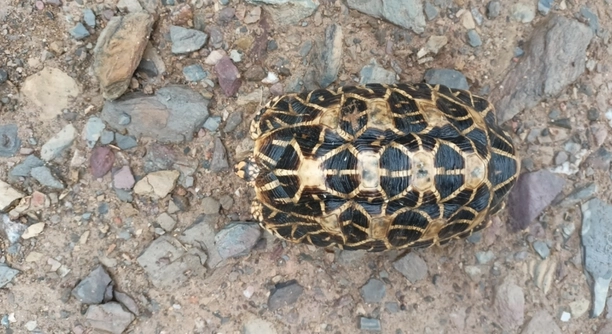
Ensuring a warm and comfortable environment for your star tortoise is essential for their well-being. Temperature regulation is especially important for their activity, digestion, and overall health. This guide will explore the best heating solutions for their outdoor habitats.
To maintain the proper temperature for your outdoor star tortoise habitat, consider using heating lamps, heat mats, or ceramic heat emitters. Each solution offers consistent warmth, ensuring your tortoise stays comfortable in fluctuating outdoor temperatures, promoting a healthy lifestyle.
The right heating solution can significantly enhance the health and comfort of your star tortoise. Keep reading to discover the best options available to ensure your tortoise thrives in its outdoor home.
Heat Lamps for Tortoise Habitats
Heat lamps are one of the most popular heating solutions for outdoor tortoise habitats. They provide a reliable heat source that mimics sunlight, which is crucial for star tortoises, as they need warmth to stay active. These lamps come in various wattages, allowing you to adjust the temperature based on your tortoise’s needs. Heat lamps should be placed in an area that gives your tortoise a warm spot and a cooler spot to move between, ensuring they can regulate their body temperature.
Heat lamps are easy to install and provide quick warmth. They also help with the UVB exposure that star tortoises need for healthy shell growth. It’s important to monitor the temperature regularly, as too much heat can cause stress to your tortoise, while too little can result in lethargy and poor digestion.
A heat lamp is an affordable option that can be adjusted as your tortoise grows. They are especially useful in colder climates where temperatures fluctuate. Always ensure that the lamp is securely placed to avoid accidents, and never place it too close to your tortoise’s basking area.
Ceramic Heat Emitters
Ceramic heat emitters are another great choice for heating your tortoise habitat. Unlike heat lamps, they don’t emit light, which makes them perfect for maintaining warmth without disrupting your tortoise’s day-night cycle. These emitters provide consistent heat, which is gentle on your tortoise and ensures it stays comfortable throughout the night.
Ceramic heat emitters come in different wattages and sizes, making it easy to find one suitable for your habitat’s size. They are long-lasting and energy-efficient, which helps save on electricity costs over time. Just like heat lamps, it’s essential to place the emitter in a location where your tortoise can access the heat but also find cooler areas for temperature regulation.
Heat Mats
Heat mats are a great option for providing gentle, even warmth to the floor of your tortoise’s habitat. They are particularly useful when placed under the substrate, offering a consistent temperature. The warmth from heat mats helps with digestion and overall health.
Heat mats work well in larger enclosures where heat distribution can be tricky. They are designed to provide a constant, low level of heat that encourages natural behavior, like basking or burrowing. It’s important to select a heat mat with adjustable settings to prevent overheating, especially during warmer months.
Ensure the mat is placed under a non-porous surface to keep the heat contained. Also, monitor the temperature carefully, as it’s easy to overlook heat buildup under thick bedding. With proper setup and monitoring, heat mats provide a low-maintenance, effective heating solution for your star tortoise’s habitat.
Solar Panels
Solar panels can be a cost-effective way to keep your star tortoise habitat warm, especially if you live in a sunny area. They harness solar energy and convert it into heat, making them an eco-friendly choice.
Solar panels are ideal for outdoor enclosures where sunlight is abundant. By using solar power, you can reduce electricity bills while providing your tortoise with consistent warmth throughout the day. These panels can be connected to heaters or heat lamps to maintain the right temperature. Installation requires some upfront cost and effort, but in the long run, they provide a sustainable solution.
If you choose to use solar panels, ensure they are properly installed to receive maximum sunlight exposure. It’s also essential to invest in a quality battery system that stores energy for nighttime heating. Proper maintenance of the panels and batteries will keep your tortoise’s environment warm year-round.
Under-Tank Heaters
Under-tank heaters are another way to provide warmth for your star tortoise. These heaters sit under the enclosure, warming the substrate and creating a comfortable environment. They are easy to install and work well in smaller habitats.
They provide even heat distribution across the entire bottom of the tank, preventing cold spots. Under-tank heaters are perfect for maintaining a stable temperature without causing sudden temperature spikes. Make sure the tank’s material is compatible with the heater to avoid damage or inefficiency. Regularly check to ensure the heat is distributed evenly.
Basking Lamps
Basking lamps are essential for providing a warm spot in your star tortoise’s habitat. They create a focused heat source for basking, allowing your tortoise to regulate its body temperature easily. These lamps mimic natural sunlight, providing both heat and UVB light.
The basking area should be positioned where your tortoise can move in and out of the heat. These lamps should be placed high enough to avoid direct contact with your tortoise while still offering a suitable temperature for basking. Keep the basking area at the correct temperature, and always use a thermometer to monitor it.
Infrared Heat Bulbs
Infrared heat bulbs are another heating option for tortoises. These bulbs provide warmth through infrared radiation, which heats objects rather than the air around them. They are ideal for maintaining a stable, gentle heat.
Infrared bulbs are perfect for night-time heating since they don’t produce visible light, ensuring that your tortoise’s natural sleep cycle is not disturbed. They can be used in combination with heat lamps to maintain a consistent temperature throughout the day and night. Just be sure to position the bulbs carefully, as they can get quite hot.
FAQ
How do I know the right temperature for my star tortoise habitat?
The ideal temperature for a star tortoise habitat typically ranges between 75-85°F (24-29°C) during the day, with a basking area reaching 90-95°F (32-35°C). At night, temperatures should drop to around 65-75°F (18-24°C). Use a thermometer to monitor the temperature and ensure your tortoise has access to both warm and cooler areas. This allows them to regulate their body temperature.
Can I use a regular heat lamp for my star tortoise?
While regular heat lamps can work, it’s best to choose a UVB heat lamp specifically designed for reptiles. UVB light is essential for the health of your star tortoise, aiding in calcium absorption and shell growth. Regular heat lamps do not emit UVB light, so they should not be the sole source of heat for your tortoise.
Do I need to provide both heat and UVB light?
Yes, it’s essential to provide both heat and UVB light. Heat helps your tortoise stay active and aids digestion, while UVB light is necessary for calcium metabolism and preventing metabolic bone disease. You can use separate bulbs or a combination bulb that provides both heat and UVB light.
Can I use a space heater in the tortoise enclosure?
A space heater is not ideal for a tortoise enclosure as it can create inconsistent heat and might not be safe for your tortoise. They are often not designed for small, enclosed spaces and can lead to temperature fluctuations. Stick to reptile-specific heating solutions like heat lamps, mats, or ceramic emitters for more controlled and safe heat.
What is the best way to provide nighttime warmth for my star tortoise?
For nighttime warmth, ceramic heat emitters or infrared heat bulbs are ideal. These options provide heat without emitting light, allowing your tortoise to maintain its natural sleep cycle. Never use a regular heat lamp at night, as it can disrupt their sleep patterns and potentially overheat them.
How can I keep my tortoise warm in the winter months?
During colder months, you may need to supplement outdoor heating with additional measures like heat mats, heat lamps, or ceramic emitters. If your tortoise is kept outside, consider building a shelter or insulated enclosure to protect them from extreme cold. Regularly check the temperature to ensure it stays within the safe range for your tortoise.
Can I use an aquarium heater for my star tortoise habitat?
An aquarium heater is not suitable for your star tortoise’s habitat because it is designed to heat water, not air. Tortoises need dry heat, and using an aquarium heater may cause excess humidity, which could lead to respiratory issues or other health problems. Stick with heaters designed for dry environments.
What happens if the temperature is too high for my tortoise?
If the temperature is too high, your tortoise may become stressed, dehydrated, and lethargic. Prolonged exposure to high temperatures can lead to heatstroke, which can be fatal. It’s essential to provide areas of shade and cooler spots in the habitat to allow your tortoise to regulate its body temperature.
How do I maintain a consistent temperature in the habitat?
To maintain a consistent temperature, use thermostats and temperature controllers to regulate your heating devices. It’s also important to place heaters in areas where they won’t be disturbed, ensuring that they function properly. Make sure your habitat is well-insulated to prevent drafts, and regularly check temperatures in different parts of the enclosure.
Should I provide a basking spot with a higher temperature?
Yes, providing a basking spot that is slightly warmer (90-95°F) allows your tortoise to regulate its body temperature and digest food properly. Ensure the basking area is not too hot, as this can cause stress. Always monitor the basking spot’s temperature using a thermometer to prevent overheating.
How long should I run heating devices during the day?
Heating devices should be on for most of the day, typically between 10-12 hours, to simulate natural sunlight hours. This helps your tortoise stay active and healthy. At night, it’s important to lower the temperature to allow them to sleep properly. Some heating devices, like ceramic heat emitters, can be left on overnight for consistent warmth.
Can I use a heat pad for my star tortoise?
Yes, a heat pad can be used, especially under the substrate, to provide consistent warmth. Heat pads are gentle and effective, but you should still monitor the temperature closely. Make sure the pad is not too hot, and consider using a thermostat to regulate the heat output.
How do I keep the humidity levels in the habitat balanced?
Star tortoises prefer a dry environment, so keeping the humidity level low is important. Ensure your heating devices help maintain a dry habitat. If humidity becomes too high, increase ventilation and avoid over-watering the substrate. Always check the humidity levels using a hygrometer to ensure they are within safe ranges for your tortoise.
What type of lighting should I use in the habitat?
In addition to heating, provide UVB light to support your tortoise’s health. A combination UVB and heat bulb is an effective solution, especially for smaller enclosures. Ensure the light is placed at an appropriate height to avoid overheating and that it’s on for 10-12 hours a day, mimicking natural sunlight.
Are there any dangers in using heating equipment for my tortoise?
Yes, there are risks with heating equipment if not used correctly. Overheating can cause stress or even death, while poorly installed devices may pose a fire risk. Always follow the manufacturer’s instructions, regularly check temperatures, and ensure all equipment is in good working order to avoid hazards.
Final Thoughts
Creating the right environment for your star tortoise is essential for their health and well-being. Proper heating is a key factor in making sure they remain active and healthy in an outdoor habitat. Whether you use heat lamps, ceramic heat emitters, or heat mats, it’s important to choose the best heating solution based on your tortoise’s specific needs and the climate in your area. Providing both heat and UVB light ensures that your tortoise gets the warmth it needs for digestion and growth, while also supporting its calcium metabolism for healthy shell development.
Maintaining a consistent temperature is crucial to prevent stress and other health problems. It’s important to monitor the habitat temperature regularly and make adjustments as needed. If you live in a region with fluctuating outdoor temperatures, using a combination of heating methods, such as a heat lamp for the daytime and a ceramic heat emitter for nighttime warmth, can help provide a stable environment. Don’t forget to offer your tortoise a place to cool off if the heat becomes too intense. A temperature gradient allows your tortoise to self-regulate, moving between warmer and cooler spots in the habitat.
Overall, creating a safe and comfortable outdoor habitat for your star tortoise requires attention to detail. Each heating solution has its benefits and should be selected based on your tortoise’s needs and the environment. Always check the temperatures regularly and ensure that all heating devices are used safely. By providing the proper heat, light, and space, you’ll help ensure that your star tortoise stays healthy and happy in its outdoor home.

Hello,
If you enjoy the content that we create, please consider saying a "Thank You!" by leaving a tip.
Every little bit helps us continue crafting quality advice that supports the health, happiness, and well-being of pets around the world, for pets of all shapes, sizes, and species.
We really appreciate the kindness and support that you show us!