
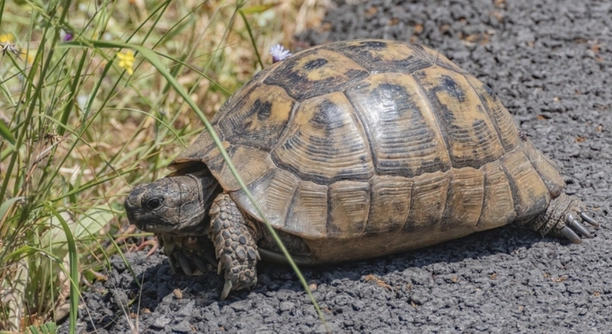
Russian tortoises are popular pets, admired for their friendly nature. However, it can be concerning when your tortoise seems particularly skittish or nervous. Understanding the reasons behind this behavior is important for their well-being and your bond with them.
Skittishness in Russian tortoises is often caused by stress, fear, or unfamiliar environments. Changes in their habitat, handling, or even a lack of proper lighting can contribute to heightened anxiety. Gradual adjustments and consistent care can help alleviate this behavior.
Understanding the causes behind your tortoise’s skittishness can lead to better care. Creating a calm environment, offering proper handling, and observing changes in its behavior can help you make adjustments. This will help your tortoise feel secure and content.
The Causes of Skittishness in Russian Tortoises
One of the main reasons your Russian tortoise might act skittish is due to stress. Tortoises are sensitive creatures, and even small changes in their environment can make them feel uneasy. Moving to a new home, rearranging their habitat, or even a shift in their daily routine can disrupt their sense of security. They thrive on consistency and can become anxious when things are out of the ordinary. For example, loud noises or the presence of unfamiliar people or pets can make them nervous. They are also naturally cautious animals, so any sudden movements or unexpected handling may cause them to retreat into their shells.
Stress is not the only factor, though. Poor lighting, inappropriate temperatures, or a lack of hideaways can also make a tortoise feel unsafe. It’s crucial to create a comfortable space that mimics their natural habitat, offering areas to hide and proper light to help them feel at ease.
When your Russian tortoise seems skittish, it might be because something in its environment isn’t right. This could be anything from the temperature being too cold to not enough space for movement. Even the type of substrate used in their enclosure plays a role. If your tortoise is kept on rough, sharp surfaces or in an enclosure that’s too small, they might feel trapped or uncomfortable. These discomforts can cause your tortoise to act more withdrawn or nervous, retreating to its shell frequently. The more you can mimic their natural habitat and give them room to roam, the better they will feel.
Handling and Interaction
Handling your Russian tortoise too often or roughly can make it more skittish. Tortoises are not naturally inclined to enjoy being picked up or touched. While some may tolerate it, others find it extremely stressful. When you handle them, it’s important to do so gently and infrequently, especially if they are not used to it.
It’s also helpful to keep interactions calm and slow. Quick movements can startle them, making them more nervous. Being patient and letting your tortoise come to you when it feels ready is the best approach to building trust. Over time, with careful handling, your tortoise may begin to associate you with safety instead of stress. The key is to respect their boundaries and avoid forcing them into situations they aren’t comfortable with.
Environmental Factors That Impact Behavior
Environmental changes can lead to your tortoise feeling skittish. They rely on their surroundings to stay calm and comfortable. When the lighting, temperature, or humidity in their habitat fluctuates, it can cause stress. These factors can make them feel insecure and anxious, especially if they are not within their ideal range.
Proper lighting is essential for your Russian tortoise’s well-being. UVB light is crucial for their health, as it helps them absorb calcium and stay active. Without it, they may become lethargic or more nervous. Make sure to use a proper UVB light and place it at the correct distance. Additionally, maintaining the right temperature is vital. Too hot or too cold can make them uncomfortable, causing them to retreat into their shell. A consistent environment will help keep your tortoise from feeling on edge.
Humidity levels also play a role in how comfortable your tortoise feels. If the air is too dry, it can cause dehydration, which may make your tortoise more sensitive or withdrawn. Ensure there’s enough moisture in the air and provide a shallow dish of water for your tortoise to soak in. This helps regulate their temperature and keeps them hydrated. A stable, well-maintained environment goes a long way in reducing stress and making your tortoise feel at home.
Diet and Skittishness
The food you offer can impact how your Russian tortoise behaves. An improper diet may lead to health problems, which can cause your tortoise to become skittish or lethargic. Low-quality or incorrect foods can upset their digestive system, leading to discomfort or anxiety. It’s important to provide a balanced diet that mimics their natural feeding habits.
A proper diet should include a variety of leafy greens, grasses, and some fruits. Overfeeding or offering too much fruit, which is high in sugar, can lead to imbalanced nutrition. This can result in weight gain or other health issues, which may make your tortoise feel sluggish or out of sorts. Stick to offering fresh, appropriate foods daily and avoid processed options. If your tortoise isn’t eating or seems uninterested in food, this may also indicate stress or an environmental problem.
A well-fed tortoise will be more active and less likely to retreat into its shell. If you notice your tortoise becoming more skittish after a change in diet, it’s worth considering whether the food might be contributing to the issue. Make sure to consult a vet if your tortoise is refusing food or showing signs of distress after meals.
Socialization and Interaction
Russian tortoises are naturally shy creatures, and some can be more skittish than others. They need time to adjust to their new environment and people. It’s important not to rush the process, as forcing them into interactions can cause unnecessary stress and anxiety.
Be patient with your tortoise. If it’s new to your home, give it time to explore its surroundings and settle in. Over time, your tortoise will get more comfortable with you, especially if you approach it calmly. Slowly letting it get used to your presence can make a big difference in reducing its skittishness.
Overexposure to Stressful Situations
Repeated exposure to stressful situations can make your tortoise skittish over time. Frequent handling, loud noises, or having too many people or animals around can overwhelm them. These repeated stressors can lead to behavioral changes, including a more nervous or fearful disposition.
To help your tortoise adjust, limit stressful situations. Create a quiet space where it can feel safe, especially if you have a busy household. Gradually introducing your tortoise to new situations can help it become more confident. Being mindful of how often and how intensely your tortoise is exposed to stress will improve its overall demeanor.
Health Problems and Their Effects
Health problems can also cause your Russian tortoise to appear skittish or withdrawn. Illness or injury can make them feel vulnerable, and this can increase their anxiety. If your tortoise is constantly hiding or retreating into its shell, it might be dealing with discomfort.
Common health issues that can affect behavior include respiratory infections, shell problems, or digestive issues. If you notice unusual behavior, it’s important to take your tortoise to the vet for a check-up. An undiagnosed health problem could be the root of their nervousness or skittishness.
FAQ
Why is my Russian tortoise hiding so much?
Hiding is a natural behavior for Russian tortoises, especially if they’re feeling stressed or insecure. They often retreat into their shells or seek dark, quiet spaces when they feel threatened. If your tortoise is in a new environment, this behavior can be due to the adjustment period. It’s also possible that it’s not feeling comfortable due to the temperature, lighting, or humidity in its enclosure. Providing more hideaways or ensuring that its environment is stable can help your tortoise feel more secure and encourage it to spend more time out in the open.
How can I reduce my tortoise’s skittishness?
To reduce skittishness, focus on creating a stable and calm environment. Keep your tortoise’s enclosure free from sudden temperature fluctuations or disturbances. Allow it time to get used to its surroundings without too much interaction. When handling, do so gently and infrequently, giving it plenty of space. Over time, this will help build trust, and your tortoise will likely become less nervous. Also, ensure your tortoise has a well-balanced diet and a quiet space where it can feel safe. Consistency in care can go a long way.
Is it normal for my tortoise to be afraid of me?
Yes, it’s normal for a tortoise to be cautious or afraid of you, especially in the beginning. They are naturally more reserved and can take time to adjust to new environments and people. Russian tortoises, like most reptiles, don’t have the same social behaviors as mammals. They may not immediately seek affection or attention. If you approach your tortoise calmly, avoid sudden movements, and handle it gently, it may start to feel more comfortable with you over time. Patience is key when building trust with your tortoise.
Can my tortoise’s behavior change if it’s not feeling well?
Yes, a sudden change in behavior, such as becoming more skittish or withdrawn, could be a sign that your tortoise is unwell. Health problems like respiratory infections, digestive issues, or shell injuries can cause stress and discomfort. If your tortoise is hiding more than usual or acting unusually nervous, it might be a good idea to have it checked by a vet. Health issues can impact your tortoise’s ability to feel safe and secure in its environment, leading to more fearful behavior.
What are the signs that my tortoise is stressed?
Stress in tortoises can manifest in several ways. Some common signs include hiding more frequently, reduced appetite, excessive pacing, or withdrawing into their shell. If your tortoise is moving around its enclosure more restlessly than usual or refusing to eat, it could be stressed. Changes in its shell appearance, like discoloration or softening, could also signal stress related to poor environmental conditions. Keeping track of your tortoise’s behavior will help you spot stress early and make the necessary adjustments to its care.
How do I know if my tortoise is comfortable with me?
A tortoise that’s comfortable with you will show relaxed body language, such as moving freely around its enclosure or coming to the front when it sees you. If it’s hiding or retreating into its shell when you approach, it might still be nervous. However, over time, your tortoise may begin to show more curiosity or tolerance when you’re around. If it allows you to handle it gently without retreating immediately, it’s likely becoming more comfortable. Always respect your tortoise’s space and pace when building trust.
Can a noisy environment make my tortoise nervous?
Yes, loud or chaotic environments can make your tortoise feel nervous and stressed. Tortoises are sensitive to vibrations and noise, and constant loud sounds can cause them to feel threatened. If you live in a busy household or have pets that make loud noises, it may be best to place your tortoise in a quieter area where it can feel safe. Reducing noise and disturbances will help your tortoise feel more relaxed and less skittish.
Should I provide my tortoise with more space?
Providing more space for your tortoise can help reduce stress. A cramped enclosure can make your tortoise feel trapped and anxious. Ideally, your tortoise should have enough room to move around, dig, and explore. This helps mimic its natural environment and reduces feelings of confinement. Ensure the enclosure has enough space to provide a proper basking area, hiding spots, and room for exploration.
What is the best way to handle my Russian tortoise?
Handling your Russian tortoise should be done with care. When you pick it up, make sure to support its body fully to avoid stressing it out. Always use gentle, slow movements, as sudden actions can startle your tortoise. Only handle your tortoise when necessary, as excessive handling can increase its anxiety. Allow your tortoise to explore on its own terms, and avoid forcing it into your hands. Over time, your tortoise may become more comfortable with occasional handling.
Can a Russian tortoise be kept with other pets?
Russian tortoises are best kept alone, especially in the early stages of their life. They can become skittish or stressed if placed with other animals, as they are naturally solitary creatures. While some tortoises may tolerate the presence of other animals, keeping them in separate enclosures ensures they feel safe. If you do choose to introduce your tortoise to other pets, monitor their interactions closely and make sure they’re not causing your tortoise undue stress. Always prioritize your tortoise’s comfort and well-being when considering other pets in the household.
Final Thoughts
Caring for a Russian tortoise requires patience and attention to detail. These animals are naturally shy, and their skittishness is often a response to stress or discomfort. Whether it’s changes in their environment, improper handling, or health issues, their nervous behavior is usually a sign that something is not quite right. By providing a stable and secure habitat, you can help reduce anxiety and encourage your tortoise to feel more at ease. Consistency in their care, along with a calm and patient approach, is key to building trust and ensuring they thrive.
If your tortoise is acting skittish, it’s important to take a step back and evaluate its surroundings. Are the temperature, humidity, and lighting correct? Is the enclosure large enough to allow for exploration and hiding spaces? Small adjustments to these factors can make a big difference in how your tortoise behaves. Additionally, handling should be done gently and infrequently. Allow your tortoise to come to you at its own pace, without forcing interaction. Over time, your Russian tortoise may become more confident and comfortable with you, as long as it feels safe and secure in its environment.
Remember that your tortoise’s behavior is a reflection of how it feels in its space. By being mindful of its needs and providing a stable routine, you can help your tortoise become less skittish and more relaxed. Keep an eye on its diet, health, and overall well-being, as these factors also play a significant role in its behavior. With patience, consistency, and care, your Russian tortoise can adjust to its new home and live a healthy, happy life.

Hello,
If you enjoy the content that we create, please consider saying a "Thank You!" by leaving a tip.
Every little bit helps us continue crafting quality advice that supports the health, happiness, and well-being of pets around the world, for pets of all shapes, sizes, and species.
We really appreciate the kindness and support that you show us!